

Browse our guides by topic — pick a category to see every article in it.
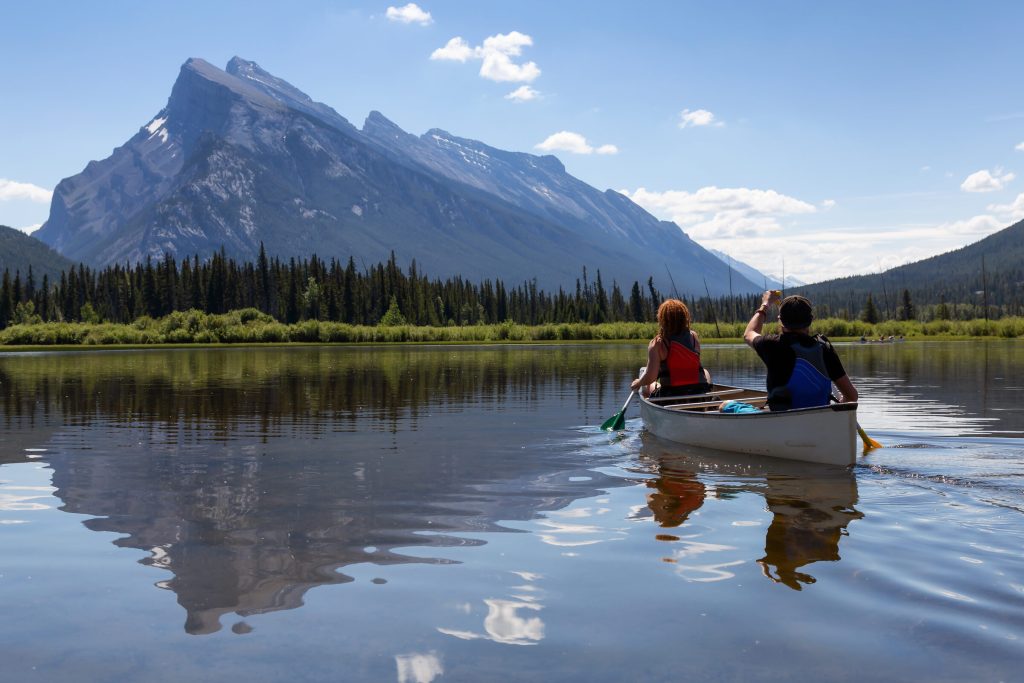
Canoe and kayak safety: capsize, cold water, and getting home
A canoe or a kayak is the most efficient way there is to move a load through wild country, and it is also the boat most…
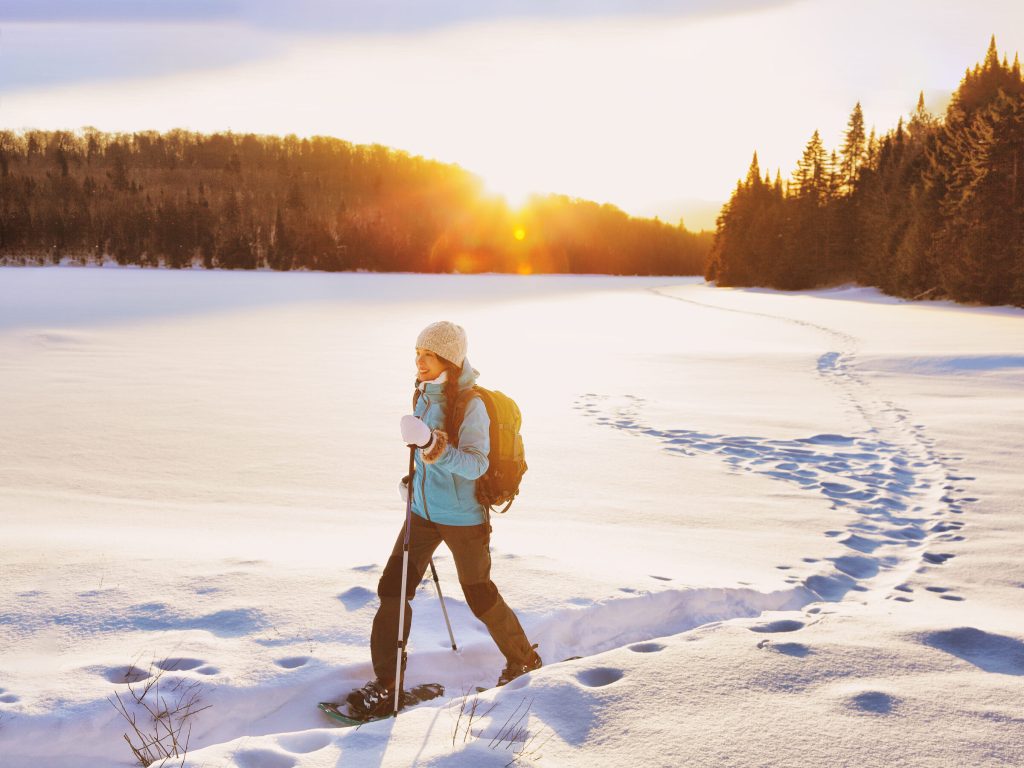
Winter hiking: travelling safely on snow and ice
Winter hiking is a separate skill, not summer hiking in a warmer jacket. How to read the snow surface, choose between traction and flotation, break trail…
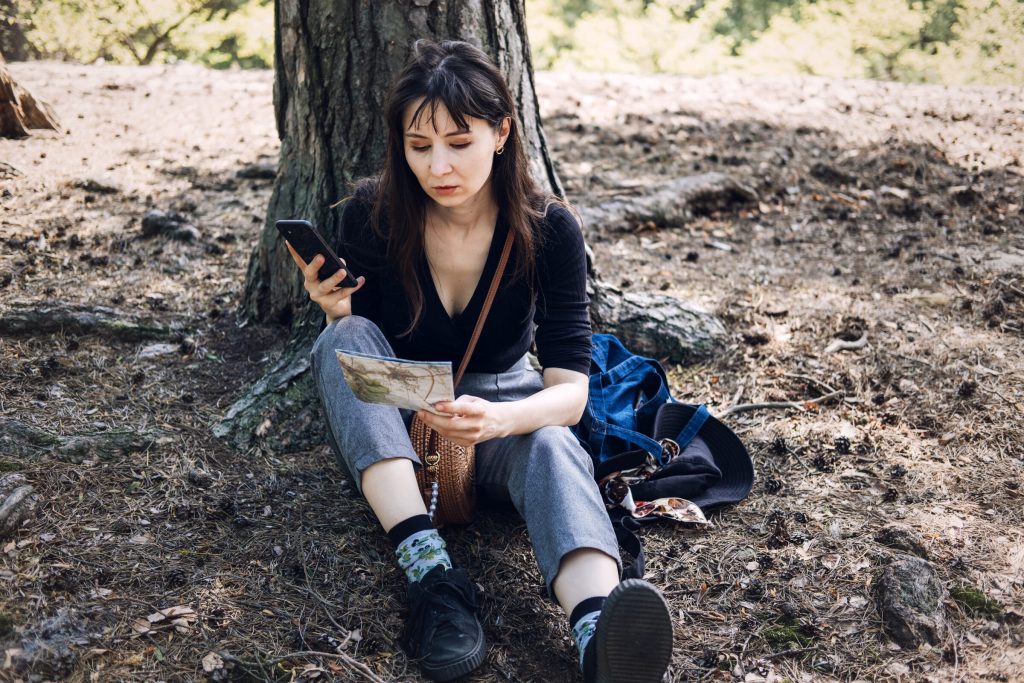
Your phone as a backcountry GPS: offline maps done right
The phone in your pocket is a more capable navigation device than the best dedicated GPS units of a decade ago. It is also a glass-fronted,…
Altitude sickness: recognizing AMS, HACE, and HAPE in the backcountry
Altitude illness comes in three forms: AMS, HACE, and HAPE. How to recognise each one, why sleeping altitude is the number that matters, and why descent…
Fit and pack your backpack: carry the load on your hips
Weight belongs on your hips, not your shoulders. How to measure your torso, choose a capacity, fit a loaded pack in the right order, and pack…
Caught in whitewater: how to survive being swept downstream
You cannot out-swim a river. How to read moving water, hold the right body position, use eddies to get out, escape a hole or a strainer,…
Frostbite, frostnip, and trench foot: treating cold injury in the field
Cold injury explained: how to tell frostnip, frostbite, and trench foot apart, how to rewarm each safely in the field, and the refreezing mistake that costs…
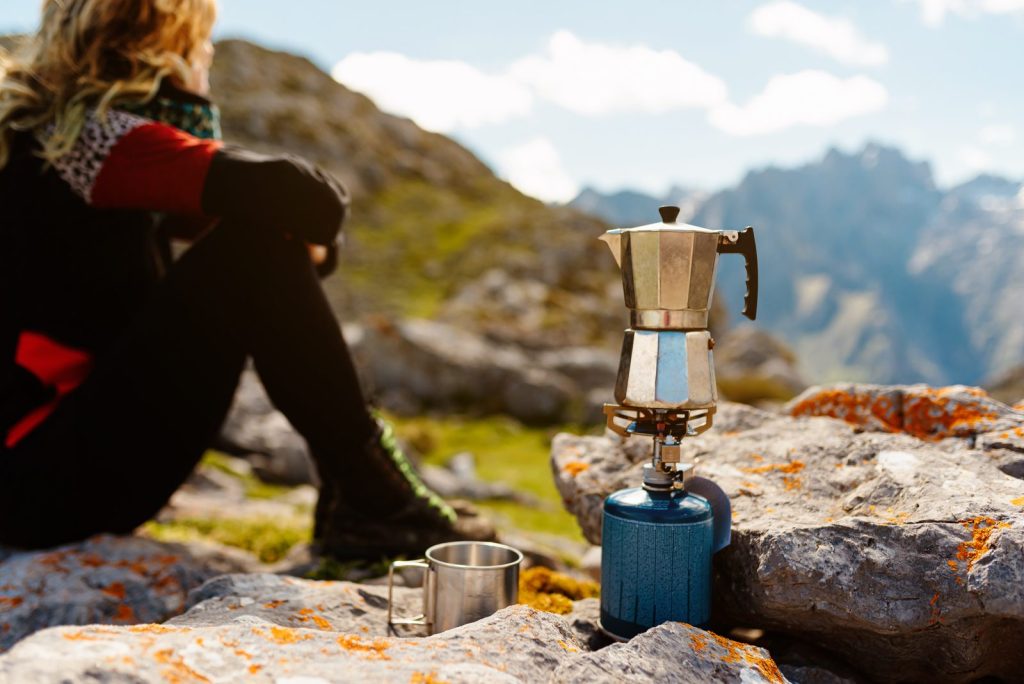
What food to bring: fueling day hikes, camping, and emergencies
What to pack to eat on any trip: day hikes, car camping, and multi-day backpacking, plus the emergency rations to keep in your pack for the…
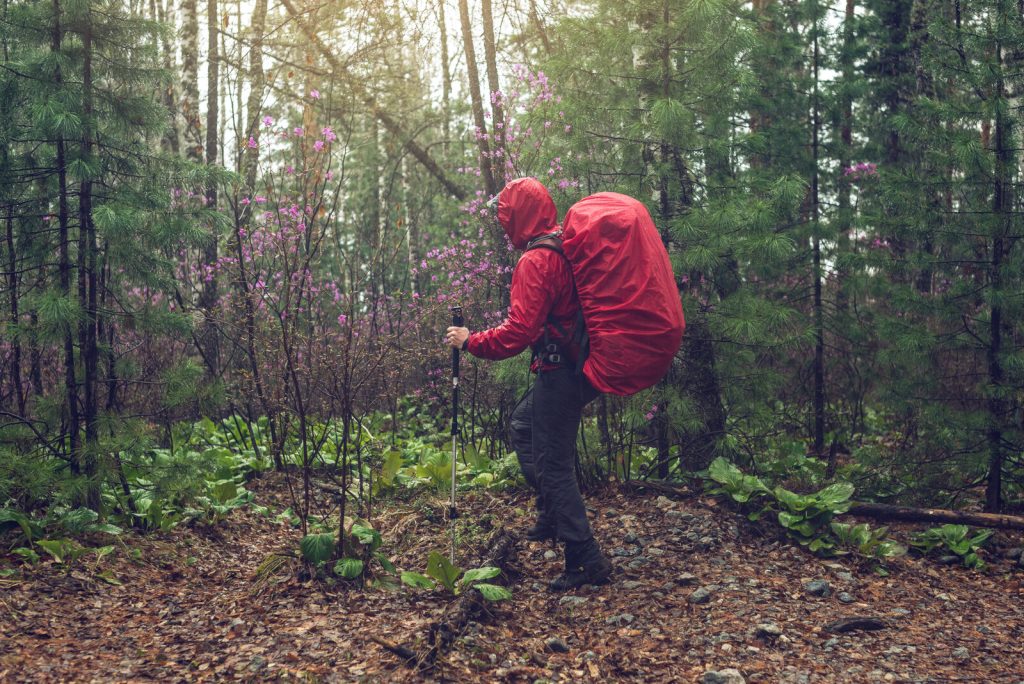
Hypothermia: how to recognize it and warm someone up in the field
Hypothermia can strike on any wet, windy day, not just in deep cold. How to recognize it at every stage and safely rewarm someone in the…
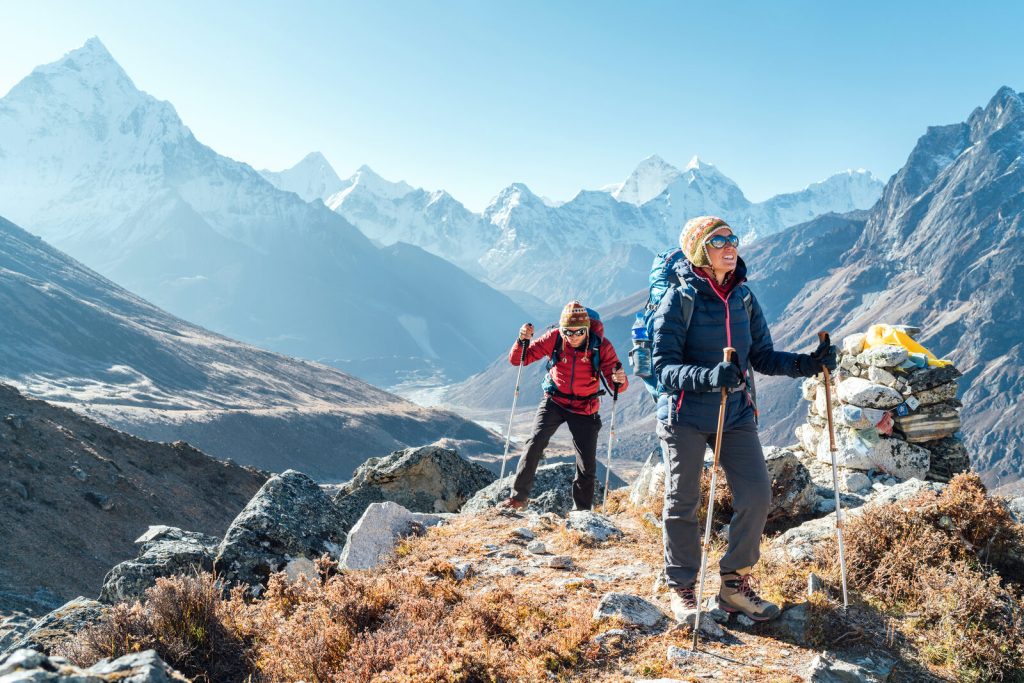
Trekking poles: every use, on the trail and in camp
Trekking poles do far more than help you walk: knee-saving descents, balance on bad ground, safer river crossings - plus tent poles, tarp supports, splints, a…
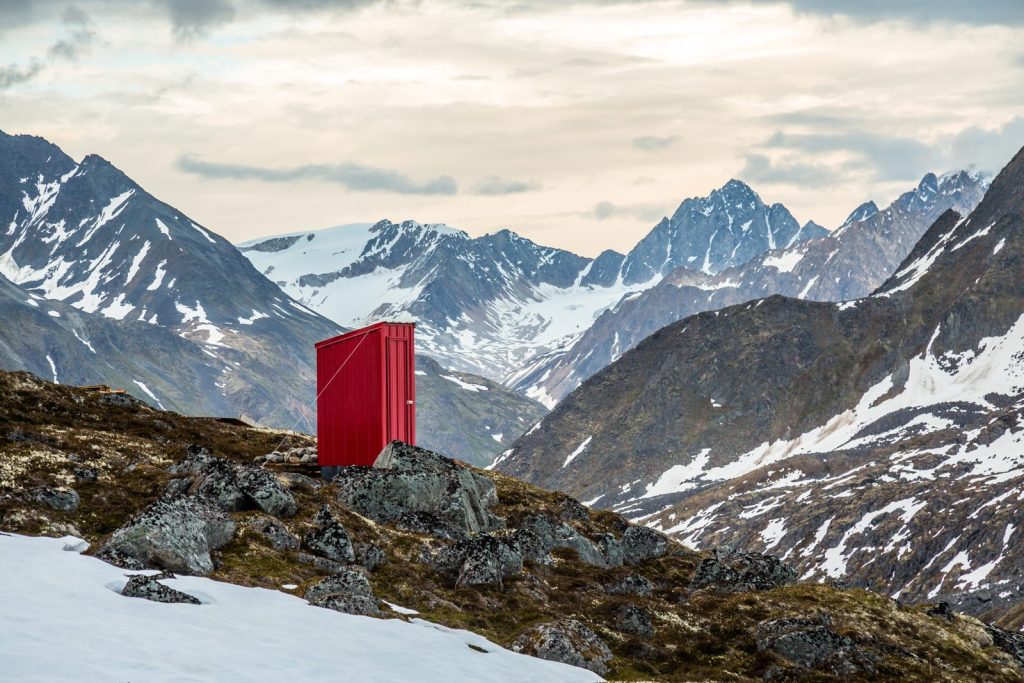
Human waste in the backcountry: catholes, latrines, and packing it out
How to deal with solid human waste responsibly in the wild: choosing a method, digging a clean cathole, building a group latrine, packing it out where…
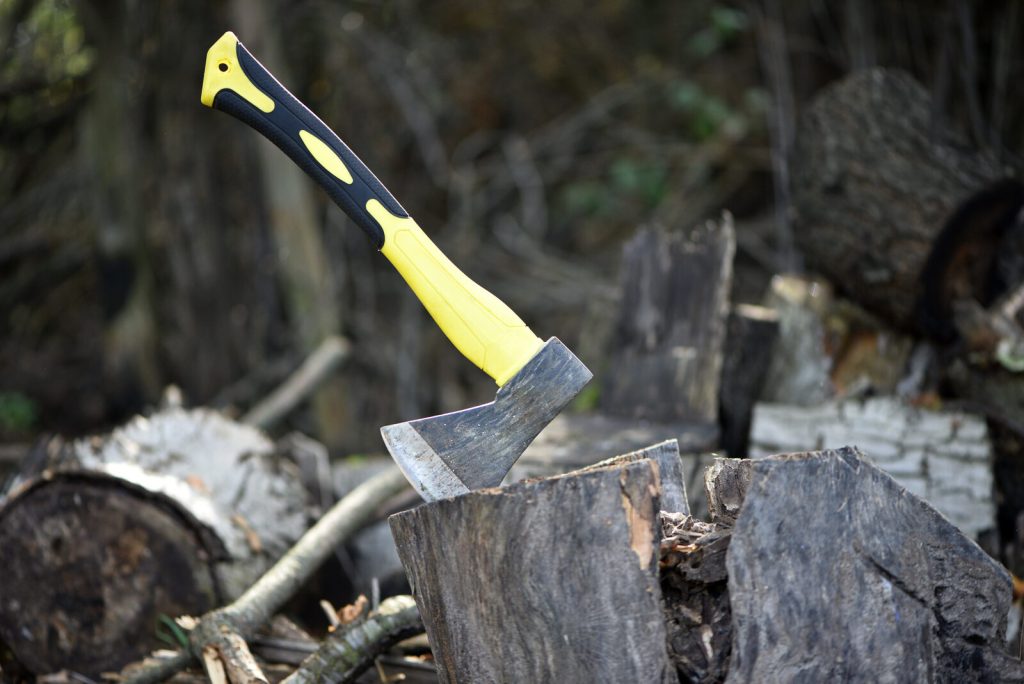
Axes and hatchets: choosing, using, and maintaining a camp axe
From a belt hatchet to a splitting maul: the axe family explained, what each part does, how to split and fell safely, sharpening and handle care,…
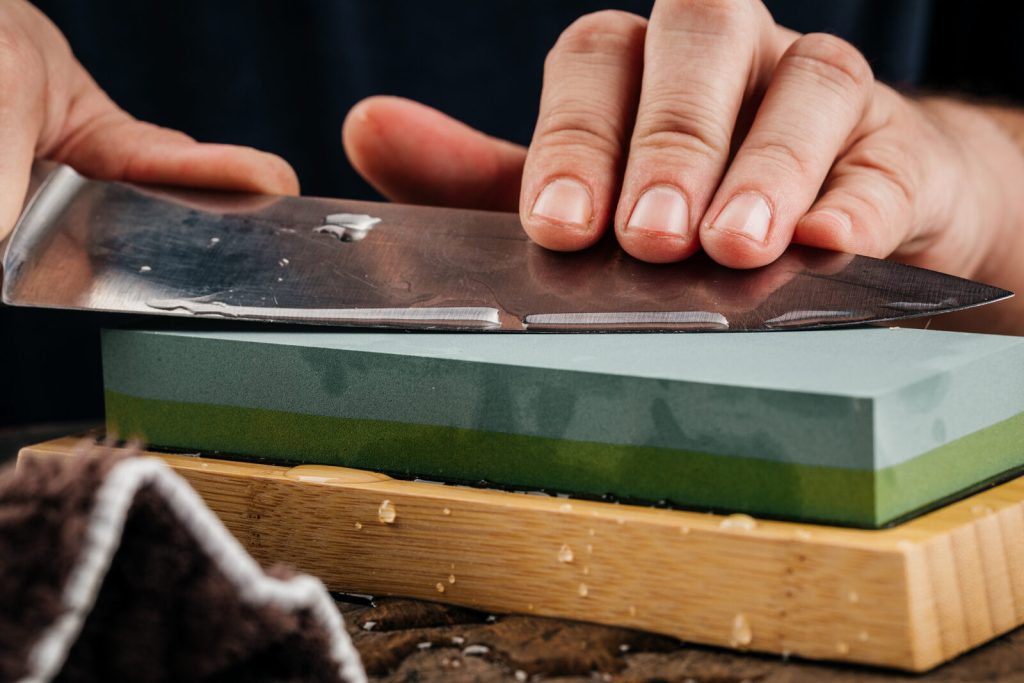
Sharpening and tool care: keeping your backcountry tools working
A sharp, clean tool is safer and lasts for decades. How edges and angles work, how to sharpen a knife, axe, shovel, saw, and multitool, rust…
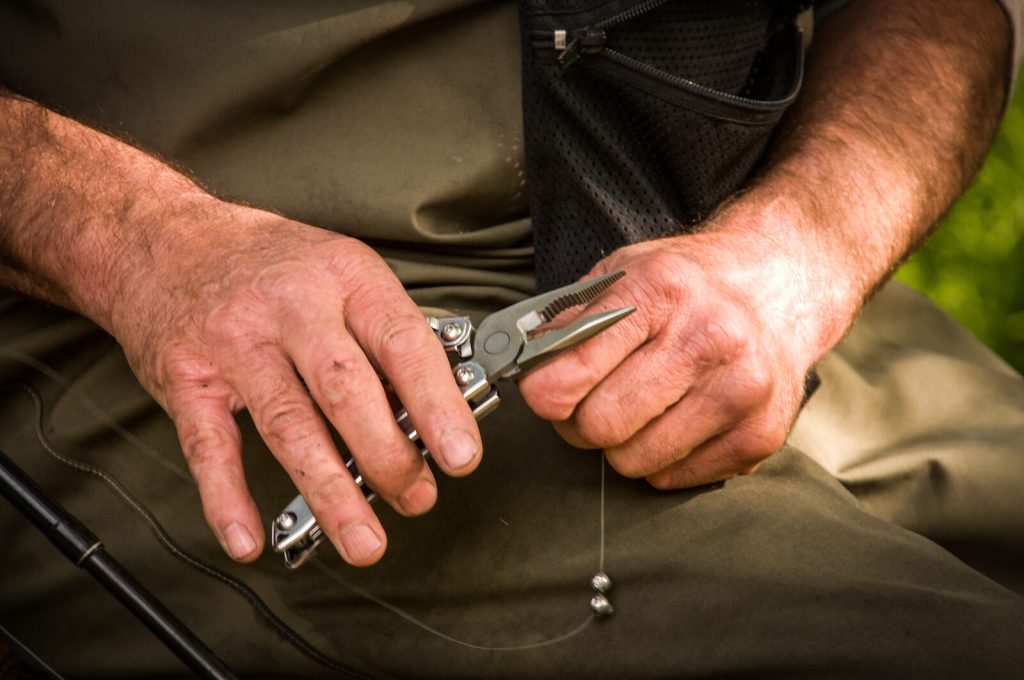
Multitools in the field: how to actually use one in the backcountry
A multitool is the backcountry fix-it kit: what each tool inside is for, why it complements a knife rather than replacing it, the features that matter,…
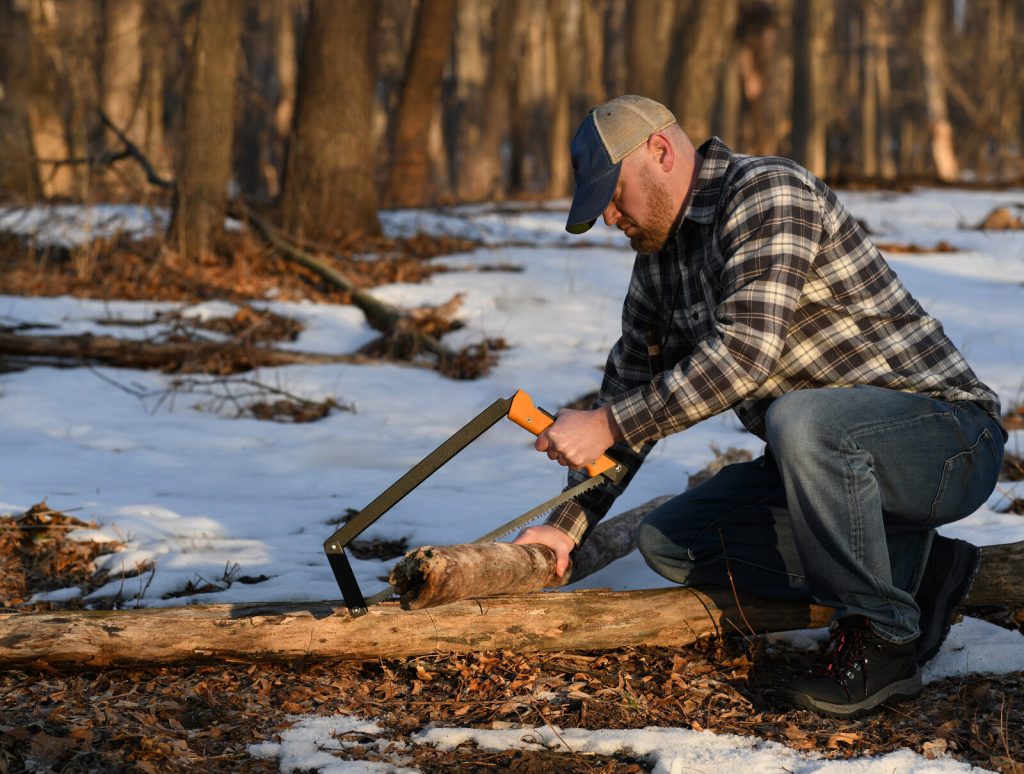
Camp saws: folding saws, bow saws, and how to cut wood safely
Why a saw beats an axe for most campers: folding saws vs bow saws, how teeth and blades work, what a saw does in camp, safe…
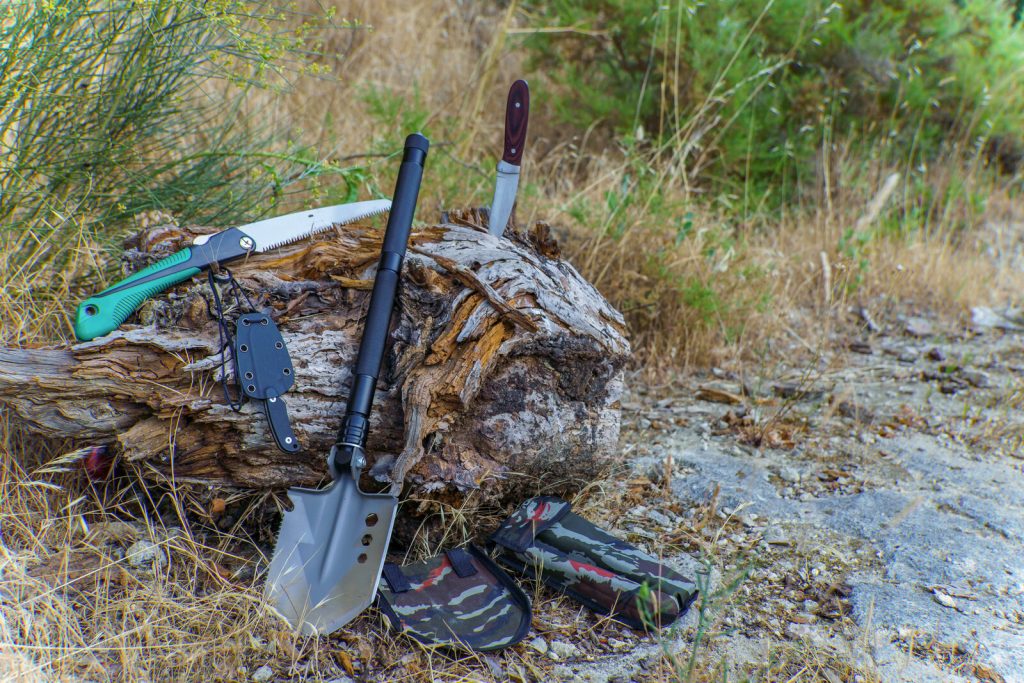
Camp shovels and entrenching tools: how to choose and use one
From an ultralight trowel to a folding steel entrenching tool: the whole family of backcountry digging tools, every job they do — catholes, fire pits, drainage,…
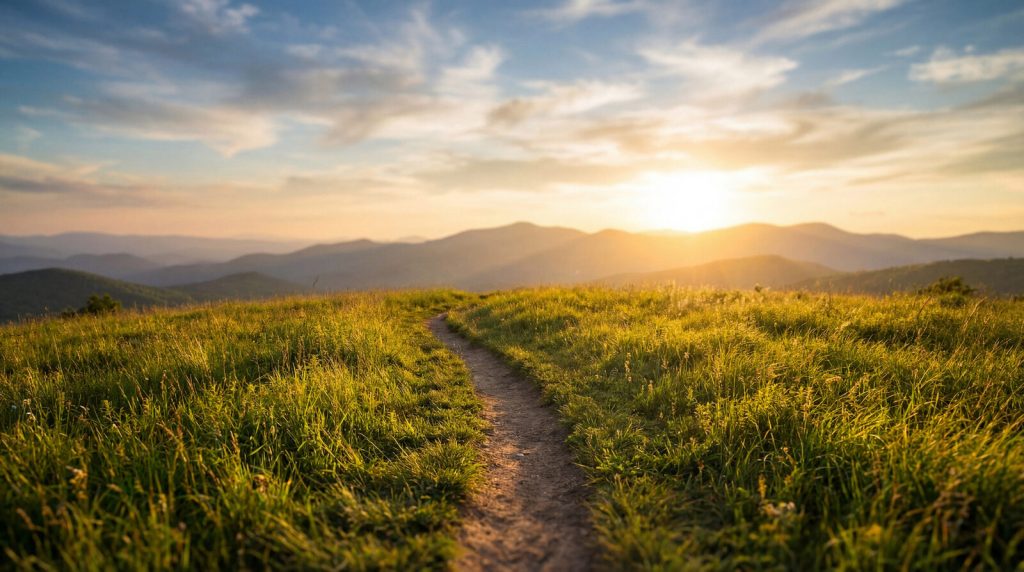
Leave No Trace: the seven principles, explained
The seven principles of Leave No Trace, explained and made practical — how to plan, travel, camp, handle waste, build fires, and respect wildlife so the…
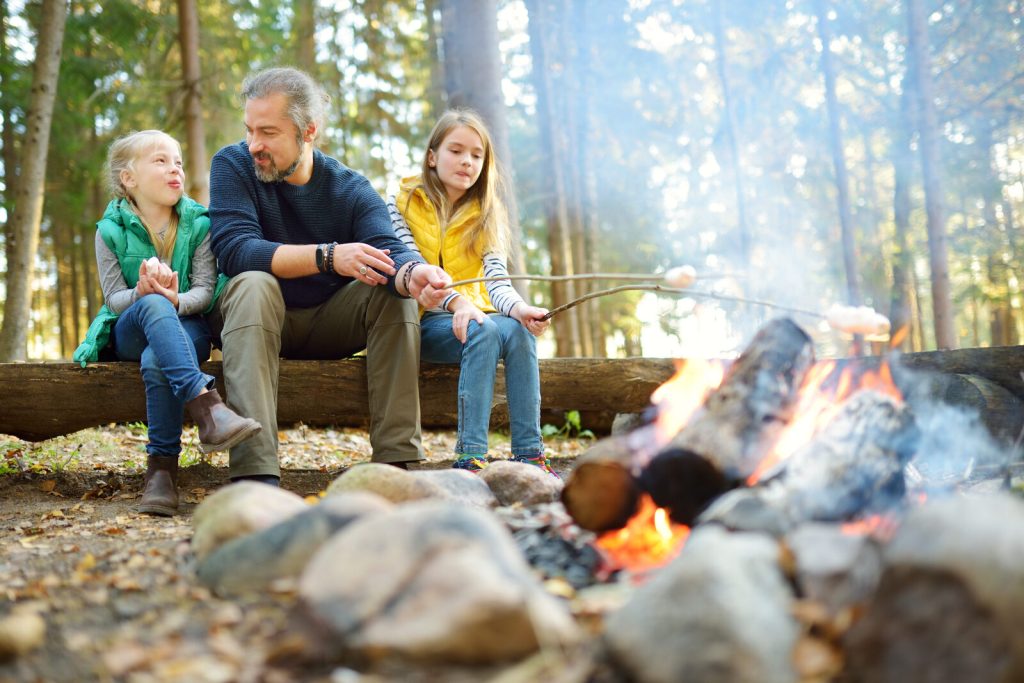
How to keep kids entertained while camping — without screens
Take the screens away and kids get inventive. Dozens of screen-free ways to keep children of every age happily busy at camp — scavenger hunts, campfire…
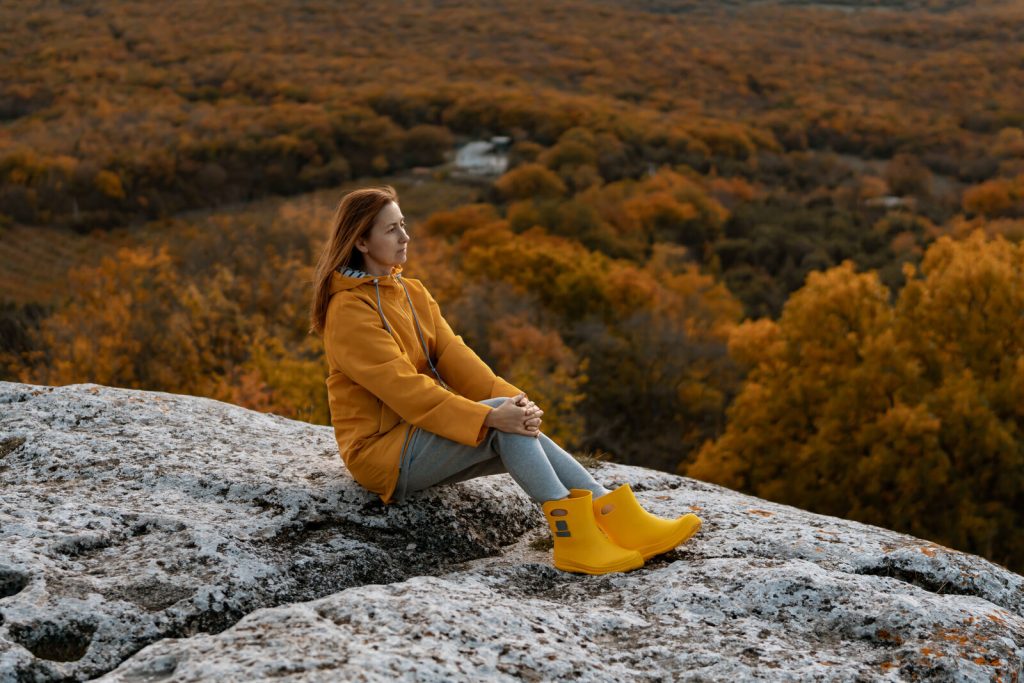
What to wear in the bush: layering and fabrics for every condition
Dressing for the bush is a system, not a single jacket. How to choose and layer clothing — base, mid, and shell — from fabrics that…
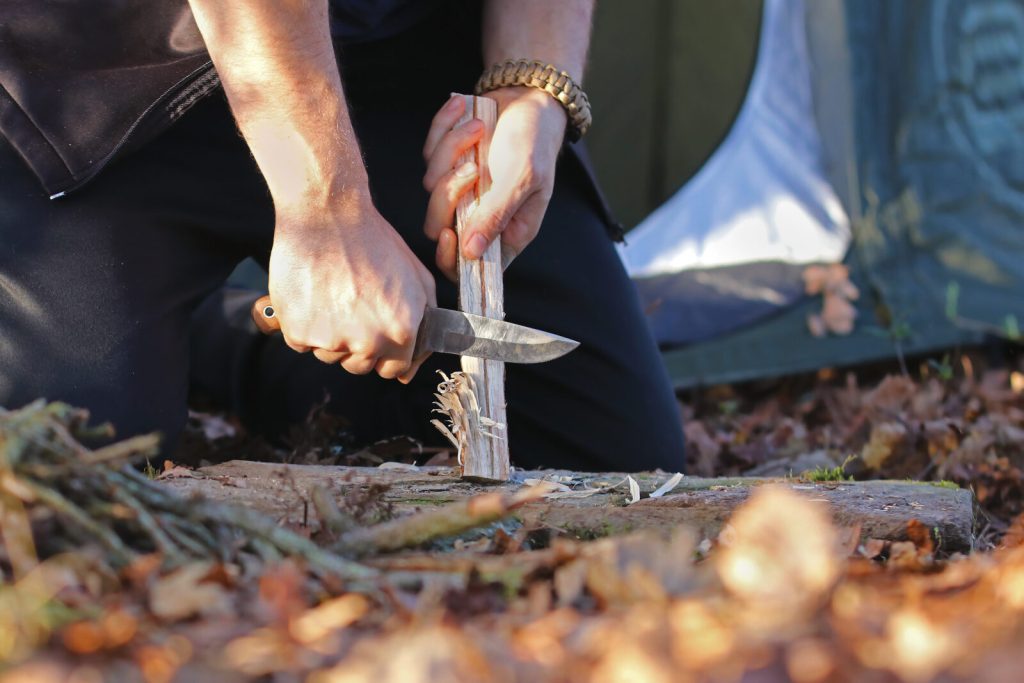
Wilderness knives explained: types, terms, and how to use one
Fixed vs. folding, full vs. partial tang, carbon vs. stainless, and every knife term decoded — plus what a blade actually does in the bush and…
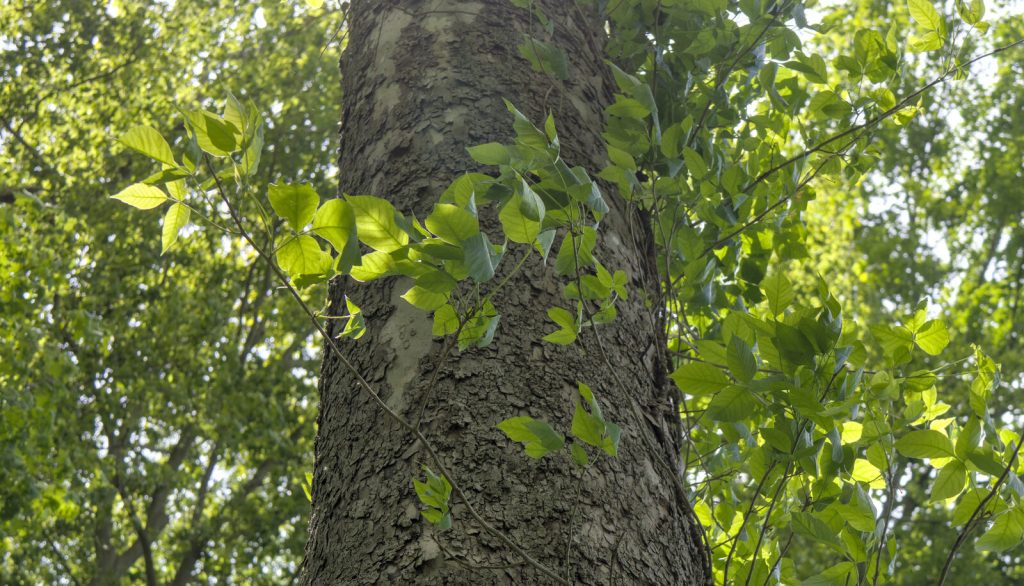
Poison ivy, oak, sumac, and giant hogweed: identify, avoid, and treat them
The rash-and-burn plants every hiker should recognize. How to identify poison ivy, oak, and sumac, avoid the urushiol that causes the rash, decontaminate fast, and treat…

How to find food in the wilderness (in any climate)
You can live weeks without food, so it is rarely the first emergency. How to find food in forest, mountain, desert, coast, tropics, and cold country…
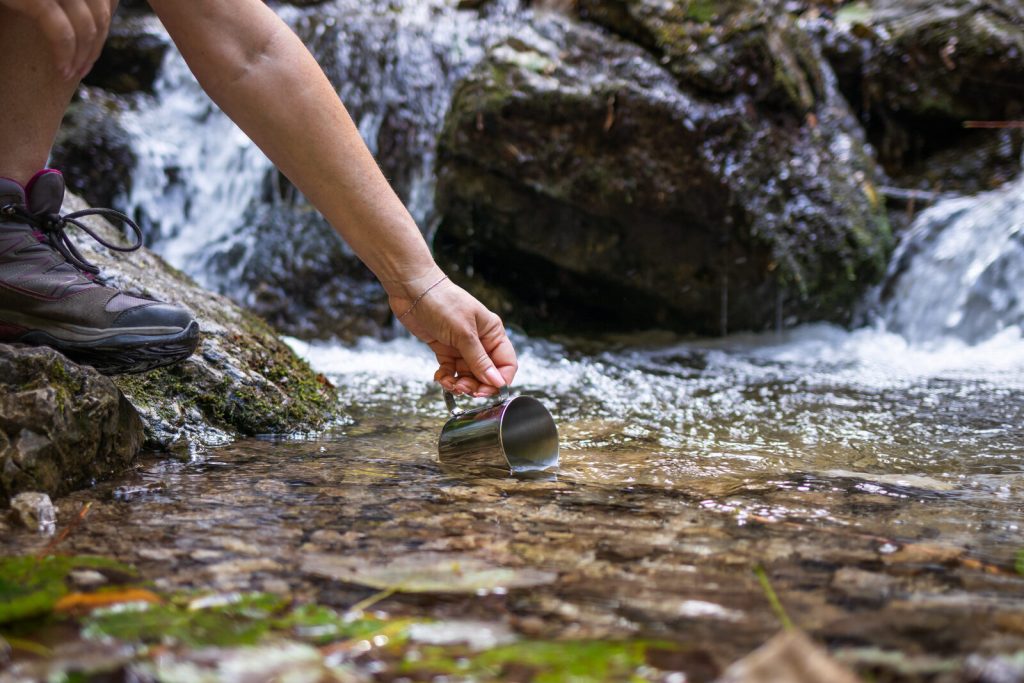
How to find water in the wilderness (in any climate)
Almost every landscape hides water if you know how to read it. How to find water in forest, mountain, desert, coast, tropics, and snow country —…
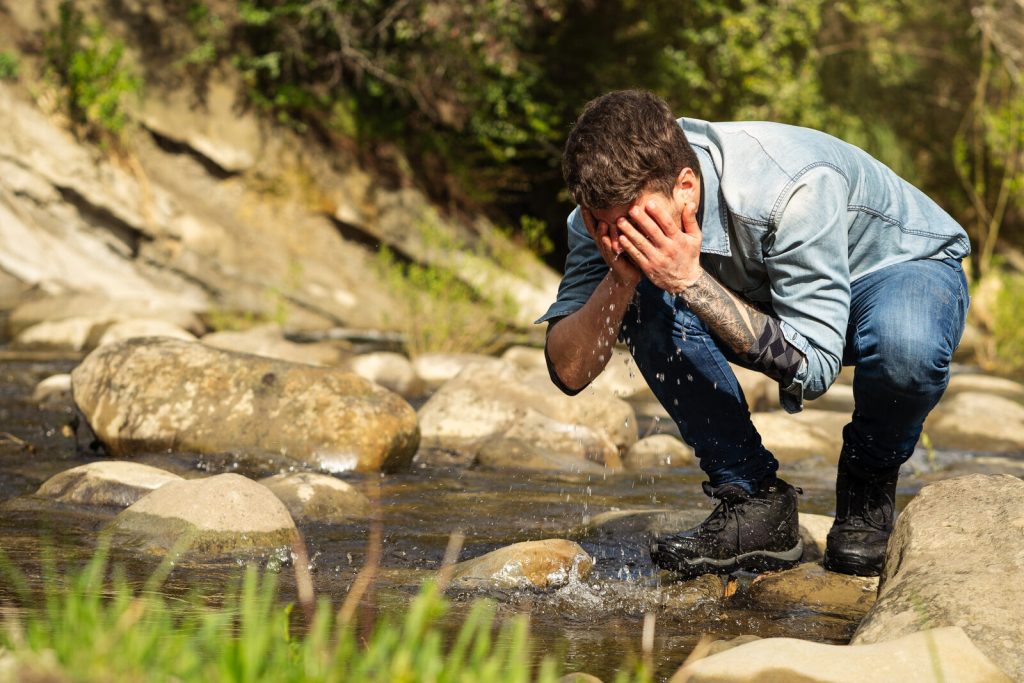
Backcountry hygiene and sanitation: staying healthy in the field
The thing most likely to cut a trip short isn't a bear; it's dirty hands or bad water. How to stay healthy in the field: hands,…
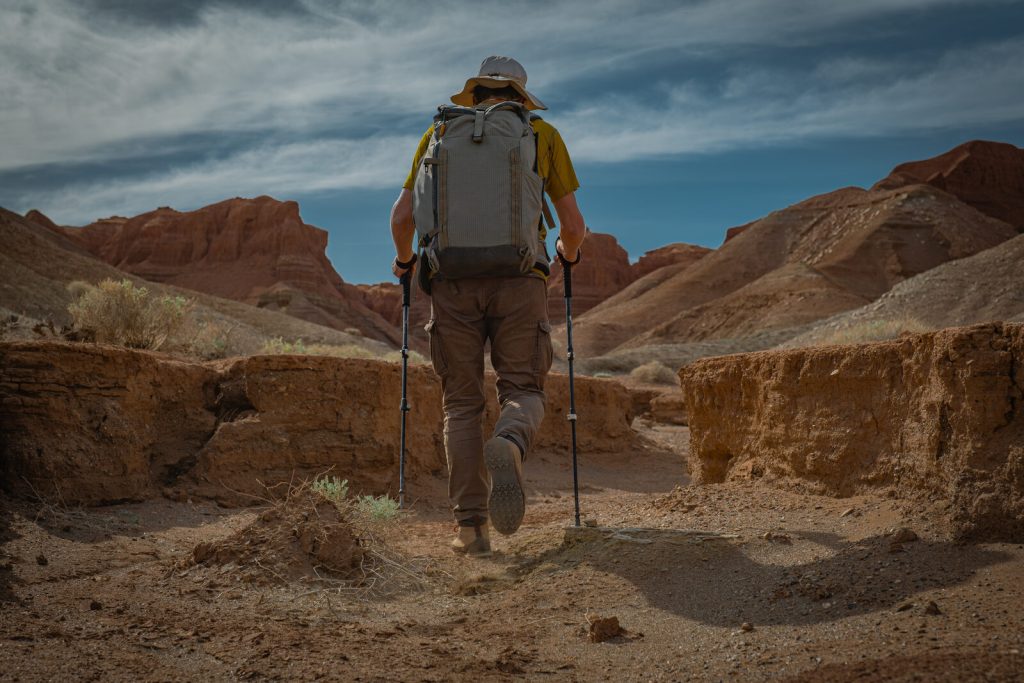
How to hike safely in the heat
Heat changes the math of a hike. How to travel safely in hot country through timing, water discipline, clothing, and pacing, and how to spot trouble…
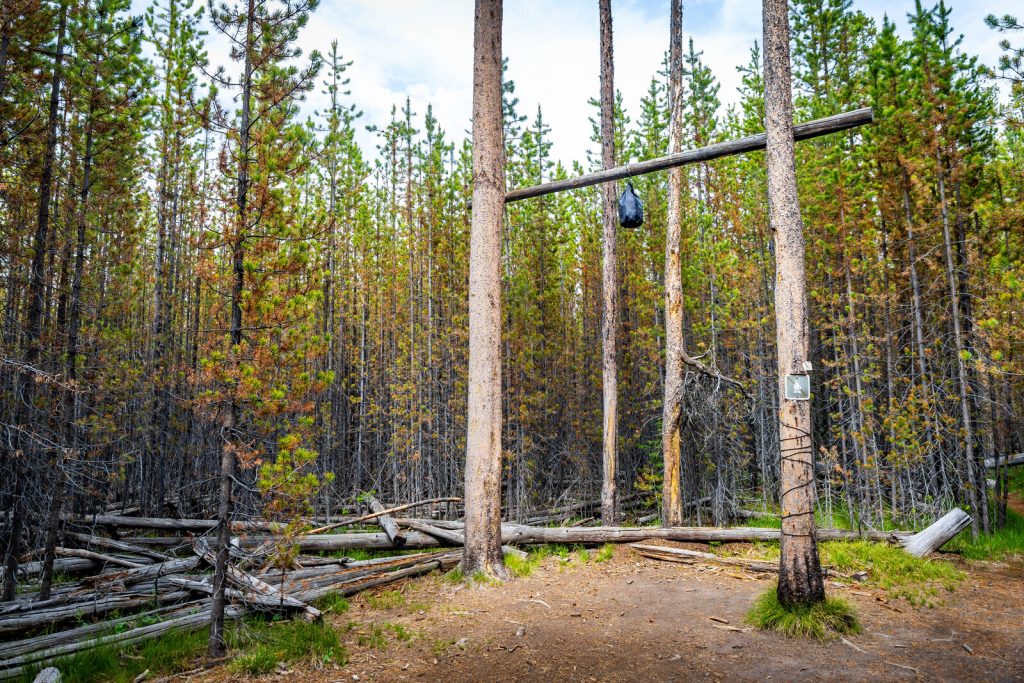
How to protect your food and camp from animals
Most dangerous wildlife encounters are invited by the smell of food in camp. How to store food and manage odors with canisters, bear hangs, and clean-camp…
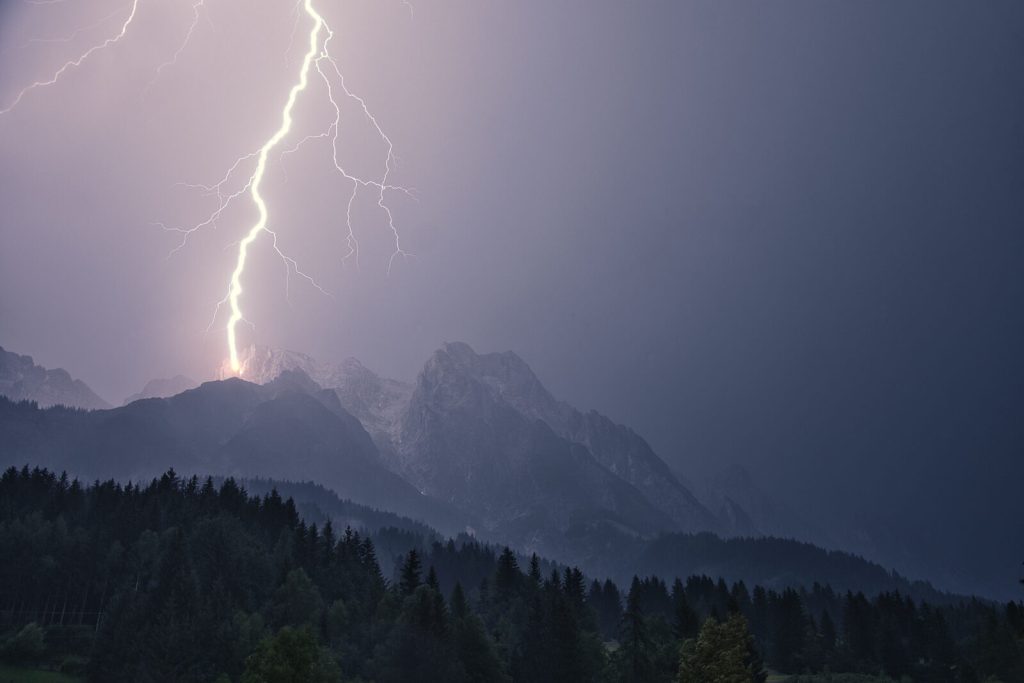
Lightning safety in the backcountry
Lightning is one of the most avoidable backcountry killers. How to plan storms out of your day, use the 30/30 rule, choose terrain when you are…
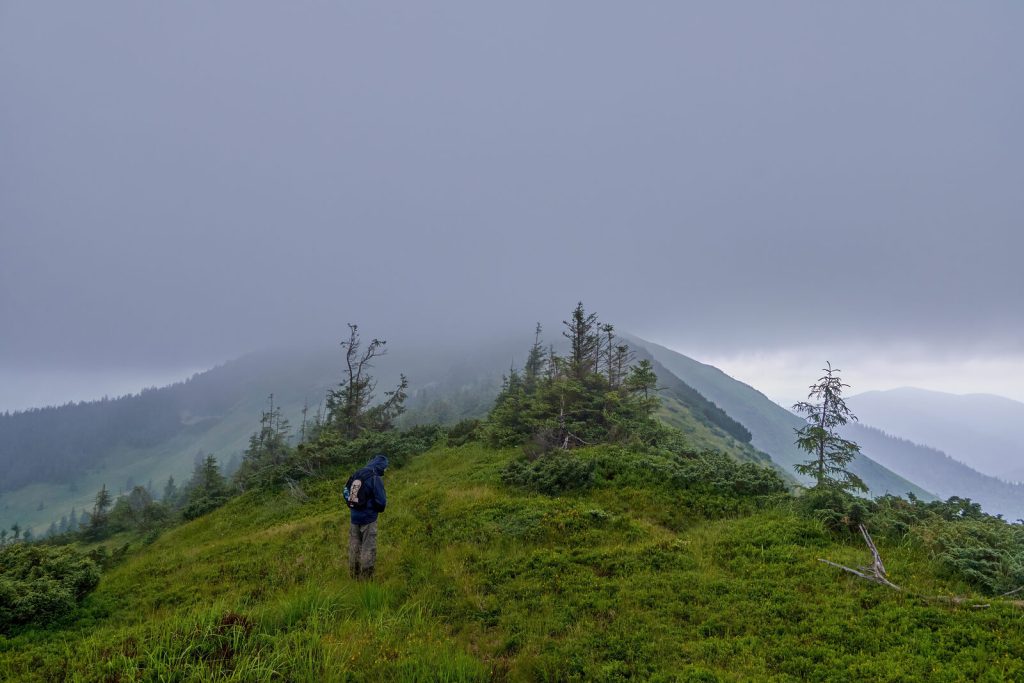
Low-visibility navigation: fog, whiteout, and darkness
When you can't see, you navigate by instrument, not by eye. How to travel safely in fog, whiteout, and darkness using compass bearings, pace counting, and…
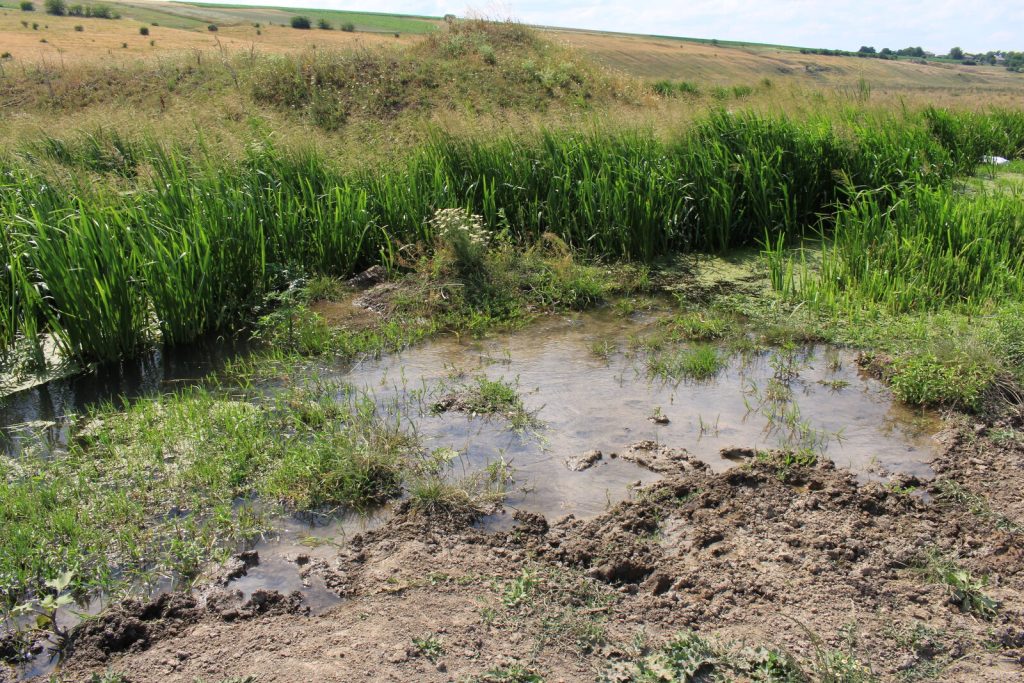
How to escape quicksand, bogs, and mud
Bogs, mud, and quicksand trap the people who panic and fight them upright. How to recognize soft, sucking ground, cross it if you must, and get…
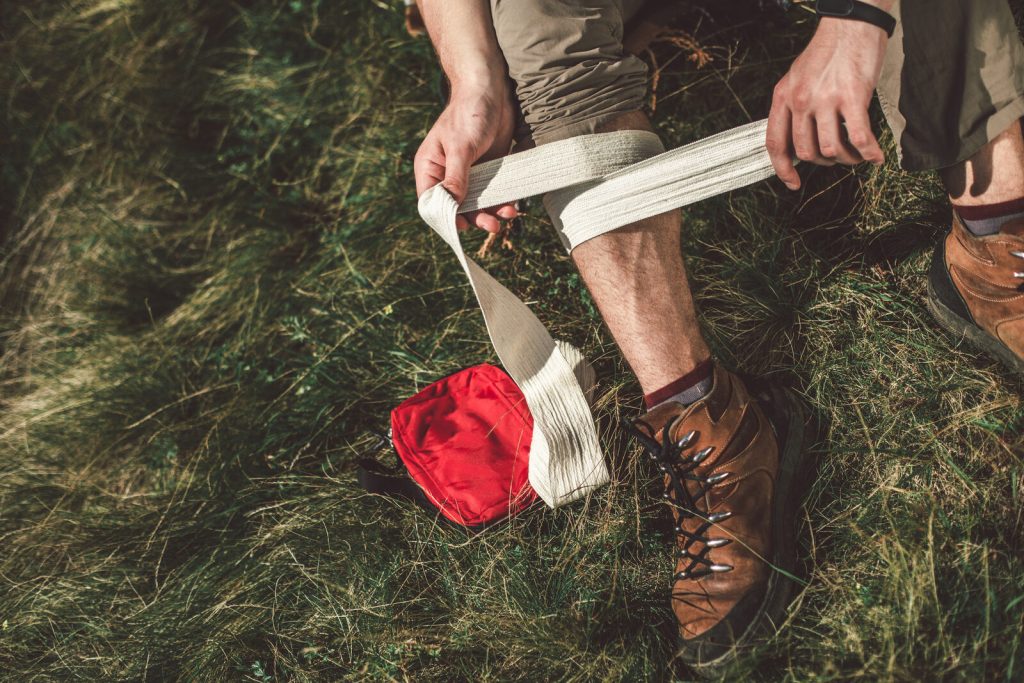
Wound care in the backcountry: cleaning, closing, and stopping infection
In the backcountry the danger isn't usually the wound; it's the infection that follows. How to clean, close, and dress a wound in the field, spot…
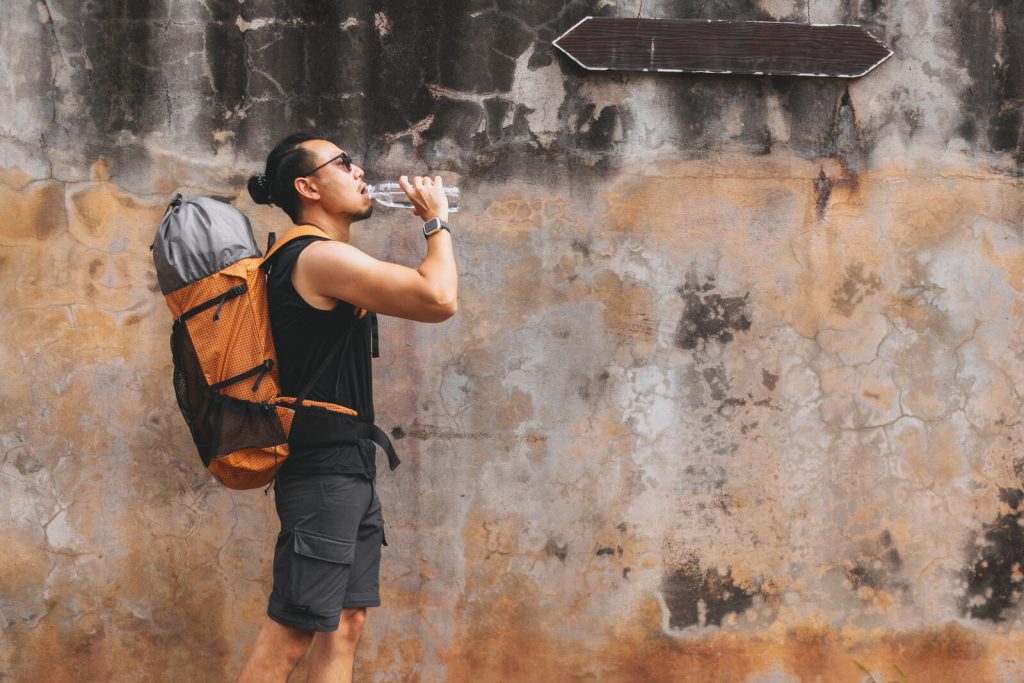
Heat illness: preventing and treating heat exhaustion and heat stroke
Heat illness is a ladder you can step off early. Recognizing and treating heat cramps, heat exhaustion and heat stroke, plus hyponatremia, which looks identical and…
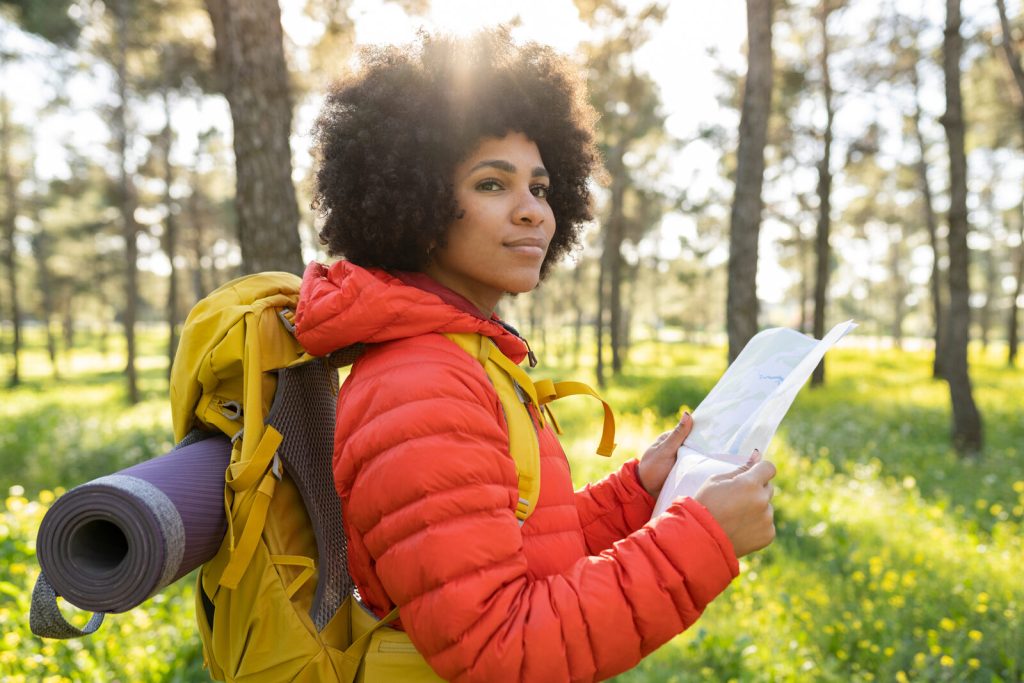
Lost in the wild: stay calm, stay put, stay alive
The most important survival skill isn't fire or shelter; it's the ability to stop, calm down, and think. What to do the moment you realize you're…
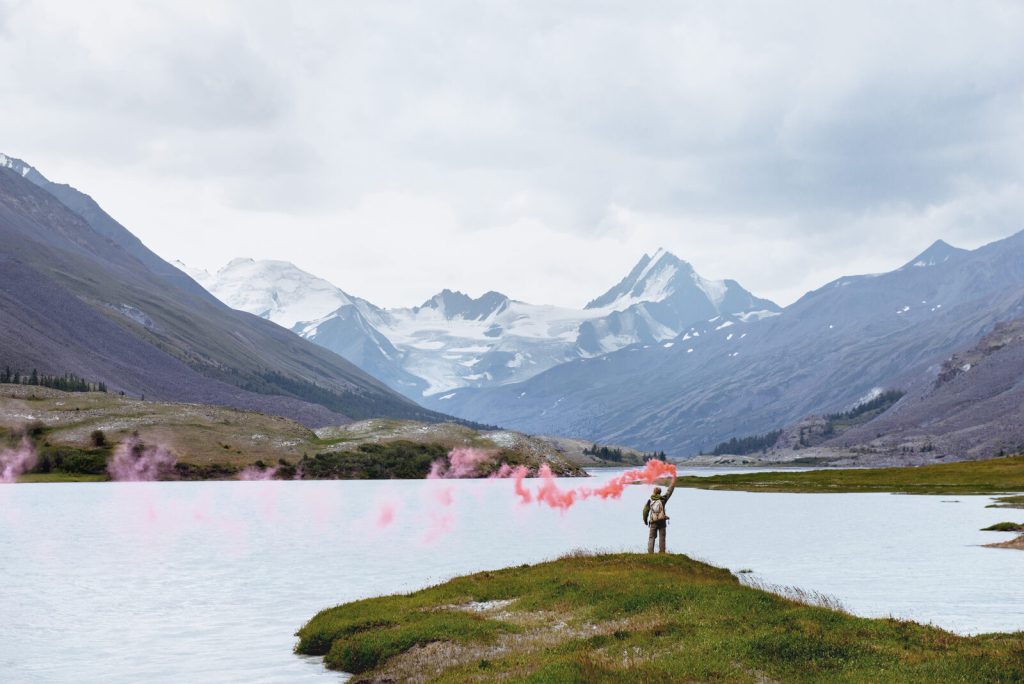
How to signal for rescue in the backcountry
Staying alive is only half the job in a backcountry emergency; the other half is being found. How to signal for rescue with everything from a…
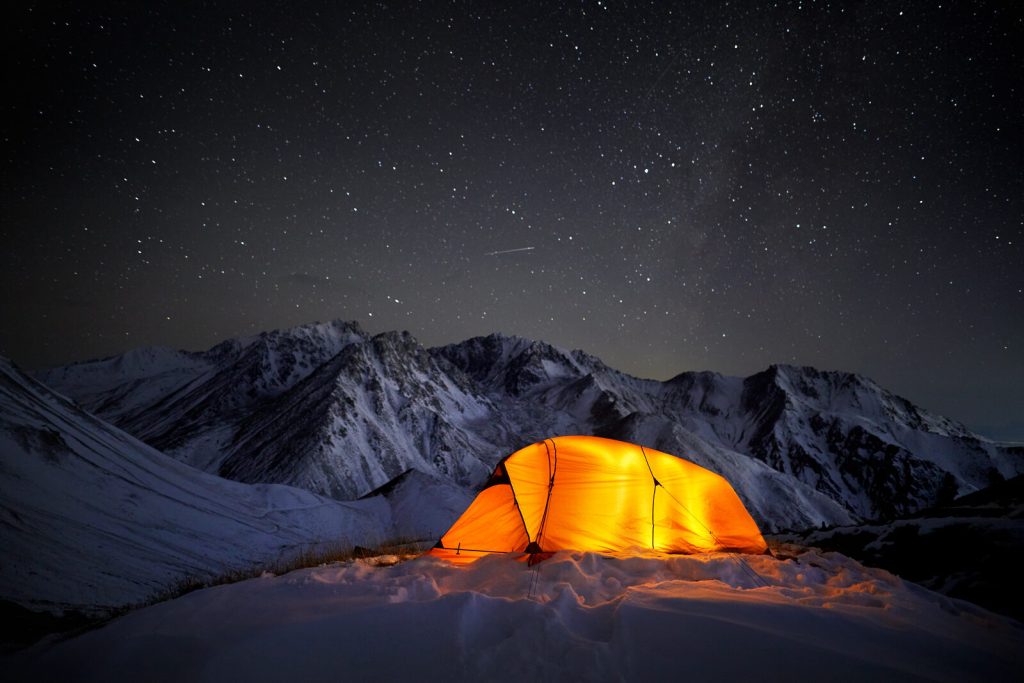
How to stay warm through a cold night
A cold night can be dangerous, not just miserable. Insulate from the ground, dial in your sleep system, and use the field tricks that keep you…
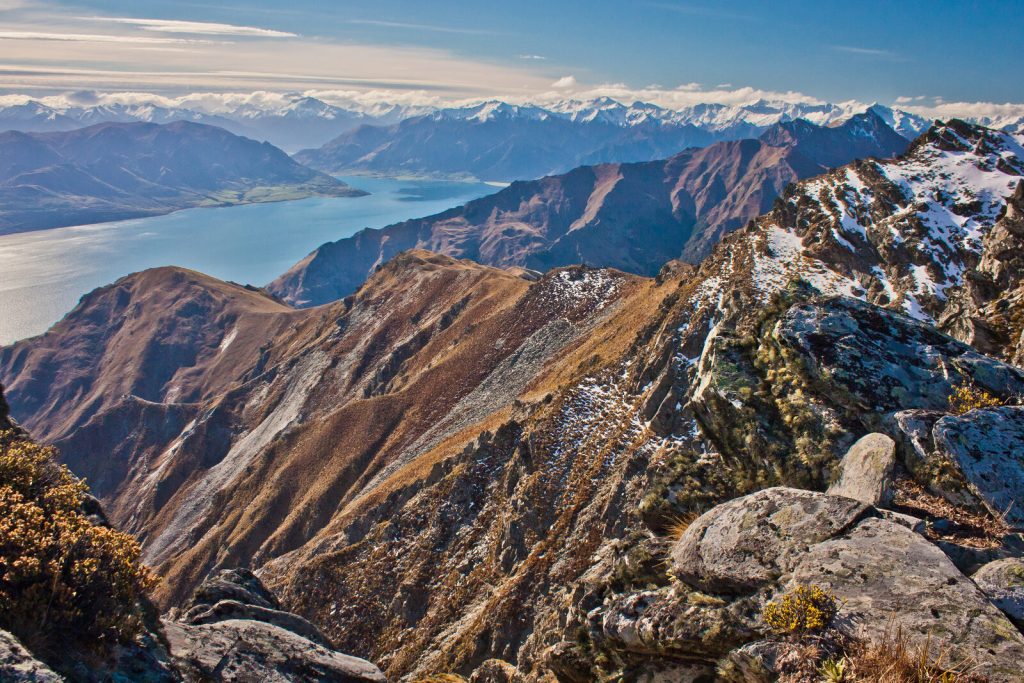
Crossing difficult terrain: scree, talus, steep slopes, and snow
Loose rock, steep slopes, and old snow are where hikers get hurt. Technique for crossing scree, talus, boulder fields, and snow safely — and knowing when…
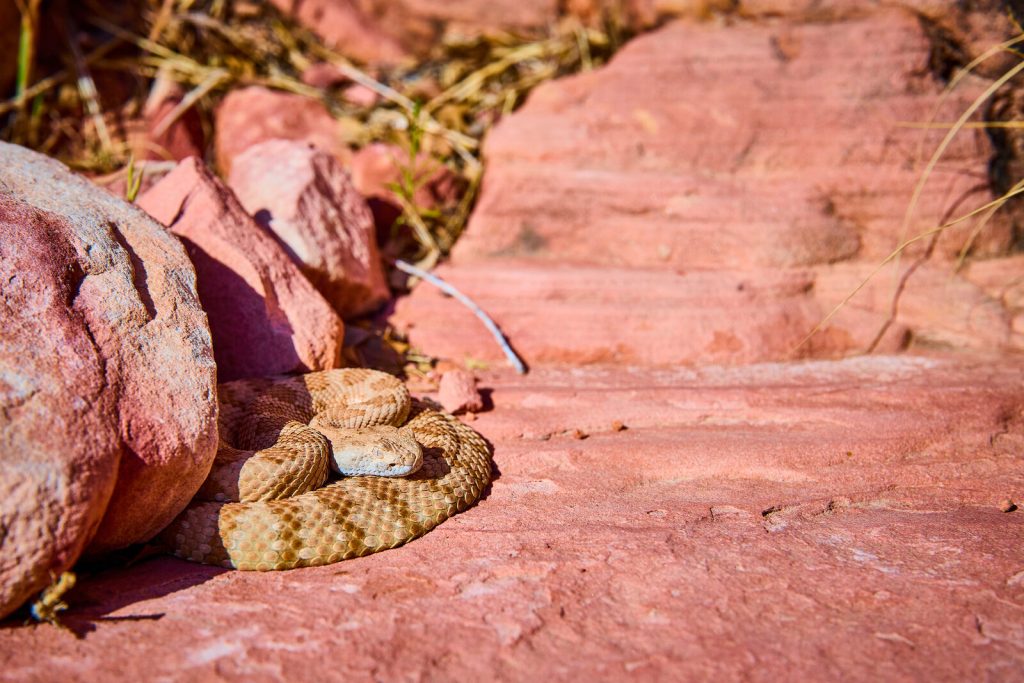
Snakes, spiders, and stinging insects: avoiding bites and stings
The small creatures hurt the most people. How to avoid snakes, spiders, scorpions, ticks, and stinging insects — and treat a bite or sting calmly, including…
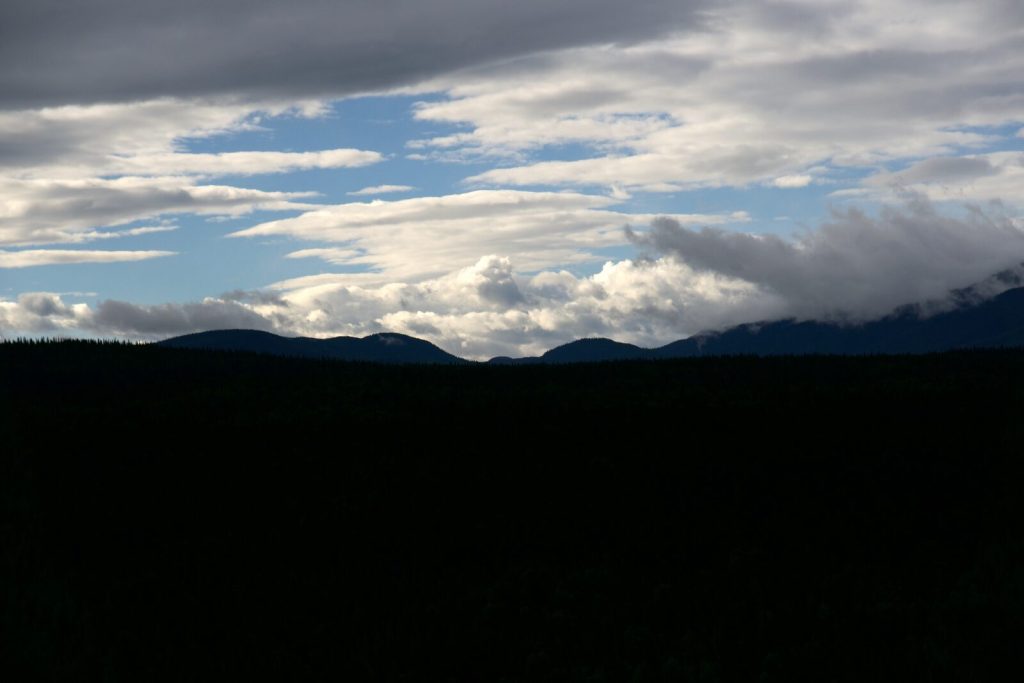
Reading the clouds: forecast the weather by the sky
The sky is the most current forecast you have. Read cloud types and sky signs to see rain, storms, and lightning coming hours ahead — and…

How to find direction without a compass
Lost your compass or drained your phone? Find north with a stick and the sun, an analog watch, or the stars — and turn a rough…
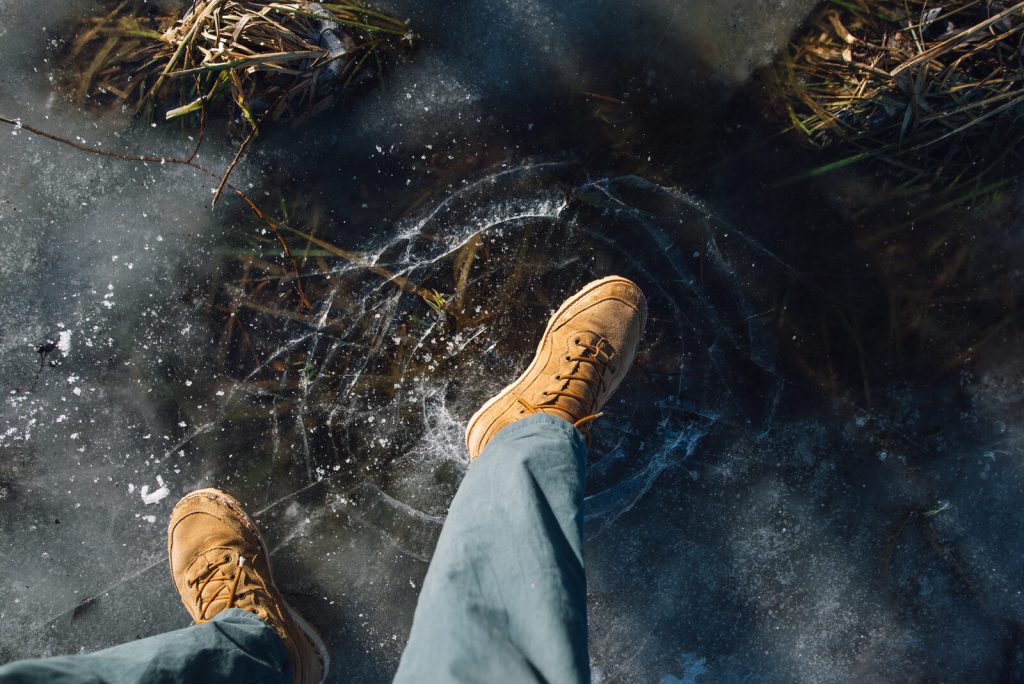
Surviving cold-water immersion and falling through ice
Cold water kills faster than you think. The 1-10-1 timeline, how to self-rescue back onto ice, and how to treat someone pulled from cold water —…
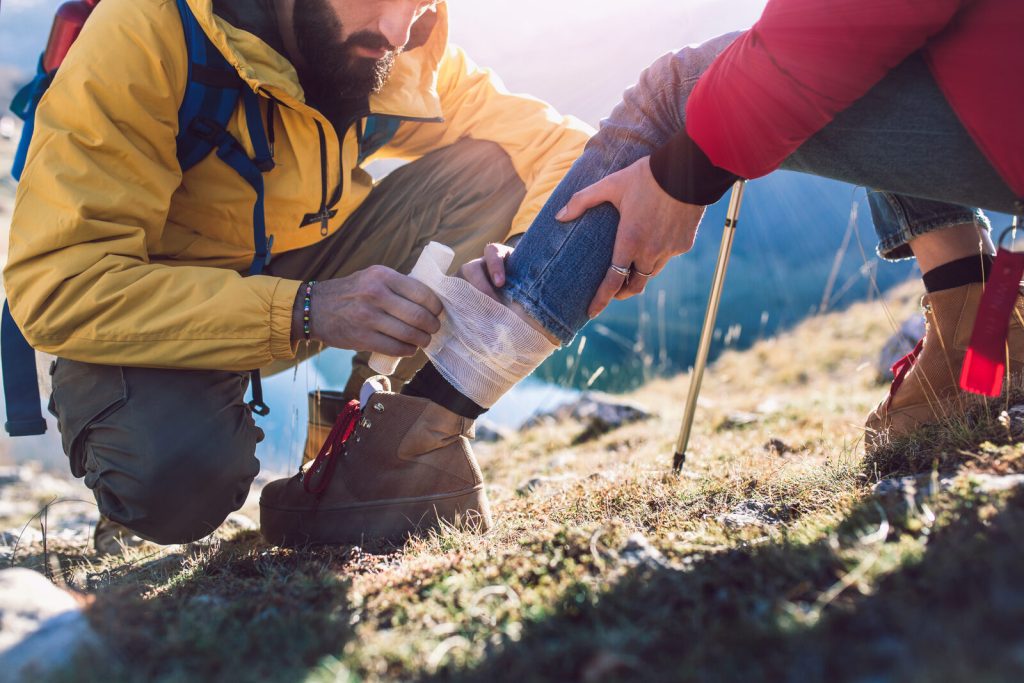
How to splint a sprain, fracture, or dislocation
A limb injury far from the trailhead can strand you. How to assess the injury, improvise a splint and sling, protect circulation, and decide when to…
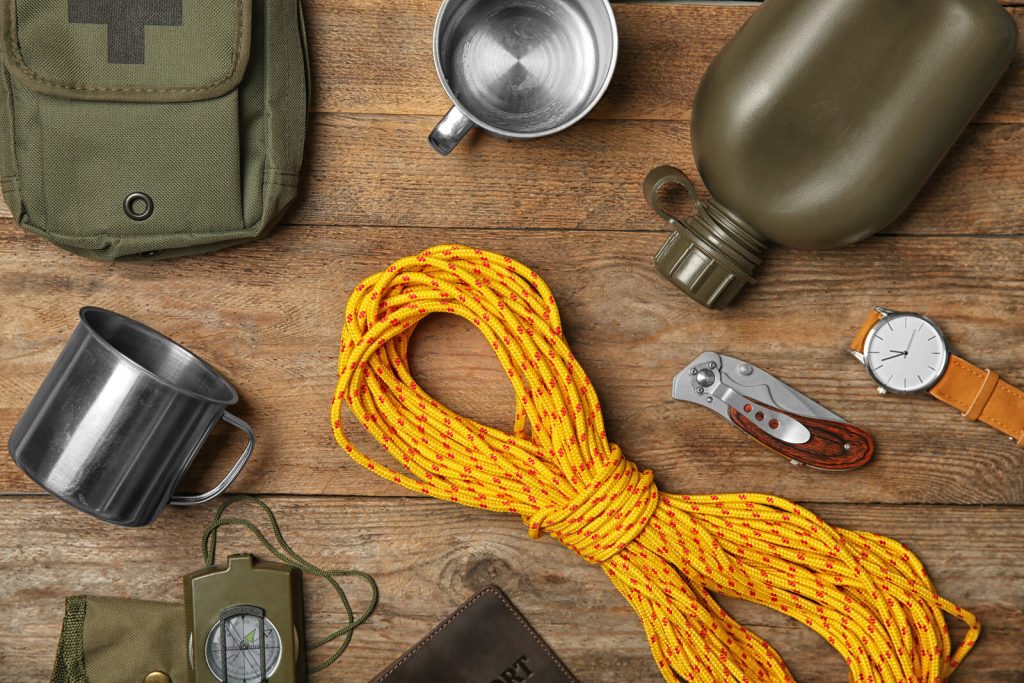
How to build a survival kit you will actually carry
The best survival kit is the one you have on you. How to build a light, need-based kit — fire, water, first aid, signaling, navigation —…
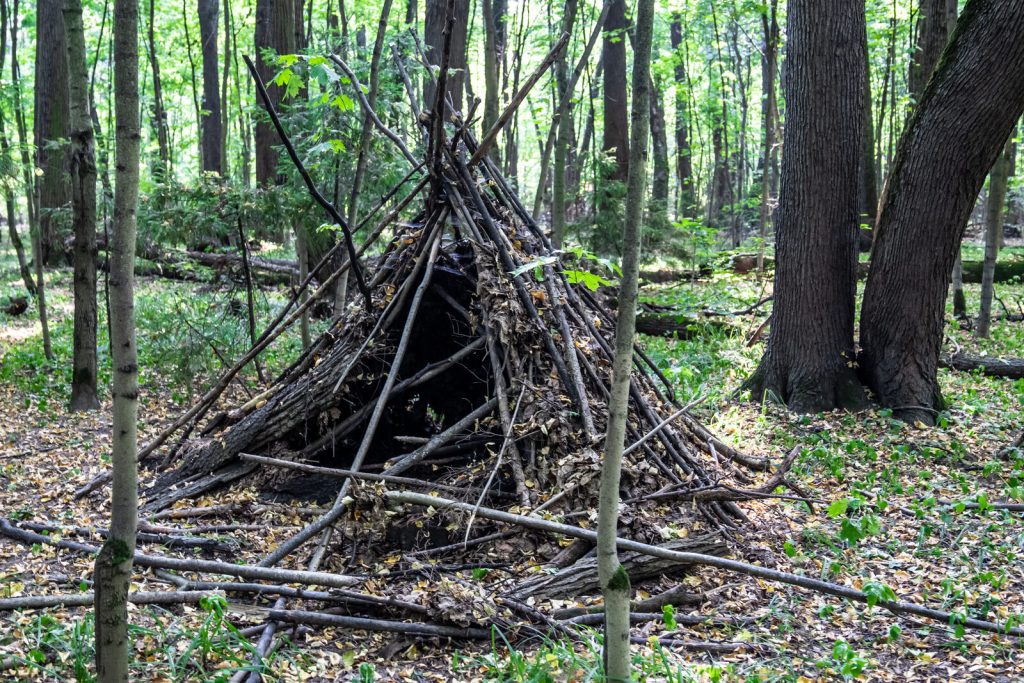
How to build an emergency shelter with no tent
When you have no tent, shelter is your first survival priority. How to pick a safe site and build a debris hut, lean-to, or tarp shelter…
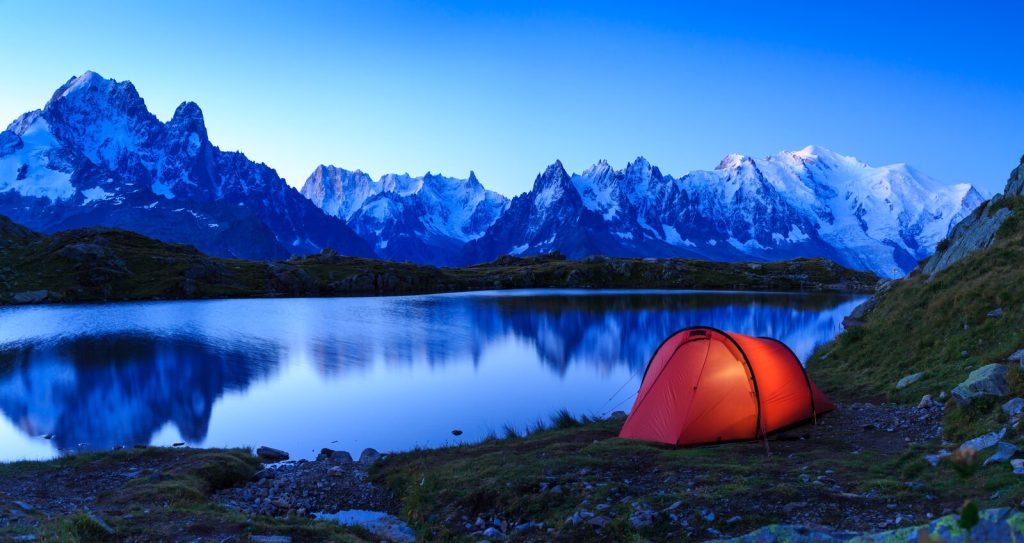
Choosing and setting up a safe backcountry campsite
Where you pitch decides how warm you sleep and whether you wake up in a puddle. Hazard scanning, cold-air pooling, pitching for wind and rain, and…
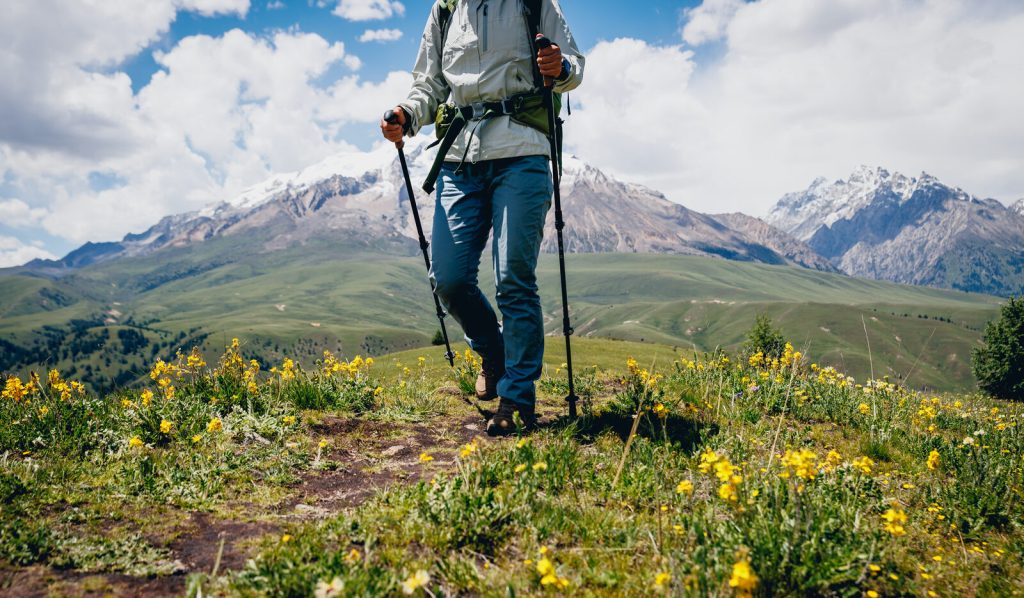
Hike all day: pacing, footing, and the Ten Essentials
Pacing, the rest step, blisters, fuelling, and the water mistake that mimics heat exhaustion. How to make a long hiking day feel good instead of grim.
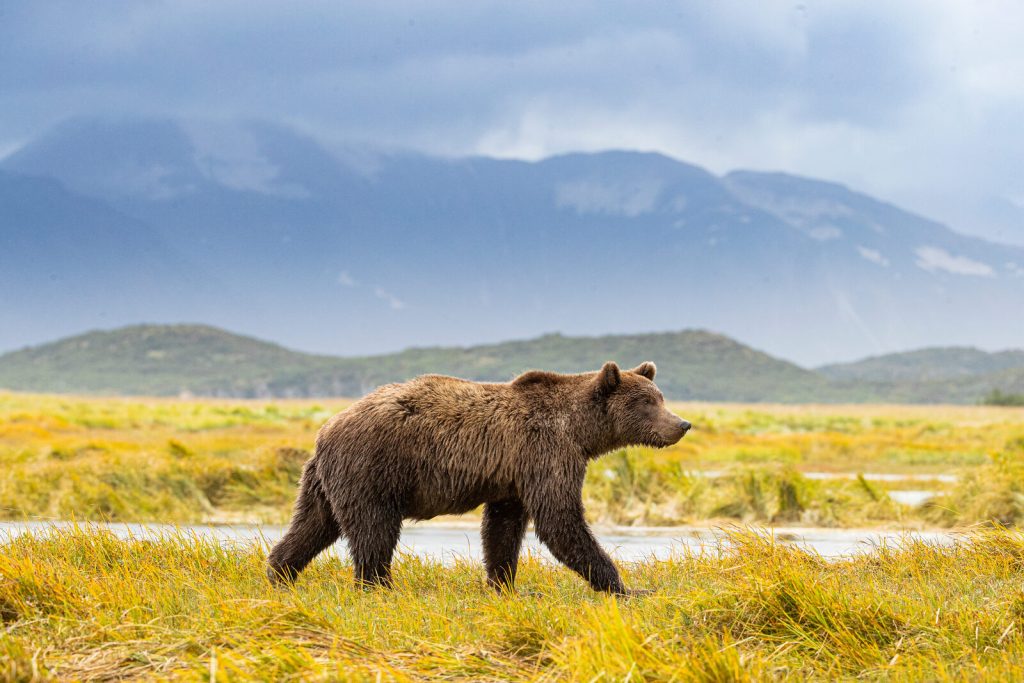
Avoiding and handling wildlife encounters
Bears, moose, bison, and mountain lions each need a different response, and some are opposites. How to avoid the encounter, read the animal, and act correctly…
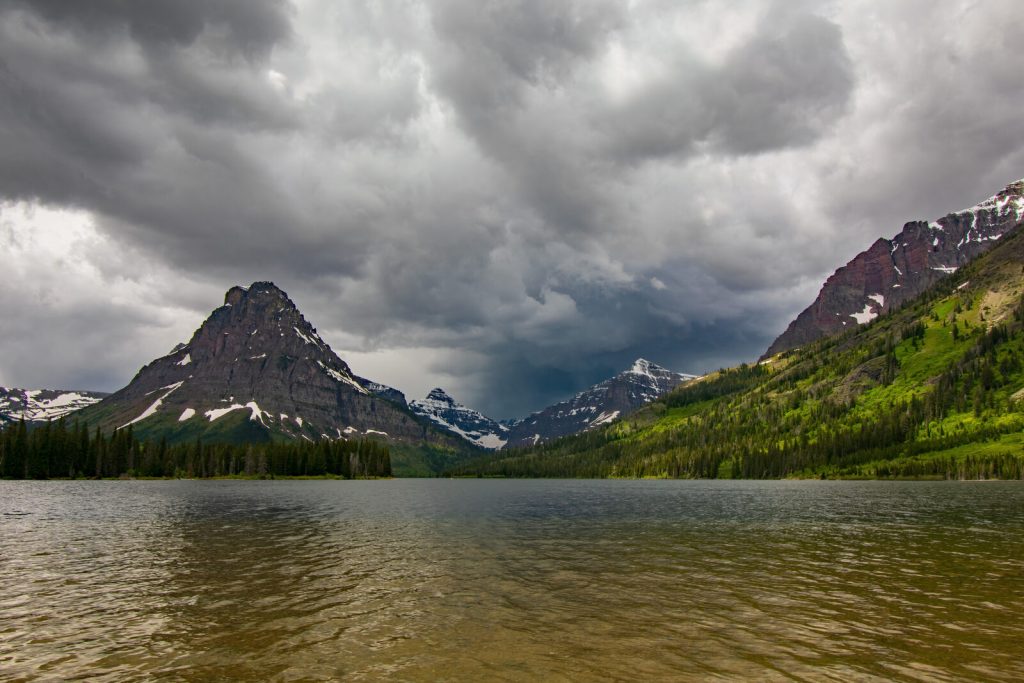
Reading backcountry weather and staying ahead of storms
How mountains make their own weather, how to read a forecast that actually applies to your route, and how to turn it into decisions while you…
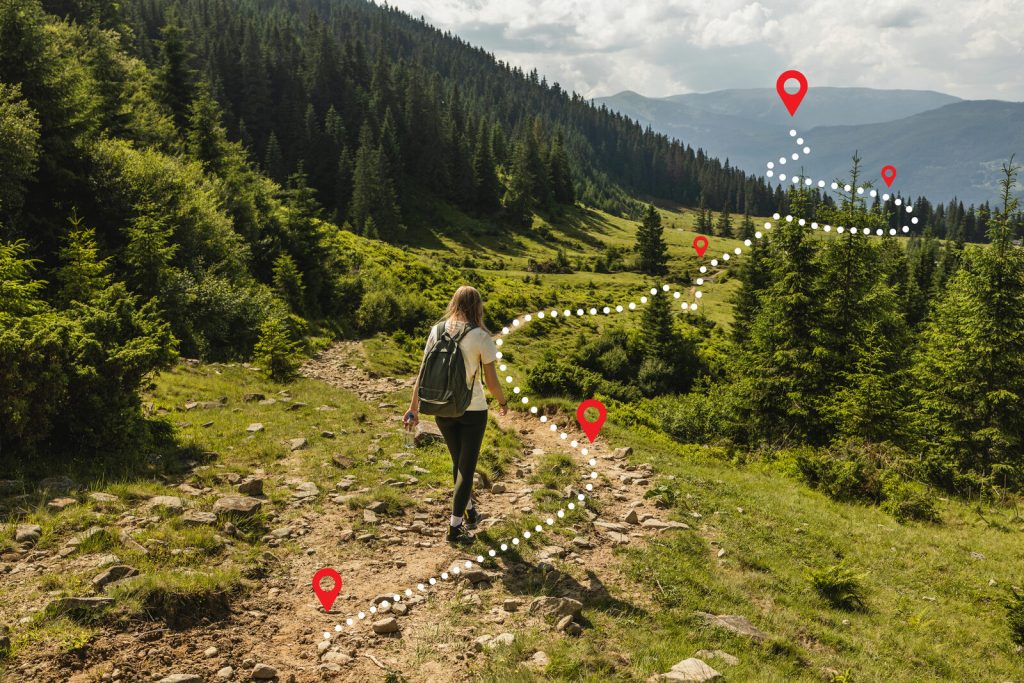
Map and compass navigation (and what to do when GPS fails)
A complete guide to map and compass navigation: reading contours and scale, setting declination, orienting the map, taking and following a bearing, fixing your position by…
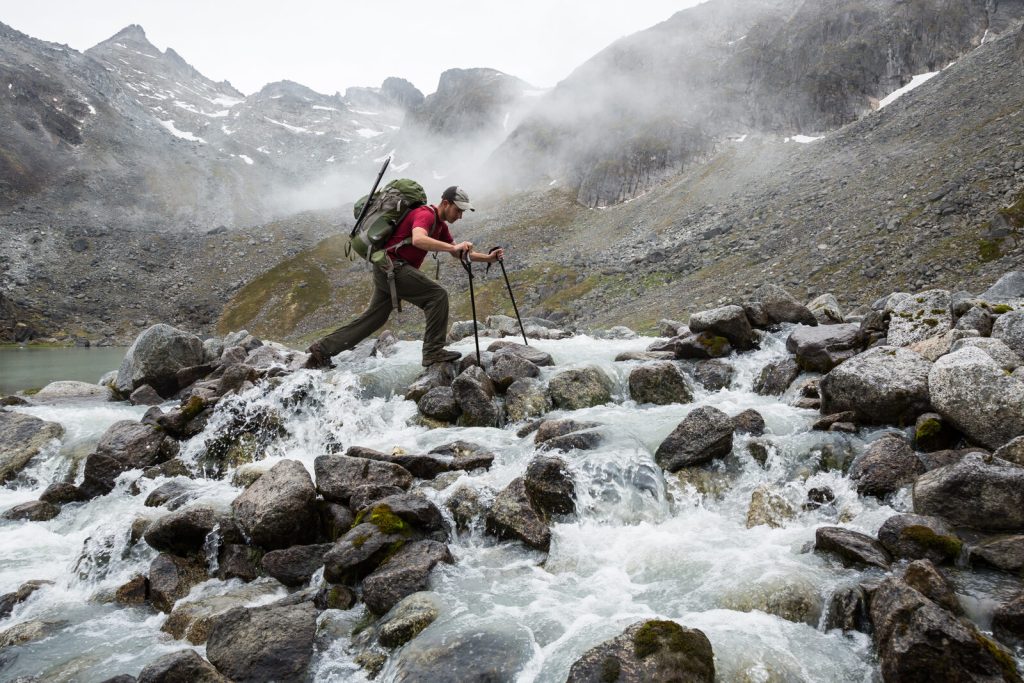
How to cross a river or stream safely
Force rises with the square of speed, which is why crossings fool people. How to judge one, time it, cross it, and recognise the one to…
Backcountry first aid: what to do in the first ten minutes
Help can be hours away, so the first minutes are yours. The order that saves lives: scene, bleeding, airway, breathing, warmth, then the evacuation decision.
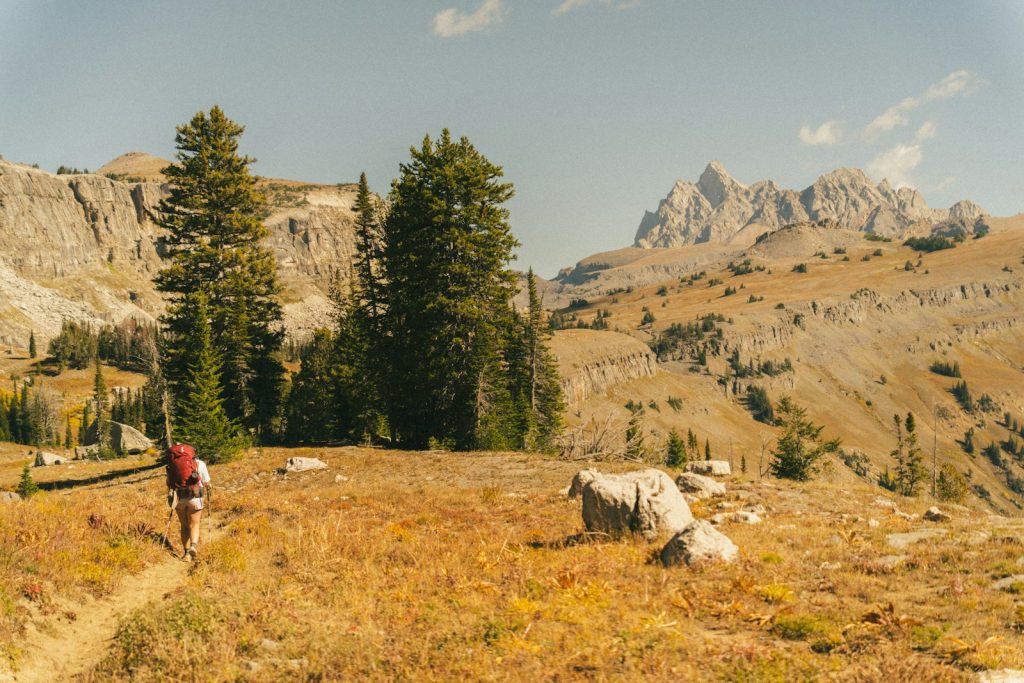
Know before you go: a pre-trip safety plan
Most backcountry emergencies are decided before anyone leaves the trailhead. The full pre-trip safety plan: leaving word with someone, researching the route, permits and closures, weather…
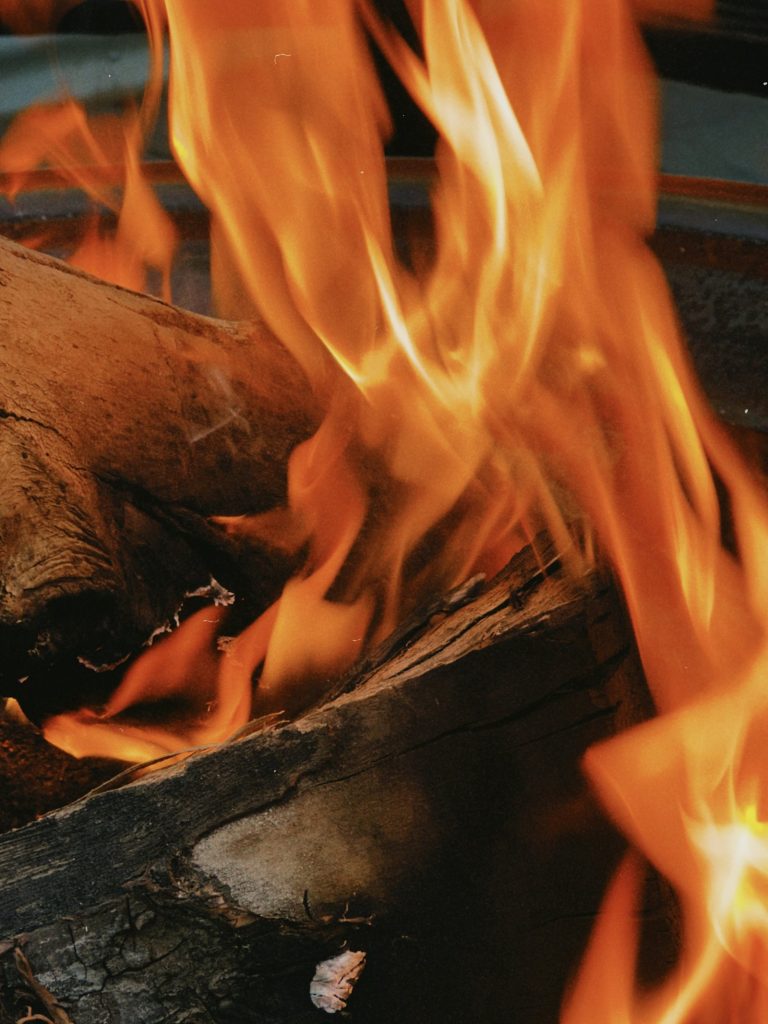
How to start a fire in any conditions
Build a fire when conditions fight you — no lighter, high wind, soaking wood, or deep snow. Every ignition method from a pocket kit to nothing…
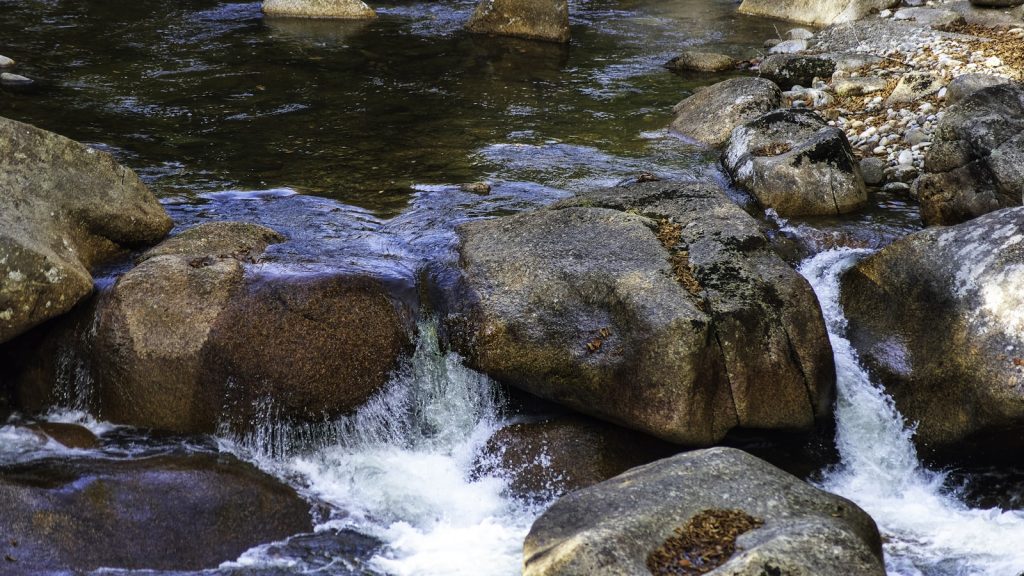
How to purify water in the backcountry
Boiling, filtering, chemicals and UV: what each one actually kills, which to use on which water, and the cryptosporidium gap that catches out hikers who carry…