
Backcountry hygiene and sanitation: staying healthy in the field
The thing most likely to cut a backcountry trip short isn’t a bear or a broken leg, it’s a case of diarrhea from dirty hands or bad water. In camp, hygiene isn’t fussiness; it’s the difference between staying healthy and spending three days weak, dehydrated, and miserable far from a bathroom. A little discipline about hands, water, food, and waste prevents the great majority of backcountry illness. This guide covers how to stay clean and healthy in the field: hand and body hygiene, safe food and water handling, foot and tooth care, and how to deal with human waste responsibly.
The underlying principle is that most wilderness illness is self-inflicted and preventable. It comes from germs you carry to your own mouth on unwashed hands, from contaminated water, or from a fouled campsite. Cleanliness is a survival skill: poor hygiene genuinely lowers your odds of a healthy trip, while a few consistent habits keep you strong. Prevention costs almost nothing and beats treating illness days from help. This rounds out our camping guides on setting up a safe campsite and staying warm at night, adding the piece that keeps you healthy enough to enjoy them.
Clean hands, the highest-value habit
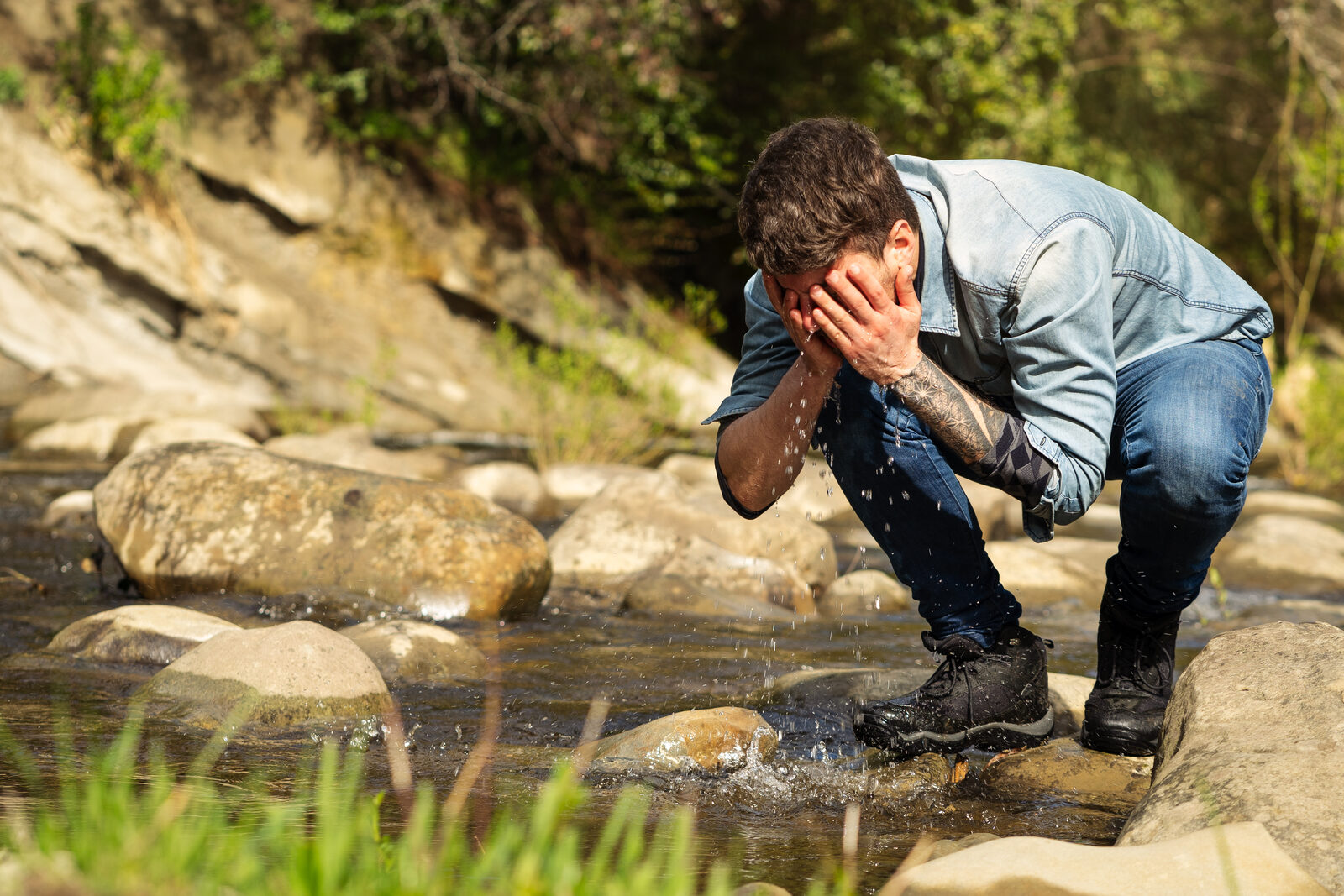
If you do one thing for backcountry health, it’s this: keep your hands clean and keep your fingers out of your mouth. Germs on your hands infect your food, your water, and any wound, and the mouth is the doorway. Wash your hands with soap and water, or use hand sanitizer, after using the toilet, after handling anything dirty, and before touching any food, cookware, or drinking water. Keep your fingernails trimmed short and clean, where grime and bacteria hide. This single habit prevents most of the stomach illness that ruins trips. Wash well away from water sources so soap and germs don’t wash back in.
Set up a handwashing routine
Make handwashing automatic: sanitizer clipped where you cook, and a wash before every meal and after every toilet trip. Most backcountry gut illness spreads on hands. The habit is nearly free and does more for your health than anything else in camp.
Water discipline
Contaminated water is a leading cause of backcountry illness, so treat all water from natural sources. Boil it, filter it, or use chemical treatment. No matter how clean it looks. Collect drinking water upstream of your campsite and any washing or toilet area, so you’re not drawing from your own contamination. Keep treated and untreated water clearly separate, and don’t let a dirty bottle mouth or dirty hands re-contaminate water you’ve already treated. Our full guide to purifying water in the backcountry covers each method and when to use it; a reliable filter like the Sawyer Squeeze and backup tablets cover most situations.
Food and dish hygiene
Foodborne trouble comes from spoiled food, dirty dishes, and cross-contamination. A few rules keep it at bay:
- Wash before you cook or eat , hands and, where you can, utensils.
- Keep dishes clean. Eating from dirty dishes and shared utensils spreads illness through a group fast. Wash them after use with hot water, and let them air-dry.
- Cook meat and questionable food thoroughly. Undercooked meat and raw foods carry parasites and bacteria; thorough cooking is your defense.
- Don’t share personal utensils or bottles in a group, especially if anyone is unwell.
- Wash dishes away from water sources and strain out food bits to pack out; scatter the grey water well away from camp and streams.
Storing food properly also keeps animals out of camp. See our guide to protecting your food from wildlife.
Human waste and the cat hole
This is the short version; for the full method, including group latrines, packing waste out where it is required, and handling toilet paper and urine, see our complete guide to dealing with human waste and building a latrine.
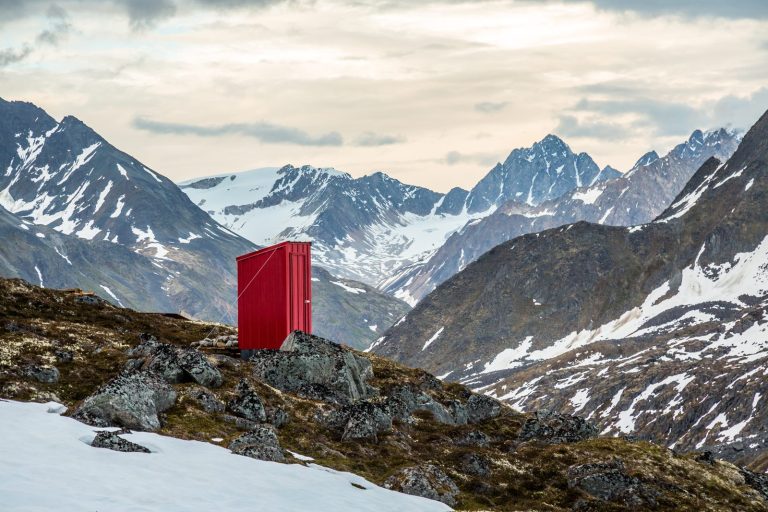
Handling human waste correctly protects both your health and everyone downstream, buried or fouled waste near camp or water is a direct route to illness. Where toilets or established latrines exist, use them. Where they don’t, the standard is the cat hole:
- Go at least 200 feet (60 m) (about 70 steps) from water, camp, and trails.
- Dig a hole 6 to 8 inches (15 to 20 cm) deep with a trowel, do your business, and cover it completely with soil, disguising the spot.
- Pack out toilet paper and hygiene products in a sealed bag. Buried paper gets dug up by animals and is slow to break down. In heavily used, alpine, desert, or river corridors, pack out solid waste entirely using a WAG bag where required.
- Wash your hands afterward, every time. This is where the cat hole and the handwashing habit meet.
Never soil the ground around camp with urine or feces, and keep the whole site clean. Good waste practice is core Leave No Trace as well as basic health.
Keep waste far from water
Human waste near a stream or lake contaminates the water for you and everyone downstream and spreads disease. Always dig cat holes and wash at least 200 feet (60 m) from any water source, and collect your drinking water upstream of camp.
Staying clean without a shower
You don’t need a hot shower to stay healthy. You need to keep the trouble spots clean. A daily wash with a cloth and a little soapy water, paying special attention to your feet, armpits, groin, hands, and hair, prevents most skin infections and rashes; these are the prime areas for chafing and infection. When water is scarce, take an “air bath”: strip down as much as is practical and let sun and air clean your skin for an hour (watch for sunburn). Keep your clothing and sleeping bag as clean as you can. Wear clean, dry socks and underclothing, and air out or sun your bag and layers when you can’t wash them. Dirty, damp clothing breeds skin problems and loses its warmth.
Foot care
Your feet carry the whole trip, and foot problems end more hikes than almost anything. Wash and, if you can, massage your feet daily, and put on clean, dry socks. Carry spares in a waterproof bag and dry damp socks against your body or by the fire. Prolonged wet, cold feet lead to painful trench foot, so keeping feet dry is a real priority. Trim toenails straight across, and check daily for hot spots and blisters. Treat a hot spot before it becomes a blister by taping it; leave an intact blister alone and pad around it, and treat a burst one as an open wound. Our guide to hiking all day covers blister prevention and footwear in depth.
Teeth and small stuff
Clean your teeth at least once a day. Without a toothbrush, improvise: fray the end of a green twig into a chewing stick, or wrap a clean strip of cloth around a finger to wipe your teeth, using a little baking soda, salt, or soap. Keep your hair clean and combed to deny lice and parasites a home. Small, boring maintenance like this prevents the low-grade problems, infected gums, skin sores, chafing. That quietly grind down morale and health over a long trip.
Rest and recovery
Rest is part of hygiene, because a worn-down body gets sick and injured more easily. Build in regular rest, even ten minutes an hour of real rest during hard days helps, and get enough sleep. Fatigue, poor food, and dehydration all make you more vulnerable to illness, cold injury, and bad decisions, so eat adequately, drink enough, and don’t run yourself into the ground. Alternating physical and mental tasks can refresh you when full rest isn’t possible. A rested, fed, clean, hydrated hiker shrugs off the small stuff that lays out a depleted one.
Common mistakes
- Skipping handwashing. Dirty hands cause most backcountry gut illness. Wash or sanitize before eating and after the toilet, every time.
- Trusting clear water. Clean-looking water still carries pathogens. Treat all of it, and collect upstream of camp.
- Fouling near water or camp. Waste and washing too close to water spread disease. Keep both 200 feet (60 m) away.
- Neglecting feet. Wet, dirty feet and ignored hot spots end trips. Wash daily, dry your socks, treat hot spots early.
- Sleeping in dirty, damp clothes. They cause skin problems and don’t keep you warm. Keep a clean, dry set for sleep.
- Running on empty. Exhaustion invites illness and injury. Rest, eat, and hydrate deliberately.
What to carry
- Hand sanitizer and biodegradable soap . The cheapest illness insurance in your pack.
- A water filter and tablets . To treat every drop you drink.
- A trowel and sealable bags , for cat holes and packing out toilet paper and hygiene waste.
- Spare dry socks in a waterproof bag , the foundation of foot care.
- A small toiletry kit , toothbrush, a wash cloth, foot powder, and blister care.
- A first aid kit , for the cuts, blisters, and rashes hygiene doesn’t fully prevent.
Learn to purify backcountry water
Key takeaways
Backcountry health is mostly won with small, dull habits done consistently. Keep your hands clean and out of your mouth, treat all your water and collect it upstream, keep dishes and food clean, and handle waste in a cat hole 200 feet (60 m) from water. Wash the trouble spots daily, care for your feet, brush your teeth, and rest enough to stay strong. None of it is glamorous, but together these habits prevent the diarrhea, skin infections, and foot problems that quietly end far more trips than any dramatic hazard. Stay clean, stay healthy, and stay out longer.
Adapted in part from the U.S. Army Survival Field Manual (FM 3-05.70 / FM 21-76), Chapter 4, “Requirements for the Maintenance of Health” (personal hygiene, hands, feet, teeth, water discipline, and keeping a clean campsite), combined with modern Leave No Trace sanitation practice (cat holes and packing out waste).
Wilderness Experts is reader-supported. As an Amazon Associate we earn from qualifying purchases; when you buy through links on our site we may earn a commission at no extra cost to you. It never changes what we recommend.