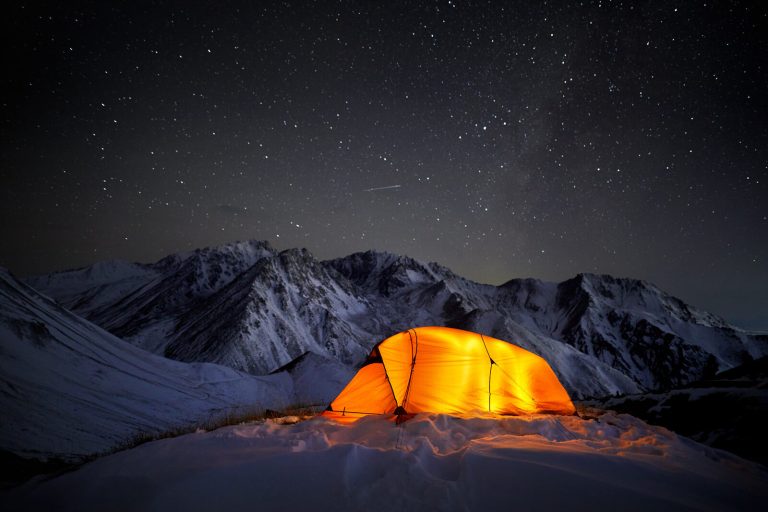


Leave No Trace: the seven principles, explained
The wild places we love stay wild only because most people who visit them leave almost no sign they were ever there. Leave No Trace is the simple ethic behind that. Seven plain principles that let millions of us hike, camp, and explore without loving the backcountry to death. Learn them once and they become second nature: you take only photos, leave only footprints, and the next person finds it as untouched as you did.
Leave No Trace is not a set of rules handed down by rangers; it is a framework of practical judgment developed by the Leave No Trace Center for Outdoor Ethics and taught worldwide. The heart of it is seven principles. None of them is complicated, and together they cover almost every decision you make outdoors, where to step, where to camp, what to do with waste, whether to light a fire, and how to treat wildlife and other people. Here is what each one means and how to actually do it.
1. Plan ahead and prepare
Good ethics start before you leave home. Know the rules and conditions of the area you are visiting, permits, fire bans, group-size limits, and seasonal closures exist to protect fragile ground and wildlife. Prepare for the weather and terrain so you are never forced into a damaging emergency choice, like cutting boughs for shelter or building a fire you did not plan. Repackage food into reusable containers to cut down on trash, and bring what you need to handle waste (bags, a trowel) so you are not caught improvising. Small groups leave less impact than large ones, so split big parties up. Preparation is the principle that makes all the others possible. See our guide to a pre-trip safety plan.
2. Travel and camp on durable surfaces
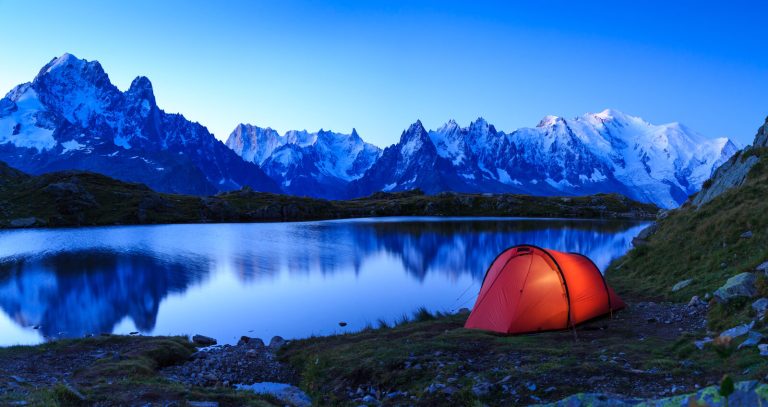
Every footstep and tent site leaves a mark; the trick is to put that wear where the land can take it. On the trail, stay on the trail , walk single file in the middle, even through mud, rather than widening the path or braiding new ones around puddles. Camp on durable surfaces: established sites, rock, gravel, dry grass, or snow, and at least 200 feet (60 m) (about 70 adult steps) from lakes and streams so you do not trample the fragile shoreline or foul the water. In popular areas, concentrate use on existing trails and campsites; in truly pristine, trail-less country, do the opposite. Spread out so no single path or pad forms. Never dig trenches around a tent or clear vegetation for a “better” site. Choosing a good, durable spot is the core of setting up a responsible campsite.
3. Dispose of waste properly
For the complete how-to, see our guide to dealing with human waste and building a latrine.
The rule is blunt: pack it in, pack it out. Everything you carry in, food scraps, wrappers, hygiene items, even micro-trash like bottle caps and bits of foil, comes back out with you. There is no such thing as “it will decompose”; orange peels and pistachio shells last for years and teach animals to associate people with food.
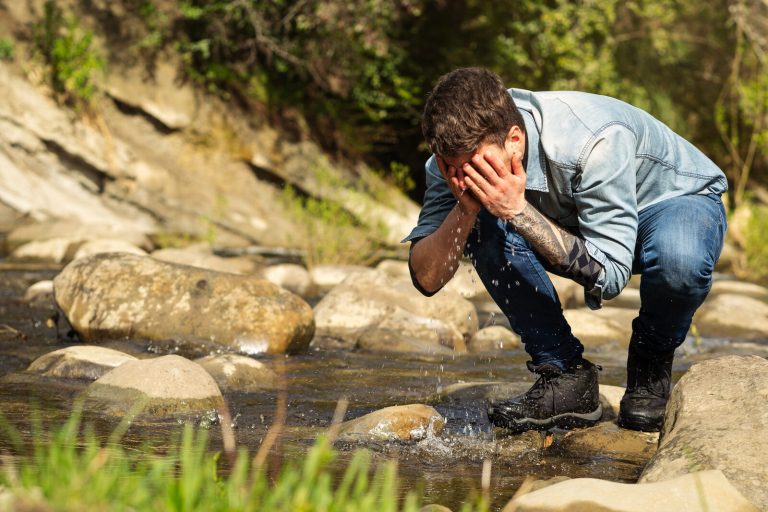
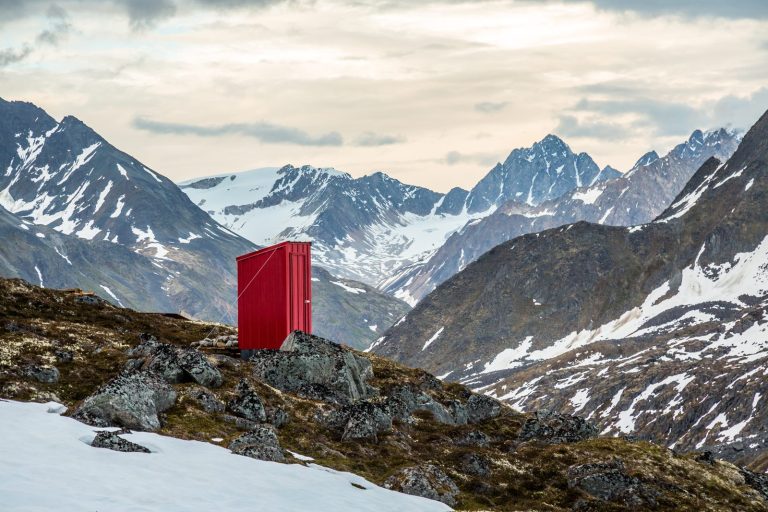
Human waste is the part people get wrong most. Where there is no toilet, bury solid waste in a cathole 6 to 8 inches (15 to 20 cm) deep, at least 200 feet (60 m) from water, trails, and camp, and cover and disguise it when you are done, a proper backpacking trowel makes this easy. Pack out toilet paper and hygiene products in a sealable bag; in alpine, desert, canyon, and heavily used areas, increasingly you must pack out solid waste too. To wash yourself or dishes, carry water 200 feet (60 m) from the source and use little or no biodegradable soap, then scatter the strained water. Our guide to backcountry hygiene and sanitation covers the how-to in detail.
4. Leave what you find
Let the place stay whole for the next person and the ecosystem. Leave rocks, plants, antlers, artifacts, and wildflowers where they are . Picking and pocketing adds up fast across thousands of visitors, and removing cultural or historic items is often illegal. Do not carve initials into trees, hammer nails into trunks, or build unnecessary structures, furniture, or rock cairns. Avoid transplanting or introducing anything, and clean your boots and gear between trips so you do not spread invasive seeds. If you move a rock or a log to sit, put it back. The goal is that no one can tell where you stopped.
5. Minimize campfire impacts
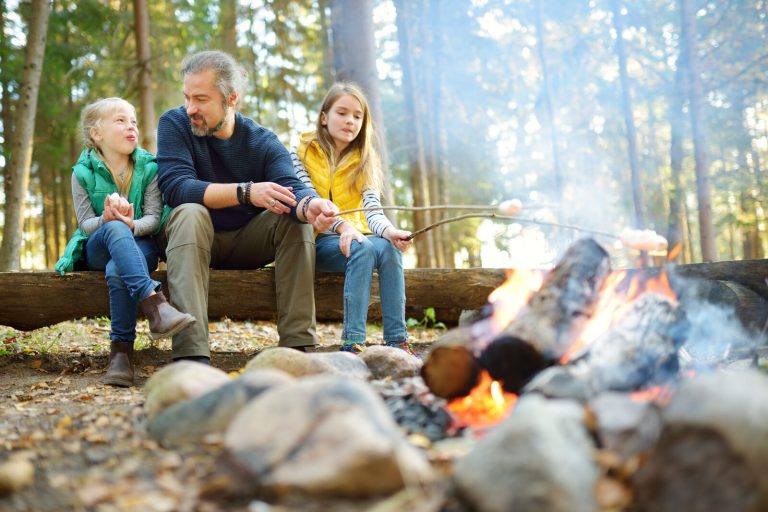
A campfire is a real impact, scorched ground, sterilized soil, stripped deadwood, and wildfire risk, so the first question is whether you need one at all. A lightweight stove cooks faster and cleaner, and good insulation and clothing keep you warm without flames. If you do build a fire, obey any fire ban, use an existing fire ring, a fire pan, or a mound fire rather than scarring new ground, and keep it small. Burn only downed, dead wood you can break by hand . Never snap branches off living or standing dead trees, which are habitat. Burn the wood fully to white ash, then drown the fire, stir, and drown again until it is cold to the touch before you leave or sleep, and scatter the cool ashes. Our guide to building (and safely extinguishing) a fire walks through the technique.
6. Respect wildlife
You are a visitor in their home. Observe animals from a distance and never approach, follow, or crowd them, if your presence changes their behavior, you are too close. Never feed wildlife, deliberately or by accident: human food harms their health, alters natural behavior, and creates dangerous, food-conditioned animals that often end up killed. Store food, trash, and scented items securely, in a bear canister, hung bag, or locker, so you do not train animals into camp; see protecting your food from wildlife. Keep pets leashed and under control, and give animals extra space during sensitive times like mating, nesting, and winter. Knowing how to share ground with animals safely is its own skill. See handling wildlife encounters.
7. Be considerate of other visitors
The last principle is about people. Others came for the same quiet and beauty you did, so protect their experience: keep noise down, leave the speaker at home, and let natural sounds prevail. Yield thoughtfully on the trail. Downhill hikers generally give way to those climbing, and everyone steps to the downhill side for horses and stock. Take breaks and camp away from the trail and out of sight of others where you can, and choose gear and clothing colors that blend in rather than dominate a view. Be friendly, share the space, and keep group sizes small. Courtesy costs nothing and is a real part of leaving no trace.
Key takeaways
Leave No Trace comes down to a habit of mind: move through wild country as a respectful guest, and leave every place at least as good as you found it. Plan ahead, stay on durable ground, pack out everything and bury waste properly, take only pictures, keep fires small or skip them, give wildlife room, and look out for the people around you. None of it is hard, and once it is second nature you stop thinking of it as rules and start seeing it as simply how you travel. Do it every trip, teach it to the people you bring along, and the wild places stay wild for the next person, and for the you of ten years from now.
Based on the Seven Principles of Leave No Trace, developed and maintained by the Leave No Trace Center for Outdoor Ethics (LNT.org). The Seven Principles framework is used here to summarize established outdoor-ethics practice.
Wilderness Experts is reader-supported. As an Amazon Associate we earn from qualifying purchases; when you buy through links on our site we may earn a commission at no extra cost to you. It never changes what we recommend.