
Lost in the wild: stay calm, stay put, stay alive
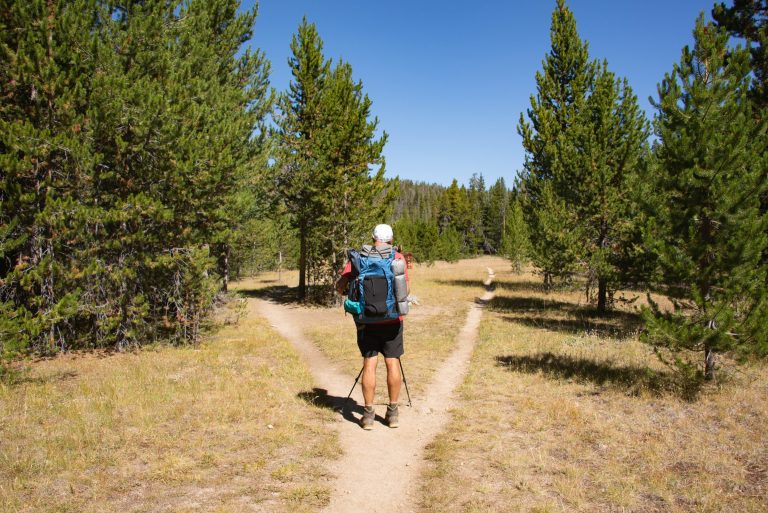
The most important survival skill isn’t fire or shelter; it’s the ability to stop, calm down, and think. What to do the moment you realize you’re lost, using the STOP method and the will to survive.

Plan smart and stay out of trouble: routes, weather, and the essentials.
The most important survival skill isn’t fire or shelter; it’s the ability to stop, calm down, and think. What to do the moment you realize you’re lost, using the STOP method and the will to survive.
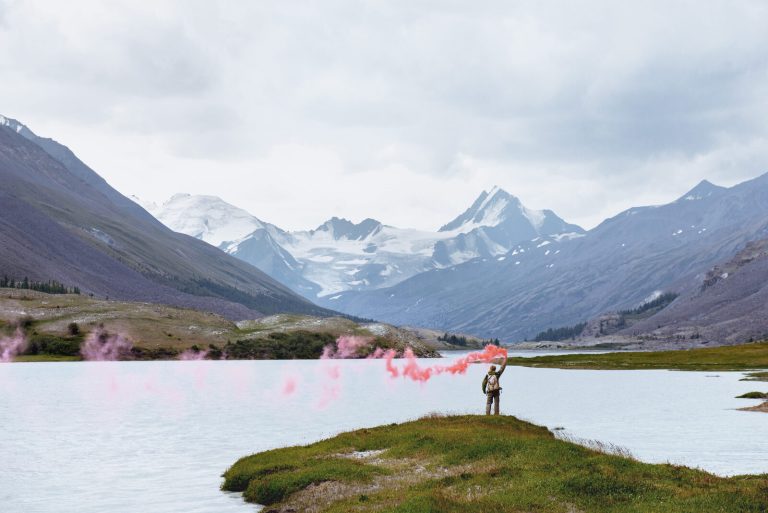
Staying alive is only half the job in a backcountry emergency; the other half is being found. How to signal for rescue with everything from a satellite beacon to a polished belt buckle, in wind, fog, forest, and dark.
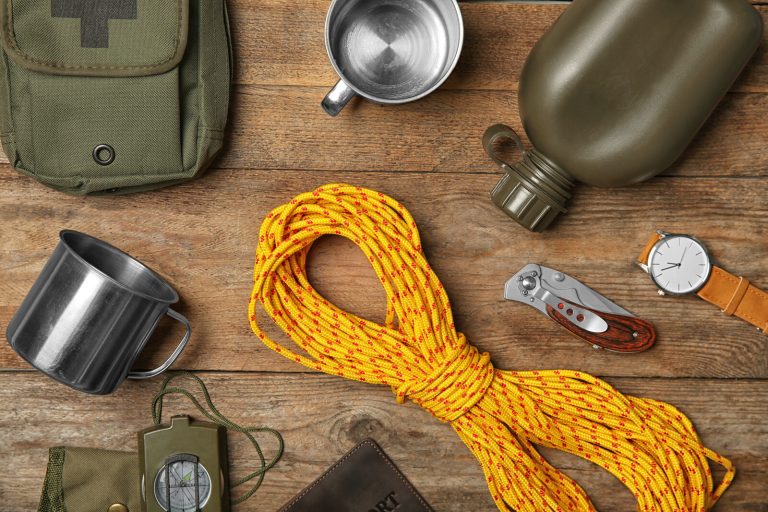
The best survival kit is the one you have on you. How to build a light, need-based kit — fire, water, first aid, signaling, navigation — that rides in your pack on every trip.
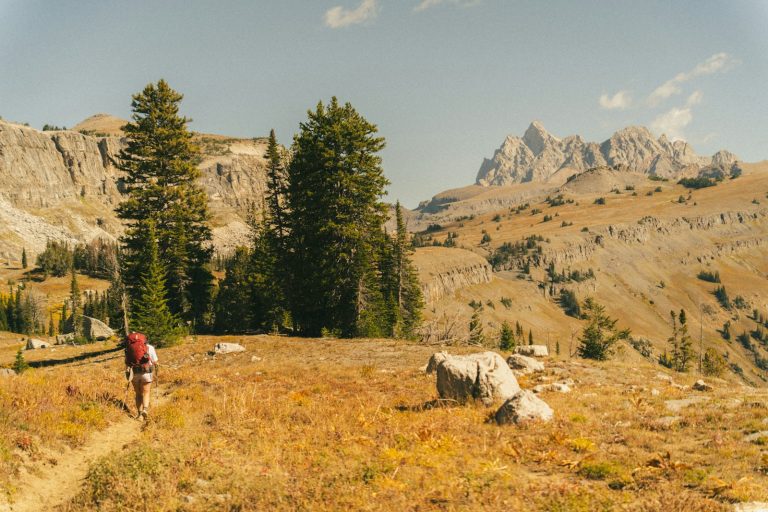
Most backcountry emergencies are decided before anyone leaves the trailhead. The full pre-trip safety plan: leaving word with someone, researching the route, permits and closures, weather and daylight, matching the trip to your party and your skills, the essentials, a communication plan, and the turnaround rules that get you home.