
Lost in the wild: stay calm, stay put, stay alive
The moment you realize you’re lost, your body betrays you. Your heart rate climbs, your thinking narrows, and every instinct screams at you to move. Walk faster, push on, get out. That surge of panic is what turns a minor navigation error into a genuine emergency, because a frightened person makes fast, bad decisions. The single most important survival skill isn’t fire or shelter; it’s the ability to stop, calm down, and think. This guide covers what to do the moment you’re lost, using the STOP method, and how to manage the fear that comes with it.
The underlying principle is that your mind is your first survival tool, and panic is its first enemy. Most people who get into serious trouble aren’t beaten by the wilderness, they’re beaten by their own reaction to it, wandering further from their route, burning energy, and abandoning good judgment. The good news is that fear is a natural, manageable reaction, and a simple, deliberate response defeats it. Having the will to survive and the discipline to slow down matters more than any piece of gear. This works hand in hand with a solid pre-trip safety plan, which is what makes staying put a winning move.
The STOP method
The instant you suspect you’re lost, do not take another step. Use the word STOP:
- S, Stop. Stand still. Sit down if you can. The urge to keep moving is exactly what you must resist. Every step taken while disoriented usually makes things worse and makes you harder to find.
- T. Think. When did you last know where you were? What landmarks have you passed? Which direction were you heading? Don’t act yet. Just gather what you know.
- O, Observe. Look at your map, compass, or GPS. Study the terrain, the sun’s position, drainages, and ridgelines. Check your gear, water, food, and the daylight remaining.
- P. Plan. Only now decide what to do, based on facts rather than fear. Often the best plan is to stay where you are, make yourself findable, and wait.
Sit down and drink some water
The physical act of sitting, taking a drink, and eating a snack does more than rest you. It interrupts the panic response and gives your rational mind a chance to take over. Give yourself ten minutes before you decide anything.
Why panic is the real danger
Fear and panic are the greatest enemies in any survival situation. When they take over, they destroy your ability to make an intelligent decision. You react to your imagination instead of your situation, drain your energy, and pile bad choices on top of each other. A confident, capable person can be transformed into an indecisive one by unmanaged stress in a matter of minutes.
Understand what’s happening in your body so you can master it. When you perceive danger, your system floods with the “fight or flight” response: heart pounding, breathing fast, muscles tense, senses sharp. That reaction is useful for a moment of real threat, but you can’t sustain it, and left unchecked it tips into confusion and poor judgment. The way out is to recognize it for what it is, a normal reaction to an unusual situation, and deliberately slow your breathing and your decisions. There is no shame in feeling afraid; the skill is functioning anyway.
Stay put, or move?
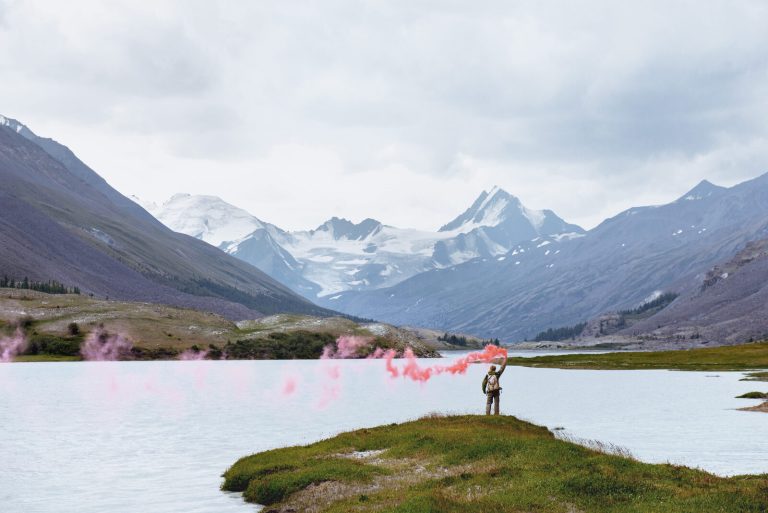
In most cases, if you told someone your plan and your return time, the right choice is to stay where you are and make yourself easy to find. A stationary person in an open spot with signals out is far easier for searchers to locate than a moving target crashing through the forest. Staying put also stops you getting more lost and conserves the energy and water you’ll need.
Consider moving only when staying put is clearly worse: no one knows where you are and no search will come, your spot has no water or shelter and a better one is in sight, or you can plainly see a road, trailhead, or major drainage to follow. If you do move, go slowly, mark your route as you go (cairns, arrows, broken branches), and follow a handrail like a stream downhill, but never at the cost of getting more disoriented. When in doubt, stay put and signal. Our guide to signaling for rescue covers how to be seen and heard.
Don't walk after dark or when exhausted
Most navigation errors and injuries compound when you’re tired and can’t see. If night is coming or you’re worn out, stop, shelter, and wait for daylight and a clear head. Pushing on in the dark is how a lost hiker becomes an injured one.
Set your priorities in order
Once you’ve calmed down and made a plan, work your survival priorities in the order that keeps you alive longest. In most conditions that means: first aid for any injury, then shelter from wind and cold or sun, then fire, then signaling, then water, and food last. Adjust to your situation, in cold or wet weather, shelter and fire jump to the top because exposure can kill in hours, while you can go days without food. If you’re hurt, first aid comes before everything. Handle each need in turn instead of trying to fix everything at once; steady, deliberate action is what a calm mind buys you. See our guides to emergency shelter, backcountry first aid, and purifying water.
Managing fear, and the will to survive
Beyond the first hour, the mental battle continues, and the will to keep going is what carries people through. Expect a range of feelings, fear, anxiety, frustration, anger, loneliness, even moments of despair. These are normal reactions to an abnormal situation, not signs of weakness, and channeled properly they can sharpen you. A few things genuinely help:
- Keep busy with purpose. Building shelter, gathering wood, and improving your signals occupies your mind and rebuilds your sense of control. Idleness feeds fear.
- Be realistic, stay positive. See the situation as it is, not as you wish, and then look for what you can do. “Hope for the best, prepare for the worst” beats both false cheer and despair.
- Break it into small wins. Reaching help can feel impossible; getting a fire lit is not. Stack small successes and let them build momentum.
- Slow your breathing. A few minutes of slow, deliberate breaths physically lowers the panic response and clears your thinking.
- Remember what’s at stake. Picture the people waiting for you. The refusal to give up. The will to survive. Is the single trait most linked to coming through.
Getting through the first night
If rescue won’t come before dark, accept the night early and prepare while you still have light. Build or find shelter, insulate yourself from the ground, get a fire going for warmth and morale, and put out signals for the morning. It will likely be uncomfortable, but discomfort isn’t danger, a person who is dry, off the cold ground, and out of the wind can get through a hard night and think clearly at dawn. Our guides to staying warm through a cold night and building an emergency shelter cover the details.
If a child is lost
Teach children the same core rule before they ever need it: if you’re lost, stop, stay put, and stay warm. A child who keeps walking is far harder to find. Tell them it’s okay to be scared, that people will come looking, and that hugging a tree and staying in one place is the job. A whistle on their pack and instructions to blow three blasts and answer any voice calling their name can make the difference, children sometimes hide from searchers out of fear, so reassure them in advance that the people calling are friends.
Preventing it next time
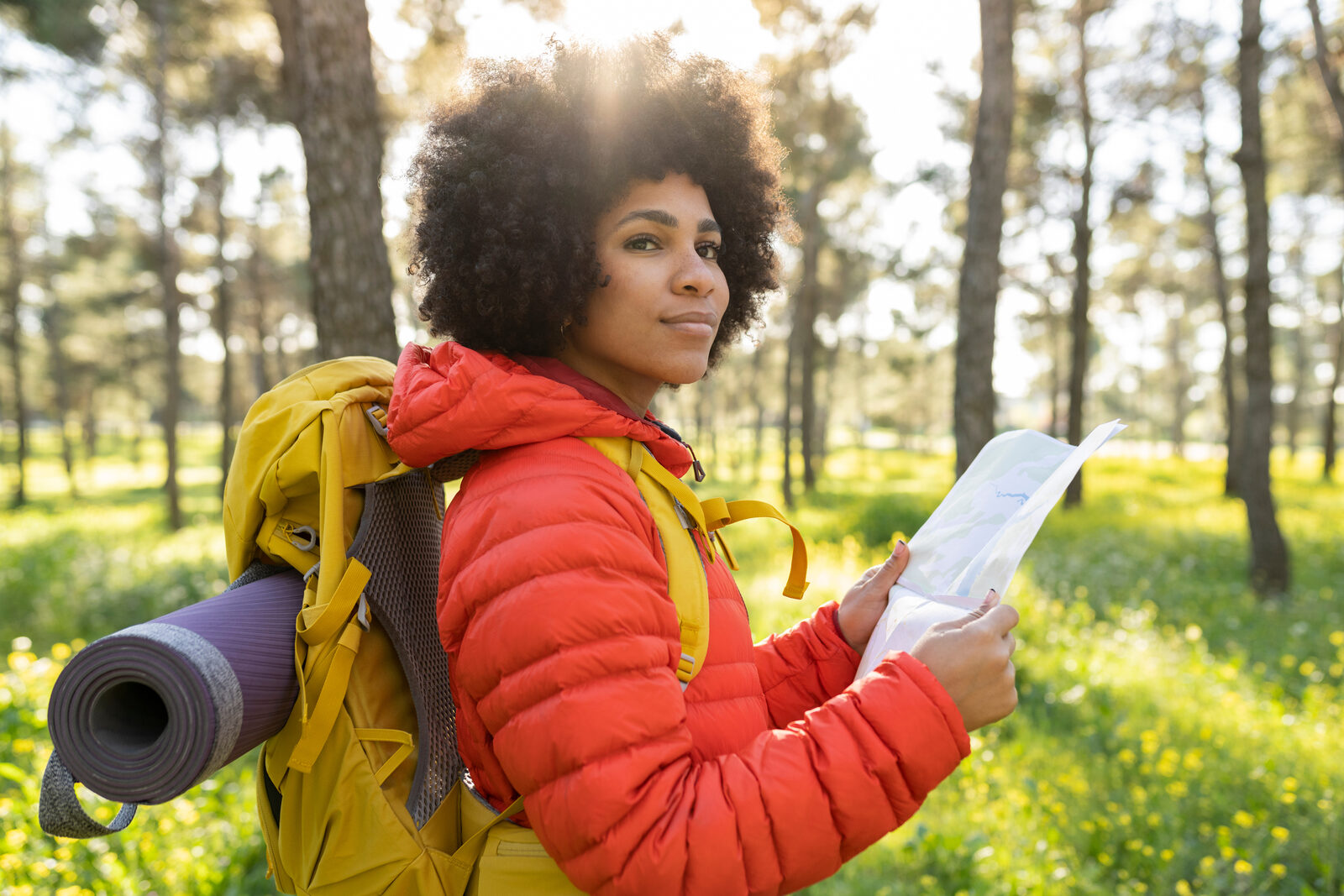
The best time to deal with being lost is before it happens. Always know roughly where you are, glance at your map and relate it to the terrain, not just your GPS. Note landmarks as you pass them so you can backtrack. Don’t rely on a single electronic device; carry a map and compass and know how to use them, and make sure more than one person in the group can navigate. Turn back with plenty of daylight to spare. Training and preparation are what turn fear of the unknown into confidence. See our guides to map and compass navigation and finding direction without a compass.
Common mistakes
- Walking faster when the panic hits. The instinct to move is the trap. Stop first, every time.
- Wandering in search of the trail. Random movement gets you more lost and harder to find. Stay put and signal.
- Ignoring the fear instead of managing it. Name it, breathe, and act deliberately. Pretending you’re fine tends to fail under pressure.
- Leaving nothing about your plans behind. Staying put only works if someone will come. Always leave a trip plan.
- Pushing through darkness or exhaustion. Shelter and wait. A clear-headed morning beats a reckless night.
What to carry
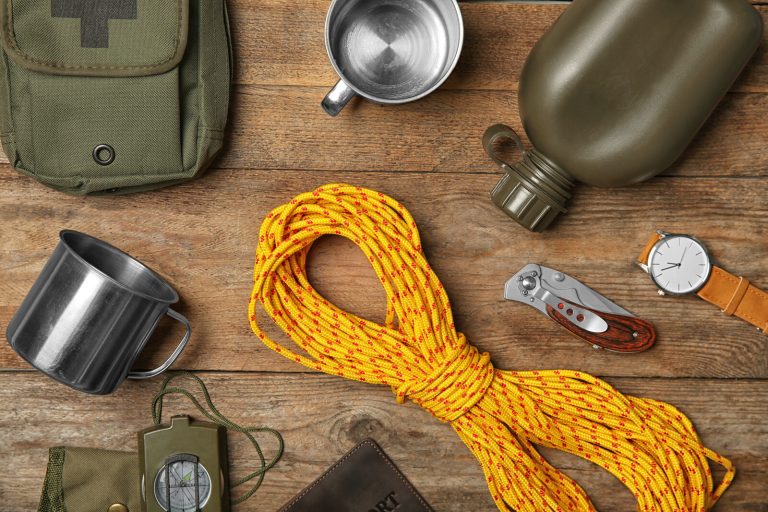
- A map and compass , plus the skill to use them, so you can re-locate yourself instead of guessing.
- A whistle and signal mirror . To make yourself findable the moment you stop.
- A satellite messenger , to tell rescuers exactly where you are and that you’re safe but stuck.
- Fire-starting tools and an emergency blanket or bivy , for warmth, morale, and getting through an unplanned night.
- Extra water, food, and layers . The buffer that lets you wait calmly instead of acting out of desperation; see the survival kit guide.
Build a survival kit you’ll actually carry
Key takeaways
When you realize you’re lost, the wilderness hasn’t beaten you yet. Your reaction will decide that. Stop walking, sit down, and let the panic pass. Think, observe, and only then plan. In most cases, staying put, sheltering, and signaling is the move that gets you found fastest and safest. Manage your fear by keeping busy, staying realistic, and refusing to give up. The will to survive is the thing that carries people through. Master your mind first, and everything else you know how to do will actually get used.
Adapted in part from the U.S. Army Survival Field Manual (FM 3-05.70 / FM 21-76), the SURVIVAL guidelines (Chapter 1) and “Psychology of Survival” (Chapter 2) on managing fear, panic, and the will to survive, combined with the widely taught STOP method from modern search-and-rescue practice.
Wilderness Experts is reader-supported. As an Amazon Associate we earn from qualifying purchases; when you buy through links on our site we may earn a commission at no extra cost to you. It never changes what we recommend.