
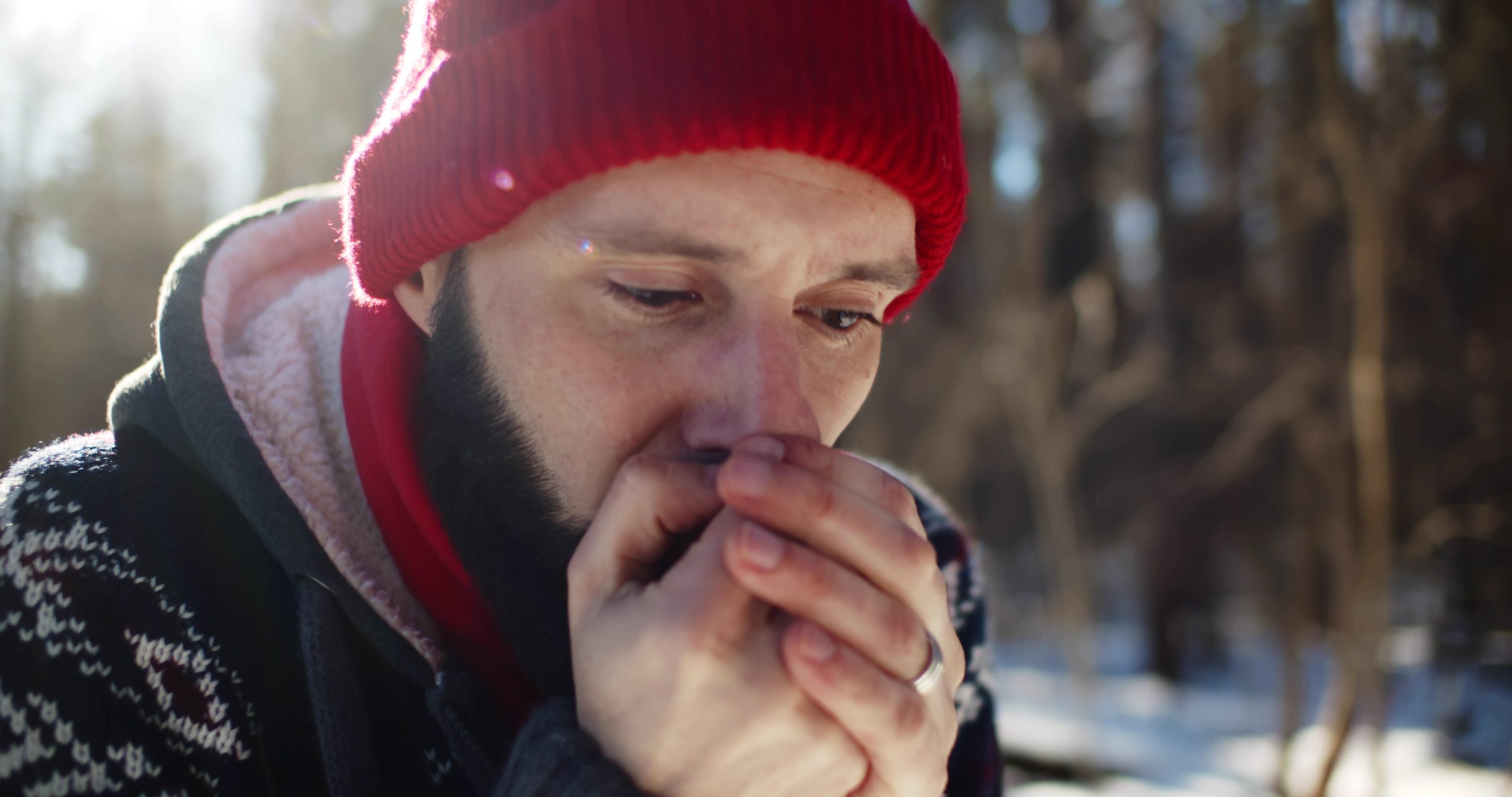
Frostbite, frostnip, and trench foot: treating cold injury in the field
Cold does not have to drop your whole body temperature to do permanent harm. Long before hypothermia sets in, the parts of you farthest from your heart, fingers, toes, ears, nose, and cheeks, can freeze or be damaged by cold and wet. That is localized cold injury: frostnip, frostbite, and trench foot. Frostnip is a warning you can reverse in minutes. Frostbite freezes the tissue itself and can cost you fingers or toes. Trench foot needs no ice at all, only cold, wet feet for hours. This guide covers how to tell them apart, how to treat each one correctly in the field, and the rewarming mistakes that turn a recoverable injury into a lasting one.
The rule that ties it all together is simple: cold pulls blood away from your extremities to protect your core, so your fingers and toes are always the first to suffer and the last to recover. Everything below follows from that. Protect circulation, keep the tissue dry and out of the wind, and when you rewarm, do it gently and completely, because a half-thawed part that freezes again is far worse than one left frozen until you reach safety.
Freezing versus non-freezing cold injury
Localized cold injury comes in two families. Freezing injuries happen when the tissue itself drops below freezing and ice crystals form in and around the cells, tearing them apart. Frostnip is the mild, surface form; frostbite is the deep, damaging one. Non-freezing injury is different: trench foot, also called immersion foot, develops when skin stays cold and wet for hours without ever freezing, until the circulation and nerves in the foot are damaged. All three share one cause, blood driven out of the extremities by cold, and all three strike the same places: toes, fingers, ears, nose, and cheeks.
Cold injury and hypothermia often travel together, because the same wet, windy, exhausting conditions produce both. Always check a cold-injured person for the whole-body signs of hypothermia too, and treat the life threat first: a falling core temperature is more dangerous than a frozen toe.
How to tell frostnip, frostbite, and trench foot apart
Reading the injury correctly decides the treatment, so learn the three pictures.
Frostnip. The skin turns white or gray and feels numb or prickly, but it is still soft and pliable when you press it. Nothing is frozen solid underneath. Frostnip most often hits ears, nose, cheeks, fingers, and toes, and it can blister or peel a day or two later like sunburn. It is the body’s early warning, and it is fully reversible if you act now.
Frostbite. The tissue is actually frozen. The skin looks white, gray-yellow, or waxy, feels numb, and, in deep frostbite, is hard and wooden to the touch rather than soft. It does not blanch or move when you press it. As it thaws it becomes red, swollen, and very painful, and blisters may form over the following hours. Deep frostbite can reach muscle and bone and is a limb-threatening emergency.
Trench foot. No freezing is involved. After hours in cold, wet footwear the foot turns pale, wrinkled, cold, and numb, sometimes mottled or blotchy. As it rewarms it flushes red and becomes intensely painful and swollen, and in bad cases blisters and open sores follow. Suspect it in any cool, wet setting, not just winter: a rainy shoulder-season trip in the 40s is prime trench-foot weather.
Numbness is the danger sign
The moment a finger, toe, ear, or foot goes numb in the cold, treat it as an injury in progress, not a minor annoyance. Numbness means circulation has already dropped far enough that the tissue can no longer warn you. Stop, get out of the wind, and warm the part before it worsens.
Treating frostnip: the reversible warning
Frostnip is the one cold injury you can fully fix in the field, and the fix is gentle warmth. Get the person out of the wind, then rewarm the skin with steady body heat: bare hands over cheeks and ears, cold fingers tucked into an armpit or against a partner’s belly, cold toes warmed skin-to-skin inside a shelter. A warm object such as a covered water bottle works too, as long as it is only warm, never hot on numb skin that cannot feel a burn.
Do not rub the area, and never rub it with snow, an old myth that abrades frozen skin and makes things worse. As frostnip rewarms it will sting, burn, and go red, which is a good sign that feeling is returning. Once it does, keep that spot covered and dry for the rest of the day, because skin that has been frostnipped once chills faster the second time. If it does not recover normal color and feeling, or if it stays hard, treat it as frostbite.
Treating frostbite in the field
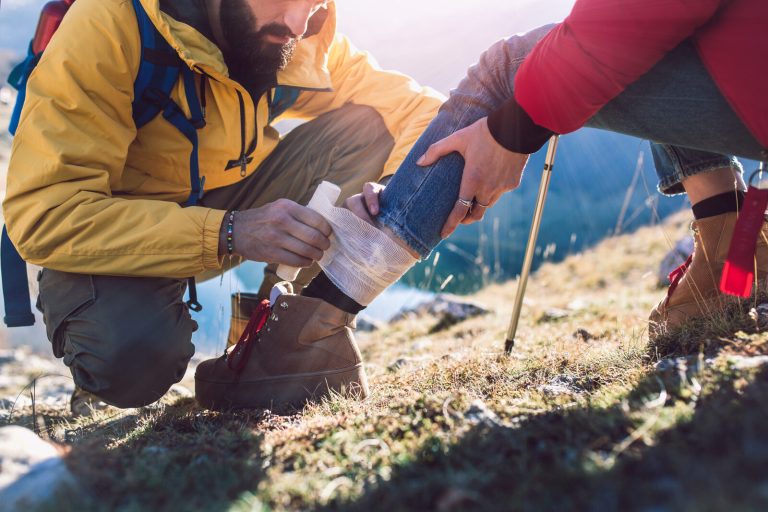
Frostbite is a true emergency, and your goal in the field is to protect the frozen part and get the person to definitive medical care. First, treat any hypothermia and get the whole person warm, dry, and sheltered. Remove anything constricting, rings, watches, and wet or tight boots, before swelling sets in, and gently pad and separate frozen fingers or toes with dry gauze. Give ibuprofen if you have it, which helps limit further tissue damage, and offer warm fluids.
If, and only if, you can keep the part thawed and warm all the way to help, rewarm it by immersion. The Wilderness Medical Society recommends rapid rewarming in a water bath held at 37 to 39°C (98.6 to 102.2°F), checked with a thermometer, until the tissue becomes soft and pliable, which takes roughly 30 minutes. Rapid warm-water rewarming gives better outcomes than slow warming. Keep the water in that range by adding warm water at the edge of the bath, never by pouring hot water directly onto the frozen part, which cannot feel a scald.
No fire, stoves, or engine heat
Never thaw frostbite against a fire, stove, heated rocks, or an exhaust manifold. Frozen, numb tissue cannot feel heat and burns easily, and a burn on top of frostbite is catastrophic. Warm water held at body temperature is the only safe field method. If you cannot manage a controlled warm-water bath, leave the part frozen and evacuate.
After thawing, the part will swell, redden, and hurt sharply, and blisters may appear. Leave blisters intact, dress the area loosely with dry sterile gauze, keep fingers and toes separated, elevate the limb, and protect it from any refreezing or pressure for the rest of the evacuation. Do not walk on a foot once it has been thawed.
The rewarming decision: when not to thaw
This is the judgment that separates people who understand frostbite from people who make it worse. A part that is thawed and then freezes again suffers far more damage than one that stays frozen until proper care. So if there is any real chance the part will refreeze before you reach safety, or if reaching safety means the casualty must walk out on frozen feet, do not thaw it in the field. It is safer to walk to help on a still-frozen foot than to thaw it, lose the ability to walk on it, and risk it refreezing on the way.
Thaw in the field only when you can finish the job: keep the part warm and protected, and not ask it to bear weight or face the cold again. Otherwise, splint the concern, insulate the part, and get moving toward care with it still frozen.
Trench foot and non-freezing cold injury
Trench foot is prevented and treated by one thing above all: dry, warm feet. It comes from hours of cold wet exposure, so the fix is to break that exposure. Get the boots and wet socks off, dry the feet carefully without rubbing, and rewarm them gradually in the warmth of the shelter or against a partner’s skin. Elevate them, keep them warm and dry, and put on dry socks. Do not massage the feet and do not apply direct heat, because damaged tissue burns and rough handling worsens it.
As feeling returns the feet often become very painful and swollen, which is expected. Serious trench foot needs medical care, but the field priorities are simple: warm, dry, elevated, and no more cold-wet exposure. On the trail, prevention is everything, change into dry socks whenever you can, air your feet at breaks, and never sleep in wet footwear.
What never to do
A handful of old habits do real harm to cold-injured tissue. Avoid every one of them.
- Don’t rub the area, and never rub with snow. Rubbing frozen or frostnipped skin tears the very tissue you are trying to save.
- Don’t use fire, stoves, or any hot surface to rewarm. Numb tissue cannot feel a burn, and a burn over frostbite is far worse than the cold injury alone.
- Don’t thaw a part that might refreeze before you reach safety. Frozen and left alone beats thawed and refrozen every time.
- Don’t break the blisters that form after thawing. Intact skin is a sterile barrier against infection.
- Don’t walk on a thawed foot. Once you have rewarmed it, it can no longer carry you out.
- Don’t drink alcohol or smoke. Alcohol speeds heat loss and clouds judgment, and nicotine narrows the very blood vessels feeding the injured part.
Preventing cold injury
Cold injury is far easier to prevent than to treat, and prevention is mostly about keeping blood flowing to your extremities. Dress in a layered system that stays dry, and learn what works in each condition in our guide to what to wear in the bush. Keep hands and feet dry, carry spare socks and gloves, and change into dry ones the moment the pair you are wearing gets wet. Make sure boots and gloves are not so tight they cut off circulation, a common hidden cause of cold toes and fingers. Keeping snow out of your boots and managing sweat on a hard climb are covered in winter hiking.
Keep moving to generate heat, wiggle fingers and toes, and swing your arms when you feel them chilling. Eat and drink steadily, because a fueled, hydrated body defends its extremities far better than a depleted one. Use the buddy system: check each other’s ears, nose, and cheeks for the white patches of frostnip, since you often cannot feel your own. And build the broader habit of staying warm overnight, covered in our guide to staying warm through a cold night. Cold injury and hypothermia share the same roots, so the same discipline prevents both.
What to carry
You do not need specialized gear to prevent and manage cold injury, just a few deliberate items.
- Spare socks and gloves, kept dry in a bag, so you can always swap out a wet pair.
- An insulated, wind-blocking layer for hands, head, and ears, the parts that freeze first.
- A small first-aid kit with gauze to pad and separate digits, plus ibuprofen. See our full backcountry first aid primer.
- A stove and pot, which double as your source of controlled warm (not hot) water for rewarming, and a thermometer if you carry one.
- A satellite messenger or beacon to summon evacuation, since deep frostbite is a medical emergency.
Read our companion guide to hypothermia
Key takeaways
Cold hurts your extremities first, so numb fingers, toes, ears, or feet are an injury in progress, not a nuisance. Learn the three pictures: frostnip is white, numb, but still soft, and it reverses with gentle body heat; frostbite is hard, waxy, and frozen, a limb-threatening emergency; trench foot needs no ice, only cold, wet feet for hours. Treat frostnip with steady warmth and no rubbing. For frostbite, warm the whole person, protect and pad the part, and rewarm only in a controlled 37 to 39°C water bath, never against a fire, and only when you can keep it thawed to safety. When refreezing is a real risk, leave it frozen and evacuate, because thawed-then-frozen is the worst outcome of all. Keep feet dry to beat trench foot, and prevent all three the same way: stay dry, keep blood moving, fuel up, loosen tight boots, and check each other often.
Adapted in part from the U.S. Army Survival Field Manual (FM 3-05.70 / FM 21-76), Chapter 15, “Cold Weather Survival,” and the SAS Survival Handbook, with rewarming guidance from the Wilderness Medical Society Clinical Practice Guidelines for the Prevention and Treatment of Frostbite (2024 Update). This is general education, not a substitute for medical training or professional care.
Wilderness Experts is reader-supported. As an Amazon Associate we earn from qualifying purchases; when you buy through links on our site we may earn a commission at no extra cost to you. It never changes what we recommend.