
Mountain Hardwear Ghost Whisperer (men’s) review: packable down warmth
The packable-warmth benchmark for men — 800-fill down warmth for half a pound that stuffs into its own pocket, prized by people who live in the backcountry.


Honest, field-minded reviews of outdoor and safety gear.
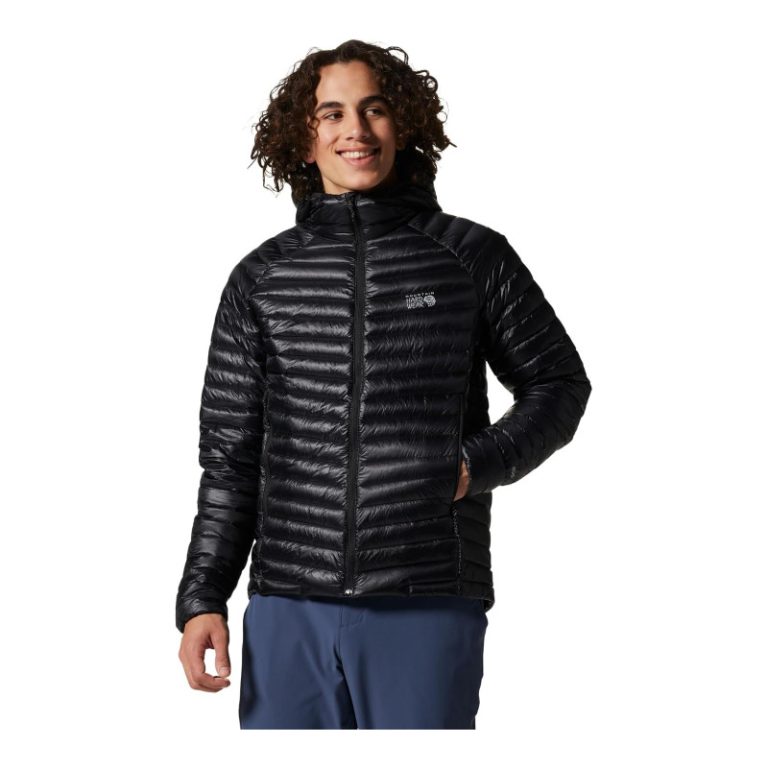
The packable-warmth benchmark for men — 800-fill down warmth for half a pound that stuffs into its own pocket, prized by people who live in the backcountry.
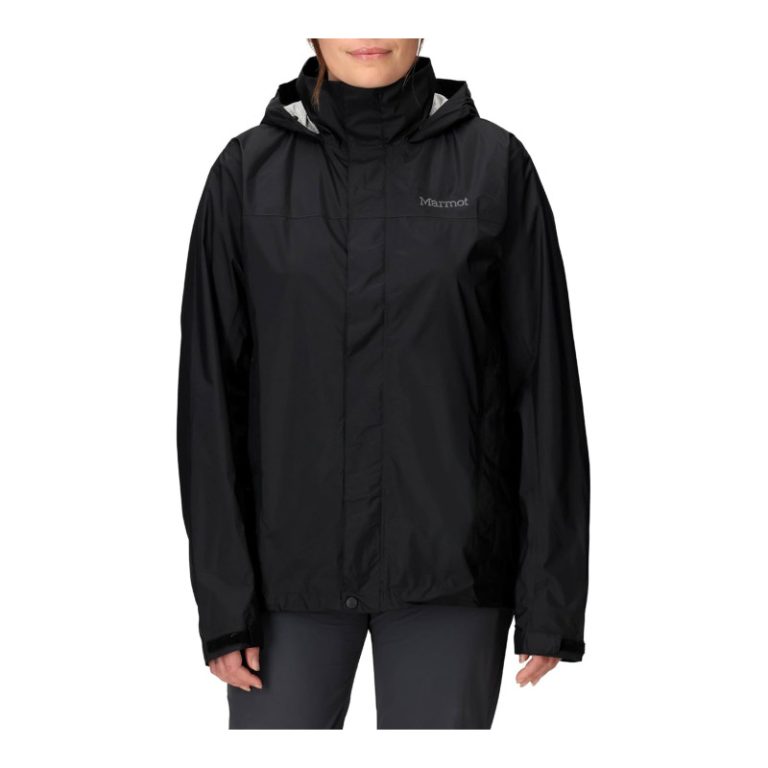
The packable hiker’s rain shell for women — light, breathable 2.5-layer NanoPro with pit-zip venting; the proven default for hiking in weather.

The women’s hiking boot to buy first — waterproof, supportive, and comfortable out of the box for day hikes and travel, at a genuinely entry-level price.
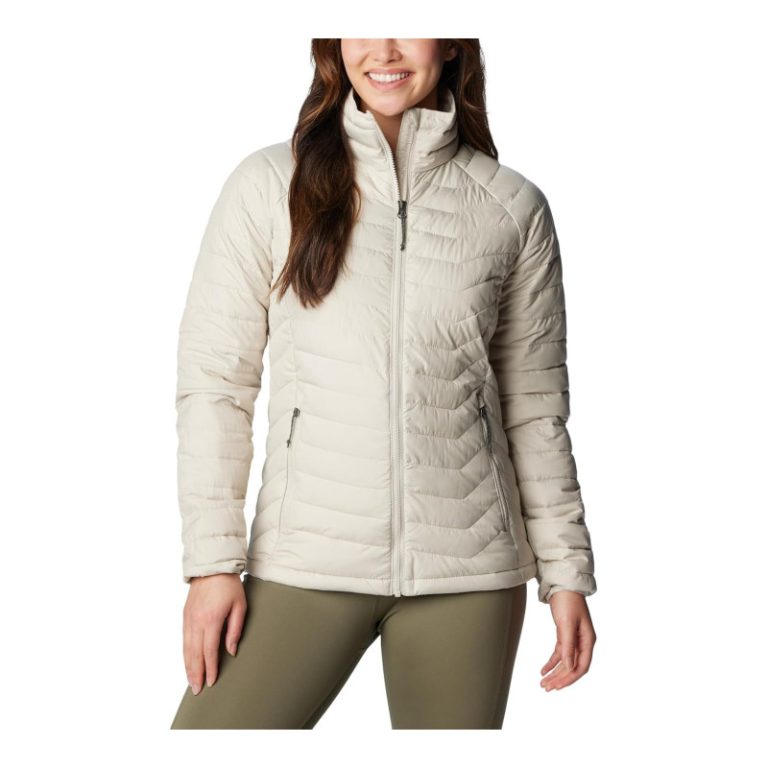
The versatile women’s puffy — warmer and less bulky than fleece, tolerant of damp where down struggles, packable, and priced below premium down.

The value merino base layer for women who move — real 250 wool that regulates, wicks, and resists odor for days, at a friendlier price than the boutique brands.
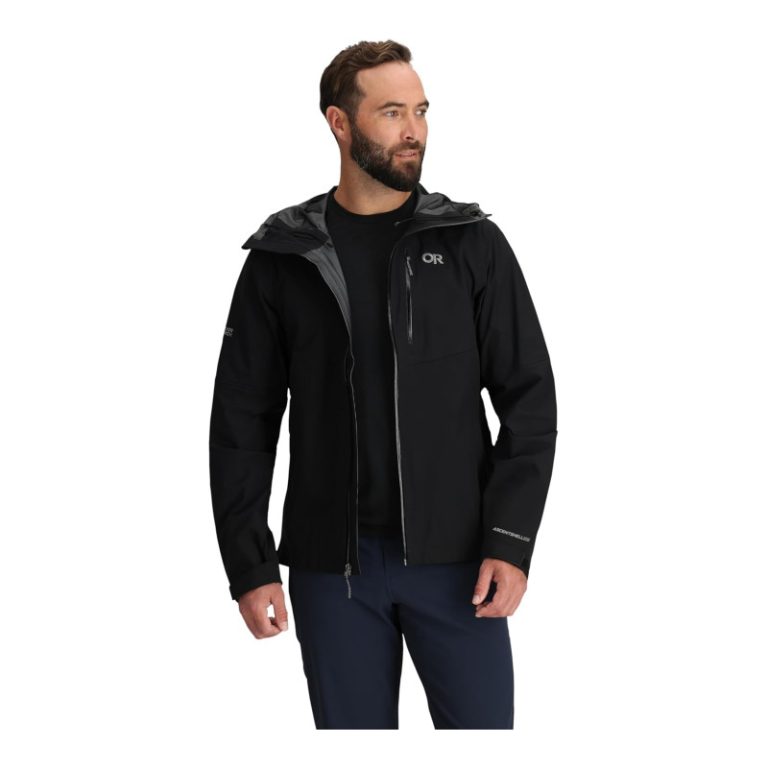
A durable 3-layer Gore-Tex hardshell with full hem-to-bicep side venting for hard mountain weather. Our field review of the Outdoor Research Foray 3L.
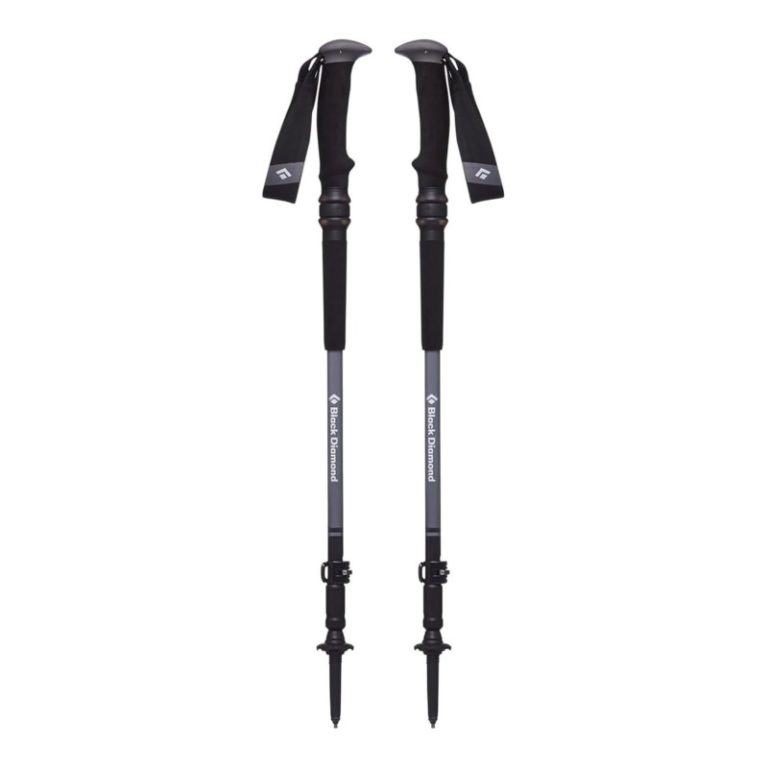
The regular hiker’s buy-once pole: Black Diamond’s one-handed FlickLock adjustment, a dual-density foam grip, and aluminum durability that outlasts hard use. Our field review of the Black Diamond Trail.
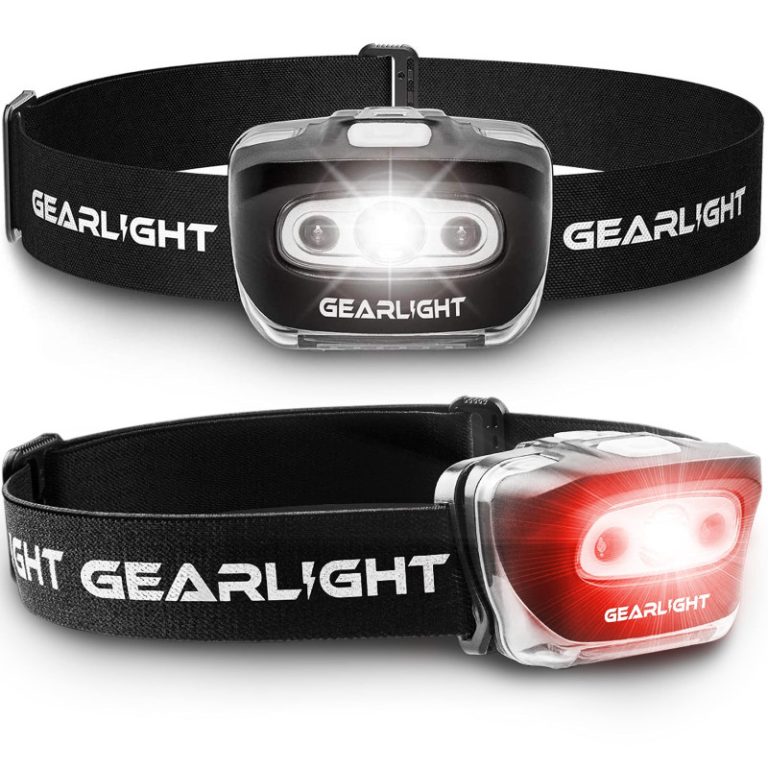
Cheap, bright, and practical — the budget headlamp to buy when you want one in every bag and car.
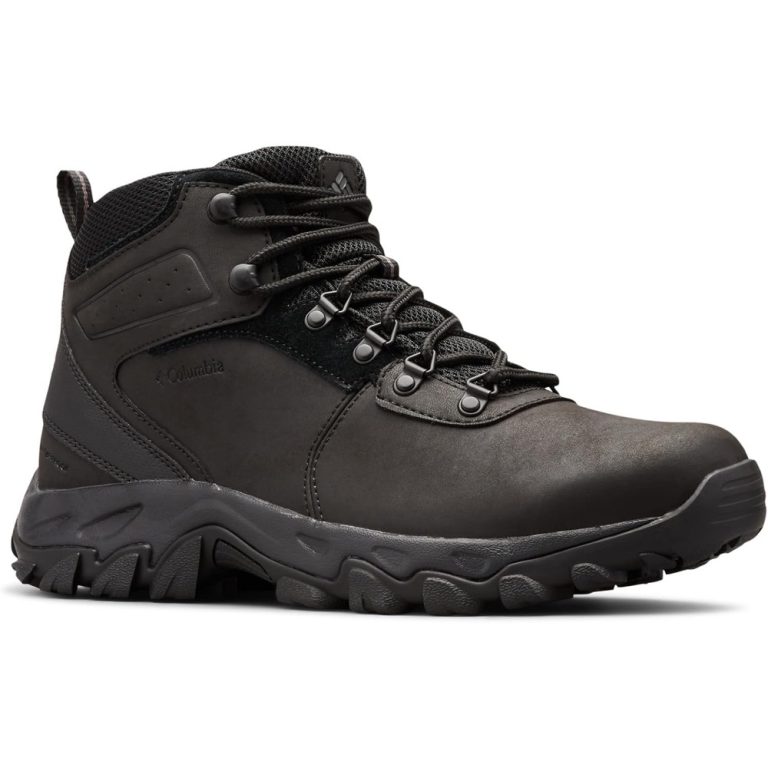
The value pick for a first hiking boot: waterproof, comfortable out of the box, grippy, and easy on the wallet.
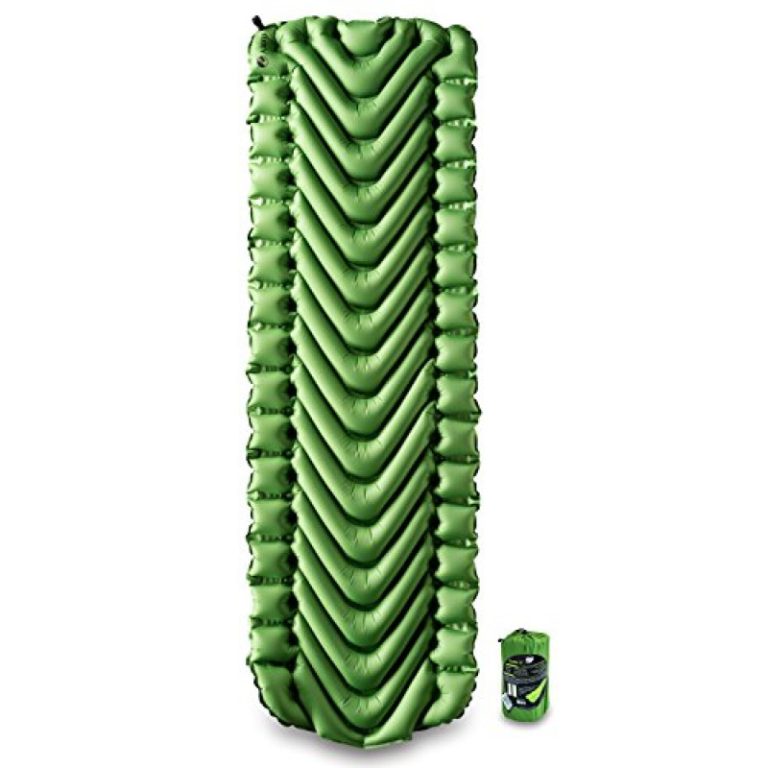
The budget inflatable that made comfortable backcountry sleep affordable — light, packable, and a superb first pad for warm-weather trips.

Nothing ends a hike faster than unhappy feet. The Merrell Moab 3 has been the default answer to “what hiking boot should I buy?” for years, and the Mid Waterproof version is popular for one big reason: it is comfortable almost immediately, with very little break-in.

A daypack is the bag you actually live out of on the trail, so fit and comfort matter more than any single feature. The Osprey Talon 22 is our pick for an all-day hiking pack that also doubles as a travel carry-on: it carries beautifully, adjusts to your back, and is built to last. Owners keep coming back to the brand.

A headlamp is one of the ten essentials for a reason: the moment a day hike runs long, hands-free light stops being a convenience and becomes safety gear. The Black Diamond Spot 400-R is our pick for most hikers — bright enough for the trail, rechargeable so you are not feeding it batteries, and small enough that it lives in the pack unnoticed.
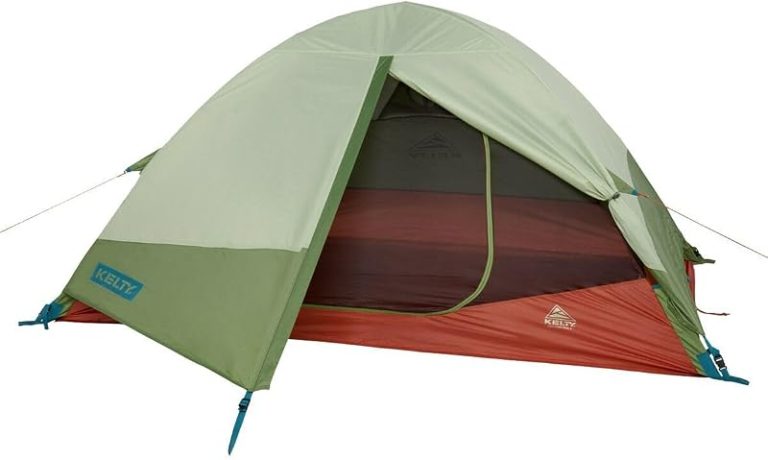
The Kelty Discovery Trail is a lightweight, freestanding tent aimed at people getting into backpacking and weekend camping without spending a fortune. It is not the roomiest or most ventilated shelter out there — and it does not pretend to be. What it offers is a genuinely easy pitch and honest durability at a price that makes sense for first seasons and fair-weather trips.
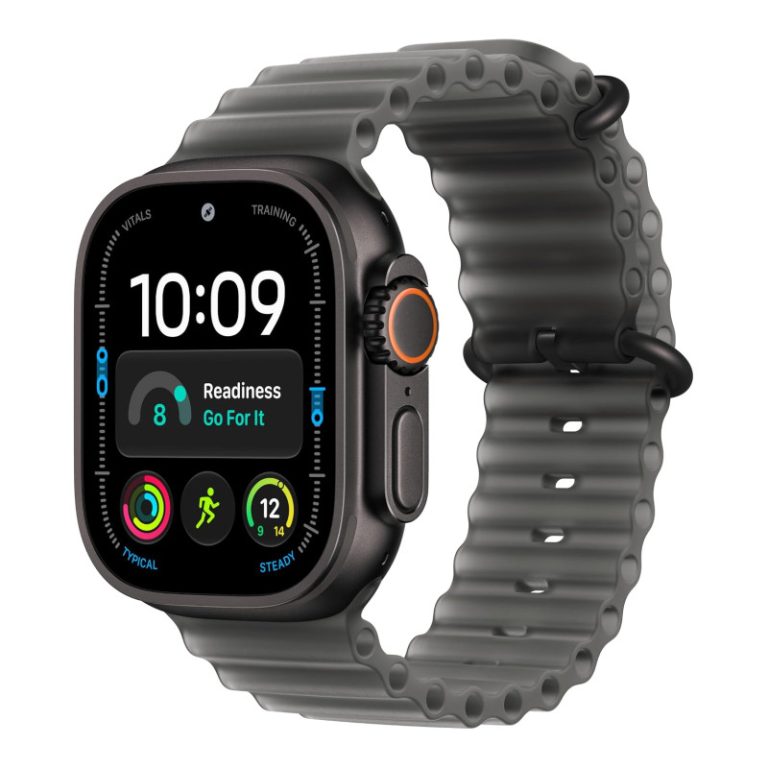
The Apple Watch Ultra 4 has accurate GPS, offline maps, a bright screen and satellite SOS from the wrist. Apple rates it at 50 hours of use and up to 45 hours of GPS in a new extended mode. It works only with an iPhone.
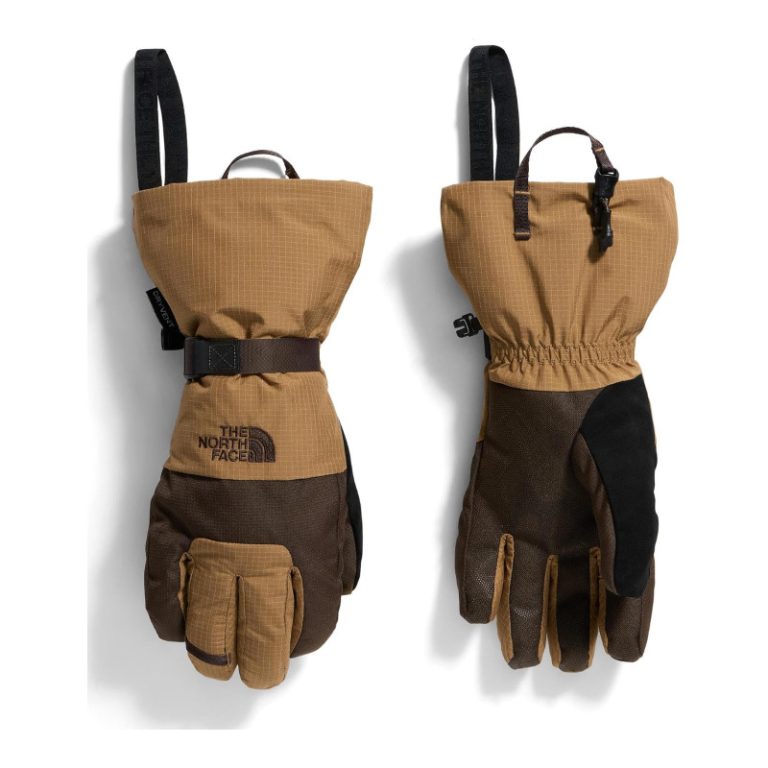
A warm, waterproof gauntlet glove with generous synthetic insulation and a DryVent insert. The workhorse winter glove for regular cold-weather hiking, snowshoeing and winter camping.
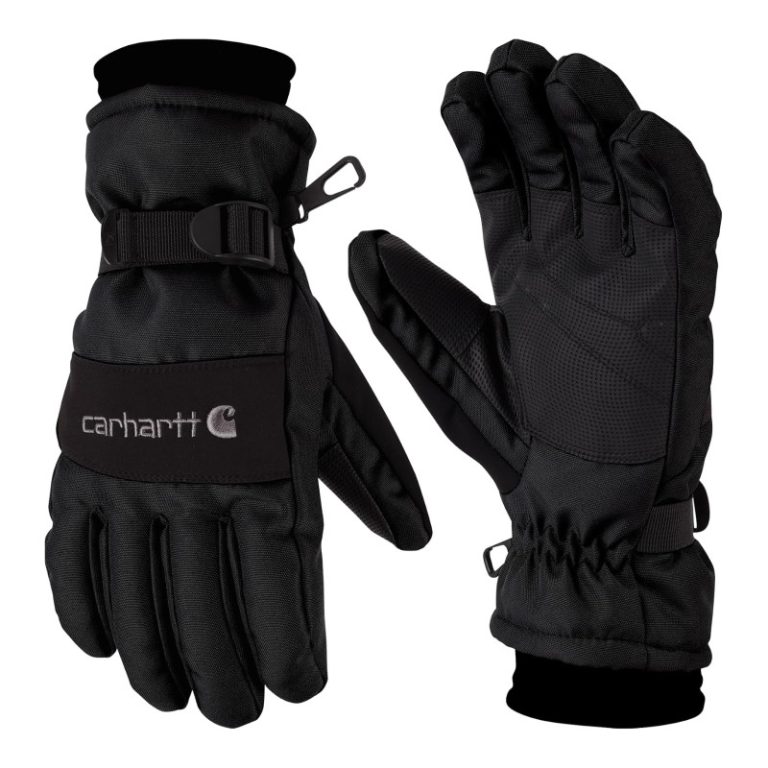
A warm, waterproof, hard-wearing glove built for outdoor work, and a dependable first winter glove for cold day hikes, snowshoeing and camp chores.
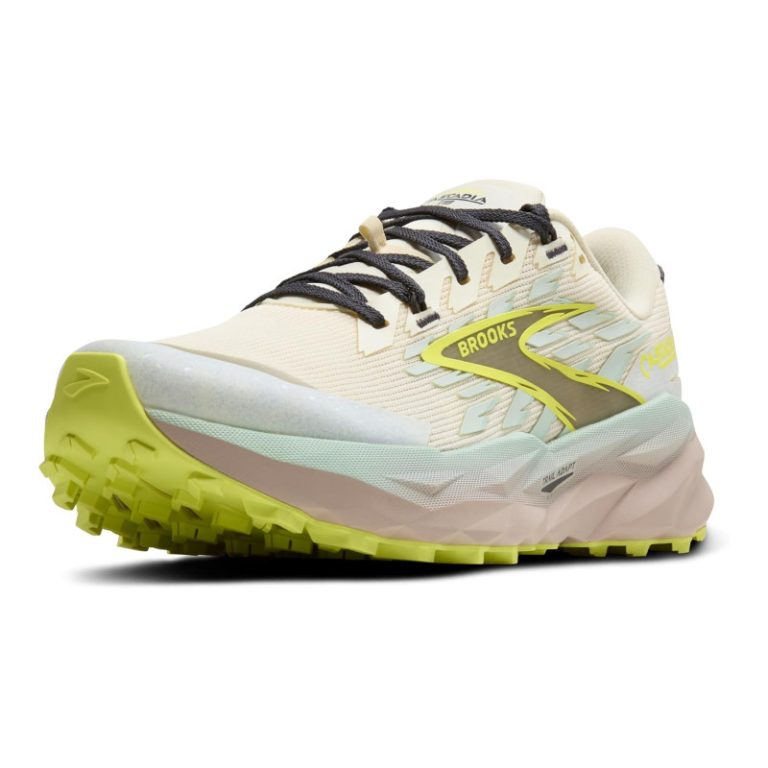
Stable, protective and comfortable from the first mile, with a wide option. The trail runner for rocky, rooty mountain trail and light backpacking.
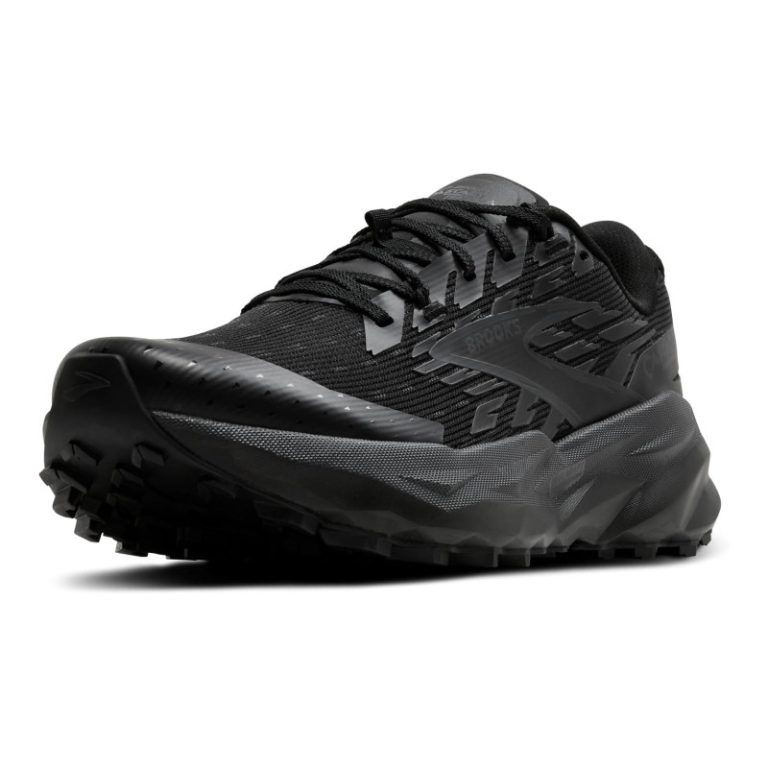
A rock plate, a wide stable base and soft DNA LOFT v3 foam. The protective trail runner for rocky, rooty mountain trail, and the best all-rounder for most three-season hiking.
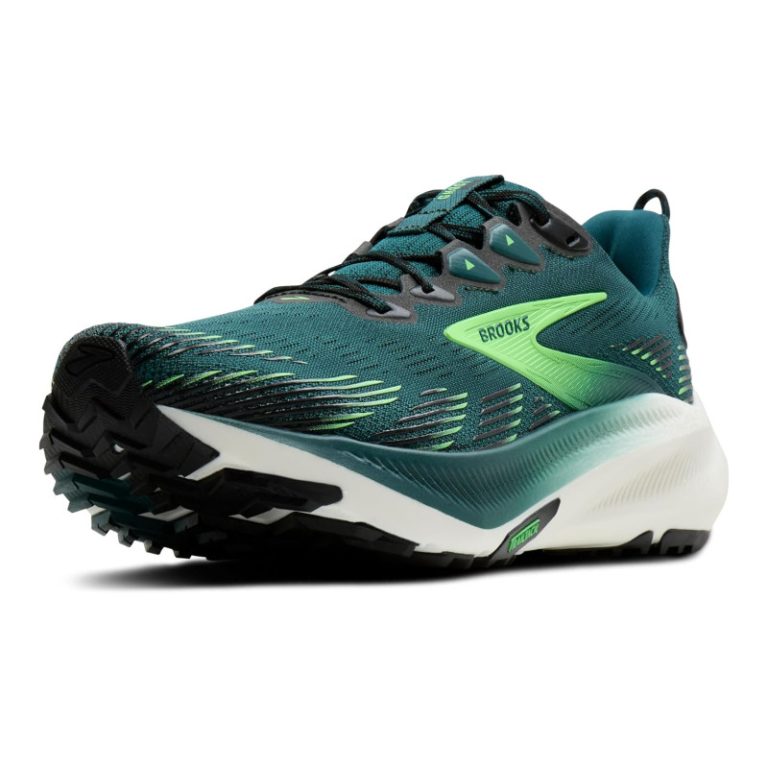
The soft, road-shoe ride of the Brooks Ghost on a grippy trail outsole. The easiest trail runner to get used to, for maintained trail and gravel rather than rough mountain ground.
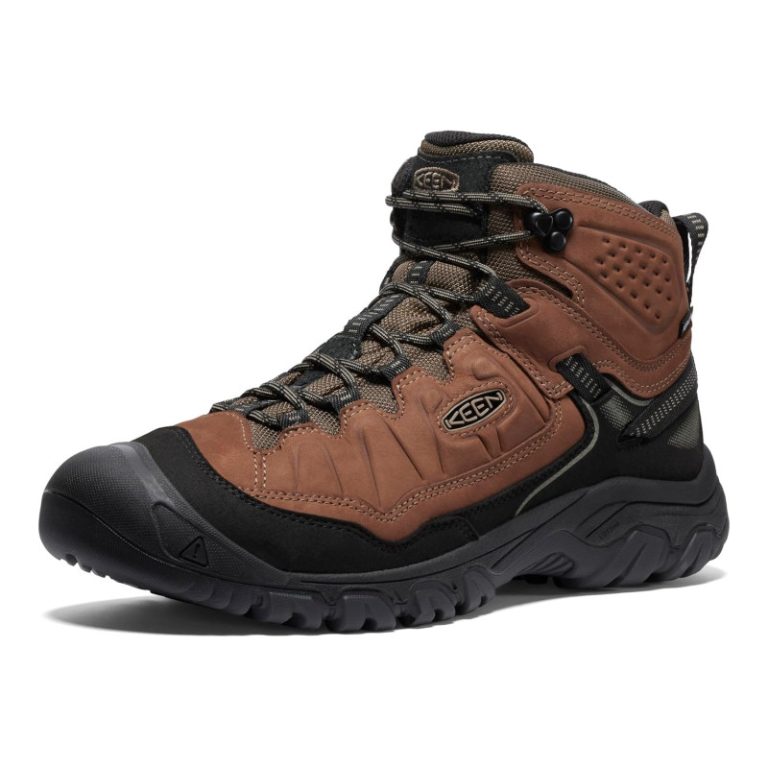
A waterproof three-season boot built on a genuinely roomy last and sold in medium and wide. The boot to buy when a standard last pinches across the ball of your foot.
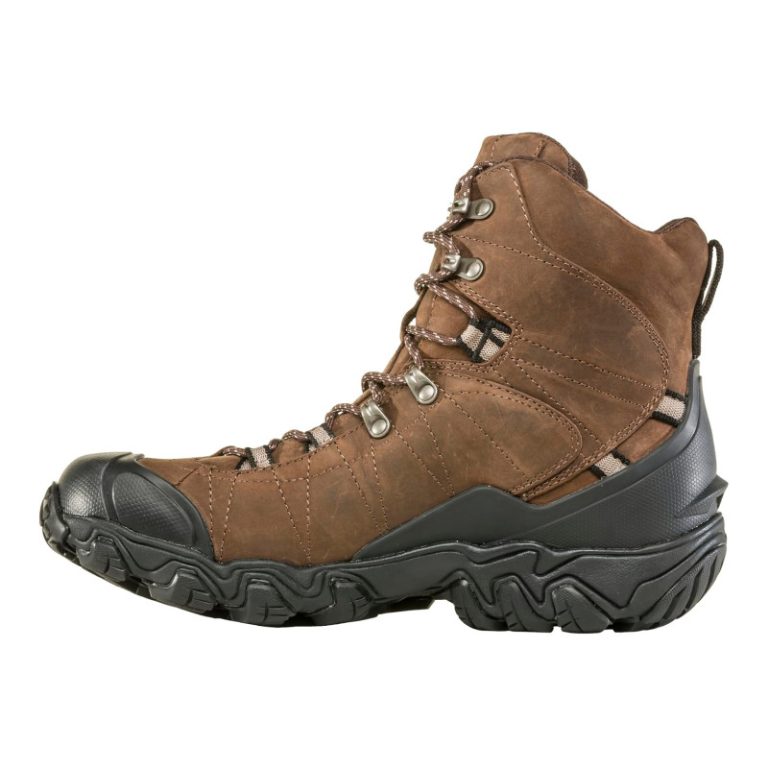
Waterproof nubuck over a B-DRY membrane with 200 gram Thinsulate, on a real hiking chassis. The middle ground between a three-season boot with thick socks and a pac boot you cannot walk in. Runs narrow.
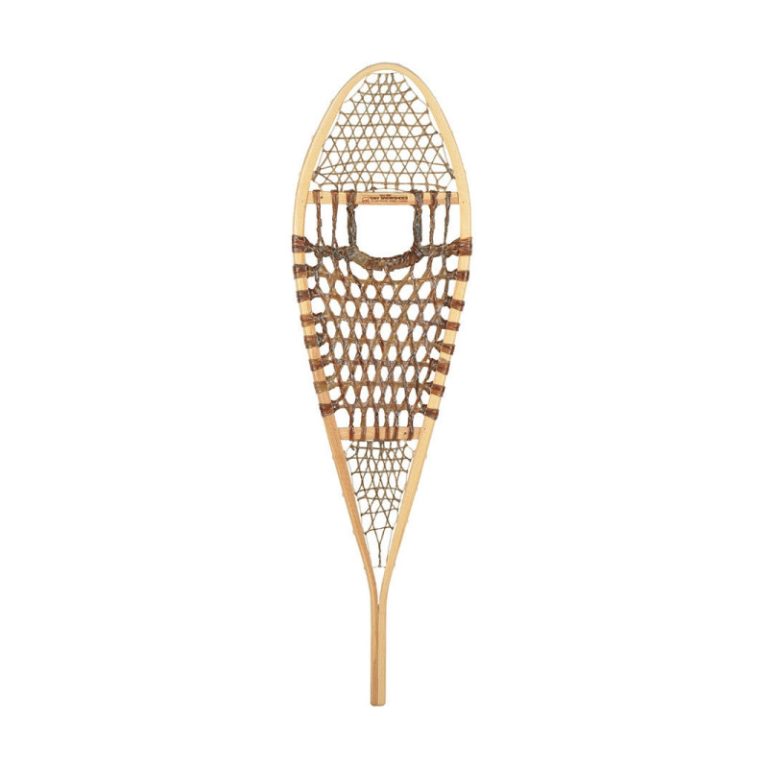
Steam-bent white ash and varnished babiche, 9 x 29 to 14 x 48 in (23 x 74 to 36 x 122 cm). Floats better for its size, drops snow through the webbing and runs quiet. No steel, no heel lift, bindings sold separately.
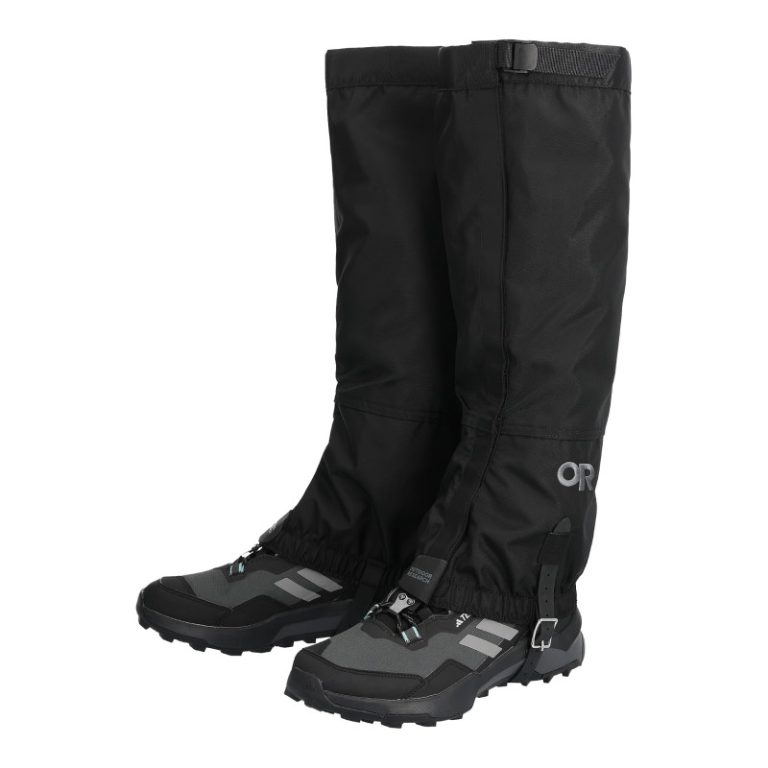
A full-height coated nylon gaiter that seals the boot cuff against snow, scree and mud. Water-resistant rather than waterproof, and that is the right trade for hiking.
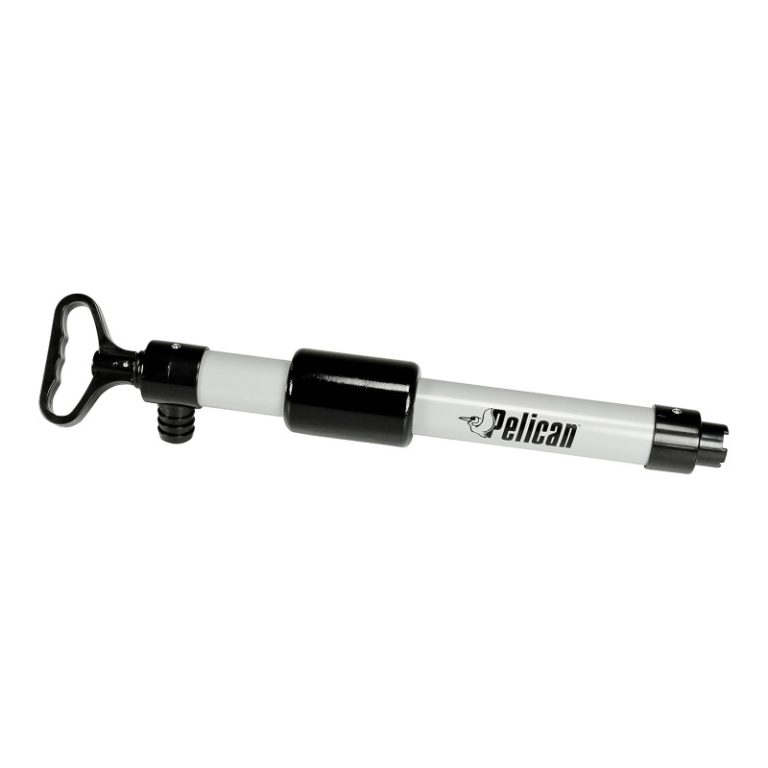
Getting back into a swamped kayak is only half the job, because a boat full of water is still unstable and still trying to tip you out. A bilge pump is the other half. Canadian rules require a bailer or manual pump in most paddlecraft, and the Pelican floating hand pump is the one that turns a twenty-minute bail into a two-minute one.
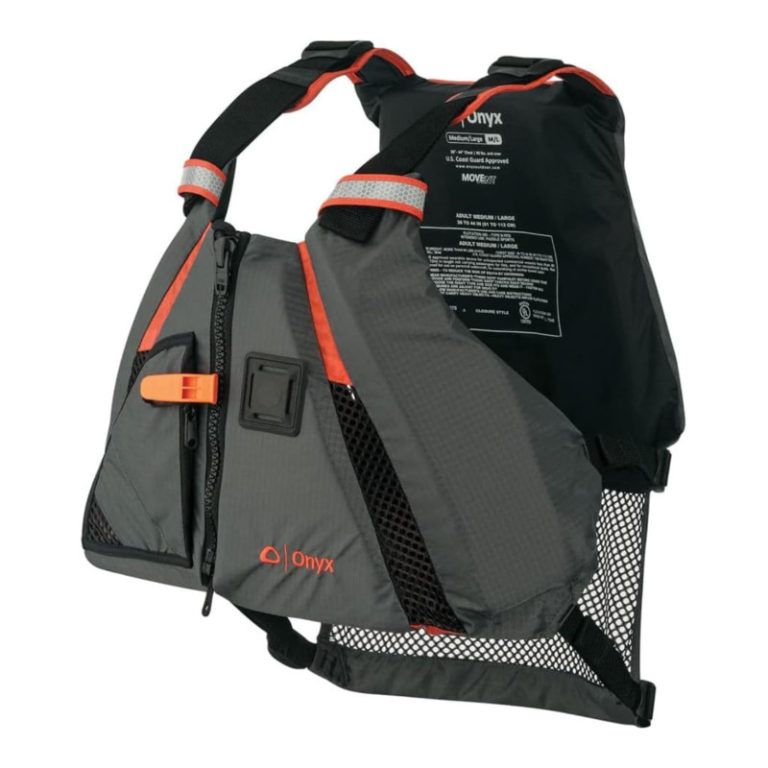
Almost nobody who drowns from a canoe or kayak was wearing a life jacket. The ones found in the boat were usually bought, worn once, and left off because they were hot, bulky, or rode up into the wearer’s ears. The Onyx MoveVent Dynamic is the entry-level paddling vest that solves that problem: a ventilated, inherently buoyant vest approved by both the U.S. Coast Guard and Transport Canada, cut high in the back to clear a kayak seat, comfortable enough that it stays on.
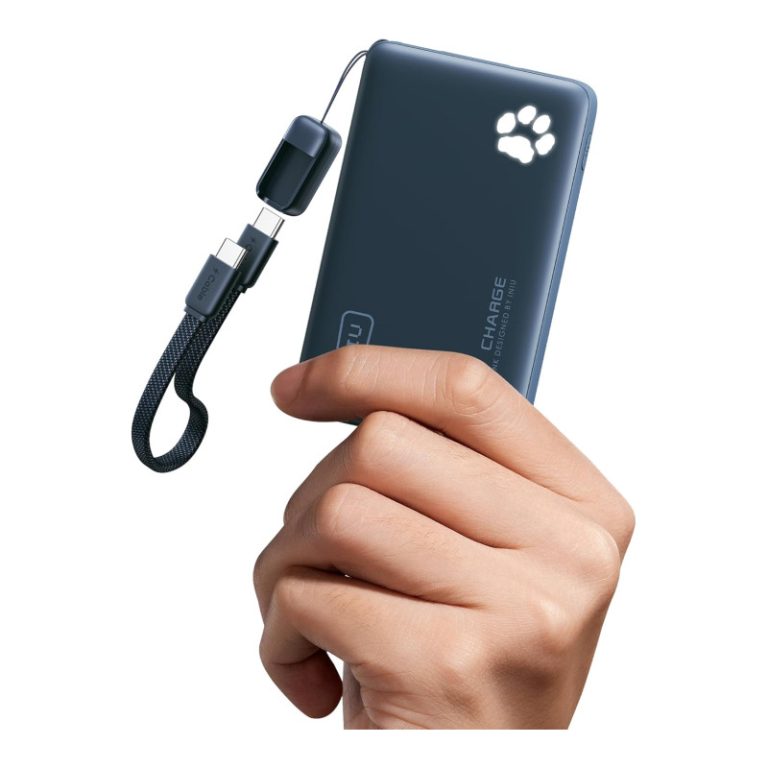
Most people do not need an ultralight power bank; they need a dependable one that charges fast and costs very little. The INIU P41 is that bank: compact, genuinely quick at 45 W with a single device, three ports when you need to share, and a detachable cable that doubles as a carry loop. It is the conventional pick at the bottom of our power-bank ladder, and the right one for day hikes, travel, and emergency kits.
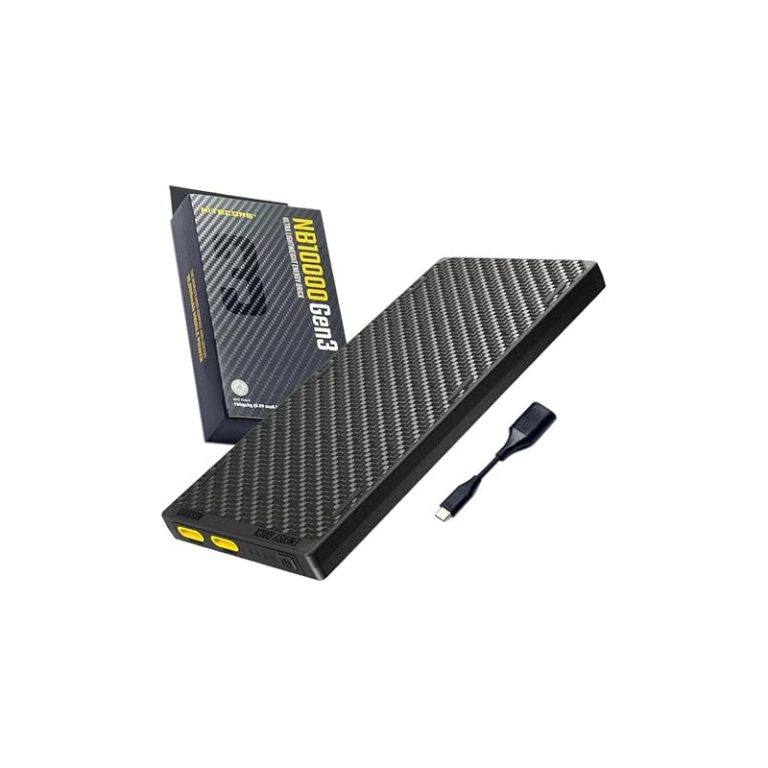
A phone running GPS with a bright screen is doing the most power-hungry work it can do, and the backcountry has no outlets. The Nitecore NB10000 Gen 3 is the power bank serious backpackers keep landing on: a full 10,000 mAh in a carbon fibre body barely heavier than most 5,000 mAh banks, tough enough for trail life, and light enough that it never gets left at home to save weight.
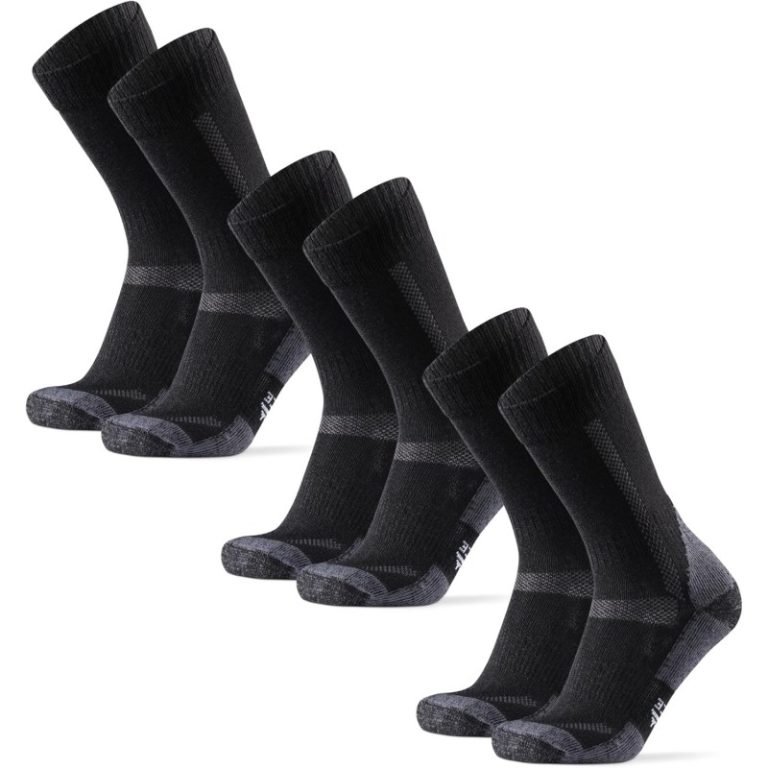
Merino hiking socks sold in multi-packs, so you can rotate a full set. Dry feet and real cushioning at a low cost, with an honest durability trade-off.
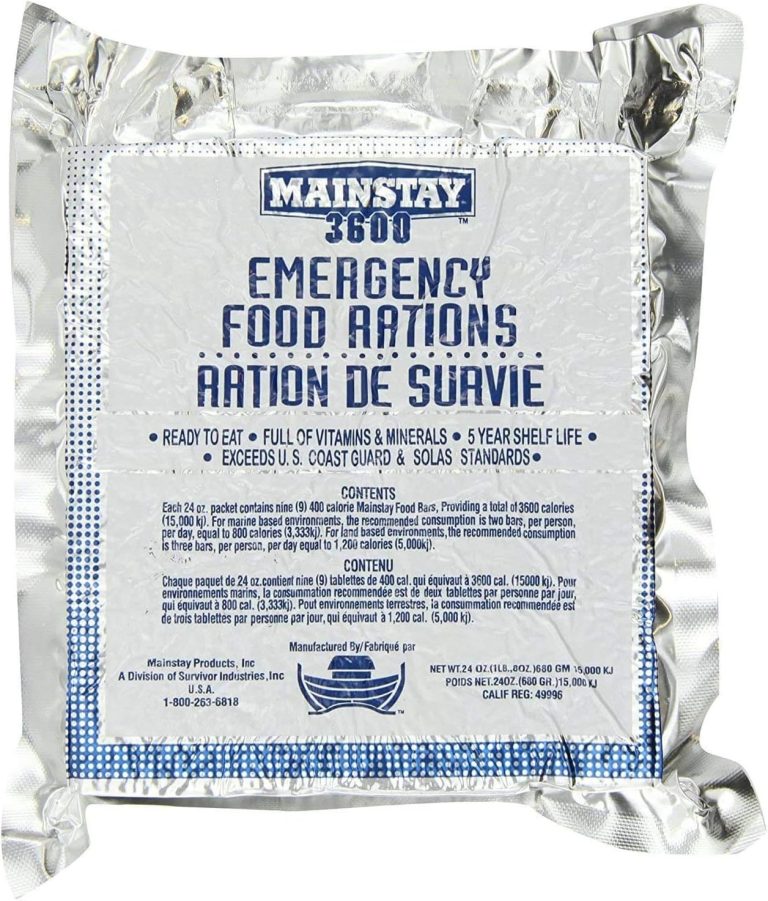
The best-tasting and most temperature-tough of the ration bricks: a Halal and Kosher certified 3600-calorie brick built to ride out a car trunk.
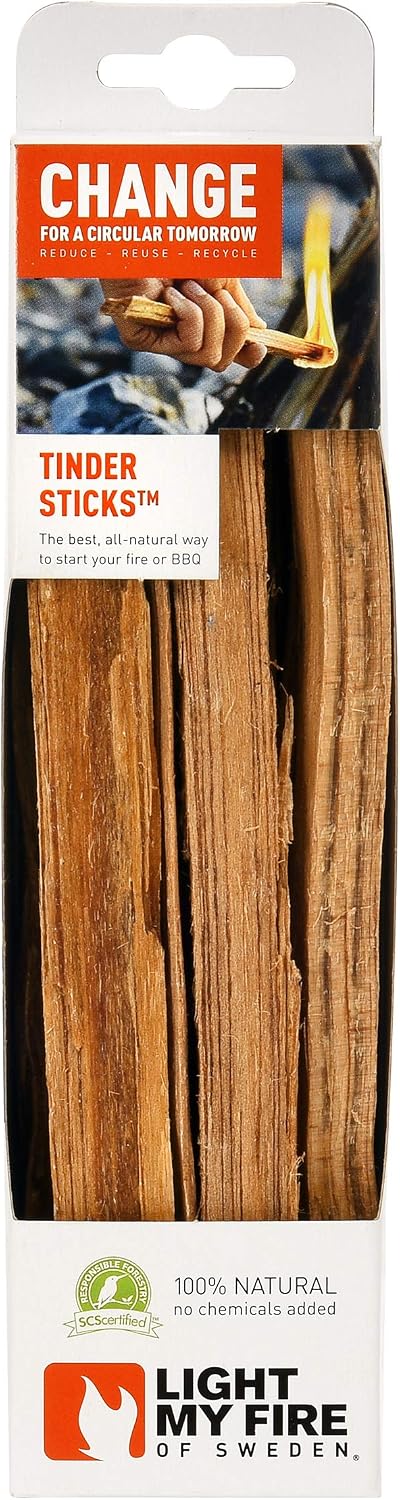
The spark is only half of fire. You need something that will catch and hold a flame. Fatwood, the resin-rich heartwood of pine, lights easily and burns hot and long, even when it is damp. New to fire-building? Our guide to building a fire shows how tinder, kindling, and fuel fit together. Our field rating…

Instant, adjustable, double-sided rechargeable heat that doubles as a power bank. The most convenient warmer for frequent cold-weather use, and where its battery falls short.
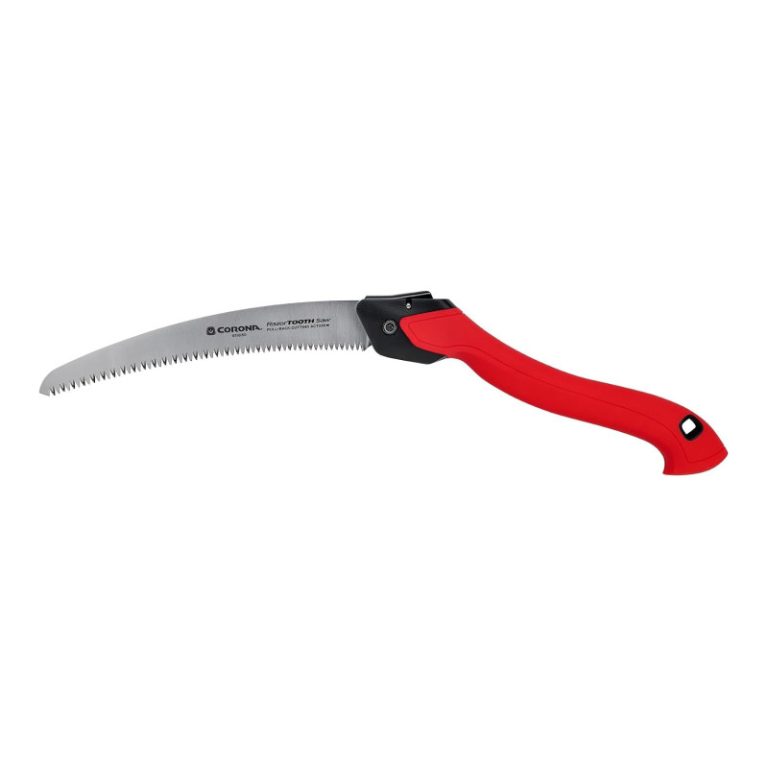
A 10-inch (25 cm) folding saw with aggressive razor teeth for a few dollars – the best budget camp saw for kindling and small firewood, and the easiest first saw to recommend.
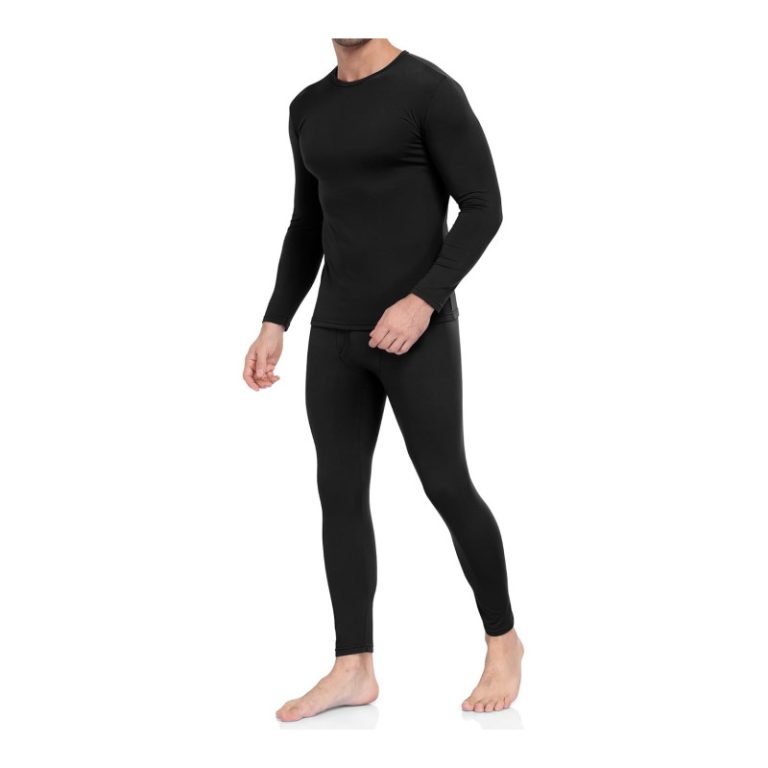
The men’s base layer to buy first — a soft, warm, stretchy thermal set for cold, easy days and camp, and the natural stepping-stone to merino.

The budget base layer to buy first — a soft, warm, stretchy women’s thermal set for cold, easy days and camp, and the natural stepping-stone to merino.
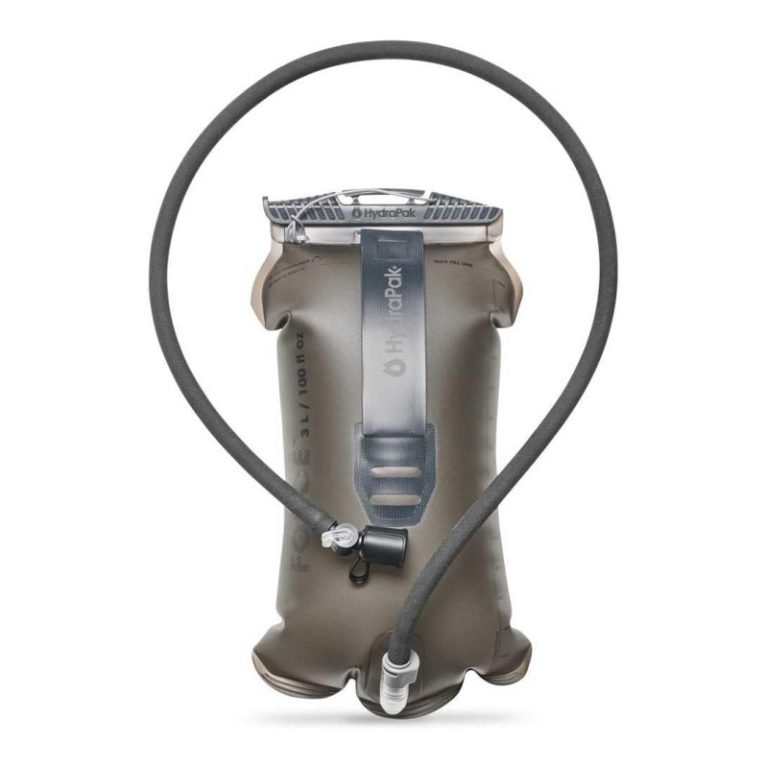
An ultra-durable welded reservoir with an insulated, freeze-resistant tube and a fully reversible body for deep cleaning. Our field review of the HydraPak Force.

A rugged, waterproof handheld GPS that tracks your route and runs for weeks on two AA batteries. Our field review of the Garmin eTrex SE, the budget dedicated GPS.
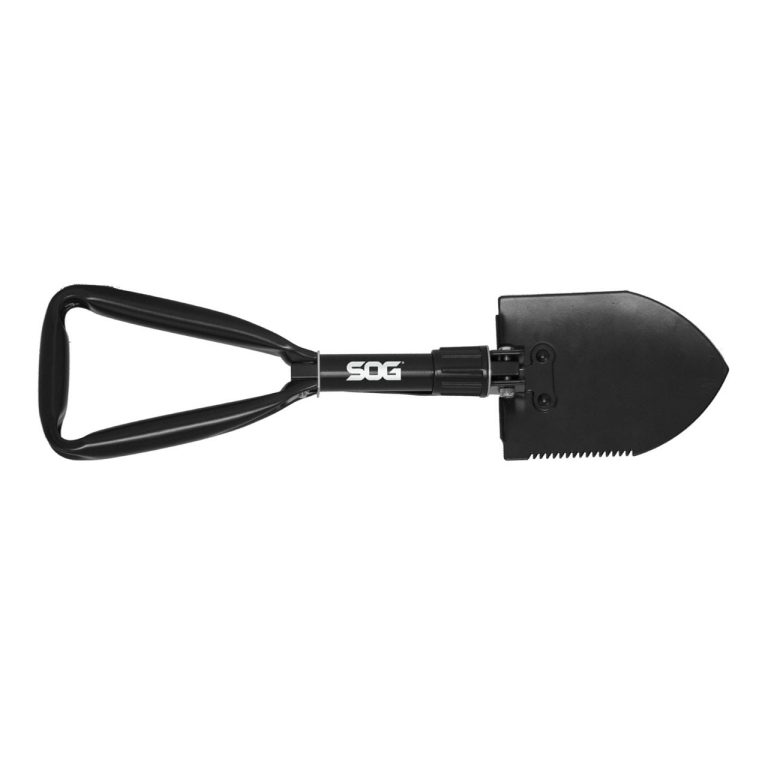
A folding high-carbon-steel shovel that digs fire pits, trenches runoff, and clears snow, then packs to hand size. Our field review of the SOG entrenching tool, the best-value camp e-tool.

A pocketable 12-in-1 mini multitool with spring-loaded pliers, blade, and scissors for a few dollars. Our field review of the Gerber Dime, the budget grab-and-go and first-multitool pick.

The cheapest, lightest piece of safety gear you own may also be the one that saves your life. A whistle and a signal mirror weigh almost nothing, never need a battery or a subscription, and let you call for help when your voice is gone and your phone has no signal. Everyone who goes outdoors…

Almost nobody’s first backcountry stove needs to be expensive. The BRS-3000T is the tiny titanium canister burner that has introduced more people to hot meals on the trail than almost anything else. It weighs about as much as five sheets of paper, costs less than a takeout lunch, and boils water fast. Our field rating…
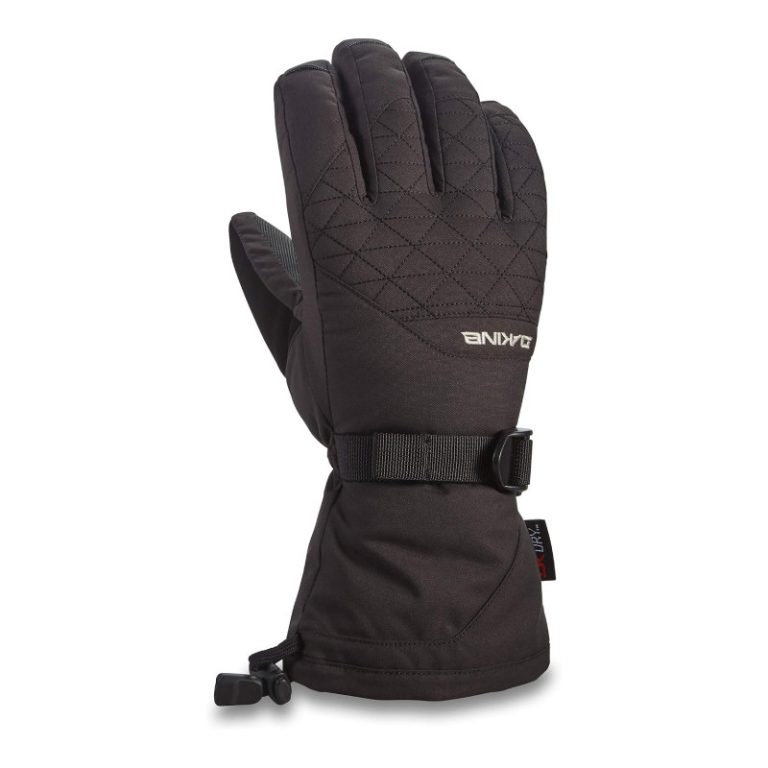
A women’s insulated waterproof gauntlet glove with a removable fleece liner you can wear inside it or on its own. A flexible workhorse for regular winter trips.
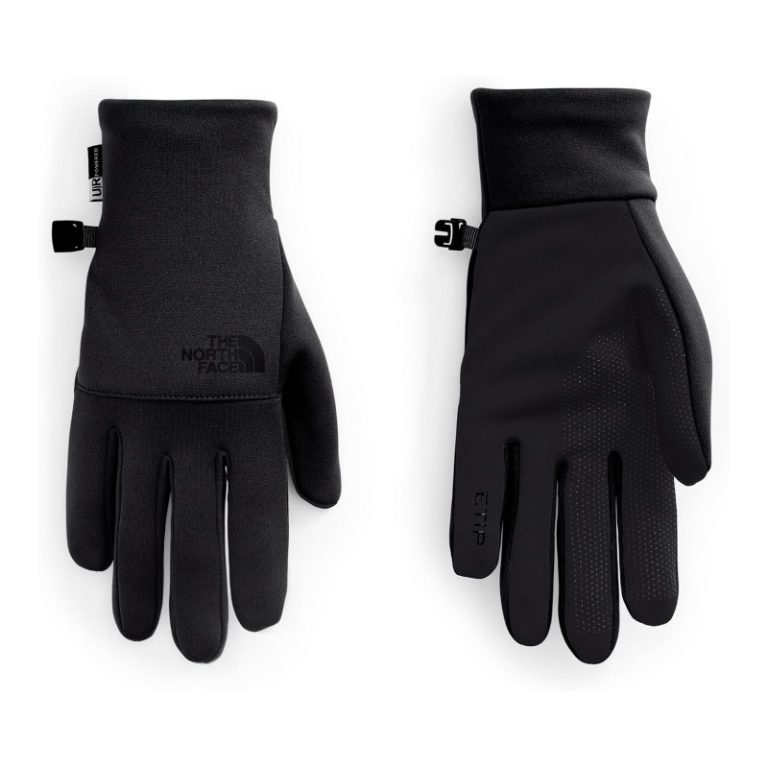
A thin, stretchy fleece glove with a grippy palm and touchscreen fingertips. Our pick for the liner, cool-day glove and dry spare pair every cold trip needs.
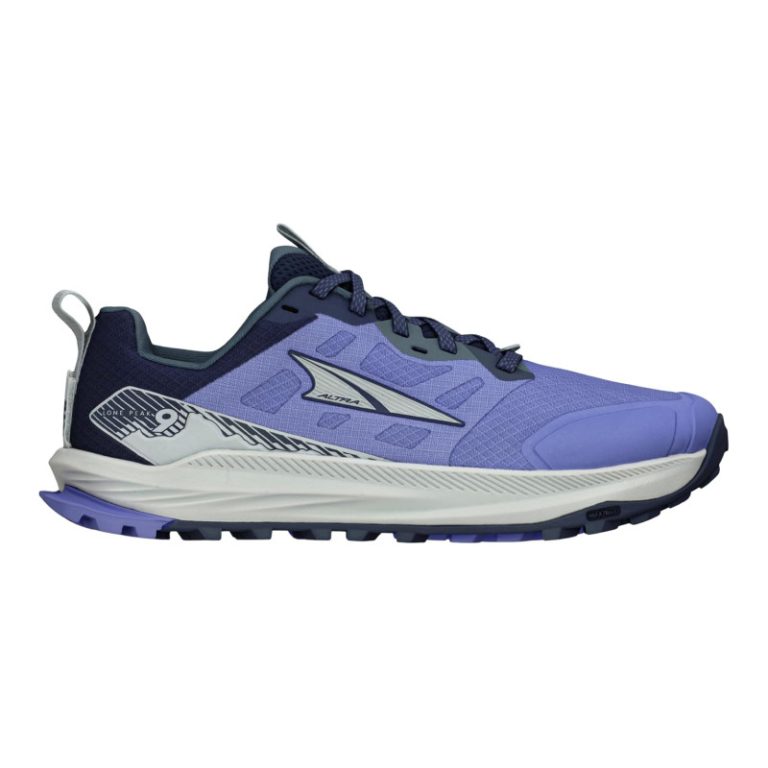
A wide, foot-shaped toe box, zero drop and a wide option. The trail runner for long days when your toes need room, with average grip on wet ground and early collar wear.
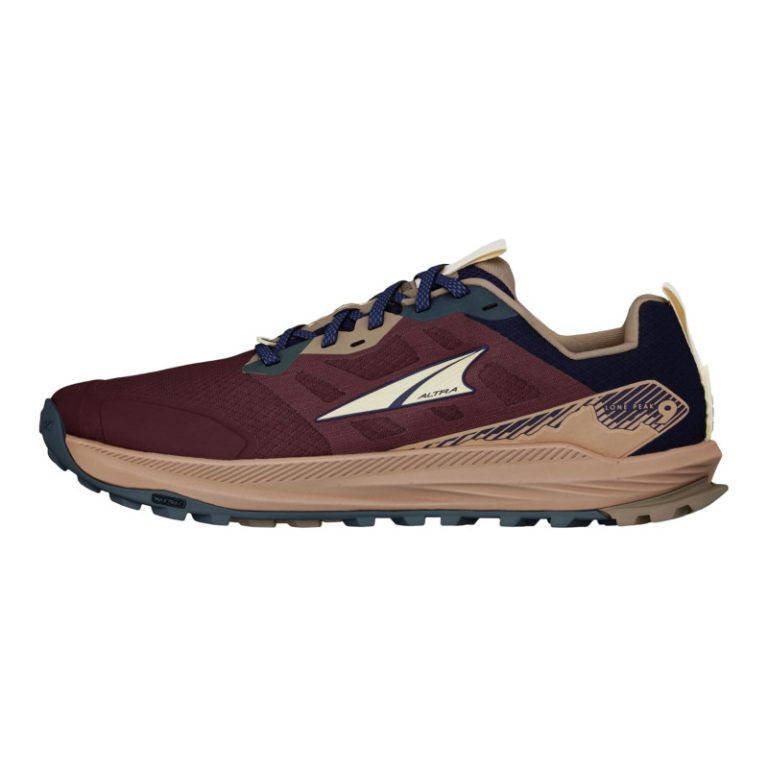
The long-trail favourite: a foot-shaped toe box on a zero-drop platform. Superb fit for high-mileage hikers, with average wet traction and a transition that needs respect.
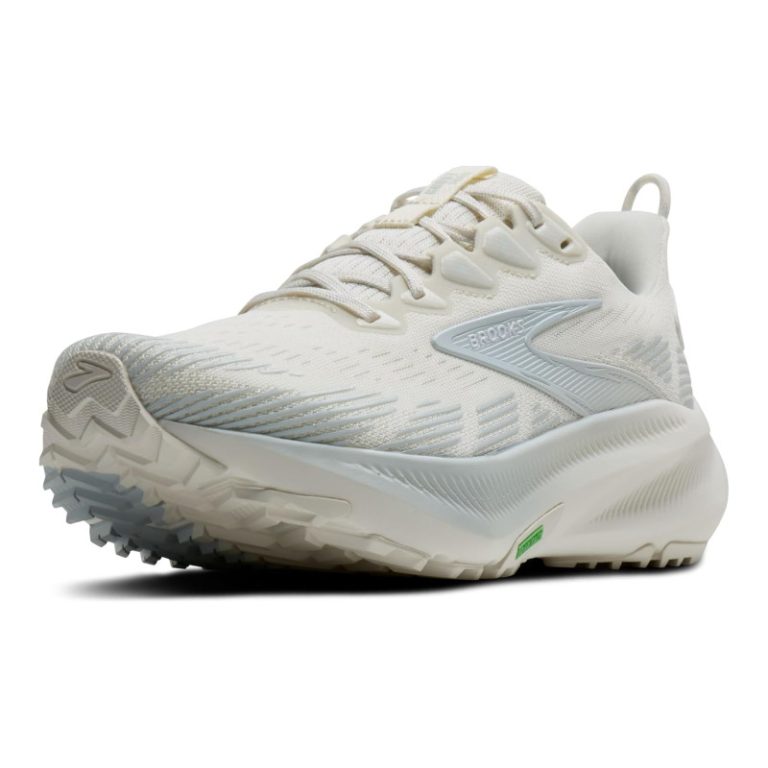
Cushioned Ghost comfort with a TrailTack Green outsole. A gentle first trail runner for maintained trail and mixed walking, with no rock plate and inconsistent sizing to check.
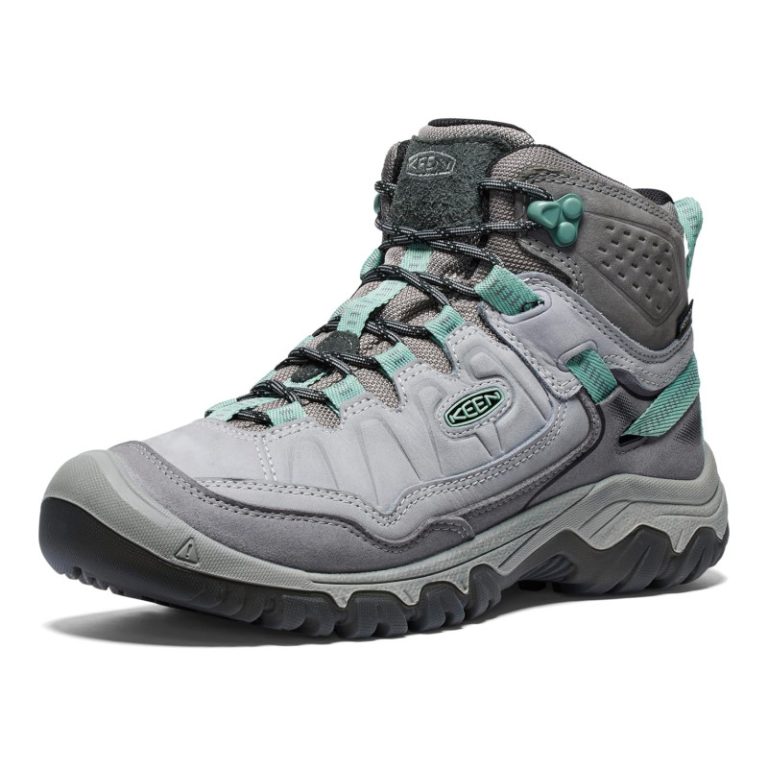
A waterproof three-season boot cut generously through the forefoot and sold in regular and wide, for a foot that is short and wide rather than slim.
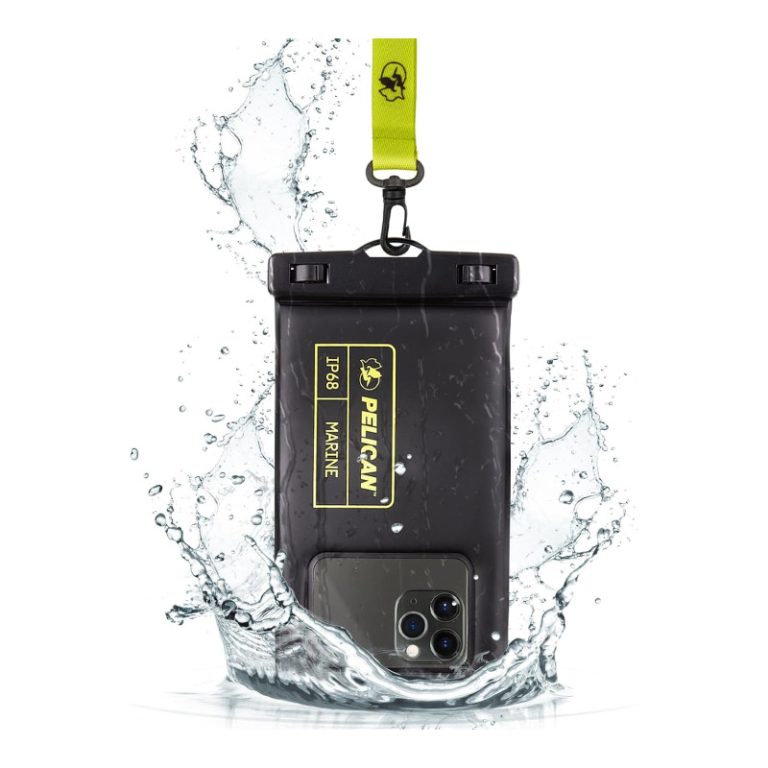
A phone is a map, a camera and a call for help until it gets wet, at which point it is a paperweight. The Pelican Marine pouch keeps it dry and floats if you drop it, which is more than most pouches manage. One change we would make before taking it paddling: the neck lanyard has no breakaway, and a cord around your neck is the wrong thing to wear in moving water.