
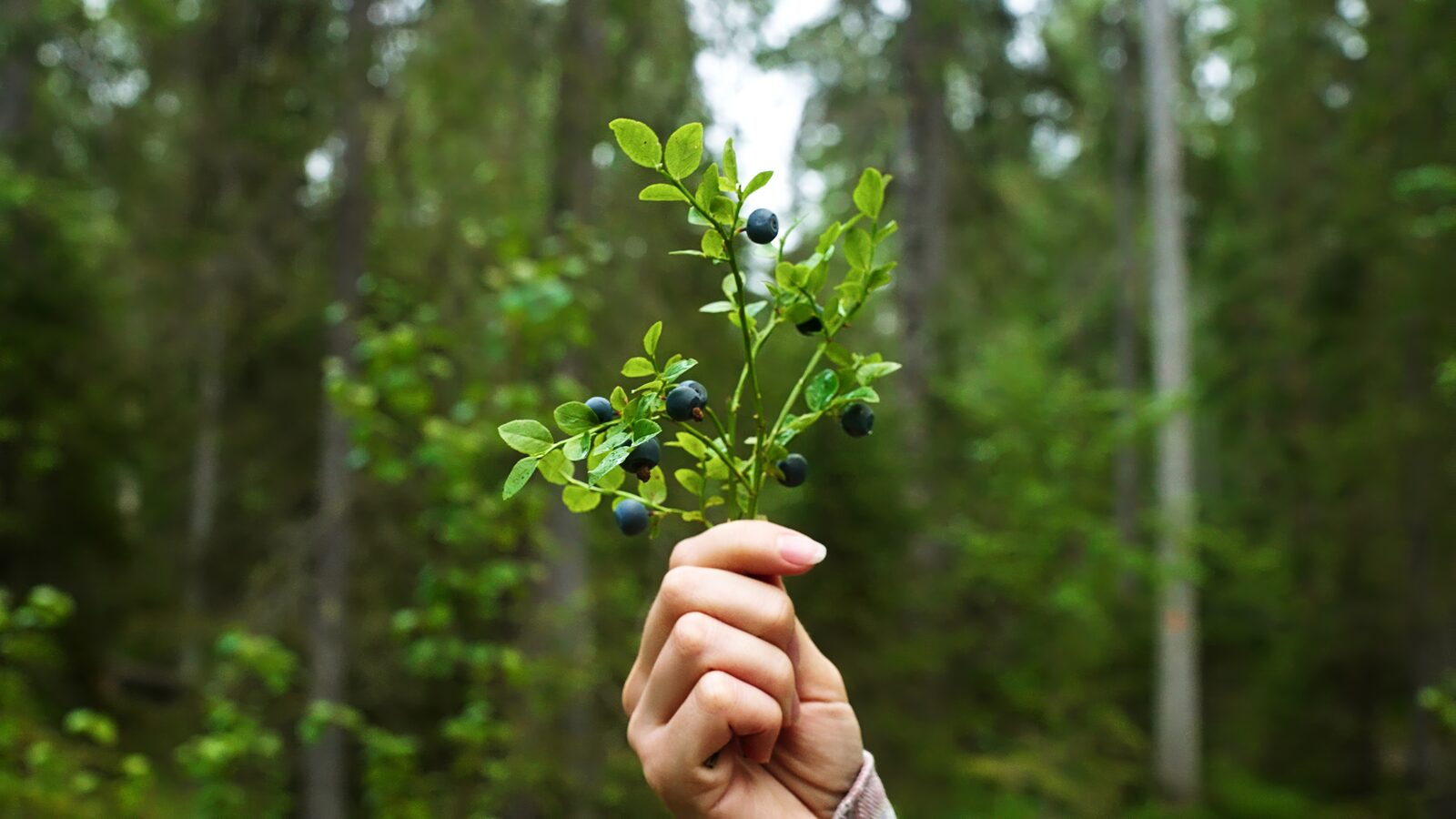
How to find food in the wilderness (in any climate)
Food is the survival need people worry about first and should usually worry about last. You can live about three weeks without eating, but only three days without water, so in a short-term emergency, food is rarely what will hurt you. Where finding food matters is when a situation stretches on, when your strength and clear thinking start to fade. The good news is that nearly every landscape holds food if you know where to look and what’s safe, and the most reliable calories are almost never the ones people picture. This guide covers how to find food in the wilderness across the environments you’re most likely to be in, forest, mountain, desert, coast, tropics, and cold country, starting with the easiest, lowest-risk sources and working up.
The underlying principle is return on energy: every calorie you spend hunting, foraging, or processing food has to be paid back by what you actually eat, or you’re worse off than when you started. That flips the usual instinct. Chasing a deer burns enormous energy for an uncertain payoff; flipping a rotten log for grubs, or setting traps while you sleep, costs almost nothing. So you work from the bottom up, insects, fish, and small game before large game, and plants you’re certain of before any you have to test. And you sort every option by two questions: how much energy will it cost me, and how likely is it to make me sick? Get water and shelter handled first (see finding water and what to do when you’re lost), then feed yourself from the easy end of the scale.
First: don’t panic about food
Hunger is loud, but it’s rarely the emergency it feels like. A healthy person can go weeks without food, losing strength gradually but staying alive far longer than most people expect. Water, shelter, and staying warm all outrank food in the first days of nearly any survival situation. A dehydrated or hypothermic person dies long before a hungry one. So resist the urge to burn your limited energy and water hunting on day one.
That said, don’t wait until you’re weak to start. Your ability to gather food declines as your endurance does, so once your water and shelter are handled, begin setting passive food sources to work. Traps, fishing lines, an eye out for edible plants. That collect calories while you rest. The goal early on isn’t a feast; it’s a steady trickle of easy protein that slows your decline without costing more than it returns.
Water and warmth come before food
Never spend water you can’t replace, or push yourself to exhaustion in the cold, to chase a meal. Dehydration and hypothermia kill in hours to days; starvation takes weeks. Handle water, shelter, and warmth first, then feed yourself from the low-effort sources below.
The easiest calories: insects, grubs, and worms
The single most abundant, easily caught food on earth is the one most people won’t consider: insects. Gram for gram many are extremely high in protein, often richer than an equal weight of beef, and you can gather them by hand without tools, traps, or a chase. Overcoming the “ick” is the only real barrier, and in a survival situation that’s a luxury you can’t afford.
Look under rotting logs, stones, and bark, and in the rootballs of grass clumps: ants, termites, beetles, and beetle larvae (grubs) cluster there. Grubs are among the best. Fat, protein-rich, and easy to gather by the handful. Earthworms are excellent protein; drop them in clean water for about 15 minutes to purge the grit before eating. As a rule, cook what you gather to kill parasites, especially hard-shelled insects like beetles and grasshoppers, which carry them, remove wings and barbed legs first. Grind a mixed handful into a paste and add it to boiled greens if eating them whole is too much.
What to avoid: anything that stings or bites, hairy or brightly colored insects, caterpillars, and anything with a strong or pungent odor. Bright colors and hair are nature’s warning labels. Skip disease carriers like ticks, flies, and mosquitoes, and spiders. When in doubt, see which small creatures are dangerous rather than edible in our guide to snakes, spiders, and stinging insects.
Start where the protein is easy
The fastest calories in almost any environment are along the water’s edge and under rotting wood. Before you think about big game, work those two zones. They pay back far more energy than they cost.
The water’s edge: fish, shellfish, and frogs
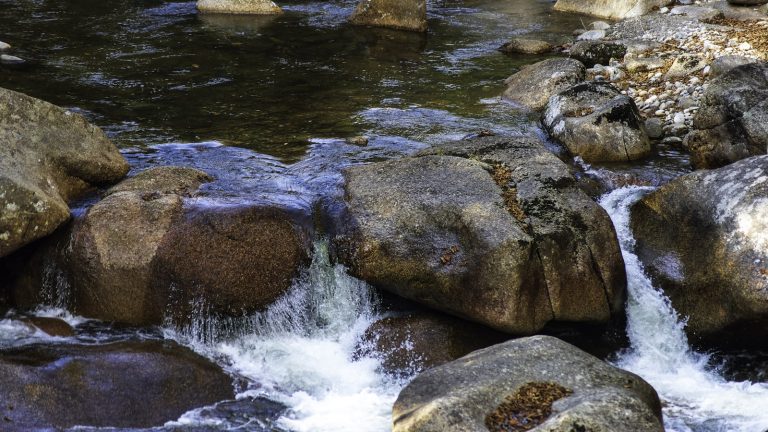
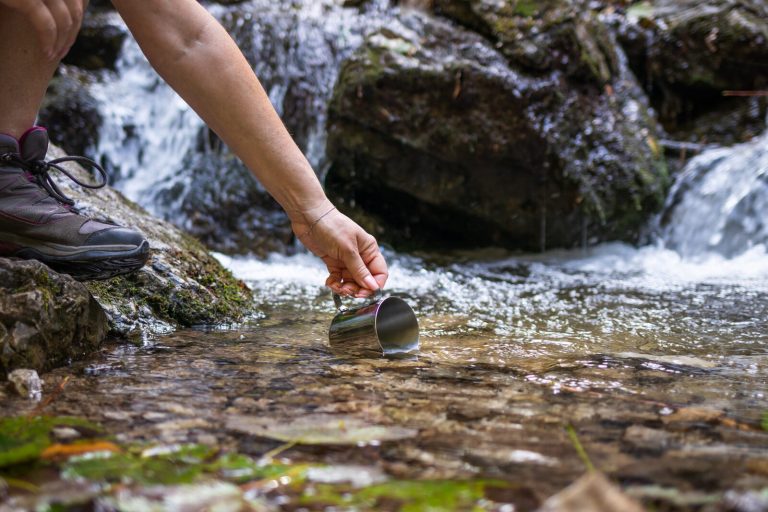
Water attracts life, and the margins of streams, ponds, and shorelines are the richest, lowest-effort larder you’ll find. Everything here still needs cooking. Fresh water harbors parasites, but the catching is often silent and passive.
- Fish are usually more abundant than game and can be caught while you do other things. Set a baited line, a stakeout (two baited hooks on a submerged cord), or a fish trap and let it work. Fish gather where there’s shelter, under overhanging banks, around rocks and submerged logs, in deep pools, and feed heavily before a storm. There are no poisonous freshwater fish, though catfish have sharp spines that inflict wounds that infect easily.
- Crayfish, freshwater shrimp, and mussels hide under rocks and in the mud of stream and pond bottoms. Tie bait to a string and pull crayfish to shore when they grab it; look for mussels in shallow, sandy-bottomed water. Cook all of it thoroughly.
- Frogs sit at the water’s edge and are easy to catch by hand or with a jab of a pointed stick. Eat frogs with smooth, moist skin, but avoid brightly colored frogs, any with a distinct “X” on the back, and all tree frogs, and never eat toads (dry, warty skin), which secrete toxins through their skin.
You don’t need a tackle box. Improvise hooks from pins, wire, thorns, bone, or a “gorge”, a sharp sliver of wood baited and swallowed whole. A cheap fishing kit in your pack, though, makes this dramatically easier and belongs in every survival kit.
Cook everything from fresh water
All freshwater fish, crayfish, shellfish, frogs, and reptiles must be cooked. Fresh water carries parasites, bacteria, and contaminants that cooking destroys and that will lay you low far worse than hunger. See cooking below.
Small game: trapping beats hunting
For catching mammals and birds, patient trapping almost always beats active hunting. A few well-placed snares work around the clock while you rest, and can out-produce hours of exhausting stalking. Concentrate on small animals, rabbits, squirrels, rodents, which are abundant, and leave large game alone unless it falls in your lap; the energy and risk rarely pay off.
The key to trapping is placement, not the trap itself. Look for the signs animals leave, worn runs and trails, tracks, droppings, chewed vegetation, and nesting or feeding areas, and set snares on an active run, ideally funneling the animal into the trap with a light barrier of sticks on either side. A perfect snare in the wrong place catches nothing. Because most mammals rely on smell over sight, mask your scent: handle traps with hands rubbed in mud or smoke, don’t leave fresh-cut “bleeding” vegetation around the set, and disturb the site as little as possible.
For animals you can get close to, a simple throwing stick (“rabbit stick”), a stout, arm-length club thrown sidearm, is deadly on small game that freezes when startled, and a sling or improvised spear extends your reach. Birds are all edible (with rare exceptions noted below); take roosting birds by hand at night, snare them at watering sites, or raid nests for eggs, remove all but two or three, mark those, and the bird will keep laying to refill the clutch.
Let the trap do the work
Every hour you spend hunting burns calories you may not get back. Traps and fishing lines are the opposite. They gather food while you sleep, shelter, or tend water. Set several, check them regularly, and move the ones that aren’t producing.
Foraging plants without poisoning yourself
Plants are everywhere and cost little energy to gather, but they carry the highest risk of any food source because deadly species can look almost identical to safe ones. Poison hemlock has killed people who took it for wild carrot. The safest plant food is the plant you already know. Learn a handful of unmistakable edibles for the regions you travel, cattail, dandelion, wild onion, common berries, before you ever need them.
When you can’t identify a plant with certainty, the safest choice is to leave it alone and get your calories from animals instead. If you must eat an unknown plant to survive, avoid anything with these warning signs, which flag many (not all) toxic plants: milky or discolored sap; a three-leaved growth pattern; fine hairs, spines, or thorns; a bitter or soapy taste; an almond scent in leaves or wood (a sign of cyanide compounds); beans, bulbs, or seeds in pods; and foliage resembling dill, carrot, or parsley. Wash anything gathered near roadsides or possibly-sprayed ground, and never eat fruit that’s molding or spoiling.
The Universal Edibility Test is a last resort, not a magic trick
The old survival test, abstaining, then touching a plant part to your skin, lips, and tongue and waiting hours at each step before swallowing a tiny amount, takes over 24 hours per plant part and does not catch every poison. Some plants that seem harmless in a small dose cause serious harm in quantity, and it can’t detect them. Use it only in a genuine emergency, on abundant plants, never as a shortcut for real identification, and test only one part of one plant at a time.
Once you’ve identified a safe plant, preparation makes it edible and palatable: boil leaves and stems (changing the water to remove bitterness), boil or roast roots and tubers, and leach acorns in water to strip the bitter tannins. Cooking also destroys many mild toxins and the oxalates in some plants.
Forest and temperate country
Temperate forest is the richest and most forgiving place to find food, and everything above applies in abundance. Work the streams and ponds first. Fish, crayfish, frogs, and mussels, then the rotting logs and leaf litter for grubs and worms. Set snares on the well-worn game trails between bedding and feeding areas, and take squirrels and rabbits with traps or a throwing stick.
Foraging is at its best here for those who know the plants. Temperate staples include cattail (edible roots, shoots, and pollen), dandelion, wild onion and garlic, burdock root, acorns (leached), berries like blackberry and blueberry, nettle (cooked), and the inner bark of some trees. Nut trees, oak, beech, chestnut, offer dense calories in autumn. Bird eggs in spring and early summer are easy, high-value food. With this much on offer, you can afford to skip anything you can’t name.
Mountains and alpine country
High country offers less than the forest below it, and food thins as you climb, so let elevation guide you down toward richer ground. Cold mountain streams and lakes hold trout and other fish, plus crayfish under the rocks, often your best bet up high. Marmots, pikas, ground squirrels, and other rodents live among the rocks and can be trapped near their burrows and runs.
Plant food is seasonal and sparse at altitude: berries on alpine slopes in late summer, and roots and greens in the meadows and drainages lower down. Cold burns calories fast, so the energy math is stricter here than anywhere, prioritize the passive, reliable sources (a set fishing line, a few snares on rodent runs) over anything that has you scrambling across slopes, and keep an eye on staying warm, which will matter more than food.
Desert and arid country
The desert holds more food than it appears to, but it’s spread thin and best gathered in the cool of morning, evening, and night, when both you and the wildlife are active, travel and forage then, rest in shade through the heat. Reptiles are the desert’s staple protein: lizards are plentiful and relatively easy to catch, and snakes are edible once you’ve dealt with the head safely (treat every snake as venomous until certain). All reptiles carry salmonella, so cook them thoroughly and wash your hands well afterward. See backcountry hygiene.
Insects persist under rocks and around any vegetation, and rodents run between burrows at dawn and dusk where snares do well. Birds concentrate at any water source. A productive place to trap. For plants, the desert offers prickly pear cactus (the pads and fruit, spines removed and cooked), agave, mesquite pods, and the fruit of the date palm where it grows; concentrate your foraging in the greener washes and oasis edges where plants gather. Guard your water above all. See hiking in the heat , because digesting food, especially protein, costs body water you may not be able to spare.
Protein costs water
Digesting protein-heavy food uses up body water. If you’re short on water in the desert, eat sparingly, a big meal you can’t spare the water to process works against you. Water first, food second.
Coast and seashore
A coastline is one of the best places on earth to be hungry. The shore and tidal zone are packed with accessible food. Work the tide: at low tide, the exposed flats, rock pools, and reefs are a buffet.
- Shellfish and mollusks. Mussels cluster on rocks and at the base of boulders; clams hide in tidal sand and mud (dig where you see breathing holes); snails, limpets, and chitons cling to rocks from the waterline up. These are the easiest coastal calories. Gather at low tide and cook them. Steam or boil in the shell.
- Crabs, lobsters, and shrimp work the surf’s edge and tidal pools, mostly at night; catch them with baited traps, baited lines, or a net, or trap fish in stone weirs built across a pool at low tide.
- Seaweed is a nutritious, easy-to-gather food most people overlook. Collect it living and attached to rocks (not washed up and rotting), and eat it fresh or dried. Introduce it gradually, as a lot at once can act as a strong laxative.
Two firm cautions on the coast. Avoid mussels and other filter-feeders during a “red tide” algae bloom, when they concentrate toxins. And be wary of tropical and subtropical reef fish, which can carry ciguatera toxin that cooking does not destroy. See the next section.
Jungle and tropical country
Food is usually abundant in the tropics. The challenge is heat, spoilage, and disease, not scarcity. Forage the sunlit banks of streams and rivers, where edible plants concentrate and where fish, frogs, and crustaceans are close by. Don’t climb or fell a tree for food when you’re weak; there’s almost always an easier source near the ground.
Until you can positively identify local plants, start with the safe, unmistakable staples: coconut, various palms (the heart and fruit), bananas and plantains, breadfruit, papaya, mango, sugarcane, and bamboo shoots. Insects, grubs, and termites are everywhere and easy. Because tropical heat spoils food within hours, gather only what you’ll eat now and leave the rest growing until you need it. Cook everything, and be especially careful of poisonous look-alikes in the dense growth, the proportion of toxic plants is no higher than elsewhere, there’s simply far more plant life to sort through.
Cold and snow country
Cold country swings between summer abundance and winter scarcity. In the warm months, arctic and subarctic waters are extraordinarily rich: streams, lakes, and coastal shallows teem with fish, and tidal flats yield clams, mussels, king crab, and snails. Fish and most fish eggs are edible; gather shellfish at low tide.
In winter, food is harder won. A handful of birds stay year-round, ptarmigan (which you can often approach and snare), grouse, and owls are all good eating. Hares, and porcupines where there are trees (look for bark stripped from limbs), can be trapped. Tundra plants are tiny and seasonal. Small berries and low greens in the warm months, little in winter. Two rules matter most here: the cold burns calories fast, so passive traps and set lines beat energy-hungry hunting, and food freezes naturally, so a good catch can be stored in the open or an ice hole for later. Keep warmth and water ahead of food in your priorities. In the cold, both will kill you faster than an empty stomach.
Never eat these
A few things in the wild are more dangerous than going hungry. No matter how desperate, avoid:
- Puffers and toxic reef fish. Pufferfish, porcupinefish, cowfish, and triggerfish can be lethally poisonous, and tropical reef fish (barracuda, large snapper, grouper, amberjack, mackerel, jacks) may carry ciguatera toxin. Cooking, drying, and smoking do not remove either. When in doubt with warm-water reef fish, don’t.
- Toads, brightly colored frogs, and tree frogs , toxins secreted through the skin. Also don’t eat salamanders.
- The box turtle and hawksbill turtle . They concentrate toxins from their diet that cooking won’t destroy.
- The livers of polar bears and bearded seals , toxic levels of vitamin A. Cook all wild meat regardless.
- Any hairy, brightly colored, or foul-smelling insect, plus spiders, ticks, flies, and mosquitoes.
- Unknown plants showing the warning signs above , milky sap, three leaves, almond scent, soapy taste, seeds in pods.
- Spoiled fish or meat , sunken eyes, off odor, slimy body, dents that stay when pressed. Cooking does not make spoiled food safe.
Cook it: avoiding parasites and illness
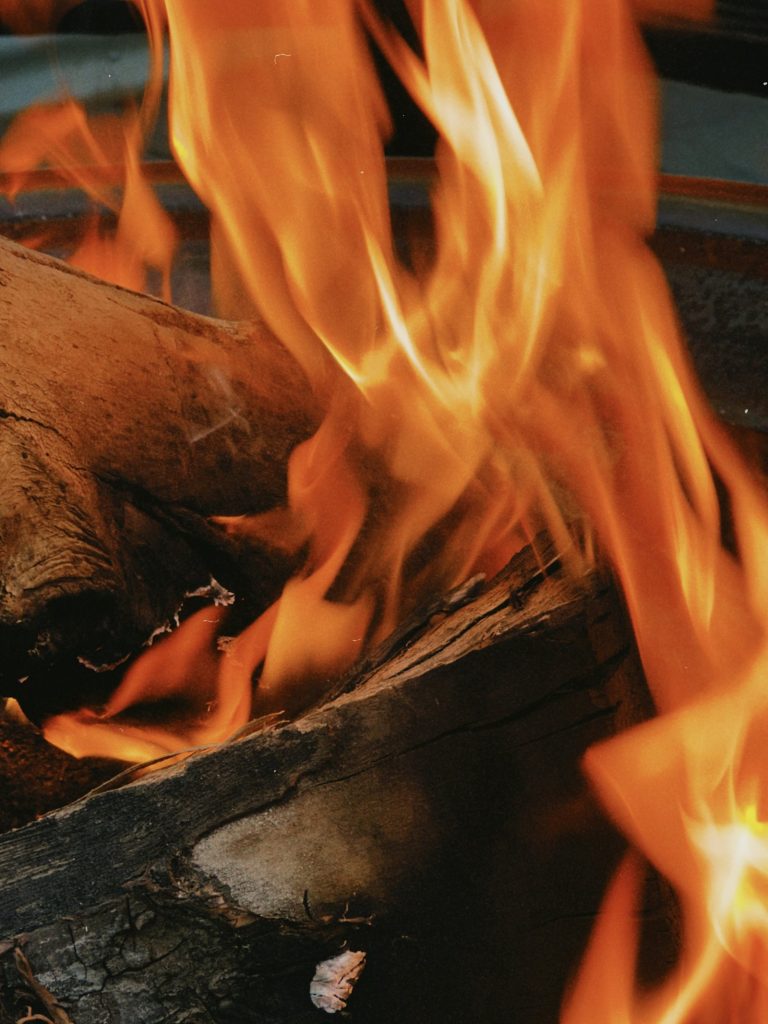
In a survival situation, foodborne illness is a genuine threat. Vomiting and diarrhea will dehydrate and weaken you far faster than the hunger you were trying to fix. So cook nearly everything you catch. Fresh water and the animals in and around it harbor parasites; reptiles and their handlers carry salmonella; insects hold parasites in their shells. A fire is your sterilizer as much as your stove. Boil or thoroughly roast fish, shellfish, frogs, reptiles, insects, birds, and mammals before eating.
Clean your catch promptly, especially in heat. Fish spoil within hours. Gut and bleed fish soon after catching, and cook meat while it’s fresh or preserve it by drying, smoking, or (in the cold) freezing. Wash your hands after handling reptiles and raw game, and keep raw food away from cuts and scrapes. Only a few things are safe raw, fully marine fish caught well offshore, and purged earthworms, and even those are safer cooked when you can manage a fire.
Common mistakes
- Chasing food before water and shelter. You’ll die of thirst or cold long before hunger. Handle those first.
- Spending more energy than you gain. Exhausting yourself hunting big game is a losing trade. Work insects, fish, and traps that pay back more than they cost.
- Eating unknown plants. The deadliest survival food is a misidentified plant. If you’re not certain, get calories from animals instead.
- Trusting the edibility test as a shortcut. It’s slow, imperfect, and a last resort, not a license to eat anything.
- Eating your catch raw. Parasites and bacteria will wreck you. Cook freshwater fish, shellfish, reptiles, and insects.
- Setting traps carelessly. A snare in the wrong place, or reeking of human scent, catches nothing. Read the runs, mask your smell, and set several.
- Ignoring the easy stuff. Grubs under a log and mussels at low tide feel less heroic than a hunt, but they’re the food that keeps you going.
What to carry
- Real food. The best survival food is the calories you packed. High-energy bars and dense emergency rations weigh little and remove the problem entirely for a short emergency. Always carry more than you plan to eat.
- A compact fishing and snare kit , hooks, line, and a few feet of snare wire turn the water’s edge and game trails into passive food. It belongs in every survival kit.
- A solid multitool or knife , the Leatherman Wave+ cleans fish and game, cuts cordage, and builds traps and tools.
- A stove and pot . Cooking is what makes wild food safe; the MSR PocketRocket 2 boils water and cooks your catch fast. Carry a lighter and backup ignition.
- A first aid kit , an Adventure Medical .7 covers the cuts, spines, and stings that come with handling wild food, which infect easily.
Build a survival kit you’ll actually carry
Key takeaways
Food is the survival need that panics people most and threatens them least, so start by putting it in its place: behind water, shelter, and warmth. When it’s time to eat, work from the easy, low-risk end, insects and grubs under rotting wood, fish and shellfish at the water’s edge, small game in passive traps and snares, and forage only plants you can name with certainty. Read each environment for where its food concentrates: streams and logs in the forest, meltwater fish in the mountains, reptiles and washes in the desert, the tidal zone on the coast, riverbanks in the jungle, and summer waters in the cold. Spend less energy than you take in, cook nearly everything, and skip the handful of things that are more dangerous than hunger. Do that, and you can keep yourself fed almost anywhere long enough to get home.
Adapted in part from the U.S. Army Survival Field Manual (FM 3-05.70 / FM 21-76), Chapters 8 (“Food Procurement”), 9 (“Survival Use of Plants”), and the desert, tropical, and cold-weather survival chapters (edible animals and insects, trapping and fishing methods, the Universal Edibility Test, and regional food sources), with modern field practice on food priorities, foraging safety, and the limits of the edibility test.
Wilderness Experts is reader-supported. As an Amazon Associate we earn from qualifying purchases; when you buy through links on our site we may earn a commission at no extra cost to you. It never changes what we recommend.