
MSR Evo Trail Snowshoes Review: the all-round modern snowshoe
Snowshoes solve the other half of winter footing. Where traction stops you sliding on a hard surface, flotation stops you sinking into a soft one, and the MSR Evo Trail is the modern all-rounder most people should start with. It is the shoe that turns an exhausting wallow through fresh snow into an ordinary walk, and it carries enough steel underneath to hold a packed trail and a moderate slope.
Quick take
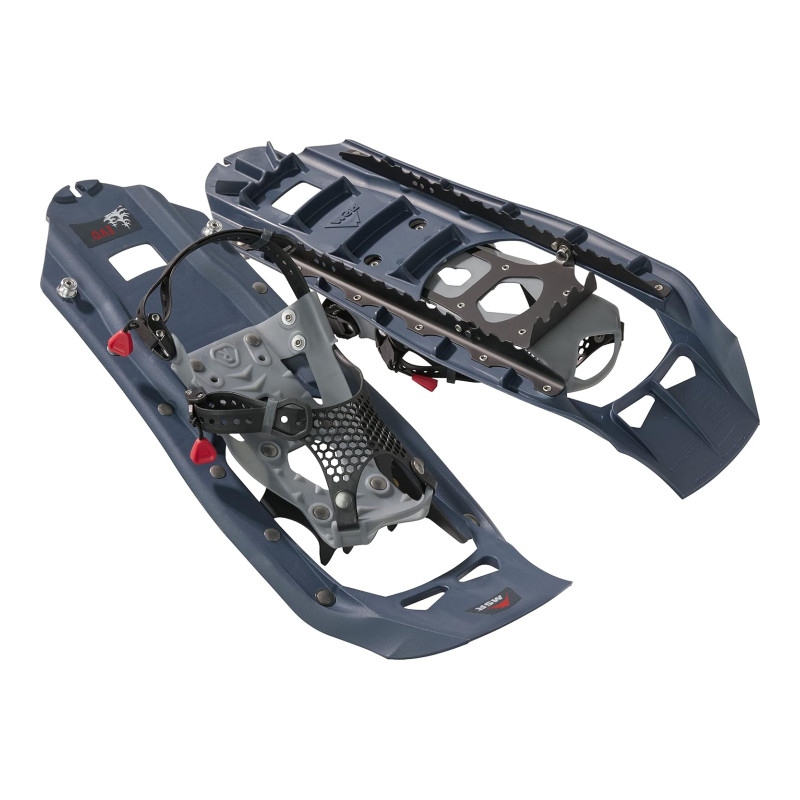
The default modern snowshoe, and the one to buy if you are buying one pair. A one-piece injection-moulded deck with steel toe and heel crampons and traction rails along the frame, which is what lets it hold crust and moderate climbs rather than only floating. The Paraglide binding takes almost any boot and can be worked in gloves. At 22 inches (56 cm) it is a rolling-and-forested-terrain shoe rather than a deep powder one, and flotation tails are sold separately, not in the box. Straps are the weak point and want checking. Simple, tough, and made to be used rather than admired.
What it does
The Evo Trail spreads your weight over a much larger area so you sink less. It will not float you on top of fresh powder, and anyone who tells you otherwise has not broken trail, but it reduces how far you sink, which is usually the difference between a hike and a swim. The deck is a single injection-moulded UniBody piece rather than a frame with fabric stretched over it, which gives it a useful amount of flex and very little to break. Underneath sit steel crampons at the toe and heel plus traction rails running along the frame edges, and that hardware is the reason it holds on packed trail, crust and moderate slopes instead of skating sideways on a traverse. The Paraglide binding uses a stretch mesh that pulls in around the foot and takes everything from a light hiker to a snowboard boot, with glove-friendly straps and buckle tabs so you are not removing mitts to get in and out. The shoe measures 22 x 8 inches (56 x 20 cm) and the pair weighs 3 pounds 10 ounces (1.64 kg), fitting shoe sizes 3 to 13 men’s and 5 to 15 women’s. Attachment points at the tail accept modular 6 inch (15 cm) flotation tails, which add surface area for deep powder or a heavy pack.
What verified buyers say
Verified-purchase owners, a mix of complete beginners and people who already own a second, more specialised pair, land on the same themes:
- They work first time out. A striking share of positive reviews come from people who had never used snowshoes before, took these onto deep trail, and simply got on with it. Ease of getting in and out is the most cited reason.
- Rental-fleet durability. Owners note these are what Nordic centres hand out, and treat that as the relevant durability test: shoes that survive being issued to strangers all season.
- Good on packed and rolling ground. Repeat users describe flat and gently rolling terrain, packed trail and fresh snow alike, with the underfoot steel giving confidence on crust.
- Owners of pricier shoes still use them. Several buyers who own a more aggressive mountaineering snowshoe keep these as the pair they actually grab for ordinary days.
Worth knowing
The bindings are the part that fails, which is true of nearly every snowshoe and is worth saying plainly here. The most common critical reports are straps working loose over rough or rocky ground, and in some cases the heel strap pulling through the deck. Set them up at home with the boots you will wear, check them at the first stop, and know how you would improvise a repair a long way from the road, because a binding that lets go in deep snow ends the day. The listing photography also shows the 6 inch (15 cm) flotation tails, and a steady stream of buyers are surprised that these are sold separately: if you expect deep unconsolidated powder or a heavy overnight load, budget for the tails as part of the purchase. Finally, size honestly. Twenty two inches (56 cm) suits a lighter person on packed and rolling ground, and total weight is what matters, so add your pack before reading any manufacturer chart.
Who it is for
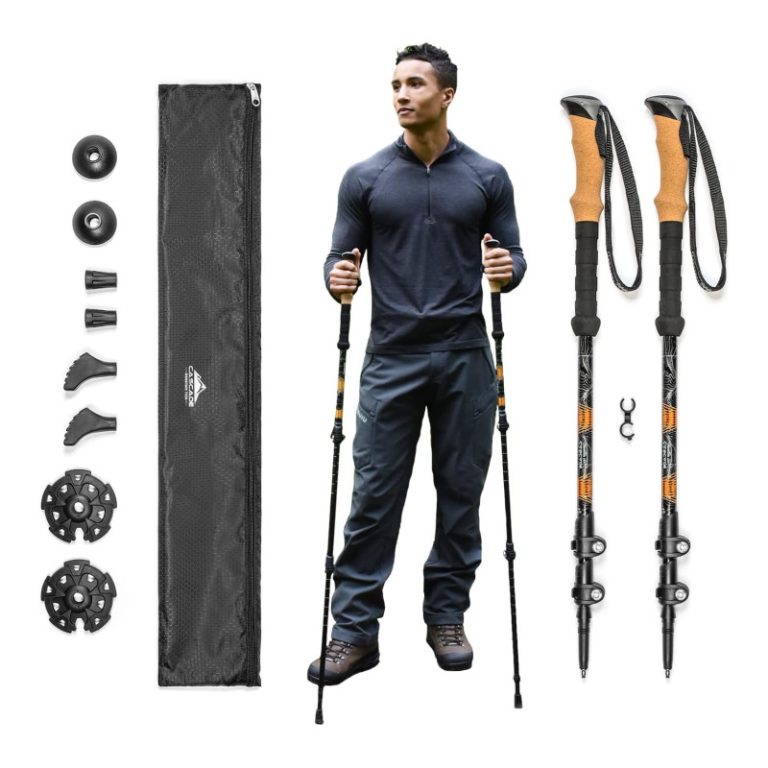
The committed winter walker rather than the curious one, which places it in our Enthusiast tier: an expert heading into steep alpine terrain will move up to a more aggressive shoe with a heel lift and sharper rails, so this does not quite serve every rung without penalty. For everyone below that line it is close to ideal, and it covers the great majority of winter hiking, which happens on flat, rolling and forested ground. It pairs with trekking poles fitted with the wide snow baskets that most people leave in the box, and with gaiters, which matter more on snowshoes than off them because the solid deck flicks snow up the back of your leg with every stride. On a mixed day carry traction as well, because the right answer changes several times between the trailhead and the turnaround.
Specs at a glance
- Size22 x 8 in (56 x 20 cm)
- Listed weight3.6 lb (1.6 kg) · pair, 22 in (56 cm)
- Deckinjection-moulded UniBody
- Tractionsteel toe and heel crampons plus frame rails
- BindingParaglide stretch mesh, glove-friendly straps
- Fitsmen’s 3 to 13, women’s 5 to 15 (EU 36 to 47)
- Tails6 in (15 cm) modular, sold separately
Wilderness Experts is reader-supported. As an Amazon Associate we earn from qualifying purchases; when you buy through links on our site we may earn a commission at no extra cost to you. It never changes what we recommend.
The Verdict
If you are buying one pair of snowshoes, buy these. The Evo Trail is tough, simple, forgiving of a first-timer and good enough that experienced snowshoers keep reaching for it, and the steel underfoot means it holds ground that a pure flotation shoe would slide off. Set the bindings up before you need them, add the tails if your snow is deep, and size from your total loaded weight rather than your height. For the hard and slippery side of winter footing see the Kahtoola MICROspikes, and our guide to travelling safely on snow and ice covers sizing, bindings and how to break trail without wrecking your group.