
Earth Pak roll-top dry bag review: the bag that keeps your warm layer warm
In an open boat, everything gets wet eventually. Spray, drips off the paddle shaft, the inch of water in the bottom you have not bailed yet, and the swim you did not plan on. The one thing that cannot get wet is the dry layer you will need if you go in, because a spare fleece that is already soaked is just extra weight. A dry bag is the cheapest piece of safety equipment in the boat, and the Earth Pak roll-top is the one most paddlers end up owning.
Packing for the water? Our guide to canoe and kayak safety covers what belongs on your body against what belongs in the boat, and why the difference matters more than the list.
Quick take
The workhorse roll-top: heavy PVC tarpaulin, a closure with nothing to break, and sizes from a 5 L stuff sack to a 40 L haul bag. It keeps water out reliably when you roll it properly, which means three full turns and then buckle. The bundled phone case is the weak link and should not be trusted with a phone over water, but the bag itself is the safe, boring choice, and boring is the correct standard for a dry bag.
What it does
A roll-top dry bag works by folding its own opening against itself. You leave a few inches of air at the top, fold the stiffened lip over three times, and clip the buckle so the roll is held closed under tension. The seal is the fold, not the buckle, which is why the number of turns matters more than how hard you pull. Done properly the bag will keep its contents dry through rain, spray, and a swim; it is not a submersible container and should not be treated as one on a deep dive, but for the way paddlers actually use it, that distinction rarely comes up.
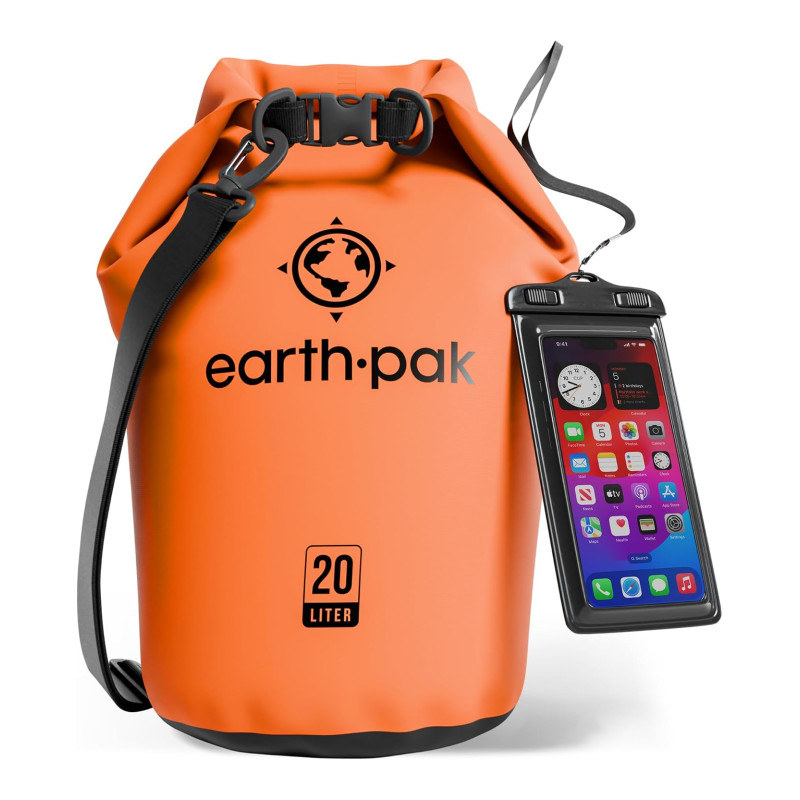
The Earth Pak is made from 500-denier PVC tarpaulin, which is the heavy, slightly stiff material that makes these bags feel indestructible and also makes them heavier than a lightweight backpacker’s dry sack. That trade is the right way round for boating, where abrasion against a gunwale or a rock beach does more damage than a few extra ounces ever will. Sizes run from 5 L up to 40 L. For most paddlers a 10 L holds the warm layer, hat and emergency bivvy that make up the get-warm kit, while a 20 L or 30 L takes a full change of clothes and lunch for a day trip. The larger sizes carry backpack straps and a zippered outer pocket; the smaller ones use a single shoulder strap.
One property worth understanding: a sealed dry bag with air left in it floats, and floats well. That is partly why you leave air at the top. A bag that floats is a bag you can recover after a capsize instead of watching sink, and it adds a little buoyancy to a swamped boat. It is not flotation equipment and it is not a substitute for proper float bags in an open canoe, but the behaviour is useful and it is the reason to resist the urge to squeeze every last bubble out before rolling.
What verified buyers say
Across verified-purchase reviews, the same points come up:
- The bag itself keeps water out. Owners report gear staying dry through river float trips, sea kayaking, boat spray and open-deck crossings, and several describe testing it deliberately with paper towel inside before trusting it with anything that matters. That is the right instinct with any dry bag.
- The material inspires confidence. Buyers describe it as solid and abrasion-resistant with no worries about tearing, and the range of sizes and colours comes up often as the reason people buy a second and a third.
- It floats well enough to be noticed. One owner describes blowing extra air in and using a packed bag as improvised flotation for a weak swimmer, which is not its purpose but says something about the seal.
- The bundled phone case is the recurring failure. Multiple owners report the phone case strap breaking within seconds of putting it on, with the phone going into a river or creek, and at least one leak test where tissue inside came out damp. The consistent advice from owners is to use the bag and set the phone case aside.
- It is heavier and bulkier than a lightweight dry sack. Backpackers and carry-on-only travellers find it too heavy for their purposes, which is a fair complaint about a bag built for boats.
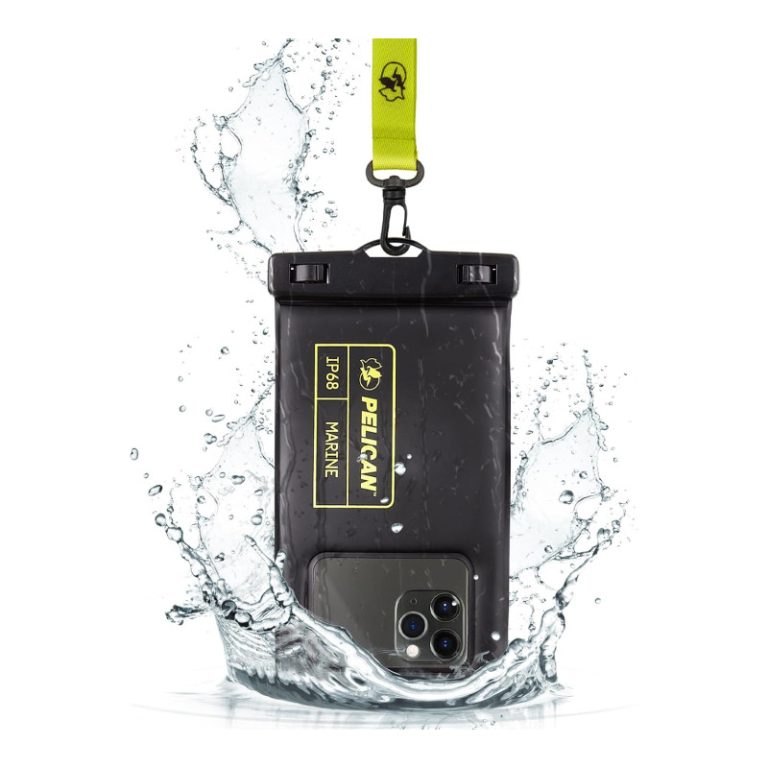
Buyer reports are consistent enough on the phone case that we treat it as a known weakness rather than bad luck. If you want a phone protected over water, use a purpose-built pouch: our review of the Pelican Marine waterproof phone pouch covers the one we would carry, including the lanyard change we would make to it.
Worth knowing
Roll it three full turns or it will leak, and leave air in rather than squeezing it flat, because the trapped air is both part of the seal and the reason the bag floats. Do not trust the included phone case with a phone you care about. The PVC is stiff in the cold and noticeably less pleasant to roll on a frosty morning, and the single shoulder strap on the smaller sizes digs in if you carry a heavy load any distance, so the backpack-strap sizes are worth it if you portage. Finally, a dry bag protects against water, not against being lost: clip it to a thwart or a deck line, because gear that is not secured leaves with the boat.
Who it is for
This is the dry bag for anyone who paddles, and specifically for the job our paddling guide describes as dry insulation in a dry bag: a warm layer, a hat, and an emergency bivvy, sealed and secured so that reaching shore means getting warm rather than standing there shivering. It suits canoe day trips, kayak touring, raft trips, and any camp where gear sits out in the rain. Ultralight backpackers counting grams should buy a lighter silnylon dry sack instead; sea kayakers who need genuine submersion-proof storage for camera gear should look at a purpose-built waterproof case. For everyone else, this is the bag that does the job and stops being interesting, which is exactly what you want from it.
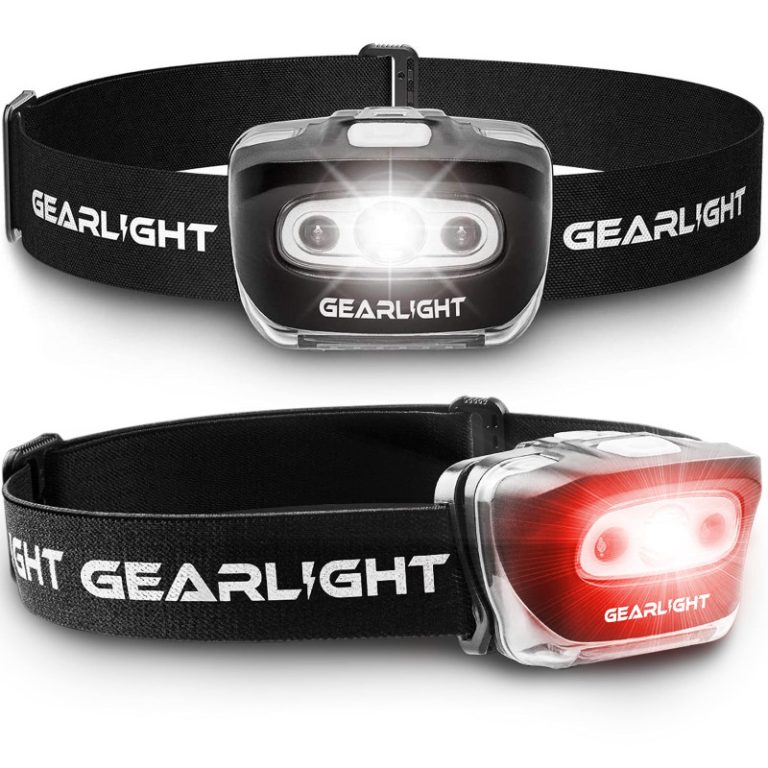
Pair it with the rest of the get-warm kit: a merino base layer that keeps working when damp, a headlamp in case the day runs long, and a waterproof first aid kit, because everything else in the boat is going to get wet.
Specs at a glance
Type: roll-top dry bag · Material: 500-denier PVC tarpaulin · Sizes: 5 L, 10 L, 20 L, 30 L, 40 L · Closure: three-fold roll with buckle · Carry: shoulder strap on small sizes, backpack straps and zippered pocket on large · Floats when sealed with air inside · Includes a phone case we would not rely on · Best for: paddling, rafting, wet-weather camping
Wilderness Experts is reader-supported. As an Amazon Associate we earn from qualifying purchases; when you buy through links on our site we may earn a commission at no extra cost to you. It never changes what we recommend.
The Verdict
The Earth Pak roll-top is the dry bag to buy when you want to stop thinking about dry bags. The tarpaulin is tough enough for boat use, the closure has nothing in it that can fail, and the size range covers everything from a get-warm kit to a weekend’s clothes. It is heavier than a backpacking dry sack and the bundled phone case genuinely should not be trusted with a phone over water, but neither of those is a reason to look elsewhere for the bag itself. Roll it three times, leave the air in, clip it to the boat, and put the layer in it that you would want if you were suddenly wet and cold a long way from the car.