

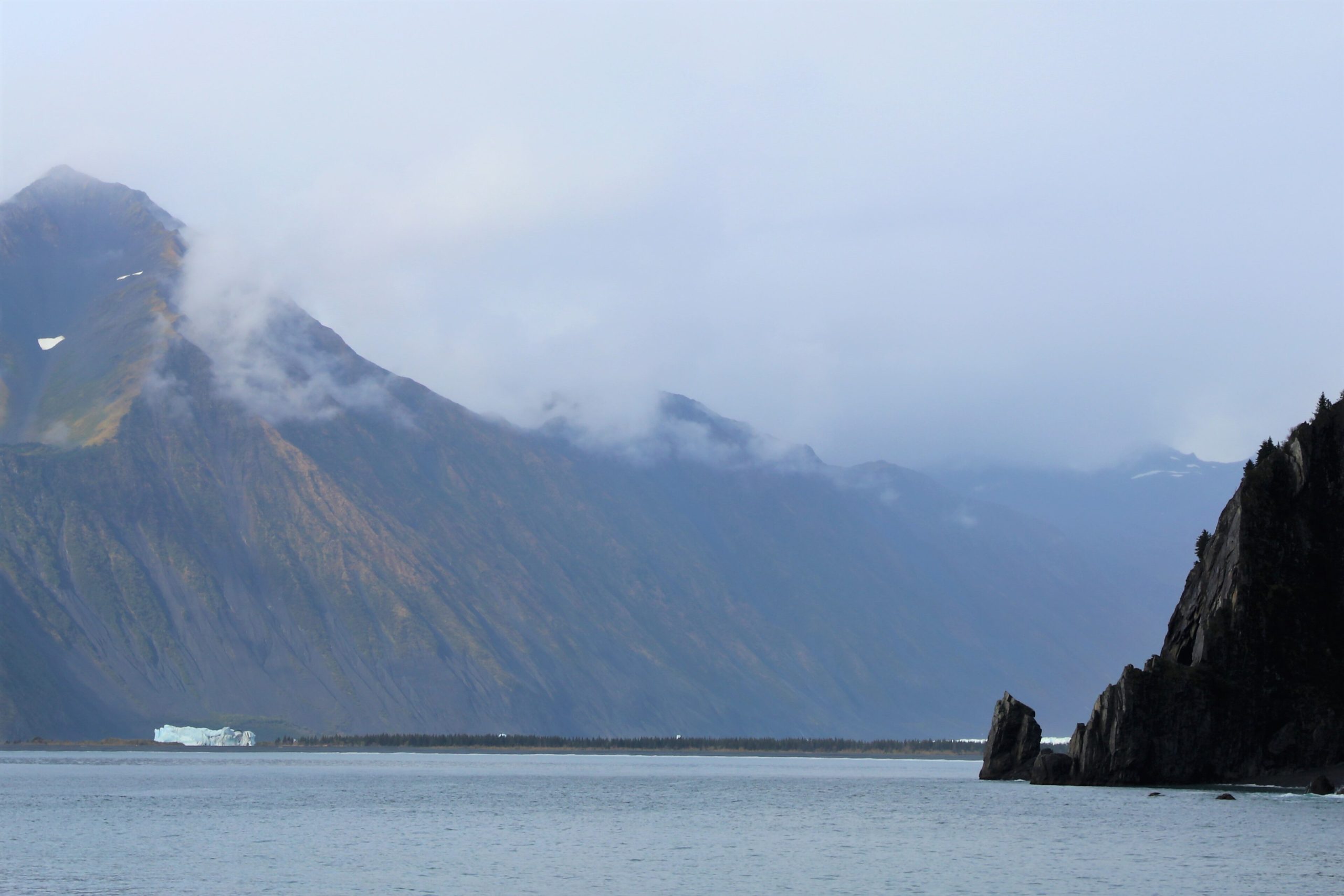
Kenai Fjords National Park
Kenai Fjords sits at the seaward edge of the Kenai Peninsula, where the ice age still spills into the sea. The 714-square-mile Harding Icefield crowns the park and feeds nearly 40 glaciers, several of which calve directly into the Gulf of Alaska. It is a landscape of hard contrasts, ancient ice above, whale-rich waters below, and, unusually for a national park, it charges no entrance fee.
Fast facts
- Established: 1980, under the Alaska National Interest Lands Conservation Act
- Size: about 607,000 acres (2,460 km²) of coastline and glacial ice
- Crown feature: the Harding Icefield, 714 square miles (1,850 km²) feeding nearly 40 glaciers
- Fee: no entrance fee
- Location: just outside Seward, about 126 miles (203 km) south of Anchorage
- Managed by: National Park Service
The landscape
Everything here is shaped by the meeting of ice and ocean. Glaciers flow down from the Harding Icefield and terminate in the sea, calving bergs into the fjords below steep peaks and deep, rugged inlets. Much of the park is inaccessible by land, but the coastline teems with marine life while the inland reaches offer views of ancient ice and alpine tundra. Many of the glaciers are visibly shrinking, making the park a living record of a changing climate.
Best time to go
June through August is the prime window, milder weather, long daylight, and peak wildlife viewing, and the only time the park is fully accessible by boat for glacier and wildlife cruises. May and September bring fewer crowds and lower prices but less reliable weather and reduced services. Winter shuts down much of the park, though Seward stays open year-round.
Getting there and around
Seward is the gateway. Most visitors fly into Anchorage and drive the scenic Seward Highway, or ride the Alaska Railroad’s summer Coastal Classic. Only the Exit Glacier area is reachable by road; the rest of this marine-based park is explored by boat, kayak or on foot, so a day cruise or paddle is how most people see the fjords and glaciers.
Things to do
Glacier and wildlife cruises are the headline, running the fjords past calving ice and spotting whales, sea lions and puffins. On land, the Exit Glacier trails and the strenuous Harding Icefield Trail deliver close glacial views, sea kayaking offers an intimate paddle among the ice, and guided helicopter or ice-climbing trips reach the icefield itself. Black bears, mountain goats and bald eagles are all regularly seen.
Staying safe
Cold water is the main hazard. Wear a life jacket on any boat or kayak and be ready for immersion and hypothermia. Carry bear spray, travel in groups, walk into the wind so bears smell you coming, and use bear-resistant food storage. Keep a safe distance from all wildlife and from unstable, calving glacier faces. Alaska weather changes rapidly, so carry rain gear, dress in layers, and check conditions before you set out.
Know before you go
There is no entrance fee, and Seward is your hub for lodging, food and tour operators, so book ahead in summer. Cell service is very limited or absent in most of the park. Plan accordingly and share your itinerary. This page is a general overview, not a live conditions report; always confirm current conditions, cruise schedules and permits with the National Park Service before your trip.
- Coordinates
- 59.8686, -150.2468
- Magnetic declination
- 13.9° E (2026)
Set this declination on your compass, then align it to the map's north lines; it is the angle between true north and magnetic north, refreshed each year.
A spread of the park’s main places shows straight away, and the rest appear as you zoom in. You can also search above, or pick any place from the lists below, and the map will go to it.
On the trail 2
Campground
Hut or shelter
Sights 37
Viewpoint
Waterfall
Point of interests
Peaks
Map data comes from third-party sources and may be incomplete or out of date, so carry a current official map (terms).
- Best seasons
- Summer (June to August)
- Difficulty
- Easy to strenuous
- Access / trailheads
- Gateway town is Seward (drive the Seward Highway or take the Alaska Railroad from Anchorage). Only Exit Glacier is reachable by road; the rest of the park is accessed by boat, kayak or on foot.
- Water
- Streams along the coast and near Exit Glacier; filter or treat all water. Carry fresh water on boat and kayak trips.
- Cell / satellite coverage
- Very limited to no cell service. Carry charts, a satellite messenger, and leave a float plan.
- Nearest ranger / SAR / emergency
- U.S. Coast Guard for marine emergencies; contact the Seward ranger station. Life-threatening emergencies: 911.
- Permits & regulations
- No entrance fee. Backcountry use and the public-use cabins require reservations; commercial guides need a Commercial Use Authorization.
- Leave No Trace
- Pack out all waste, use bear-resistant food storage, keep clear of calving glacier faces, and follow Leave No Trace.
January
- Below freezing all day
February
- Below-freezing nights
March
- Below-freezing nights
April
- Below-freezing nights
May
June
July
August
September This month
October
November
- Below-freezing nights
December
- Below-freezing nights
What to bring depends on your trip: how long you’re out, where you sleep, and how far you go from the road. The planner builds the list for yours.
Plan a trip here →Averages for 1991–2020 from NOAA U.S. Climate Normals, measured at the Seward Airport station, 34 miles (54 km) away at 14 feet (4 m). Conditions change with elevation: expect it colder higher up.