

Cuyahoga Valley National Park
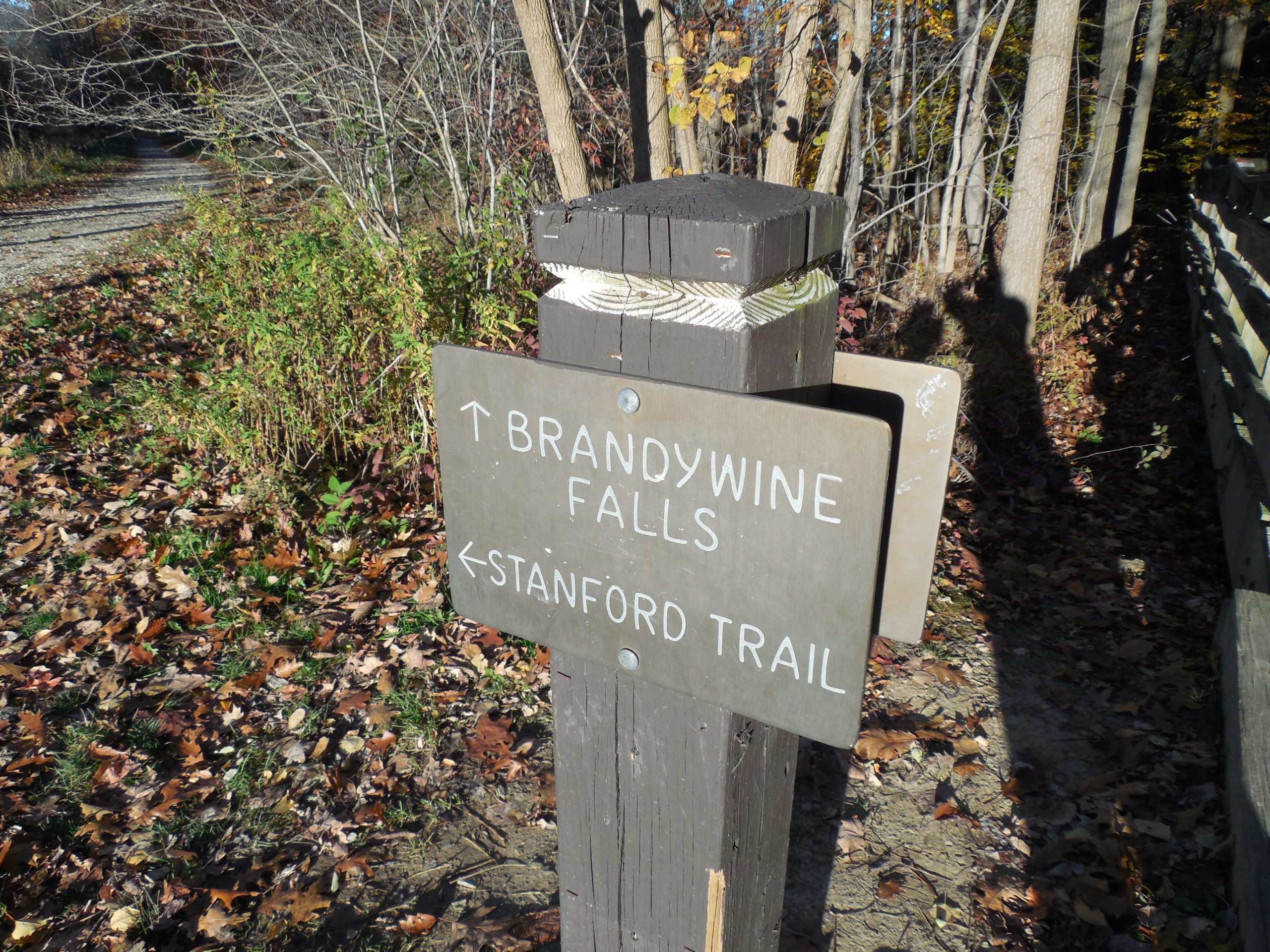
Cuyahoga Valley is an unexpected pocket of nature between Cleveland and Akron, a green corridor of forests, waterfalls, wetlands and rolling farmland along the winding Cuyahoga River. Once heavily industrialized, the reborn valley now offers waterfalls like Brandywine, the historic Ohio & Erie Canal Towpath, and a beloved scenic railroad, all within easy reach of millions of people.
Fast facts
- Established: national recreation area 1974; national park in 2000
- Size: about 33,000 acres (130 km²) along the Cuyahoga River
- Highlights: Brandywine Falls, the Towpath Trail and the scenic railroad
- Fee: no entrance fee
- Gateways: Cleveland and Akron, Ohio
- Managed by: National Park Service
The landscape
The park follows the Cuyahoga River as it winds through a broad valley of deciduous forest, ravines and waterfalls, restored wetlands, and pockets of preserved farmland. It is a recovering landscape, a river once infamous for pollution now clean enough to draw herons, beavers and river otters, and a haven for birds and wildlife amid a dense urban region.
Best time to go
Spring brings wildflowers and full waterfalls, summer offers lush green and full services on the railroad and trails, and fall lights the valley in color, the most popular season. Winter is quiet and often snowy, good for cross-country skiing and sledding, with the waterfalls sometimes frozen into ice sculptures.
Getting there and around
The park sits right between Cleveland and Akron, easily reached off I-77 and I-80 and a web of local roads, with many access points. The Towpath Trail and the Cuyahoga Valley Scenic Railroad run the length of the valley (you can even ride the train one way and bike back), making it one of the most accessible national parks.
Things to do
See Brandywine Falls from its boardwalk, hike the Ledges and Blue Hen Falls trails, and walk or cycle the flat, historic Towpath Trail. Ride the scenic railroad, watch for birds in the Beaver Marsh, tour the historic canal locks and farms, and enjoy winter sports when the snow falls.
Staying safe
Trails near waterfalls and the river can be slippery, so stay on marked paths and behind railings. Ticks and poison ivy are common in the warm months, summer can be hot and humid, and winter paths turn icy. Carry water, use repellent, and wear appropriate footwear for the season.
Know before you go
There is no entrance fee, but the scenic railroad and some programs are ticketed and popular, so book ahead. This page is a general overview, not a live conditions report; always confirm current hours, railroad schedules and closures with the National Park Service before your trip.
- Coordinates
- 41.2551, -81.5697
- Magnetic declination
- 8.4° W (2026)
Set this declination on your compass, then align it to the map's north lines; it is the angle between true north and magnetic north, refreshed each year.
A spread of the park’s main places shows straight away, and the rest appear as you zoom in. You can also search above, or pick any place from the lists below, and the map will go to it.
Getting there 1
Ranger station
On the trail 24
Trailheads
Campgrounds
Hut or shelter
Picnic sites
Sights 18
Viewpoints
Waterfalls
Point of interest
Peak
Map data comes from third-party sources and may be incomplete or out of date, so carry a current official map (terms).
- Best seasons
- Spring, Summer, Fall
- Difficulty
- Easy to moderate
- Access / trailheads
- Between Cleveland and Akron, Ohio, off I-77/I-80 and multiple local roads; the Towpath Trail and scenic railroad run the valley. Very accessible from both cities.
- Water
- Drinking water at visitor centers; carry water on trails.
- Cell / satellite coverage
- Good cell coverage given the urban surroundings.
- Nearest ranger / SAR / emergency
- Contact park rangers or local dispatch; life-threatening emergencies: 911.
- Permits & regulations
- No entrance fee; most activities are free, though the scenic railroad and some programs are ticketed. A few trailheads have limited parking.
- Leave No Trace
- Stay on trails, pack out all waste, respect wildlife and historic sites, and follow Leave No Trace.
January
- Below-freezing nights
February
- Below-freezing nights
March
- Below-freezing nights
April
May
June
July
August
September This month
October
November
- Below-freezing nights
December
- Below-freezing nights
What to bring depends on your trip: how long you’re out, where you sleep, and how far you go from the road. The planner builds the list for yours.
Plan a trip here →Averages for 1991–2020 from NOAA U.S. Climate Normals, measured at the Stow station, 9 miles (14 km) away at 1,060 feet (323 m).