

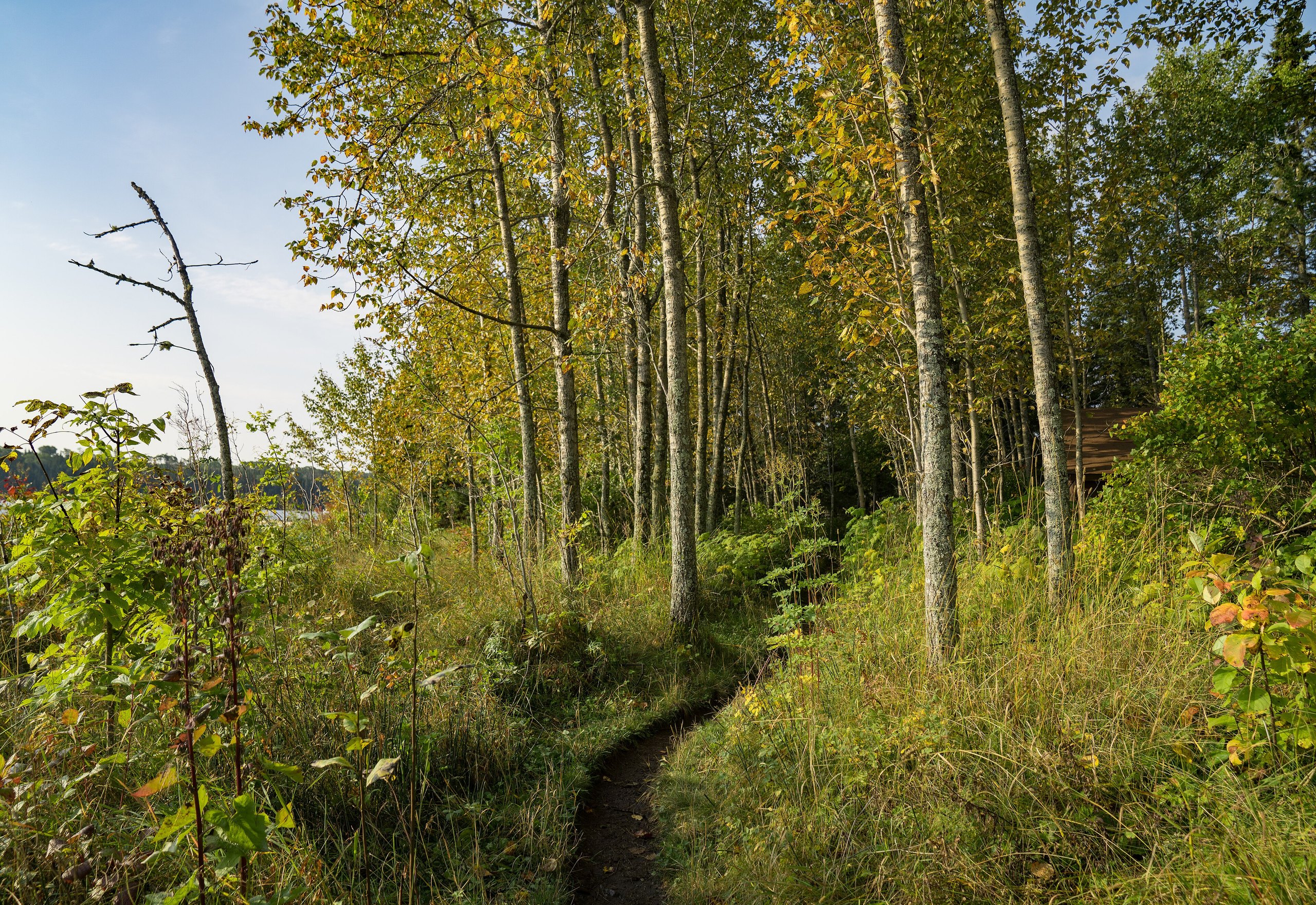
Top 9 things to do in Isle Royale National Park
Isle Royale National Park is a wild island in the northwest of Lake Superior, 45 miles (72 km) long, surrounded by more than 400 smaller islands, closer to the shore of Ontario and Minnesota than to Michigan, which it belongs to. It has no roads and no cars: you arrive by ferry or seaplane, and travel on foot or by boat, along ridges of ancient lava rock, through forests of spruce, fir and birch, past quiet harbours and inland lakes. Moose and wolves share the island, and their story has been studied here without a break since 1958. It is one of the least-visited national parks in the United States, and many of its visitors stay for days. These are the nine outings we would put first. The order starts with what the park is known for, then goes by what an outing gives back for the time and effort it takes. Distances are approximate; times are our estimates and do not include stops.
The park closes from November to mid-April. Lake Superior is cold all summer and storms build quickly, so paddle close to shore and be ready to wait out the wind; ferries and seaplanes can be delayed by weather, so carry extra food. There are no bears on the island, but moose can be dangerous, especially cows with calves in spring and bulls in the fall: give them plenty of room. Filter or boil all water from the lake and streams, and keep food from the foxes and squirrels at camp.
1. Walk from Rock Harbor to Scoville Point
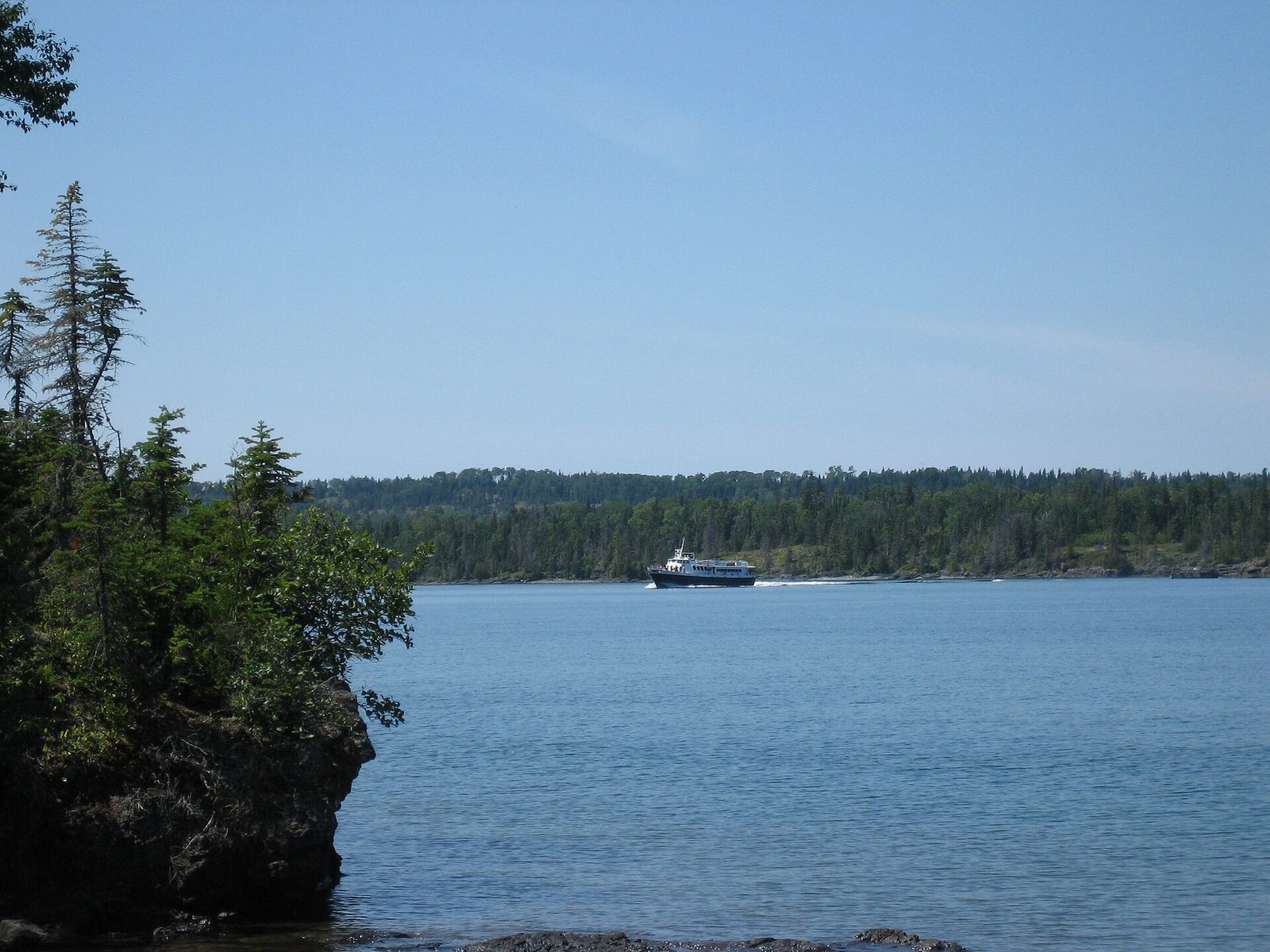
Most visitors arrive at Rock Harbor, near the island’s northeast end, a long, sheltered harbour with a lodge, a campground and the park’s visitor center. From there a trail follows the rocky shore past coves and tiny islands to Scoville Point, a finger of bare rock reaching into Lake Superior, and returns along Tobin Harbor in a figure eight. It is the best short walk on the island, with a good chance of seeing moose, loons and otters.
- Distance: about 4.2 miles (6.8 km) round trip
- Allow: 2 to 3 hours
- Start: Rock Harbor, by ferry or seaplane
- When: June to September
- Suits: most walkers
2. Take the boat to the Edisen Fishery and Rock Harbor Lighthouse
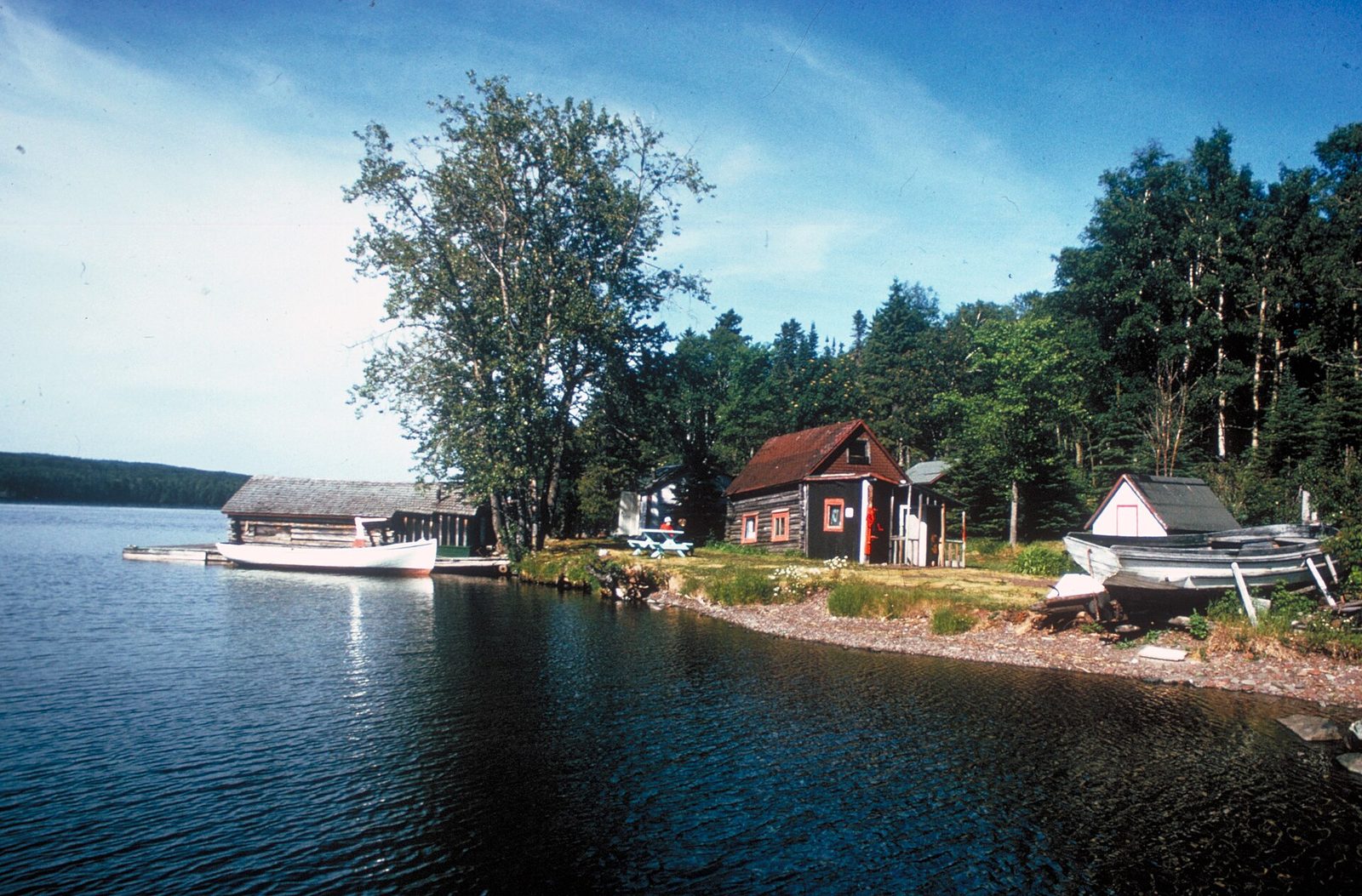
Families fished commercially from the island’s shores for more than a century, and at the Edisen Fishery, where Pete and Laura Edisen lived and fished for decades, the house, net house and boats have been restored, and in summer demonstrations show how the work was done. A short walk away, the Rock Harbor Lighthouse, built in 1855 to guide ships to the island’s copper mines, holds exhibits on the island’s shipping and shipwrecks. A tour boat runs from Rock Harbor, or you can paddle across.
- Allow: half a day
- Start: Rock Harbor, by tour boat or kayak
- When: July and August for the demonstrations
- Suits: everyone
3. Backpack the Greenstone Ridge Trail
The island’s classic hike follows the Greenstone Ridge, the spine of the island, from Windigo in the southwest to Rock Harbor in the northeast, over Mount Desor, at 1,394 feet (425 m) the highest point in the park, and past the fire tower on Mount Ojibway. The trail rolls through forest and open rock with views over Lake Superior on both sides, and campgrounds along the way, most of them down by the lakes and harbours, break it into days.
- Distance: about 40 miles (64 km) one way, plus side trails to the campgrounds
- Allow: 4 to 6 days
- Start: Windigo or Rock Harbor; the ferries make a one-way trip possible
- When: late June to September
- Suits: experienced backpackers
4. Paddle the harbours and inland lakes
Long, sheltered harbours like Rock Harbor, Tobin Harbor and Chippewa Harbor make good paddling, out of the worst of Lake Superior’s waves, and a chain of inland lakes linked by portages, from Chickenbone Lake to Lake Richie, lets canoeists cross the island away from the big lake entirely. Canoes and kayaks can be rented at Rock Harbor and Windigo, or brought on the ferries.
- Allow: a few hours to a week
- Start: Rock Harbor or Windigo
- When: late June to September, on calm days on the big lake
- Suits: beginners in the sheltered harbours; experienced paddlers on Lake Superior
5. Look for moose and listen for wolves
Moose swam or walked across the ice to Isle Royale in the early 1900s, and wolves crossed an ice bridge from Canada around 1950. Since 1958, scientists have followed the rise and fall of the two on the island, the longest-running study of a predator and its prey in the world. Moose are often seen browsing in the shallows of the inland lakes and harbours, especially at dawn and dusk. The wolves are shy and rarely seen, but you may find their tracks on the trails, or hear them howl at night.
- Allow: early mornings and evenings
- Start: anywhere on the island; the shallows of the inland lakes are good for moose
- When: late spring to early fall
- Suits: everyone
6. Hike to Suzy’s Cave
West of Rock Harbor, a trail along the shore leads to Suzy’s Cave, a small arch carved by the waves into the rock when Lake Superior stood higher than it does today, now well inland among the trees. You can return by the Tobin Harbor Trail to make a loop, with views over the quiet harbour.
- Distance: about 1.8 miles (2.9 km) one way
- Allow: 2 to 3 hours round trip
- Start: Rock Harbor
- When: June to September
- Suits: most walkers
7. Explore Windigo and Washington Harbor
At the island’s southwest end, Windigo sits at the head of Washington Harbor, the arrival point for boats from Grand Portage, Minnesota. It is a good base for day hikes into the forest, where moose are often seen, and for exploring the harbour by kayak, past the wreck of the steamer America, which sank near the harbour’s mouth in 1928 and lies close enough to the surface to be seen from a boat on a calm day.
- Allow: a day or more
- Start: Windigo, by ferry from Grand Portage
- When: June to September
- Suits: everyone
8. Hike the Minong Ridge
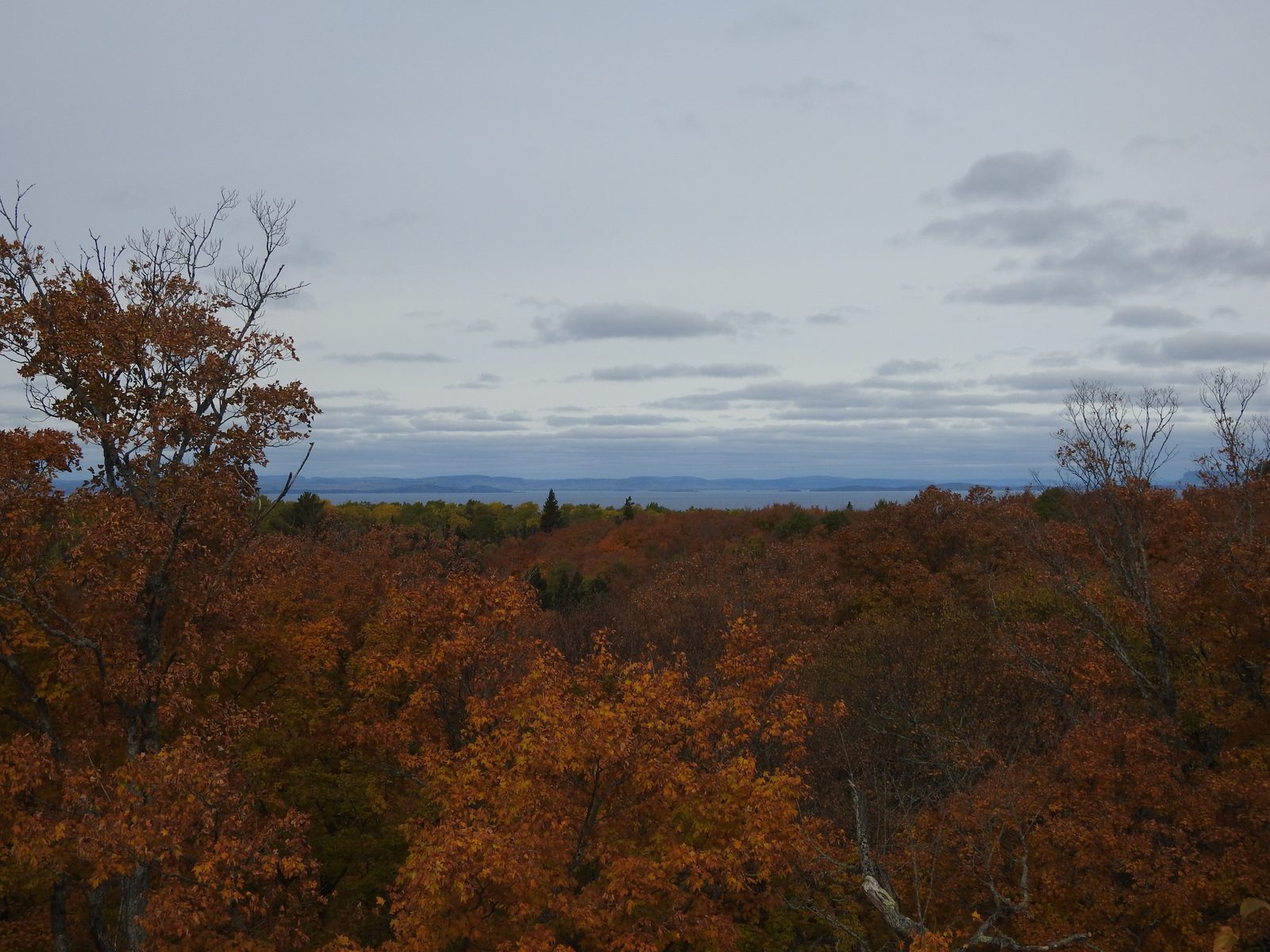
Along the island’s north side, the Minong Ridge Trail is the hardest trail in the park, rugged, little maintained and lightly travelled, climbing over bare ridges of rock with wide views over Lake Superior toward the shore of Ontario. For a taste of it, a day hike from Windigo climbs to the Minong Ridge Overlook. Near the trail’s eastern end are pits where Indigenous people mined copper thousands of years ago.
- Distance: about 3 miles (5 km) one way from Windigo to the overlook; about 28 miles (45 km) for the whole trail
- Allow: 3 to 4 hours for the overlook; 4 to 5 days for the trail
- Start: Windigo, or McCargoe Cove at the eastern end
- When: July to September
- Suits: fit hikers for the overlook; experienced backpackers for the whole trail
9. Dive the shipwrecks
The reefs around Isle Royale have sunk more than two dozen ships, and ten major wrecks lie in the park’s waters, among them the steamers America and Algoma. The cold, fresh water of Lake Superior has preserved them remarkably well, and they are among the best wreck dives in the Great Lakes. The water is cold even in summer, so diving here is for experienced divers in drysuits.
- Allow: a day or more
- Start: Windigo or Rock Harbor, with a dive charter or your own boat; divers register with the park
- When: July and August
- Suits: experienced, cold-water divers
Before you go
This list covers what stays the same from year to year. Closures, ferry and seaplane schedules, campground status and fire restrictions change, and the National Park Service posts them on its own site. The link is on our Isle Royale National Park guide, with the map and how to get there.