

Top 9 things to do in Haleakalā National Park
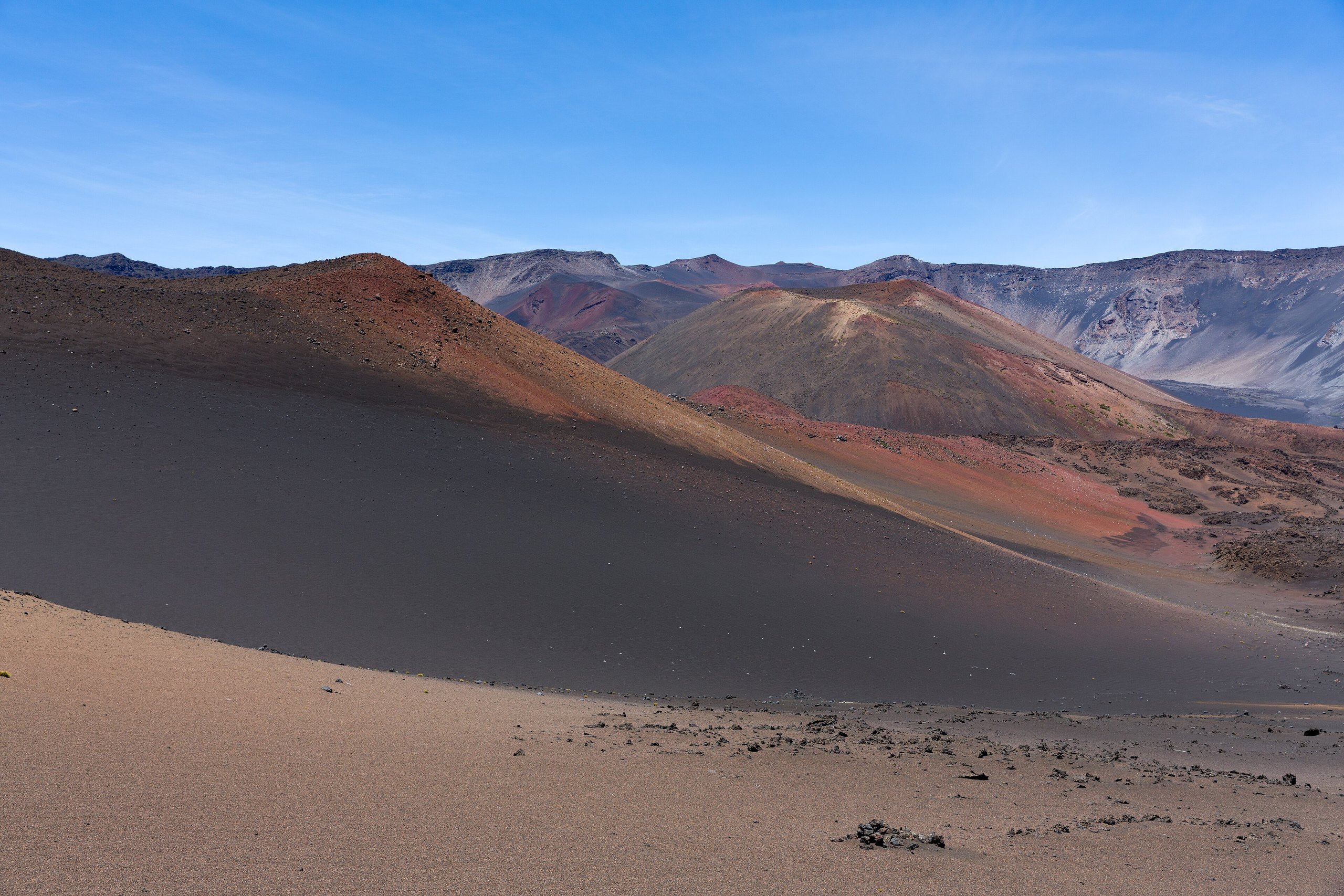
Haleakalā National Park reaches from the 10,023-foot (3,055 m) summit of the volcano that makes up most of Maui down to the sea on the island’s wet southeast coast. The two parts of the park are not linked by any road inside it. The Summit District is a cold, dry world of red and black cinder cones, rare plants and native geese, above a great valley in the mountaintop that most people call the crater. The Kīpahulu District, beyond Hāna, is warm rainforest with waterfalls, bamboo and pools. These are the nine outings we would put first. The order starts with what the park is known for, then goes by what an outing gives back for the time and effort it takes. Distances are approximate; times are our estimates and do not include stops.
The summit is often below freezing before dawn, with a hard wind, even when the beaches below are warm, so bring a winter jacket, hat and gloves. At this altitude you tire quickly and can feel sick: walk slowly, drink water, and be careful with children, anyone pregnant and anyone with heart or breathing problems. Watch for nēnē, the endangered Hawaiian goose, on the summit road. In Kīpahulu, streams can flood within minutes after heavy rain upslope, even under a clear sky over the coast, and people have been swept away at ʻOheʻo Gulch: stay out of the water.
1. Watch the sunrise from the summit
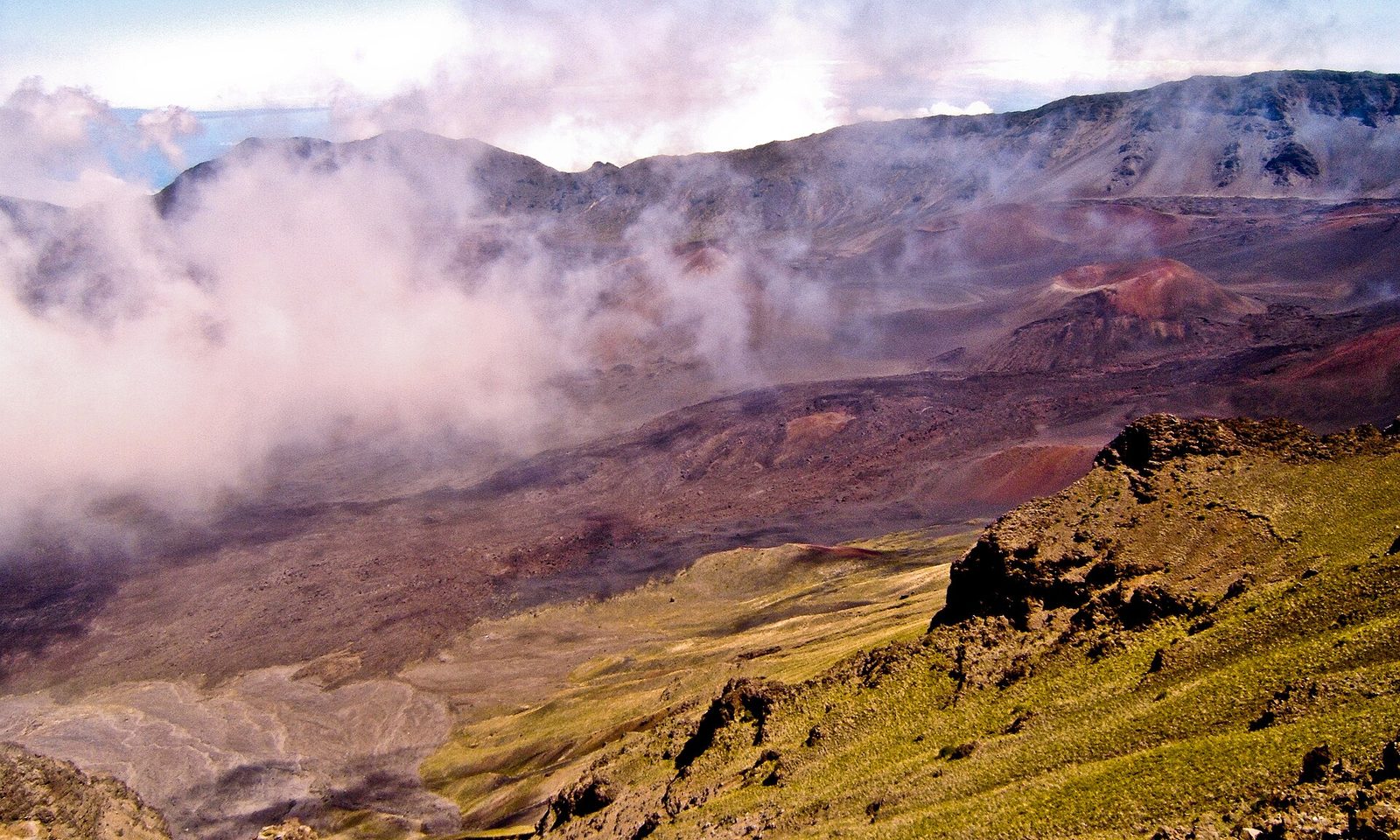
The sunrise from Puʻuʻulaʻula, the summit, is the park’s most famous sight. You stand above a sea of clouds as the sky turns from black to red and gold, and the first light falls across the valley below. It draws a crowd, and the park limits it with a reservation for each car entering between 3 and 7 in the morning. Book it ahead on Recreation.gov: none are sold at the gate. Without one, come for the sunset instead, which needs no reservation and is almost as fine.
- Allow: 2 hours at the summit, plus about 2 hours’ drive up from central Maui
- Start: Puʻuʻulaʻula Summit Building, at the top of the Haleakalā Highway
- When: all year; clear mornings are more common in summer
- Suits: everyone; dress for freezing weather
2. Hike the Sliding Sands Trail into the crater
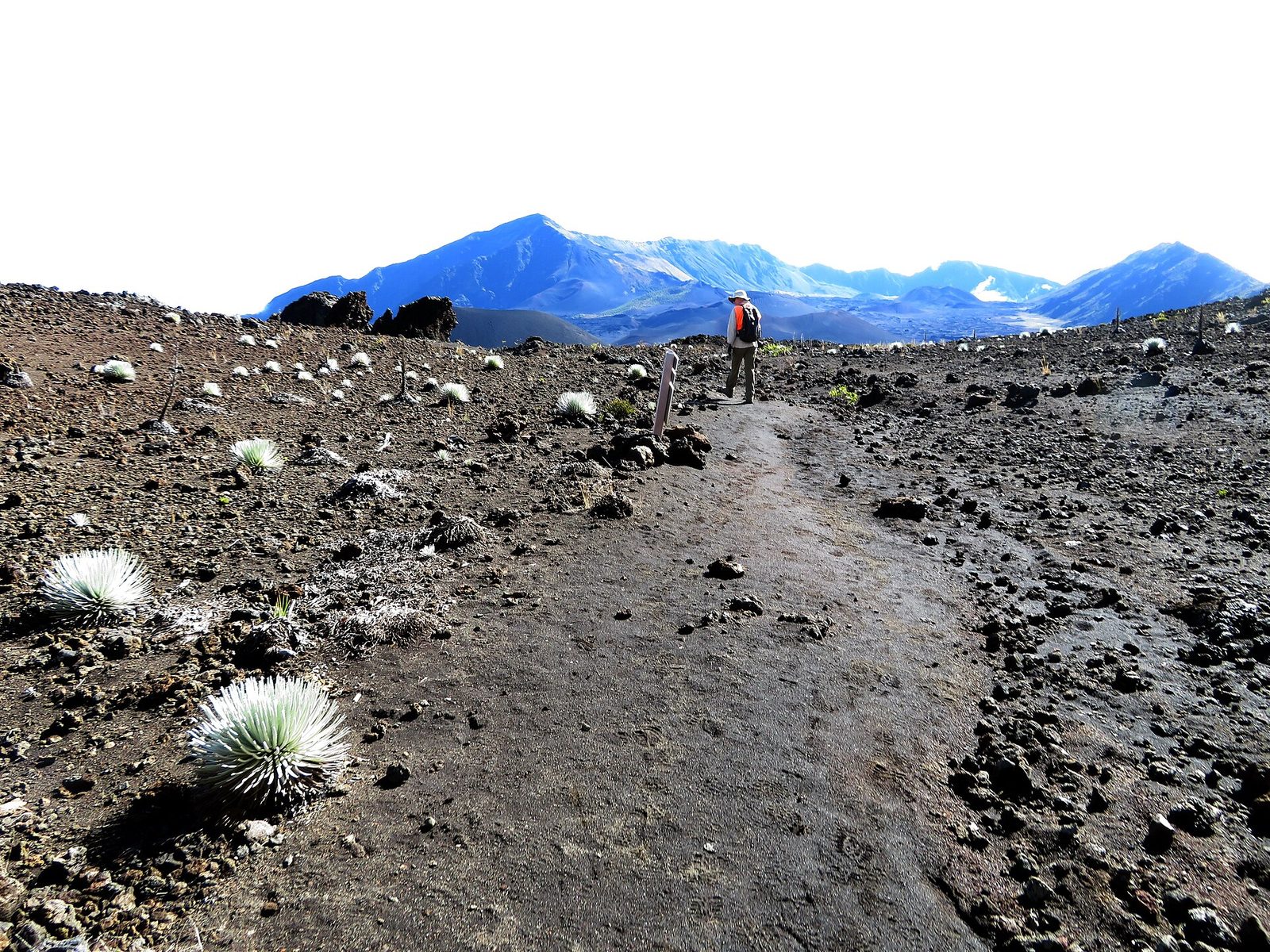
The valley at Haleakalā’s summit is about 7 miles (11 km) long and 2 miles (3 km) wide, a desert of cinder cones in shades of red, black, grey and gold. Keoneheʻeheʻe, the Sliding Sands Trail, drops into it from beside the visitor center on loose cinders that make the way down easy and the way back up hard. A good half day is to walk down to Ka Luʻu o ka ʻŌʻō, the first big cinder cone, and back. Strong hikers with a car at each end can cross the whole valley floor and climb out on the Halemauʻu Trail.
- Distance: about 5.5 miles (9 km) round trip to Ka Luʻu o ka ʻŌʻō; about 11 miles (18 km) one way to the Halemauʻu trailhead
- Climb: about 1,600 feet (490 m) back up from Ka Luʻu o ka ʻŌʻō
- Allow: 3 to 4 hours; a full day to cross
- Start: Keoneheʻeheʻe trailhead, at the Haleakalā Visitor Center parking area
- When: all year; start early, before the midday sun and the afternoon clouds
- Suits: fit hikers; allow twice as long coming up as going down
3. Walk the Pīpīwai Trail to Waimoku Falls
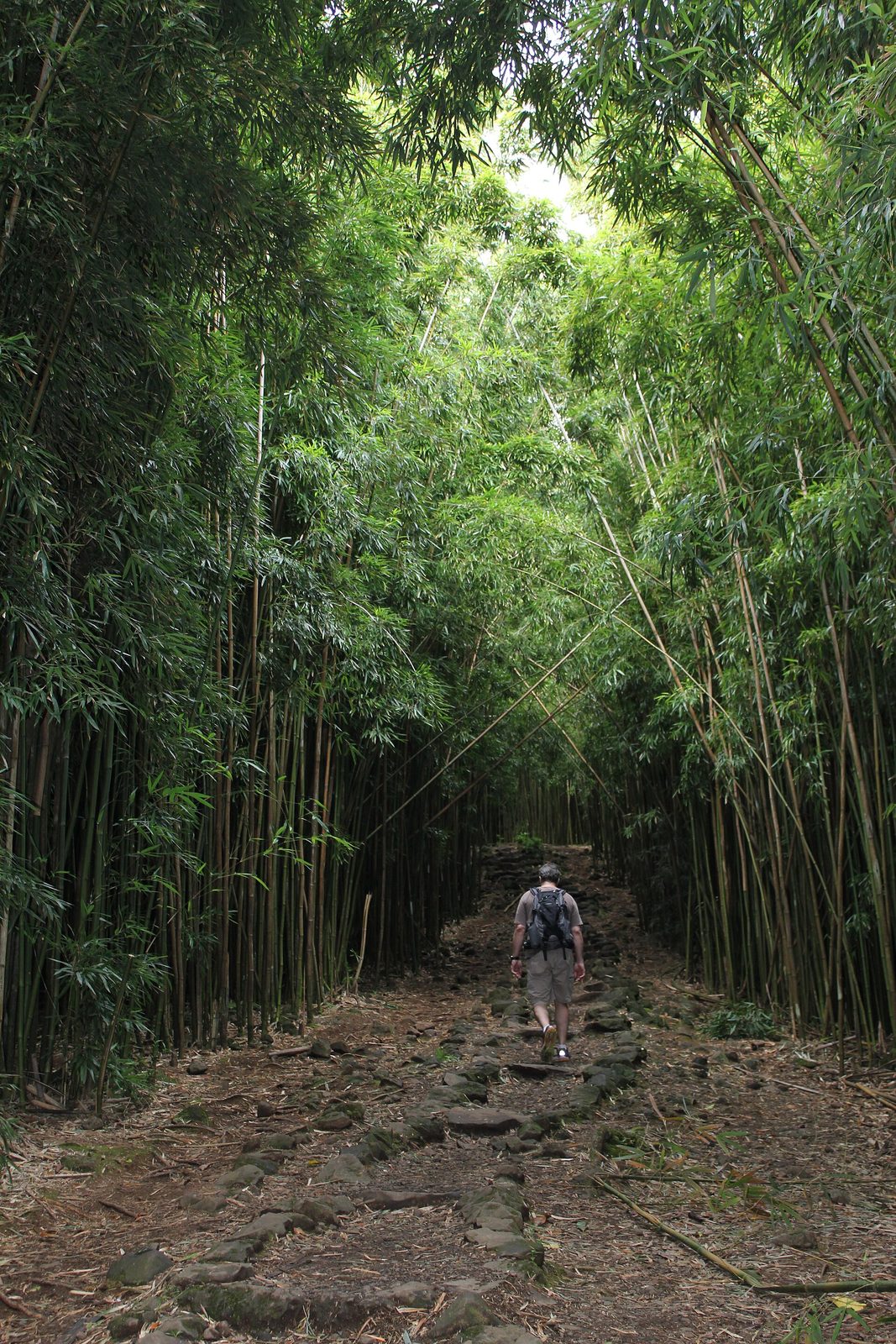
On the coast in Kīpahulu, this trail climbs beside a stream past a giant banyan tree and Makahiku Falls, then enters a forest of bamboo so tall and dense that the stems knock together in the wind with a hollow, woody sound. Boardwalks carry you through it and over the wetter ground. The trail ends below Waimoku Falls, a ribbon of water falling 400 feet (120 m) down a sheer rock wall. It is the best walk on the Road to Hāna, and it is muddy most of the year.
- Distance: 4 miles (6.4 km) round trip
- Climb: about 800 feet (240 m)
- Allow: 2.5 to 3 hours
- Start: Kīpahulu Visitor Center, about 10 miles (16 km) past Hāna
- When: all year; morning, before the tour vans arrive and the afternoon showers start
- Suits: most walkers in shoes that can get muddy
4. See the pools of ʻOheʻo Gulch
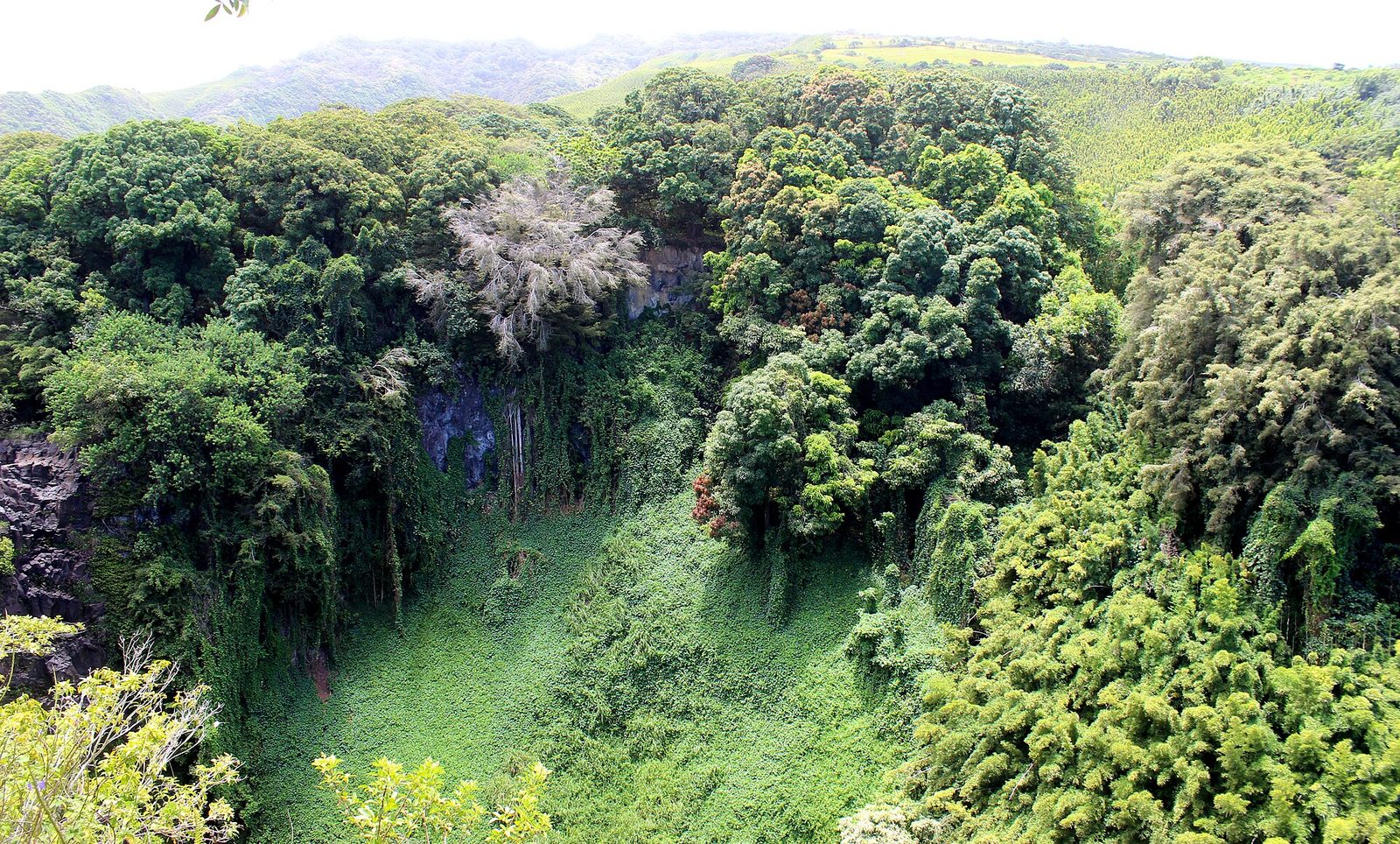
At ʻOheʻo, the stream from Pīpīwai spills down through a series of pools and small waterfalls to the ocean. The short Kūloa Point Trail loops from the visitor center to a viewpoint over the pools and down to the rocky shore where the stream meets the sea, past the remains of old Hawaiian house sites and taro terraces. The pools are closed to swimming, because flash floods and falling rocks have killed people here.
- Distance: about half a mile (800 m) loop
- Allow: 30 minutes
- Start: Kīpahulu Visitor Center
- When: all year
- Suits: everyone
5. Stay for the stars
The summit of Haleakalā is one of the best places in the world to see the night sky, which is why astronomers built observatories on it. It is high, dry and dark, above much of the moisture in the air, and far from big cities. After dark on a moonless night, the Milky Way spreads overhead from horizon to horizon. Stay at one of the overlooks below the summit, and bring the warmest clothes you have.
- Allow: an hour or two after dark
- Start: Kalahaku or Leleiwi overlook, or the summit area
- When: all year, near the new moon; no reservation is needed after dark
- Suits: everyone; dress for freezing weather
6. Find the silverswords at Kalahaku Overlook
The ʻāhinahina, or Haleakalā silversword, grows almost nowhere on Earth except on this mountain. It is a round cluster of silver, sword-shaped leaves that reflects the fierce sun, and it lives for decades before sending up a single tall stalk of purple flowers, setting seed and dying. Goats and visitors nearly wiped it out a century ago. The overlook at Kalahaku has a small fenced garden of them, as well as one of the best views down into the valley.
- Allow: 20 minutes
- Start: Kalahaku Overlook, on the Haleakalā Highway below the visitor center
- When: all year; flowering mostly from June to October
- Suits: everyone
7. Walk the Halemauʻu Trail to the valley rim
This trail starts lower on the mountain, in grassland and scrub where nēnē often feed, and runs to the edge of the valley wall, where the view opens over the cinder cones and down to the switchbacks the trail takes into the valley 1,000 feet (300 m) below. Many people turn back at the rim. On the way back, you look out over the clouds toward the north coast of Maui.
- Distance: about 2.2 miles (3.5 km) round trip to the rim
- Allow: 1.5 hours
- Start: Halemauʻu trailhead, on the Haleakalā Highway between Hosmer Grove and the summit
- When: all year; clouds often cover the rim by afternoon
- Suits: most walkers
8. Listen for native birds at Hosmer Grove
Near the park entrance, a short loop trail runs through an old planting of trees from around the world and into native shrubland at its edge. It is the easiest place in the park to see Hawaiian honeycreepers, birds found nowhere else: the red ʻapapane and the scarlet ʻiʻiwi, with its long curved bill, feeding on the flowers of native trees. Go early in the morning, when the birds are most active, and listen for them first.
- Distance: about half a mile (800 m) loop
- Allow: 45 minutes
- Start: Hosmer Grove, just inside the summit entrance
- When: all year; early morning
- Suits: everyone
9. Climb Pā Kaʻoao for the view
From the Haleakalā Visitor Center, a short, steep trail climbs Pā Kaʻoao, a small hill on the valley rim also called White Hill, past stone shelters left by early Hawaiian travellers. The top looks straight down into the valley and across to the summit and the observatories. It is the quickest way to get a view to yourself, and a good walk for anyone still acclimatizing to the altitude.
- Distance: about 0.4 miles (650 m) round trip
- Allow: 30 minutes
- Start: Haleakalā Visitor Center
- When: all year
- Suits: most walkers, at an easy pace
Before you go
This list covers what stays the same from year to year. Sunrise reservations, trail and road closures and weather warnings are posted by the National Park Service on its own site. The link is on our Haleakalā National Park guide, with the map and how to get there.