

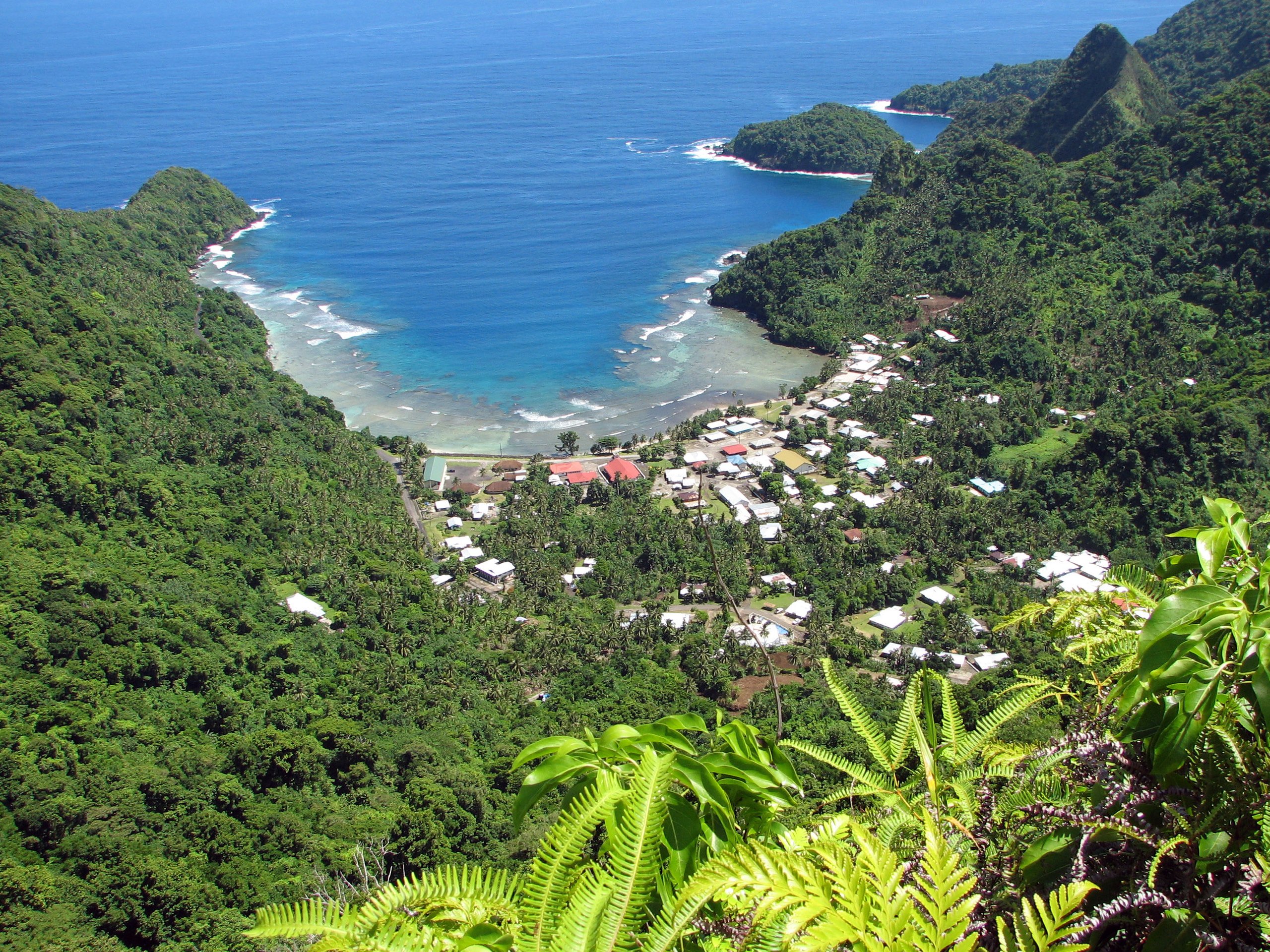
Top 7 things to do in the National Park of American Samoa
The National Park of American Samoa, in the South Pacific about 2,600 miles (4,200 km) southwest of Hawaiʻi, is the only United States national park south of the equator. It protects steep volcanic mountains cloaked in tropical rainforest, white-sand beaches and some of the healthiest coral reefs in the US, on three islands: Tutuila, Ofu and Taʻū. The land is not owned by the government but leased from Samoan villages, whose families still live, farm and fish here, and the park’s purpose is to protect both the rainforest and the fa’a Samoa, the Samoan way of life. These are the seven outings we would put first. The order starts with what the park is known for, then goes by what an outing gives back for the time and effort it takes. Distances are approximate; times are our estimates and do not include stops.
Respect the customs of the villages whose land you are on: ask permission before using a village beach, dress modestly away from the beach, keep quiet on Sundays and during the evening prayer time, when villagers may ask you to stop where you are. The heat and humidity are intense, the trails steep and slippery, and the sun strong, so carry plenty of water. Currents beyond the reef can be dangerous: snorkel inside the reef, and with a partner.
1. Snorkel the reef at Ofu Beach
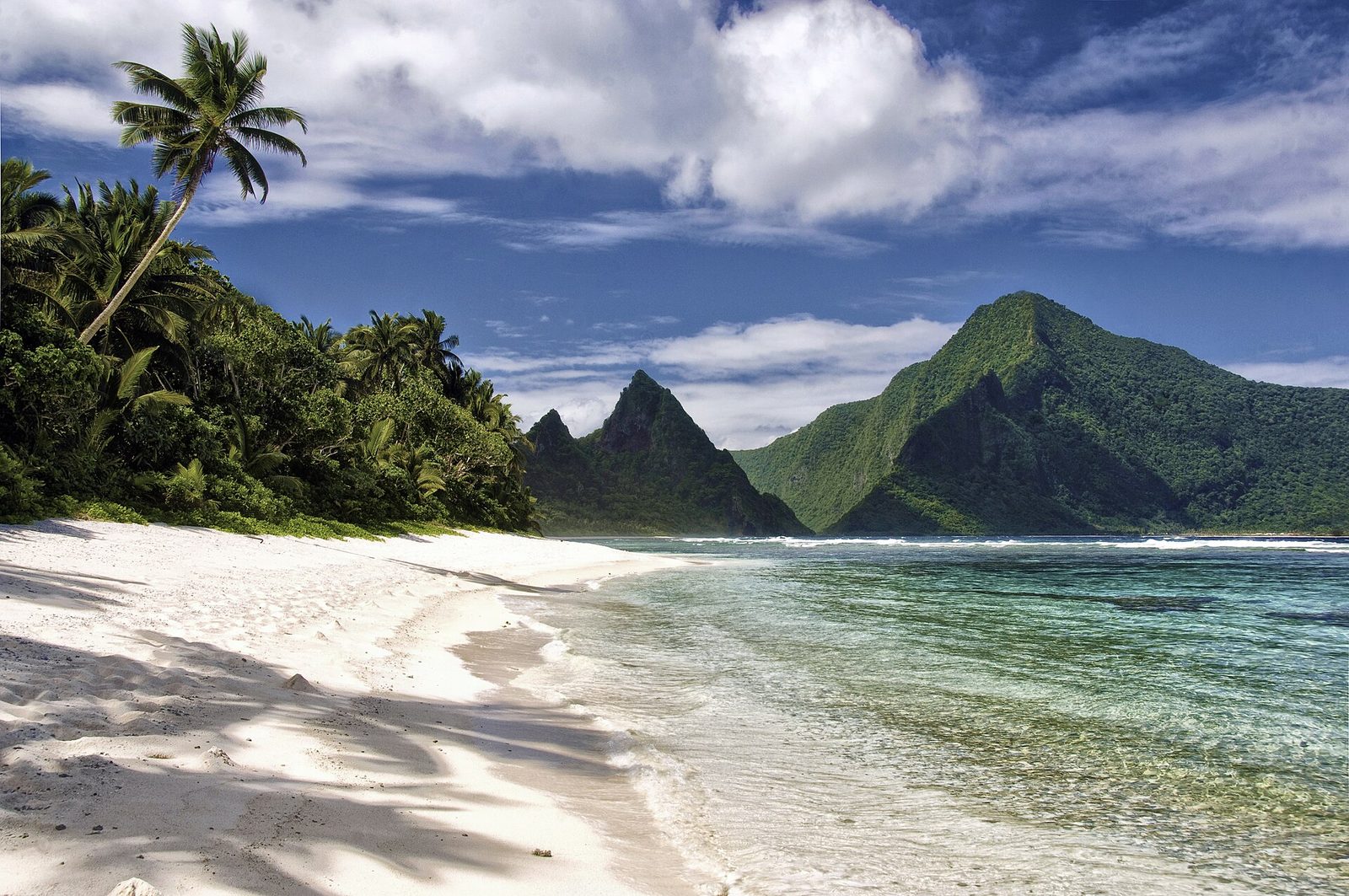
On the small island of Ofu, a long, almost empty beach of white sand runs beneath jagged green peaks, and just offshore lies one of the most beautiful coral reefs in the Pacific, in clear, shallow water within easy reach of the beach. Snorkelling here you swim among hundreds of kinds of fish and corals, including giant clams. Ofu is reached by a small plane from Tutuila, followed by a boat or a walk, and there are only a few small guesthouses, so it is a place to slow down for several days.
- Allow: several days, including the journey
- Start: Ofu, by small plane from Pago Pago
- When: all year; May to October is drier
- Suits: anyone who can swim, and who can cope with simple, remote travel
2. Hike to the top of Mount Alava
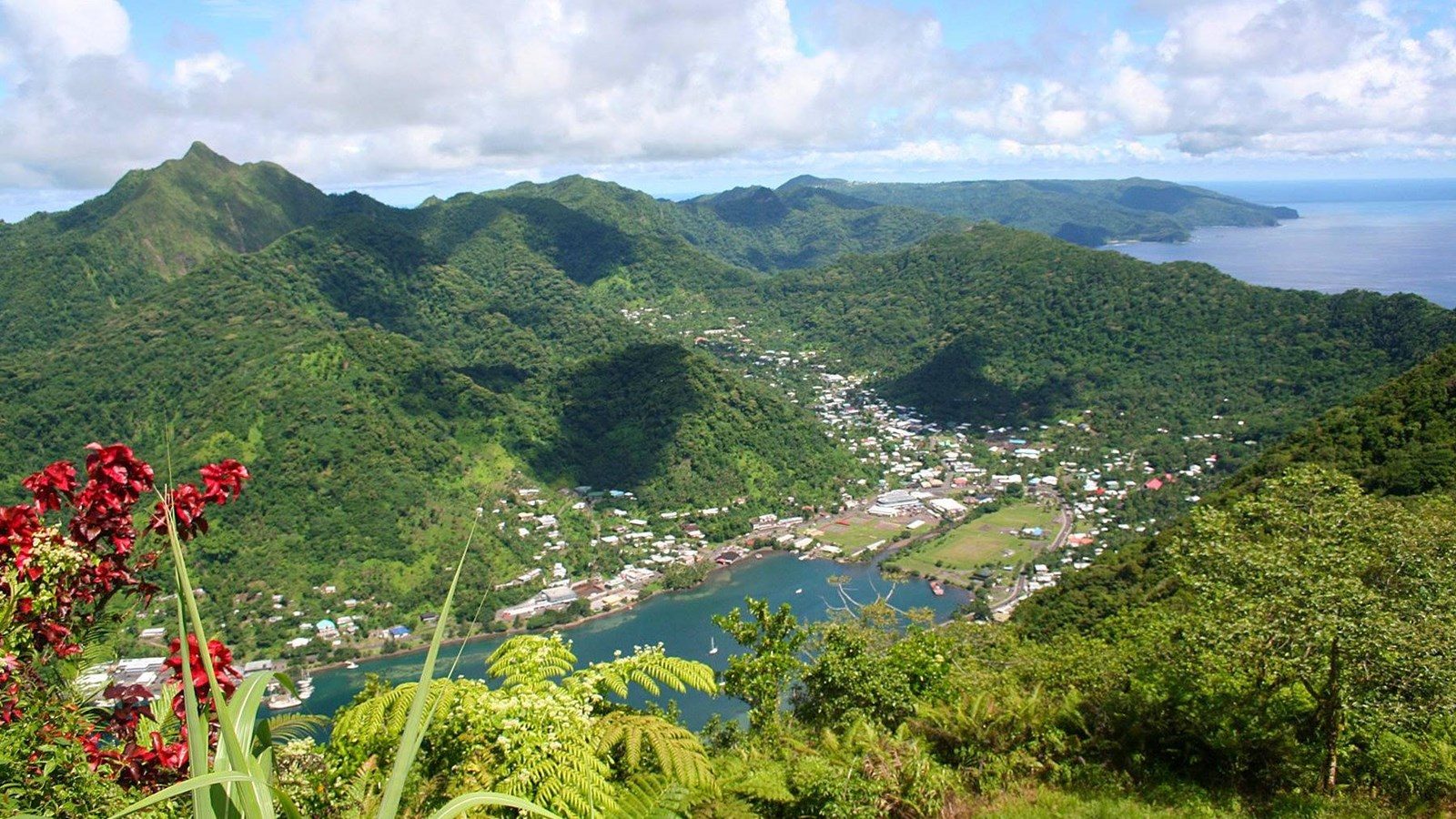
On Tutuila, a trail follows a ridge through the rainforest to the summit of Mount Alava, high above Pago Pago Harbor, with views over the harbor, the rugged north coast and the ocean. It follows an old road for most of the way, and passes the remains of an old aerial tramway. A steeper and more exciting route, from the village of Vatia, climbs with the help of dozens of ladders.
- Distance: about 7.4 miles (11.9 km) round trip
- Climb: about 1,750 feet (530 m)
- Allow: 4 to 5 hours
- Start: Fagasā Pass, on the road between Pago Pago and Fagasā
- When: all year; start early, before the heat
- Suits: fit hikers
3. See Pola Island from the Tuafanua Trail
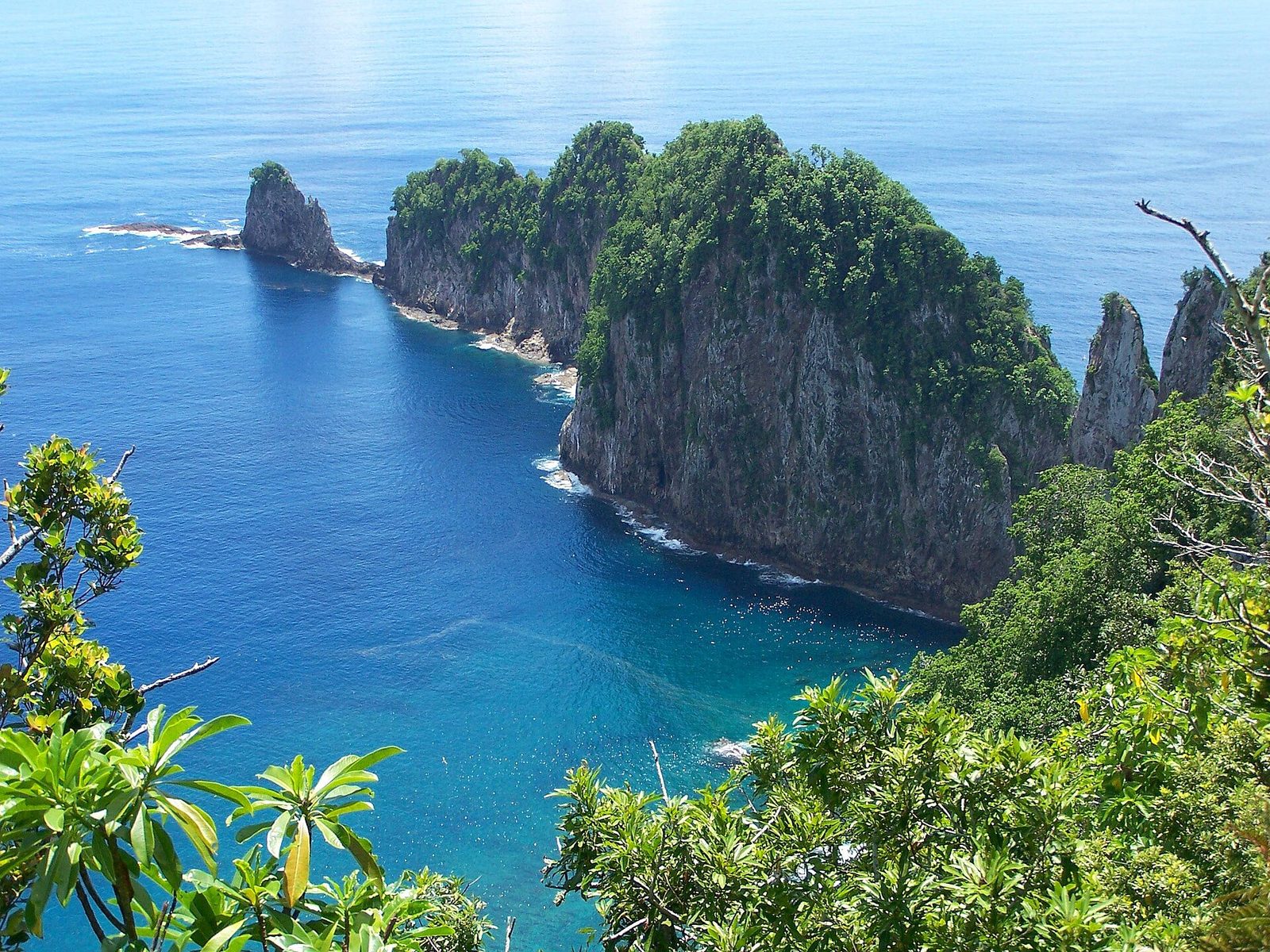
Off the village of Vatia, on Tutuila’s north coast, Pola Island rises sheer from the sea, its cliffs crowded with nesting seabirds such as frigatebirds, boobies and tropicbirds. The Tuafanua Trail climbs from Vatia over a steep ridge through the rainforest and down ladders to a rocky beach facing the island. The drive to Vatia itself, over the mountains, is one of the most beautiful on the island.
- Allow: 2 to 3 hours
- Start: Vatia, on Tutuila’s north coast
- When: all year
- Suits: fit walkers comfortable on steep ground and ladders
4. Watch the flying foxes
The park was created partly to protect the Samoan flying fox, a large fruit bat with a wingspan of up to 3 feet (90 cm), which, unlike most bats, flies during the day. Along the ridges and over the rainforest of Tutuila you can often see them soaring and gliding in the late afternoon, along with the white-collared flying fox, which flies at dusk. They pollinate the forest’s trees and spread its seeds.
- Allow: an hour in the late afternoon
- Start: the ridges and overlooks along the Mount Alava Trail, or above Vatia
- When: all year
- Suits: everyone
5. Explore the wild coast of Taʻū
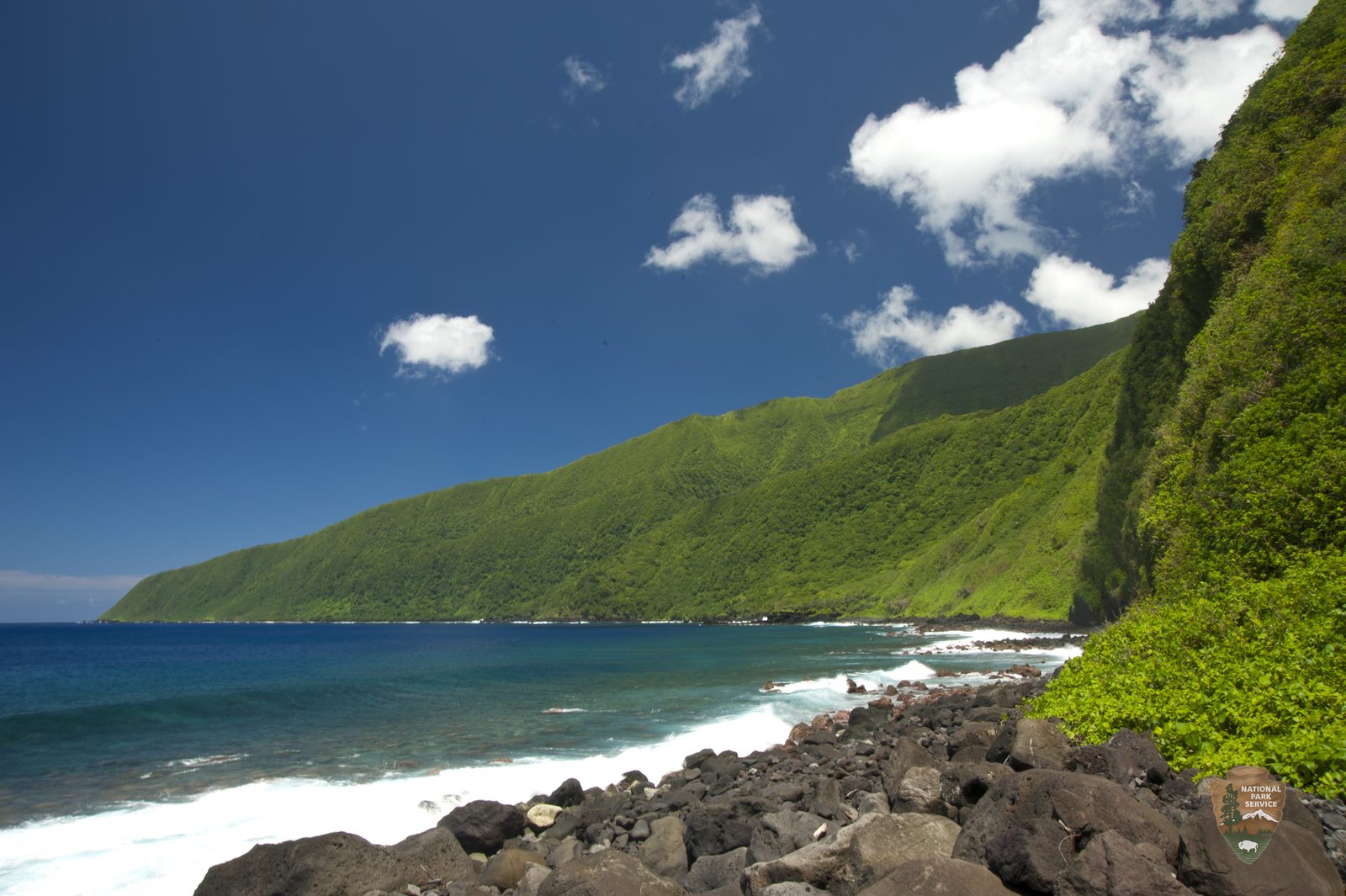
Taʻū, the largest of the Manuʻa islands, holds the biggest part of the park: sea cliffs among the tallest in the world, a rugged coastline of black lava and coral, and the cloud forest on the slopes of Lata Mountain, the highest point in American Samoa. In Samoan tradition, Taʻū is where the Polynesian people began. It is reached by small plane, and a coastal trail leads into the park from the village of Fitiʻuta. Very few visitors come here.
- Allow: several days, including the journey
- Start: Taʻū, by small plane from Pago Pago
- When: all year; May to October is drier
- Suits: experienced, self-reliant travellers
6. Stay in a village
The best way to understand the park is through the people whose land it is. Family homestays and small guesthouses in the villages let you stay with Samoan families, share their meals and learn about the fa’a Samoa: the family-centred way of life, the village chiefs, and the traditions of the land and sea. Ask at the park visitor center in Pago Pago about arranging one.
- Allow: a few days
- Start: the park visitor center in Pago Pago
- When: all year
- Suits: respectful travellers interested in Samoan culture
7. Snorkel the reefs on Tutuila
The reefs along Tutuila’s coast, inside the park and near the villages, are home to colourful corals and fish, sea turtles and, at times, reef sharks. Snorkelling from the beaches near Vatia and elsewhere on the north coast, with permission from the village, is the easiest way to see them without travelling to Ofu.
- Allow: 1 to 3 hours
- Start: village beaches on Tutuila’s north coast, with permission
- When: calm days, all year
- Suits: confident swimmers
Before you go
This list covers what stays the same from year to year. Closures, trail conditions, flight schedules and village access rules change, and the National Park Service posts them on its own site. The link is on our National Park of American Samoa guide, with the map and how to get there.