
Marmot PreCip Eco (men’s) review: the do-more hiker’s rain shell
A light, packable 2.5-layer rain shell with pit-zip venting and recycled materials — the proven default for hikers in weather. Our field review of the Marmot PreCip Eco.

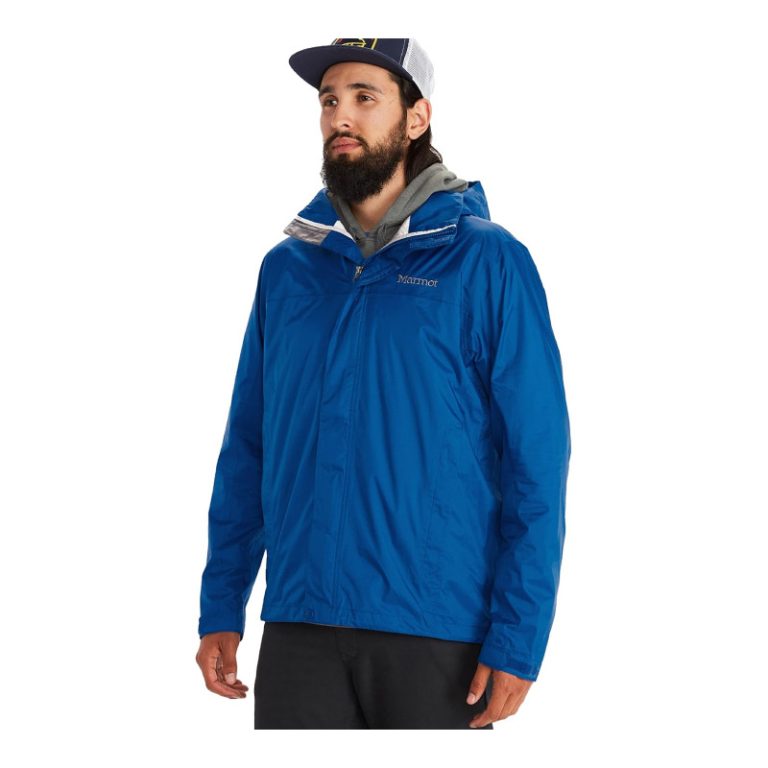
A light, packable 2.5-layer rain shell with pit-zip venting and recycled materials — the proven default for hikers in weather. Our field review of the Marmot PreCip Eco.
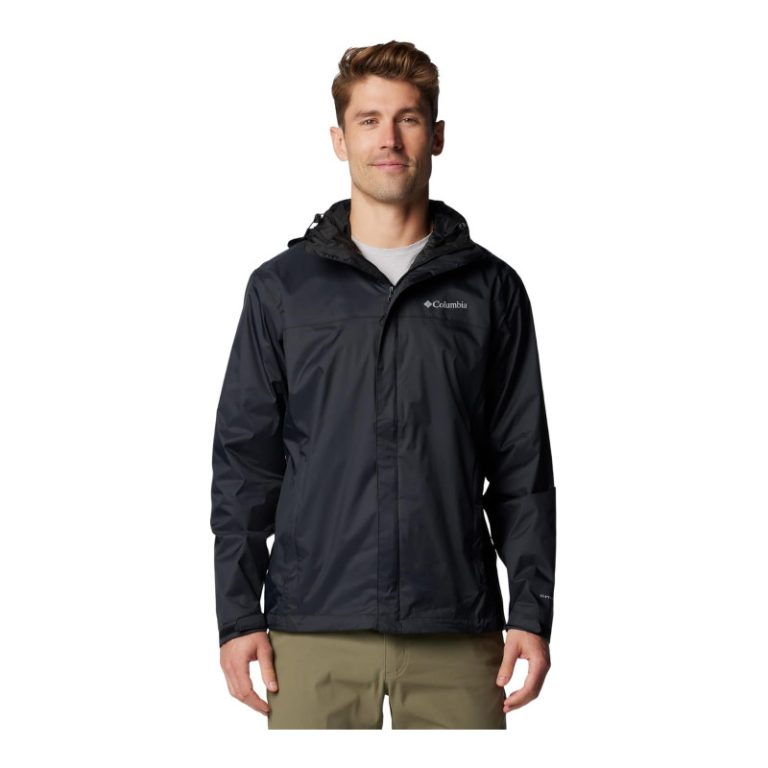
A genuinely waterproof, seam-sealed rain shell that packs into its own pocket for the price of a dinner — the best-value first rain jacket. Our field review of the Columbia Watertight II.
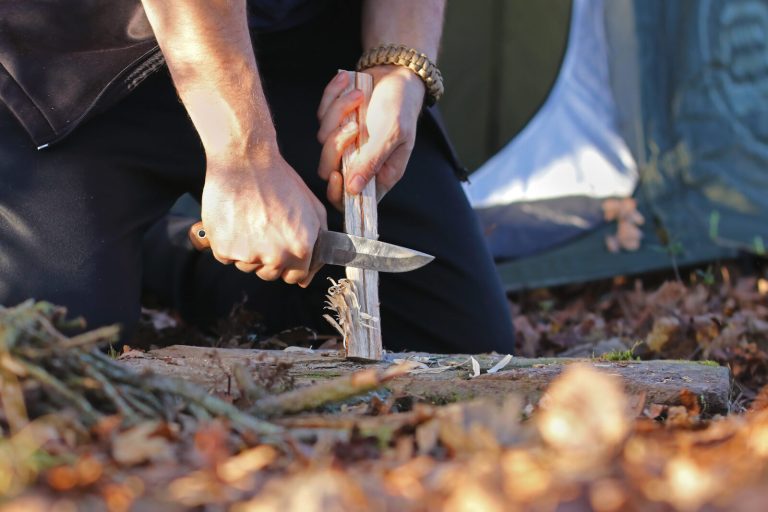
Fixed vs. folding, full vs. partial tang, carbon vs. stainless, and every knife term decoded — plus what a blade actually does in the bush and how to choose and care for one. Our complete guide to wilderness knives.
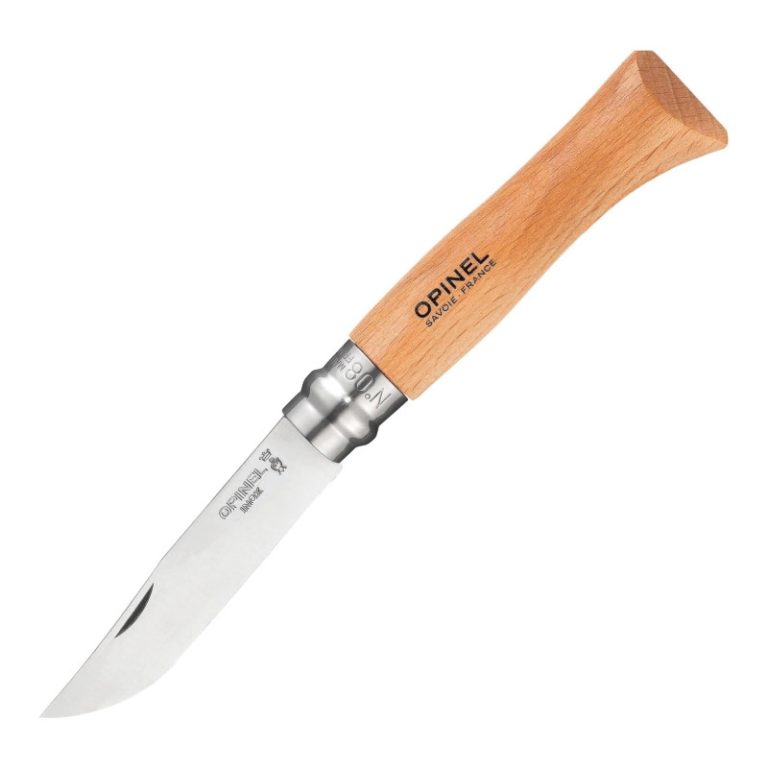
The century-old French folding knife with a locking collar and shaving-sharp blade — the everyday carry anyone can enjoy. Our field review of the Opinel No.8.
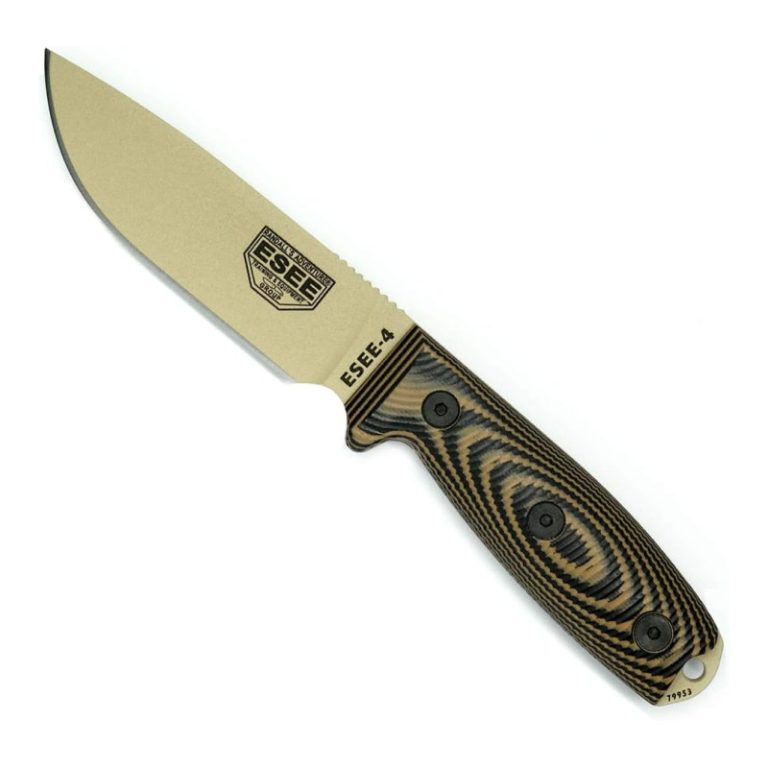
A US-made 1095 survival knife with a no-questions lifetime warranty — the buy-it-for-life fixed blade. Our field review of the ESEE-4.
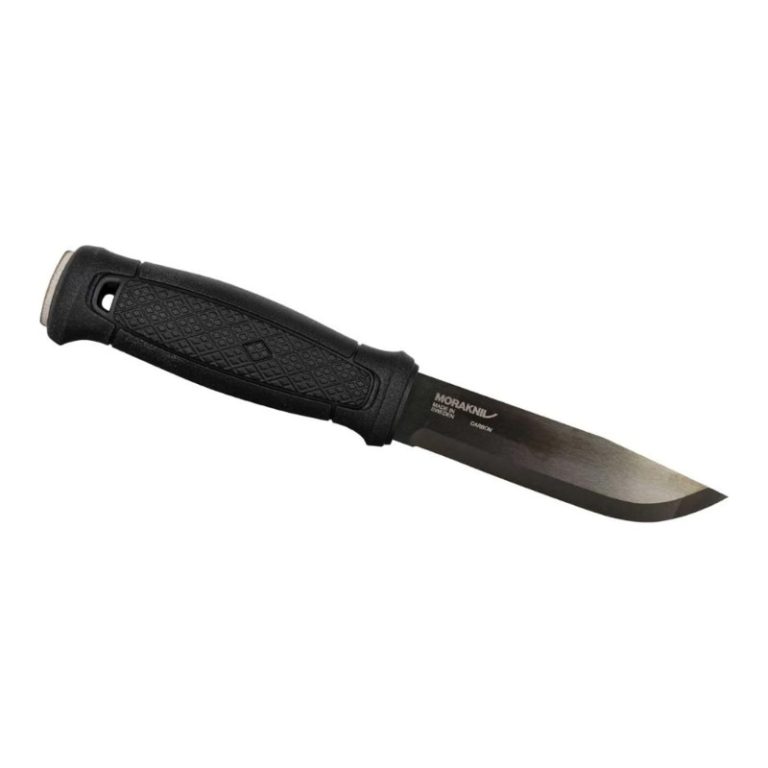
A full-tang carbon-steel bushcraft knife you can baton and spark a fire with, at a fraction of premium prices. Our field review of the Morakniv Garberg survival knife.
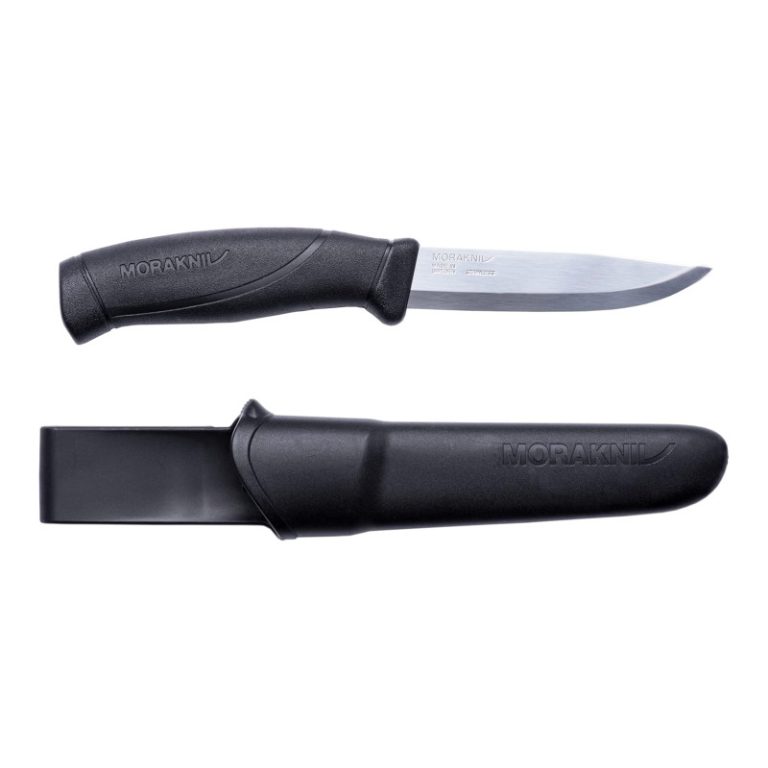
A razor-sharp Swedish stainless fixed blade that carves beautifully for the price of a sandwich — the best-value first outdoor knife. Our field review of the Morakniv Companion.
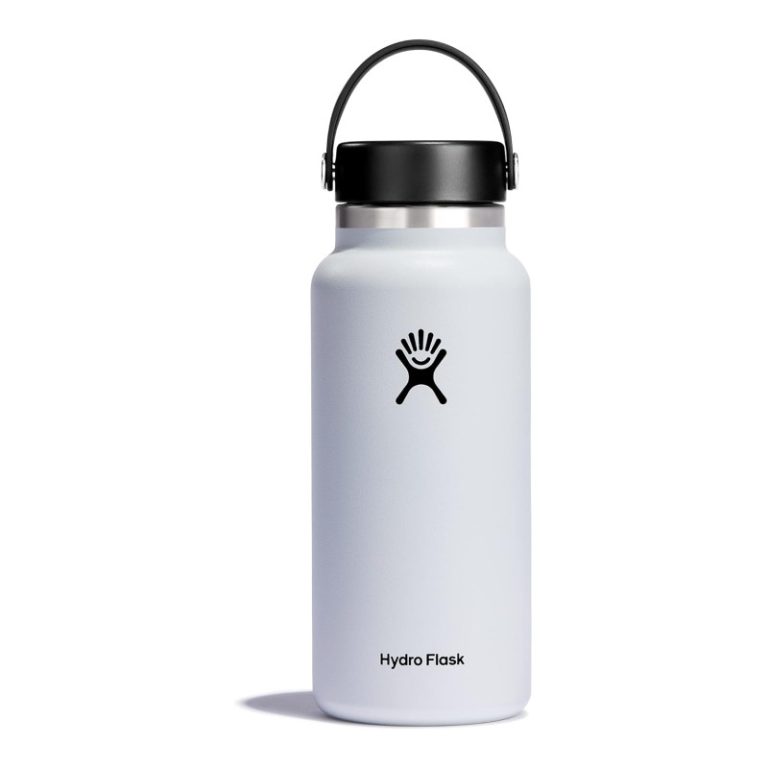
An insulated stainless bottle that keeps water cold for a day or from freezing in winter, with pure taste and no leaks. Our field review of the Hydro Flask 32 oz Wide-Mouth.
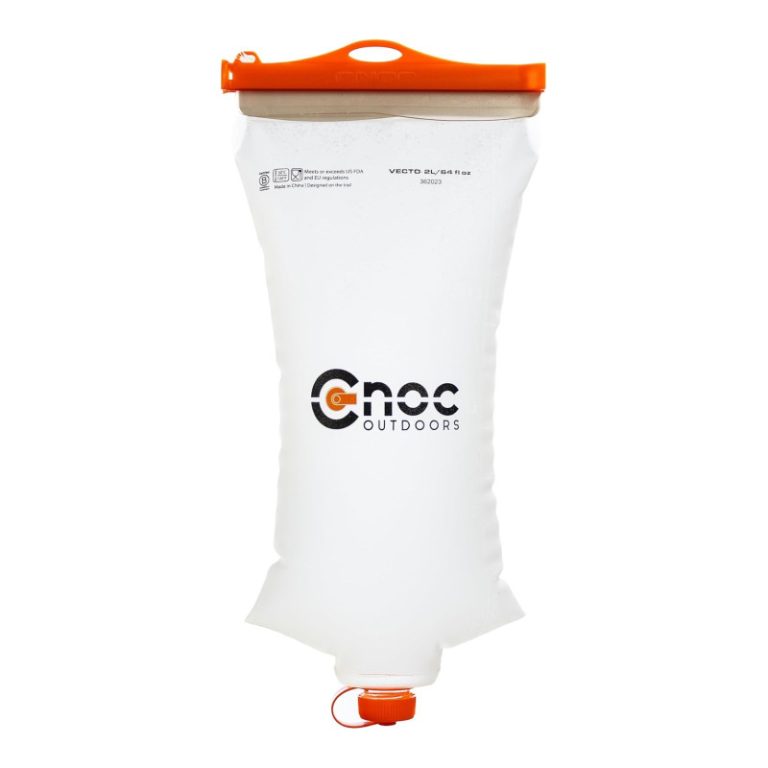
The ultralight collapsible that scoops shallow water and threads onto a Sawyer filter for hands-free gravity filtering. Our field review of the CNOC Vecto.
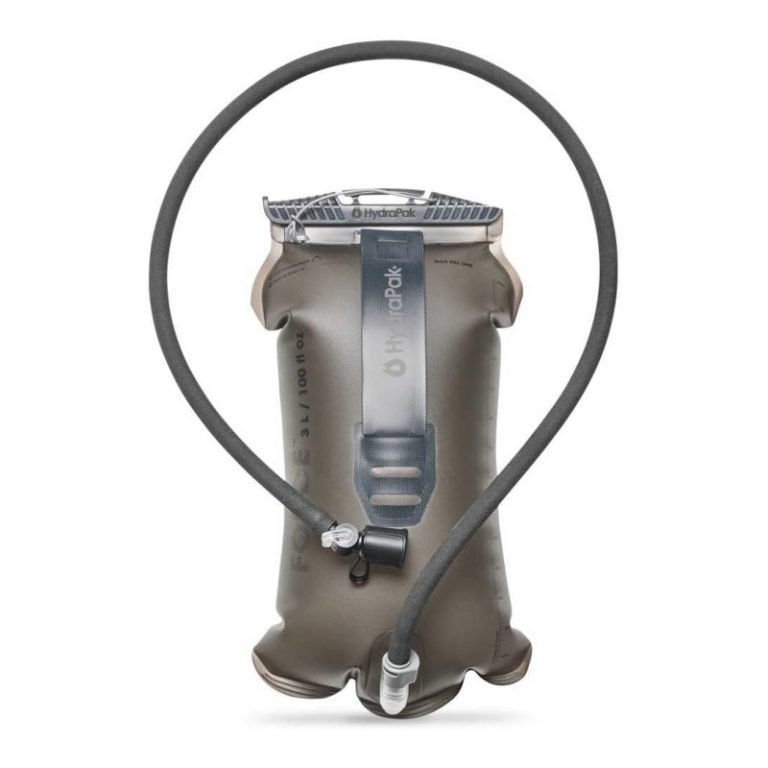
An ultra-durable welded reservoir with an insulated, freeze-resistant tube and a fully reversible body for deep cleaning. Our field review of the HydraPak Force.