

Elk Island National Park
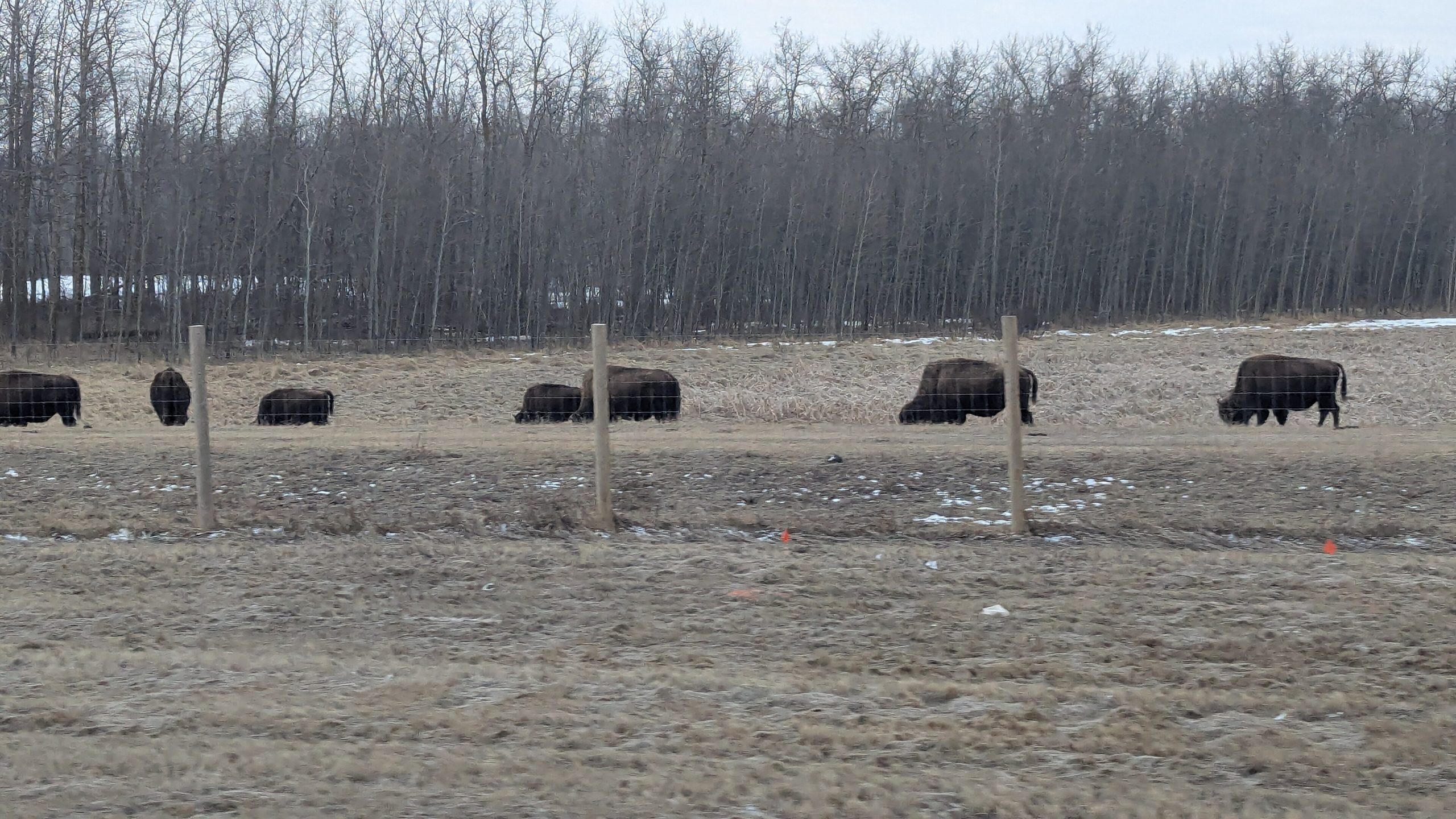
Just east of Edmonton, Elk Island is a rare thing, a genuine wildlife sanctuary within an hour’s drive of a major city. Canada’s only fully fenced national park, it is a stronghold for plains and wood bison and a designated Dark Sky Preserve, making it equally good for a wildlife-rich day trip or a quiet weekend of camping under some of the best night skies in Alberta.
Fast facts
- Established: 1913, Canada’s smallest national park and the only fully fenced one
- Size: about 59 square miles (152 km²) of aspen parkland and boreal transition
- Location: roughly 30 miles (48 km) east of Edmonton, Alberta
- Visitors: more than 200,000 a year
- Distinction: a Dark Sky Preserve and a key bison conservation site
- Managed by: Parks Canada
The landscape
Elk Island is a mosaic of boreal mixedwood forest, rolling hills and expansive wetlands. Three glacial lakes, Astotin, Beaver and Paul, anchor the park, ringed by smaller ponds and marshes that support a vibrant aquatic ecosystem. Dense spruce and aspen give way to open grassland and river valley, a patchwork that shelters an unusually rich range of plants and animals for its size.
Best time to go
The park is open year-round. Summer (June to August) brings the warmest weather and full access to trails, campgrounds and water activities. Late spring and early fall are best for wildlife, when bison, elk and moose are most active in the cooler light. Winter turns the park into a quiet snowscape ideal for cross-country skiing and stargazing, though some facilities close for the season.
Getting there and around
The easiest route is Highway 16 East (the Yellowhead) from Edmonton, about 45 to 60 minutes depending on traffic. Inside, well-maintained loop roads are open to private vehicles, seasonal shuttles run at peak times, and biking is a popular way to explore, with several trails open to cyclists and bike parking at trailheads.
Things to do
More than 50 miles (80 km) of trails range from easy nature walks to longer backcountry routes. Astotin Lake is a summer favourite for canoeing, kayaking and swimming at the designated beach. Wildlife watching is the headline draw, wood and plains bison, elk, moose, beavers and hundreds of bird species, and after dark the Dark Sky Preserve status makes it a premier spot for stargazing and astrophotography.
Staying safe
Elk Island’s wildlife is healthy and abundant, but it demands distance: stay at least 330 feet (100 m) from bison, elk and moose, and 100 feet (30 m) from smaller animals, as they can be unpredictable. Store food securely in wildlife-proof containers, stay on marked trails, and carry insect repellent in tick and mosquito season. Check weather and water conditions before paddling, and share your plans if you head into the backcountry.
Know before you go
Camping reservations are strongly recommended and open through the Parks Canada system, typically in late January for the May–October season. Day-use admission is free for individuals, but groups of six or more need a pass, and some facilities run only in summer. Pack layers for fast-changing prairie-boreal weather. This page is a general overview, not a live conditions report; confirm current hours, trail conditions and closures with Parks Canada before your trip.
- Coordinates
- 53.6134, -112.8652
- Magnetic declination
- 13.3° E (2026)
Set this declination on your compass, then align it to the map's north lines; it is the angle between true north and magnetic north, refreshed each year.
A spread of the park’s main places shows straight away, and the rest appear as you zoom in. You can also search above, or pick any place from the lists below, and the map will go to it.
Getting there 2
Park entrances
On the trail 3
Campgrounds
Sights 7
Islands
Map data comes from third-party sources and may be incomplete or out of date, so carry a current official map (terms).
- Best seasons
- Summer, Spring & fall (wildlife)
- Difficulty
- Easy to moderate
- Access / trailheads
- About 45–60 minutes east of Edmonton via Highway 16 (Yellowhead). Main loop roads are paved and open to private vehicles; trailheads have parking.
- Water
- Lakes and ponds within the park; carry drinking water or treat before use.
- Cell / satellite coverage
- Generally good cell coverage given its proximity to Edmonton, though it can be patchy on interior trails.
- Nearest ranger / SAR / emergency
- Parks Canada dispatch: 1-877-852-3100; life-threatening emergencies: 911.
- Permits & regulations
- Day-use admission is free for individuals; a Parks Canada pass is required for groups of six or more. Camping requires a reservation.
- Leave No Trace
- Keep 330 feet (100 m) from bison, elk and moose, store food in wildlife-proof containers, stay on marked trails, and follow Leave No Trace.
January
- Below freezing all day
February
- Below freezing all day
March
- Below-freezing nights
April
- Below-freezing nights
May
June
July
August
September This month
October
- Below-freezing nights
November
- Below freezing all day
December
- Below freezing all day
What to bring depends on your trip: how long you’re out, where you sleep, and how far you go from the road. The planner builds the list for yours.
Plan a trip here →Averages for 1981–2010 from Environment Canada climate normals, measured at the Tofield North station, 9 miles (15 km) away at 2,300 feet (701 m).