

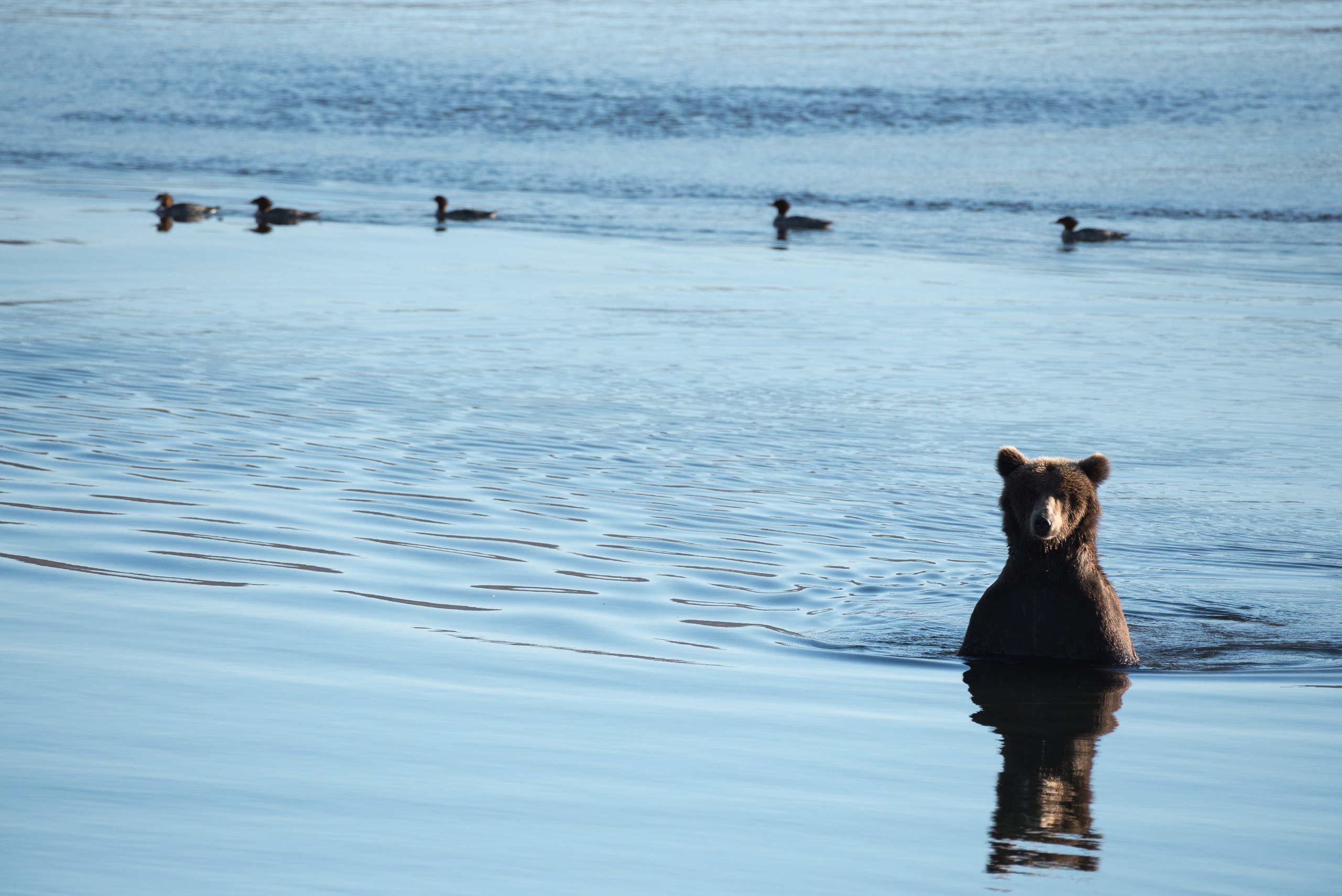
Top 9 things to do in Katmai National Park
Katmai National Park and Preserve, on the Alaska Peninsula about 290 miles (470 km) southwest of Anchorage, is known around the world for its brown bears, which gather in summer to catch salmon at Brooks Falls. It is also a land of volcanoes: in June 1912 the eruption of Novarupta, the largest of the 20th century, buried a valley in ash and collapsed the summit of Mount Katmai, and the park was first set aside to protect that landscape. No roads lead here; you arrive by floatplane or boat, and almost every visit starts at Brooks Camp. These are the nine outings we would put first. The order starts with what the park is known for, then goes by what an outing gives back for the time and effort it takes. Distances are approximate; times are our estimates and do not include stops.
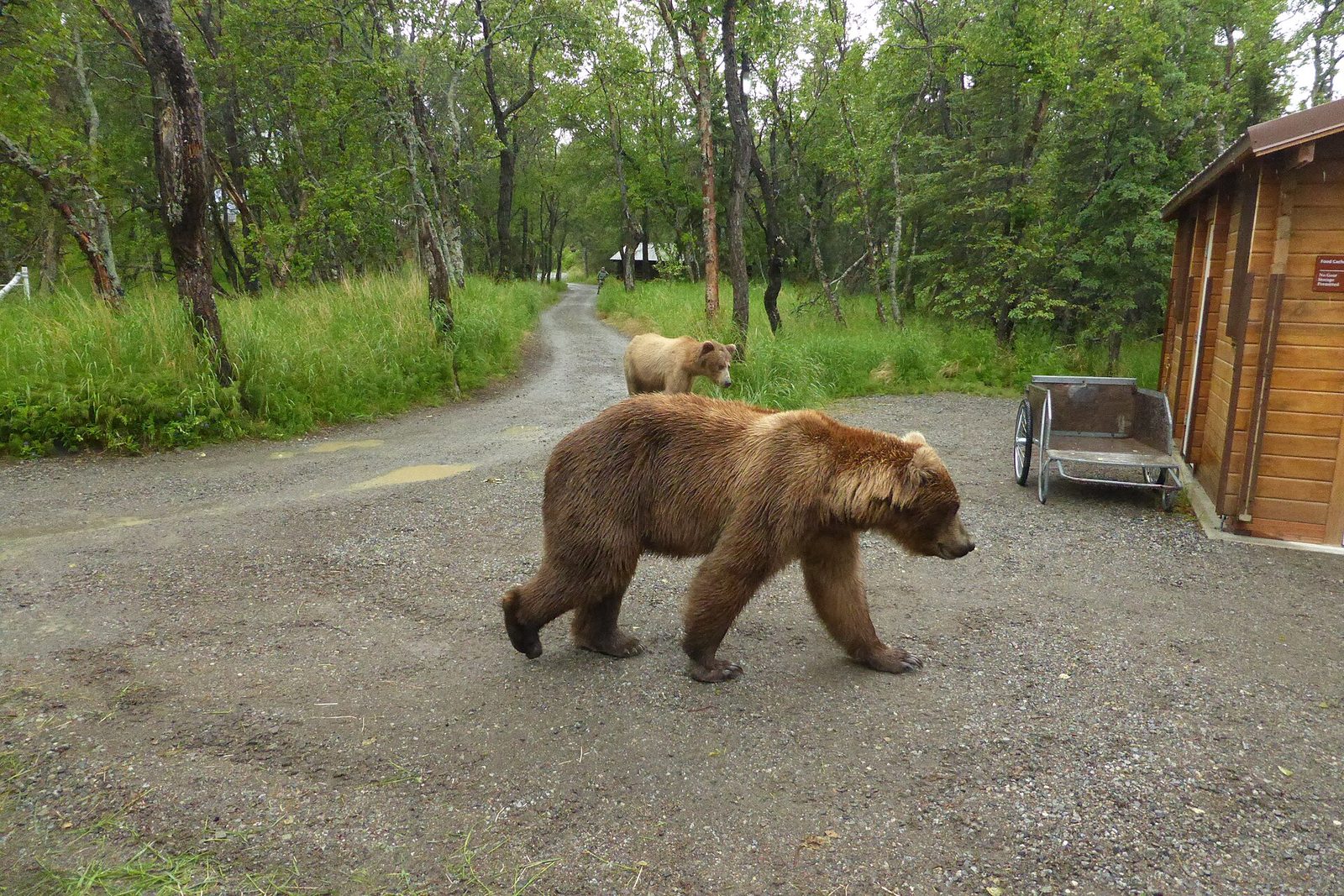
Katmai holds one of the largest protected populations of brown bears in the world, and at Brooks Camp you share the trails with them. Every visitor attends a bear safety talk on arrival, and you must stay at least 50 yards (46 m) from any bear, keep all food in the food cache, and give way when a bear is on the path. Weather can ground floatplanes for a day or more, so carry extra food and allow spare time, and dress for cold, wind and rain in any month.
1. Watch the bears at Brooks Falls
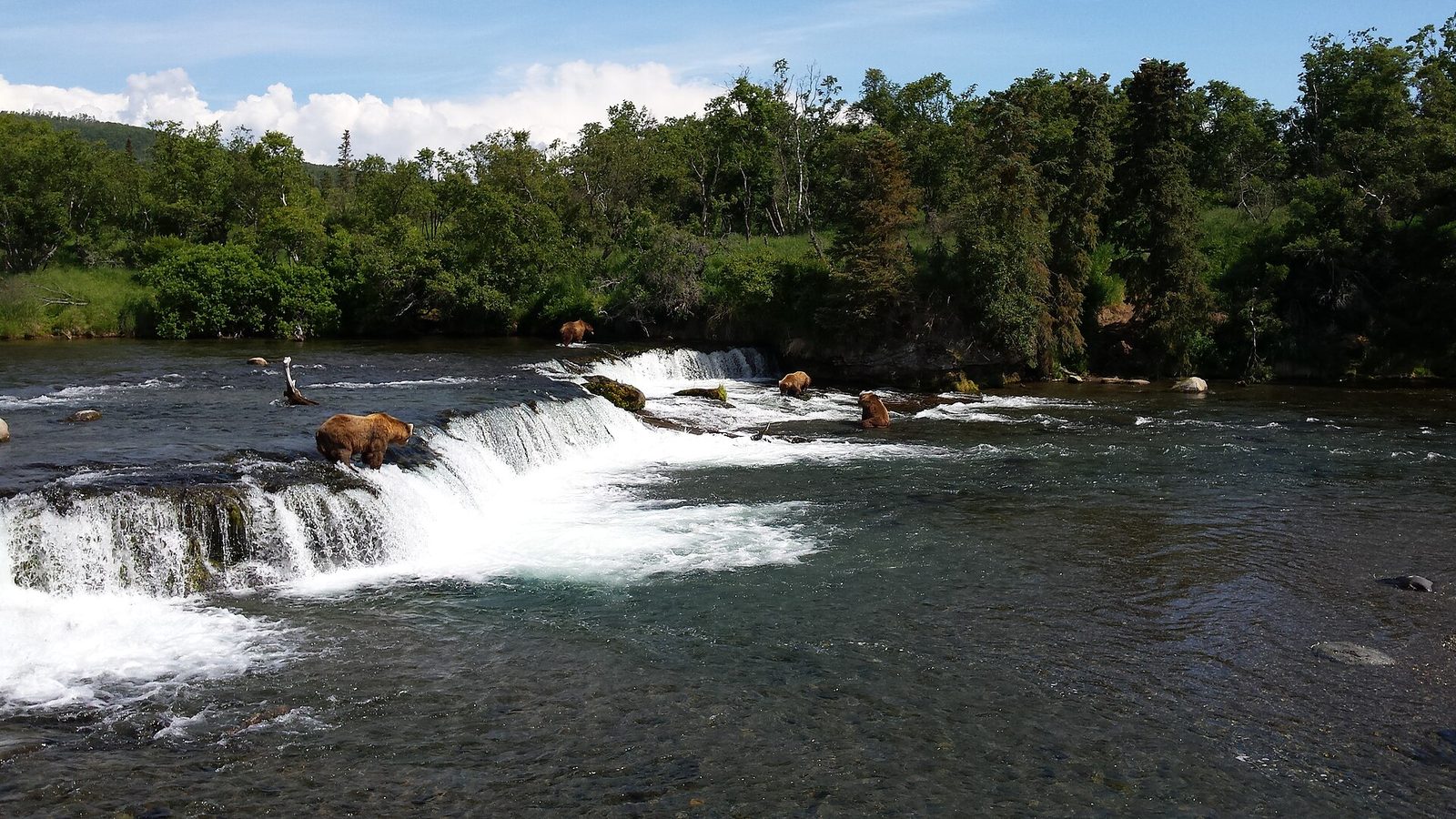
On the Brooks River, a low waterfall about 6 feet (1.8 m) high stands in the way of sockeye salmon heading upstream to spawn, and brown bears gather to catch them, standing at the lip of the falls as the fish leap toward their open jaws. From raised wooden platforms beside the river you can watch them fish a short distance away. A trail leads to the falls from Brooks Camp, across the river and through the forest, past the Lower River platform, where bears fish and play in the shallows near the river’s mouth.
- Distance: about 1.2 miles (2 km) one way
- Allow: a day
- Start: Brooks Camp, by floatplane from King Salmon or Anchorage
- When: July for the most bears at the falls; September for fat bears along the river
- Suits: everyone; the platforms can have a wait in July
2. Take the bus to the Valley of Ten Thousand Smokes
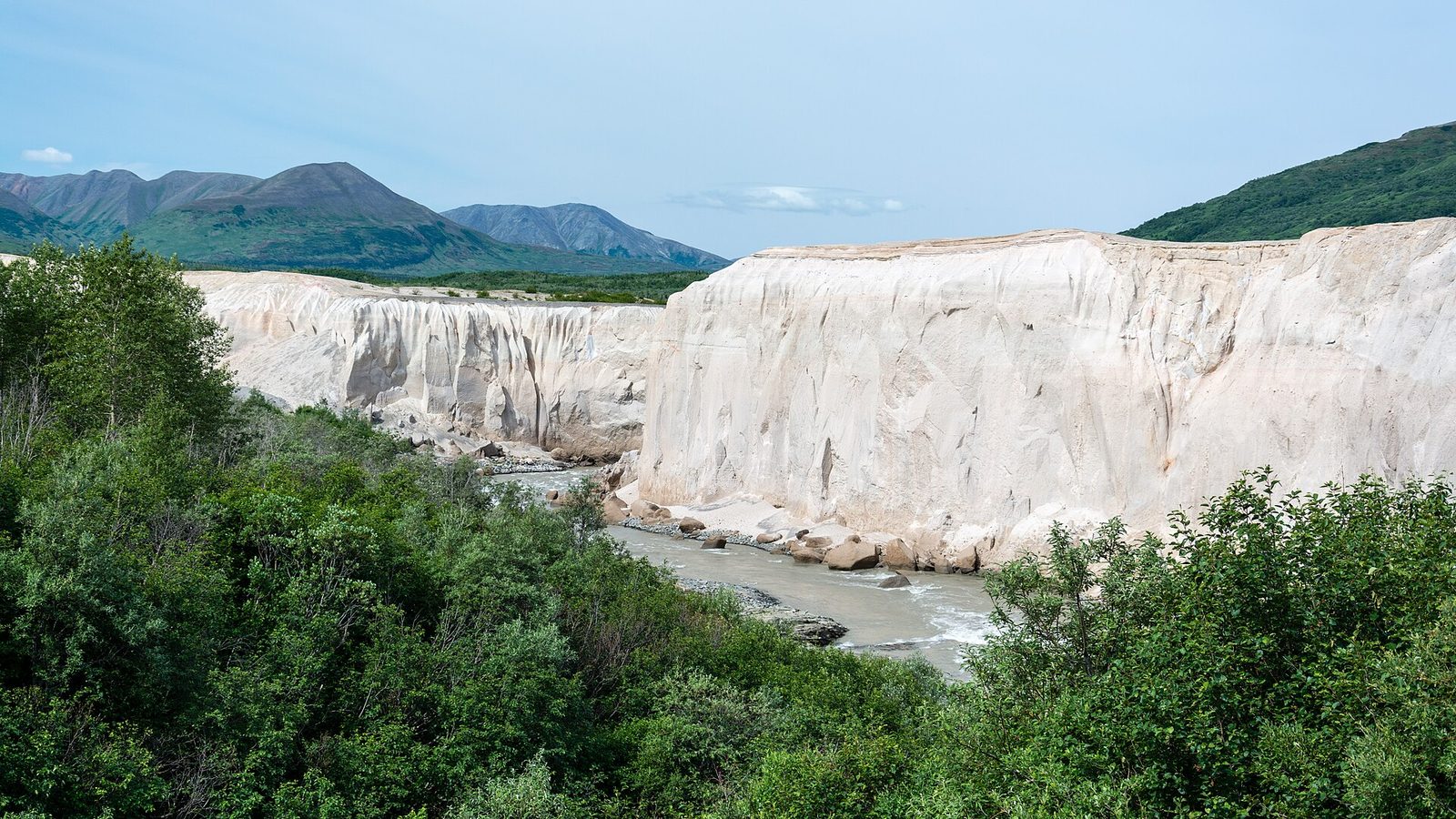
A gravel road, the park’s only long road, runs 23 miles (37 km) from Brooks Camp to an overlook above the Valley of Ten Thousand Smokes, where the 1912 eruption filled a valley with ash and pumice hundreds of feet deep. When the explorer Robert Griggs reached it in 1916, thousands of steam vents were rising from its floor, and gave it its name; they have long since cooled. A guided bus tour runs from Brooks Lodge, and from the overlook a steep trail drops to the valley floor, where rivers have cut narrow canyons through the ash; the climb back up is the hard part.
- Distance: about 1.5 miles (2.4 km) each way on the trail to the valley floor
- Allow: a full day, with the bus
- Start: Brooks Lodge, on the bus tour
- When: June to mid-September
- Suits: everyone for the overlook; fit walkers for the valley floor
3. Hike up Dumpling Mountain
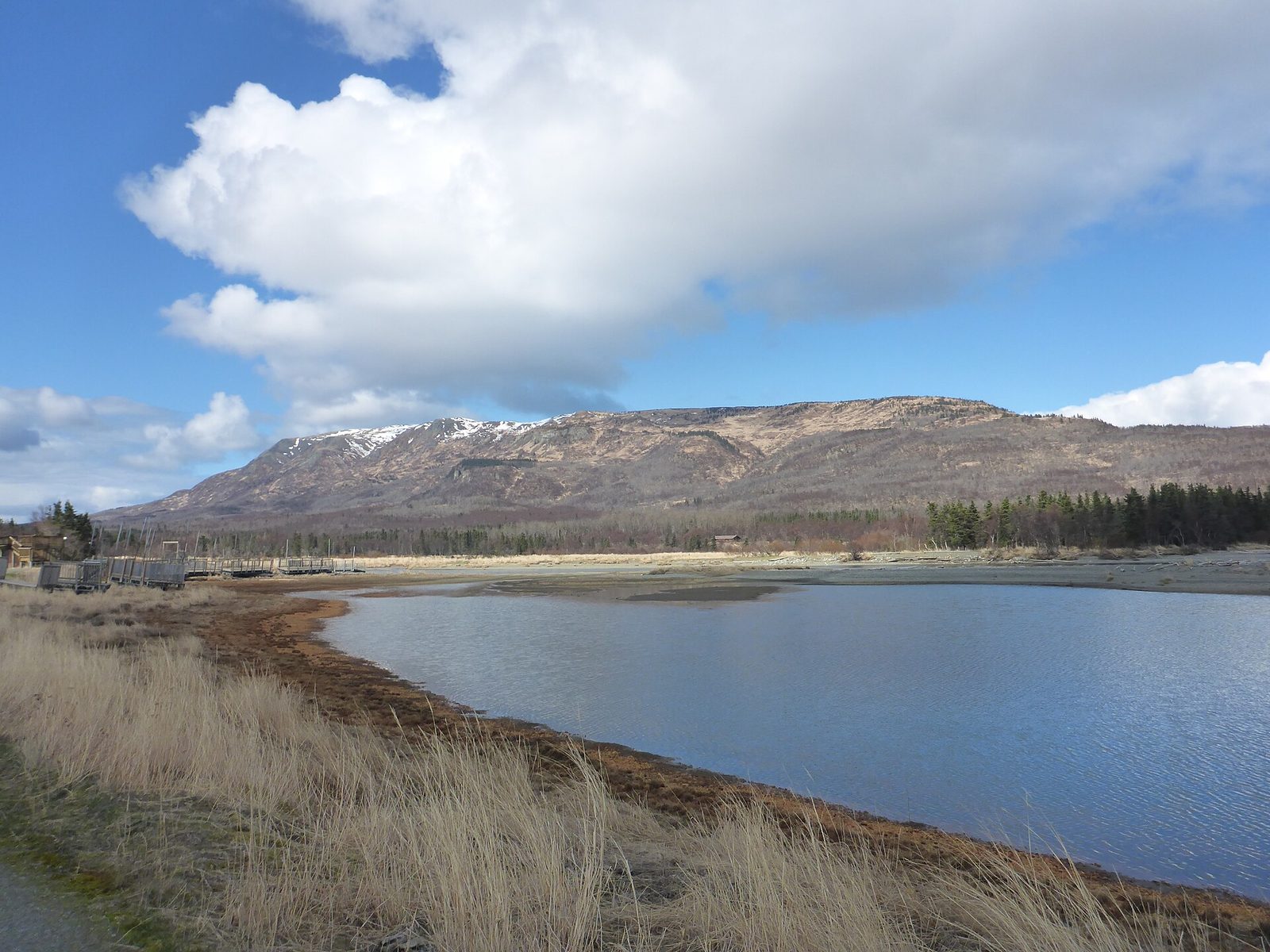
From the Brooks Camp campground, a trail climbs through birch and spruce to an overlook with a wide view over Naknek Lake, the Brooks River and the volcanoes beyond, and continues over open tundra to the summit. It is the only maintained hiking trail near Brooks Camp, and a good way to spend a few hours away from the crowds at the falls. Bears use the trail too, so make noise as you walk.
- Distance: about 1.5 miles (2.4 km) one way to the overlook; about 4 miles (6.5 km) one way to the summit
- Climb: about 800 feet (244 m) to the overlook; the summit stands at 2,440 feet (744 m)
- Allow: 2 hours to the overlook and back; 5 to 6 hours to the summit and back
- Start: Brooks Camp campground
- When: June to September
- Suits: most walkers to the overlook; fit hikers to the summit
4. Visit the ancient sites along the Brooks River
People have lived and fished along the Brooks River for about 4,500 years, drawn by the same salmon as the bears, and the hollows of hundreds of their old houses still mark the ground around Brooks Camp. A short walk leads to a reconstructed semi-underground house of the kind the Alutiiq ancestors built, and rangers sometimes lead walks in summer that explain how people lived here.
- Distance: a short walk of about 0.1 mile (0.2 km)
- Allow: 30 minutes to 1 hour
- Start: the Brooks Camp visitor center
- When: June to mid-September
- Suits: everyone
5. Fly to the coast to watch bears at Hallo Bay
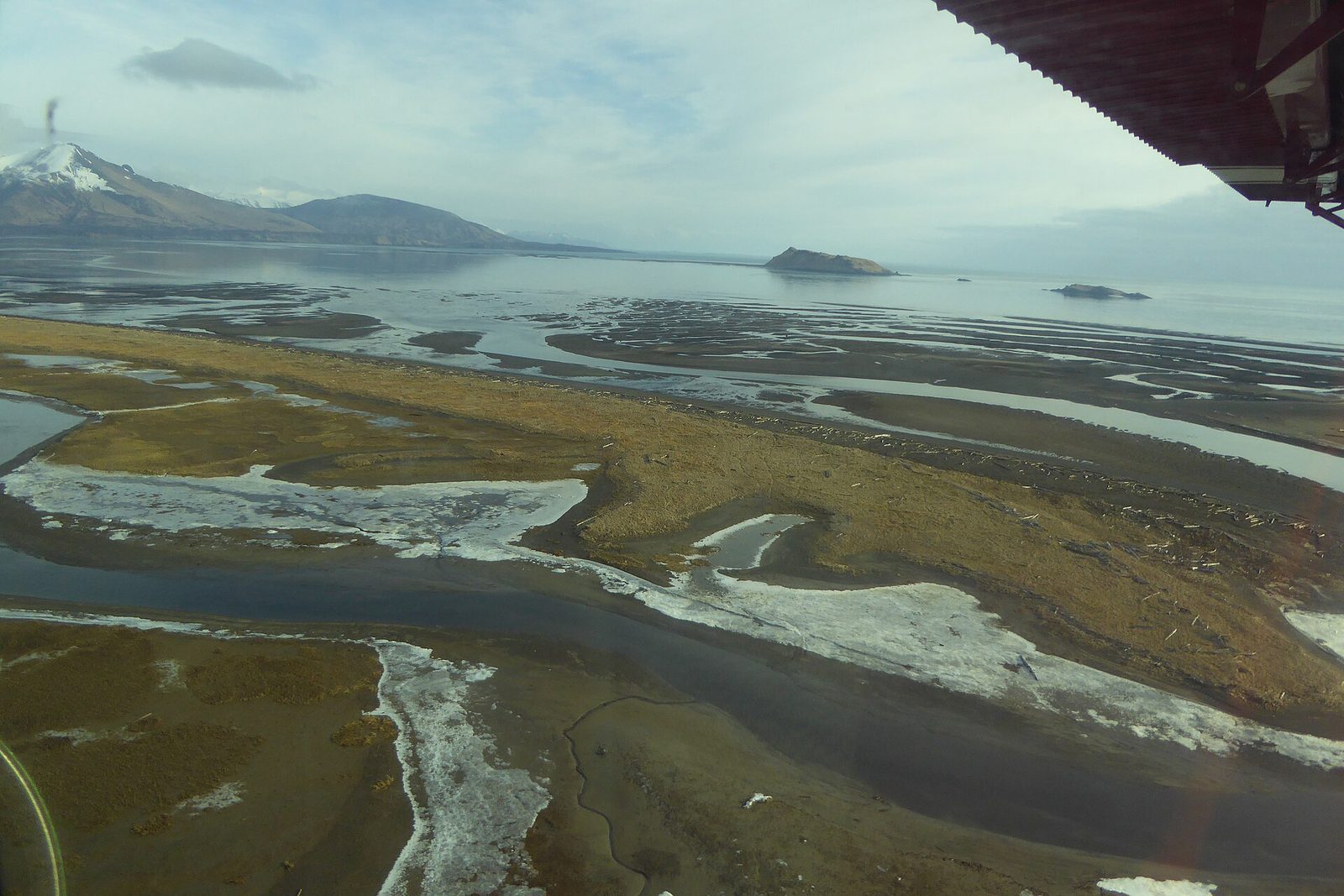
On Katmai’s wild outer coast, facing Shelikof Strait, brown bears graze on the sedge meadows and dig for clams on the tidal flats in early summer, before the salmon run. Bear-viewing flights from Homer, Kodiak and Anchorage land on the beach at Hallo Bay and other bays along the coast, and guides lead small groups on foot to watch the bears at a respectful distance, with snow-covered volcanoes behind them.
- Allow: a long day, including the flights
- Start: Homer, Kodiak or Anchorage, with a licensed bear-viewing operator
- When: June to August
- Suits: everyone
6. Fly over Mount Katmai and Novarupta
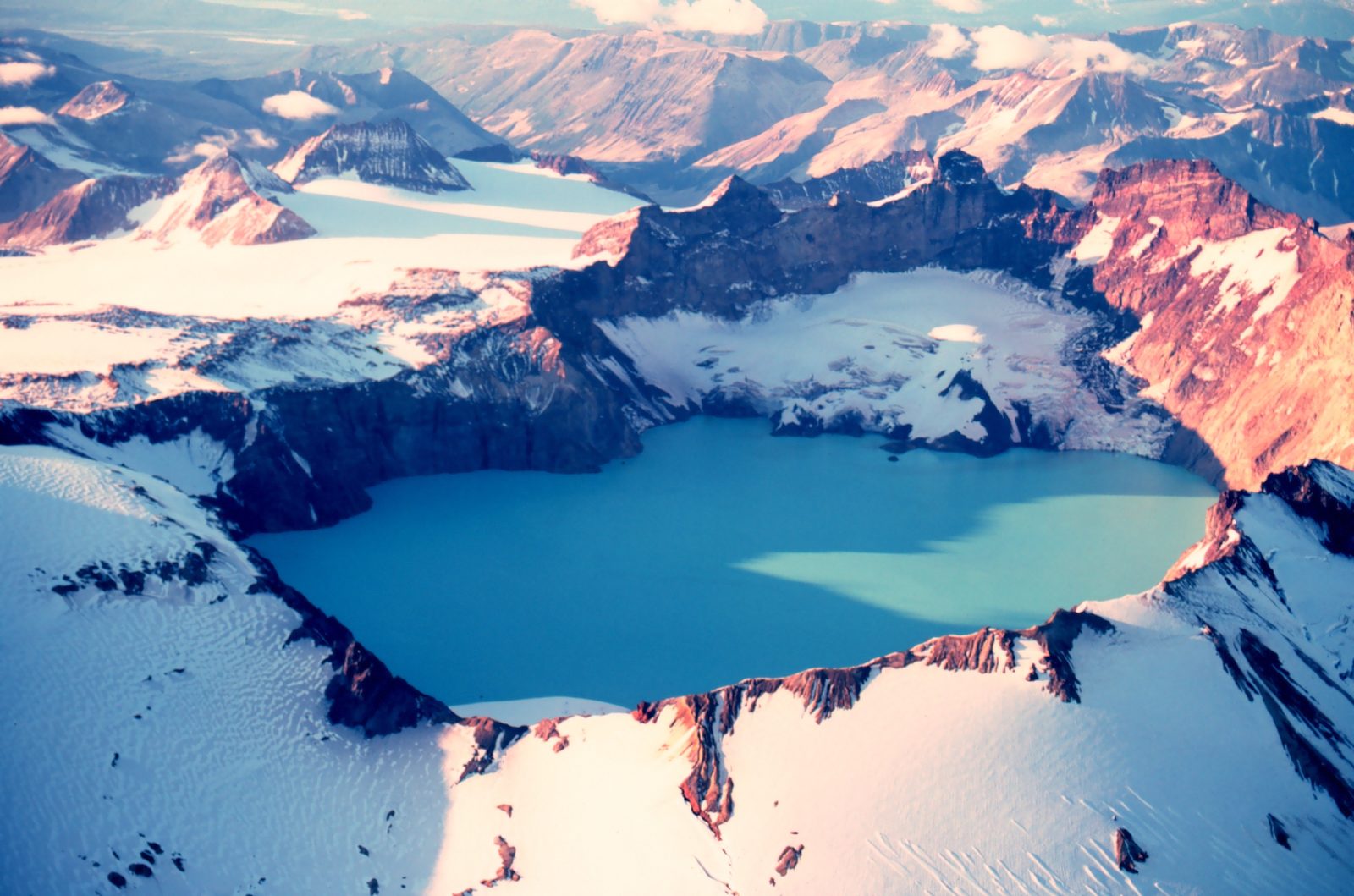
When Novarupta erupted in 1912, the magma drained from beneath Mount Katmai, about 6 miles (10 km) away, and the mountain’s summit collapsed into a caldera that has since filled with a blue-green lake. From the air you see the caldera lake, the lava dome of Novarupta, the ash-filled valley and the chain of volcanoes along the peninsula, much of it impossible to reach on foot. Air taxis from King Salmon and Brooks Camp run flightseeing trips in good weather.
- Allow: 1 to 2 hours
- Start: King Salmon or Brooks Camp, with an air taxi
- When: June to September, on clear days
- Suits: everyone
7. Fish the Brooks River
The Brooks River is one of the best-known rainbow trout rivers in Alaska, and also holds salmon, char and grayling. Anglers fly-fish its riffles and pools under special rules, among them catch-and-release for rainbow trout, and the bears add a rule of their own: if a bear comes near while you have a fish on, cut the line rather than let it learn that people mean food.
- Allow: a few hours to a day
- Start: Brooks Camp
- When: June to early October; September for big rainbow trout
- Suits: anglers with an Alaska fishing licence
8. Paddle Naknek Lake and the Savonoski Loop
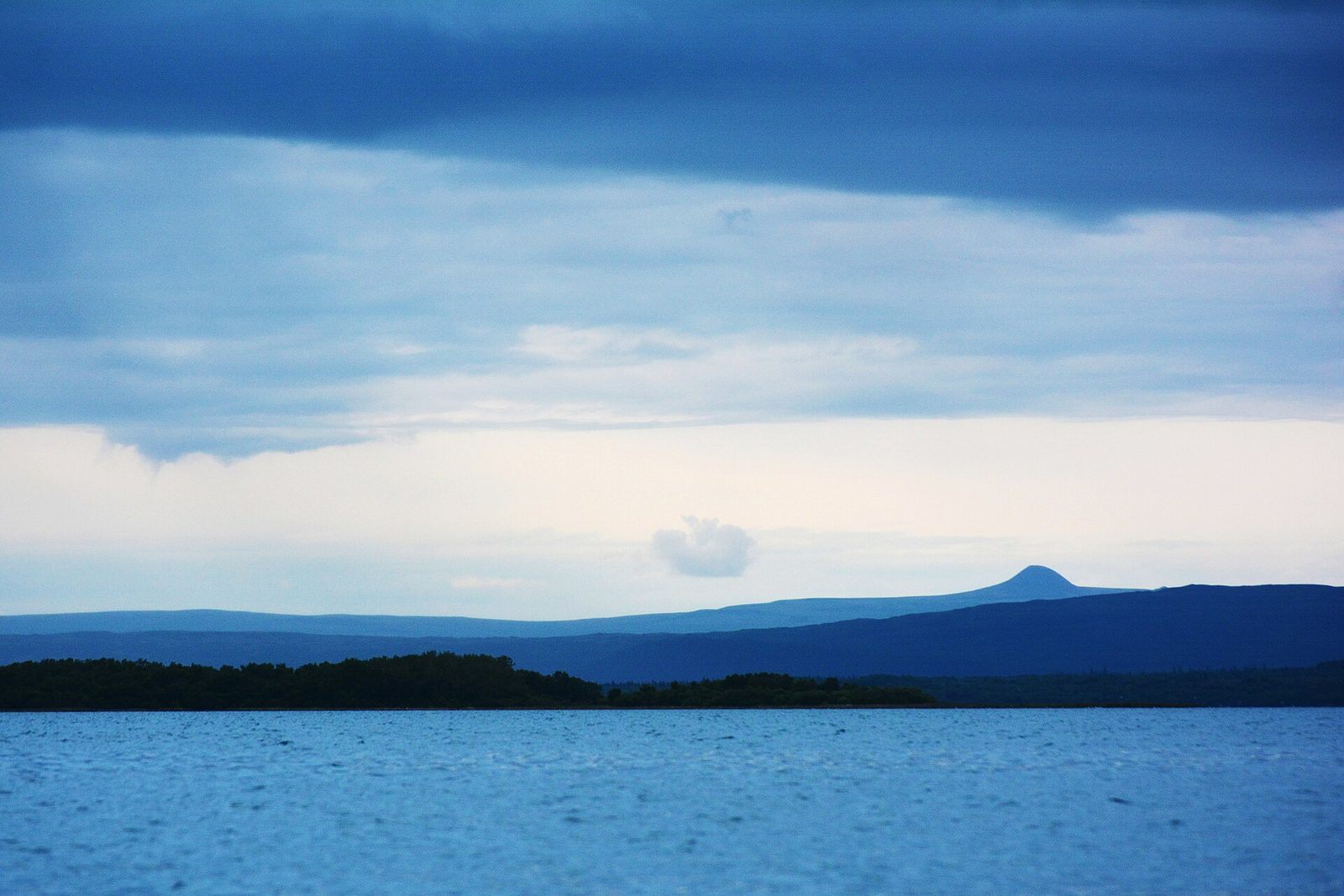
Naknek Lake, 40 miles (64 km) long, stretches east from Brooks Camp into the mountains, and its Bay of Islands is a maze of forested islands and quiet coves. Experienced paddlers can follow the Savonoski Loop, a canoe and kayak route of about 80 miles (130 km) through Naknek Lake, a portage to Lake Grosvenor and down the Savonoski River, a week or more in true wilderness with bears along the way. The lakes are cold and the wind can raise big waves quickly.
- Allow: a day to a week or more
- Start: Brooks Camp
- When: late June to early September
- Suits: experienced, self-reliant paddlers
9. Watch the bear cams and Fat Bear Week
If you cannot get to Katmai, you can still watch its bears. Live cameras at Brooks Falls and along the Brooks River stream through the summer and fall, and every October the park’s Fat Bear Week lets viewers vote for the bear that has put on the most weight before winter. It is also a good way to learn the bears’ names before a visit.
- Allow: as long as you like
- Start: online
- When: about June to October; early October for Fat Bear Week
- Suits: everyone
Before you go
This list covers what stays the same from year to year. Closures, bus tour dates, lodging and camping reservations and fishing rules change, and the National Park Service posts them on its own site. The link is on our Katmai National Park guide, with the map and how to get there.