

Top 8 things to do in Pinnacles National Park
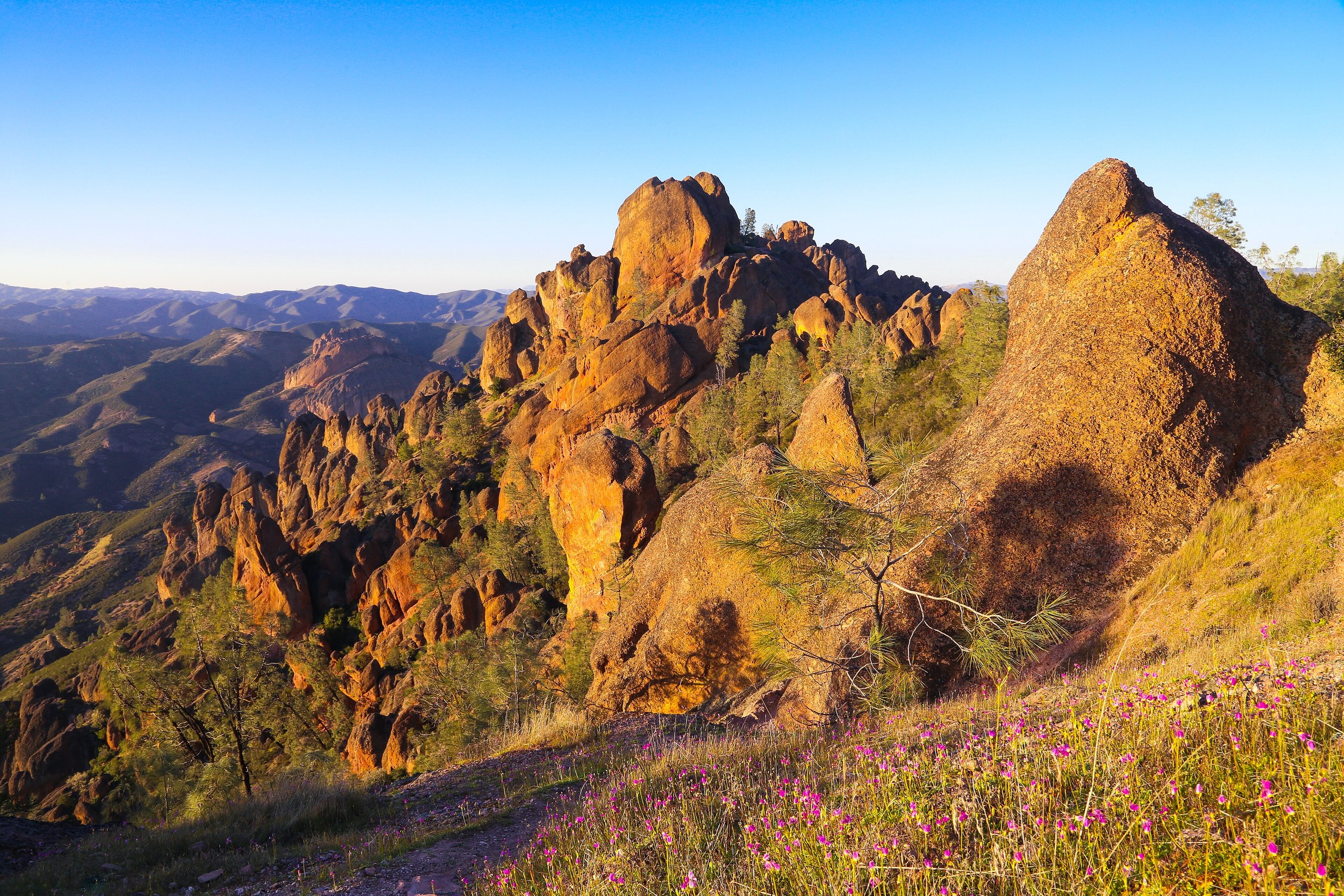
Pinnacles National Park, in the dry hills of central California south of San Jose, protects the eroded remains of a volcano that erupted some 23 million years ago about 195 miles (310 km) to the southeast and has been carried north since then along the San Andreas Fault. What is left are spires, crags and walls of reddish volcanic rock rising above chaparral, with talus caves formed where boulders wedged into narrow gorges. The park is also one of the few places where you can see the California condor, North America’s largest bird, flying free. No road crosses the park: the east and west entrances are about an hour’s drive apart. These are the eight outings we would put first. The order starts with what the park is known for, then goes by what an outing gives back for the time and effort it takes. Distances are approximate; times are our estimates and do not include stops.
Summers here are hot, often over 100°F (38°C), with little shade on the trails: hike in the morning, and carry plenty of water. The best seasons are spring, when the hills are green and full of wildflowers, and fall. In the caves you need a flashlight, and the rocks are slippery; parts of the caves close at times to protect bats or after heavy rain. Watch for rattlesnakes and poison oak along the trails.
1. Hike the High Peaks loop
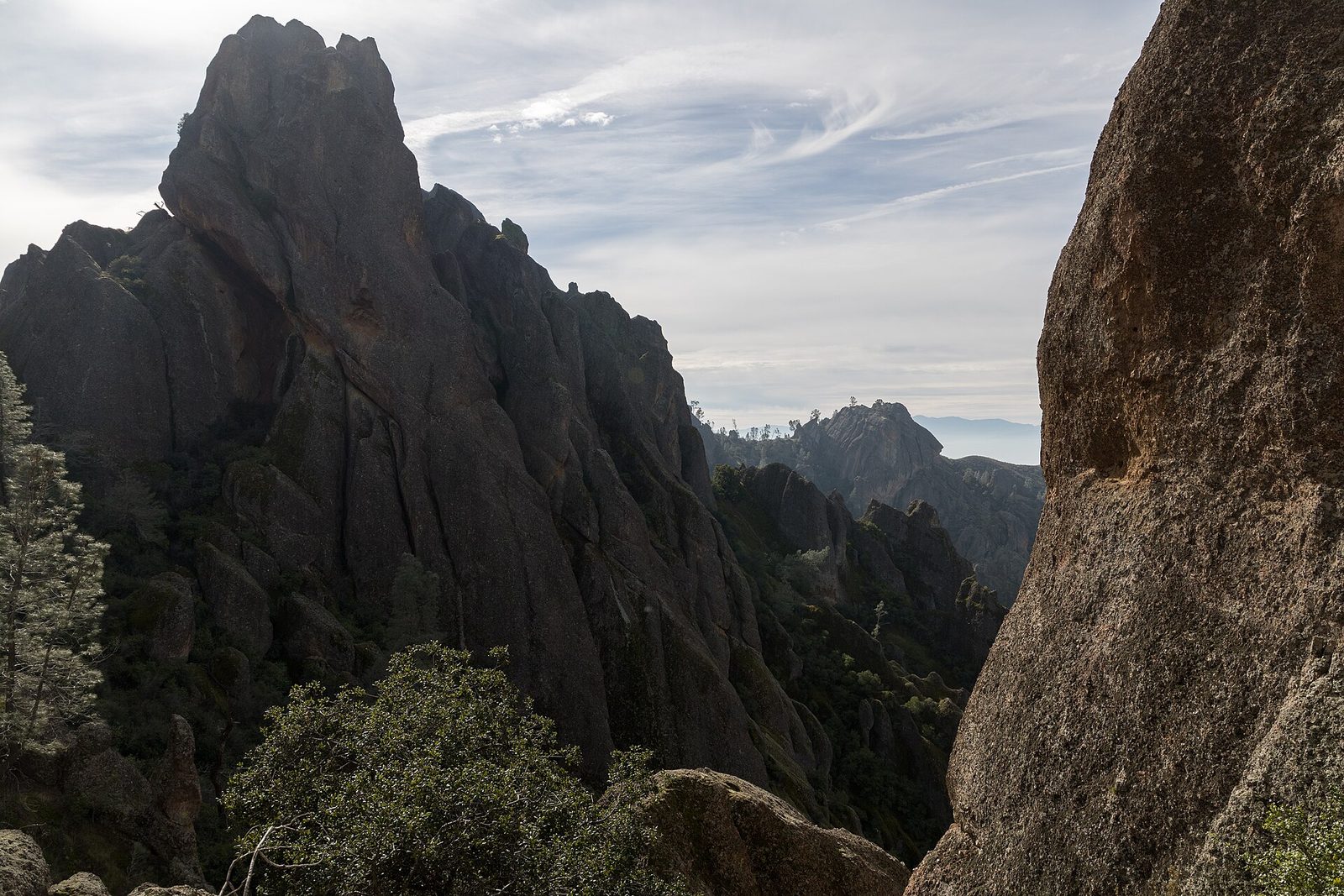
The park’s classic hike climbs Condor Gulch from the Bear Gulch area to an overlook, then onto the High Peaks Trail, which winds among the tops of the spires. On the Steep and Narrow section, the trail climbs steps cut into the rock, with handrails along narrow ledges. The views are wide and dramatic, and this is the best place in the park to see condors soaring, often close overhead. The loop returns down through the Bear Gulch area.
- Distance: 5.3 miles (8.5 km) loop
- Climb: about 1,300 feet (400 m)
- Allow: 3 to 4 hours
- Start: Bear Gulch Day Use Area, on the east side
- When: October to May; early morning in summer
- Suits: fit hikers comfortable with heights
2. Scramble through Bear Gulch Cave to the reservoir
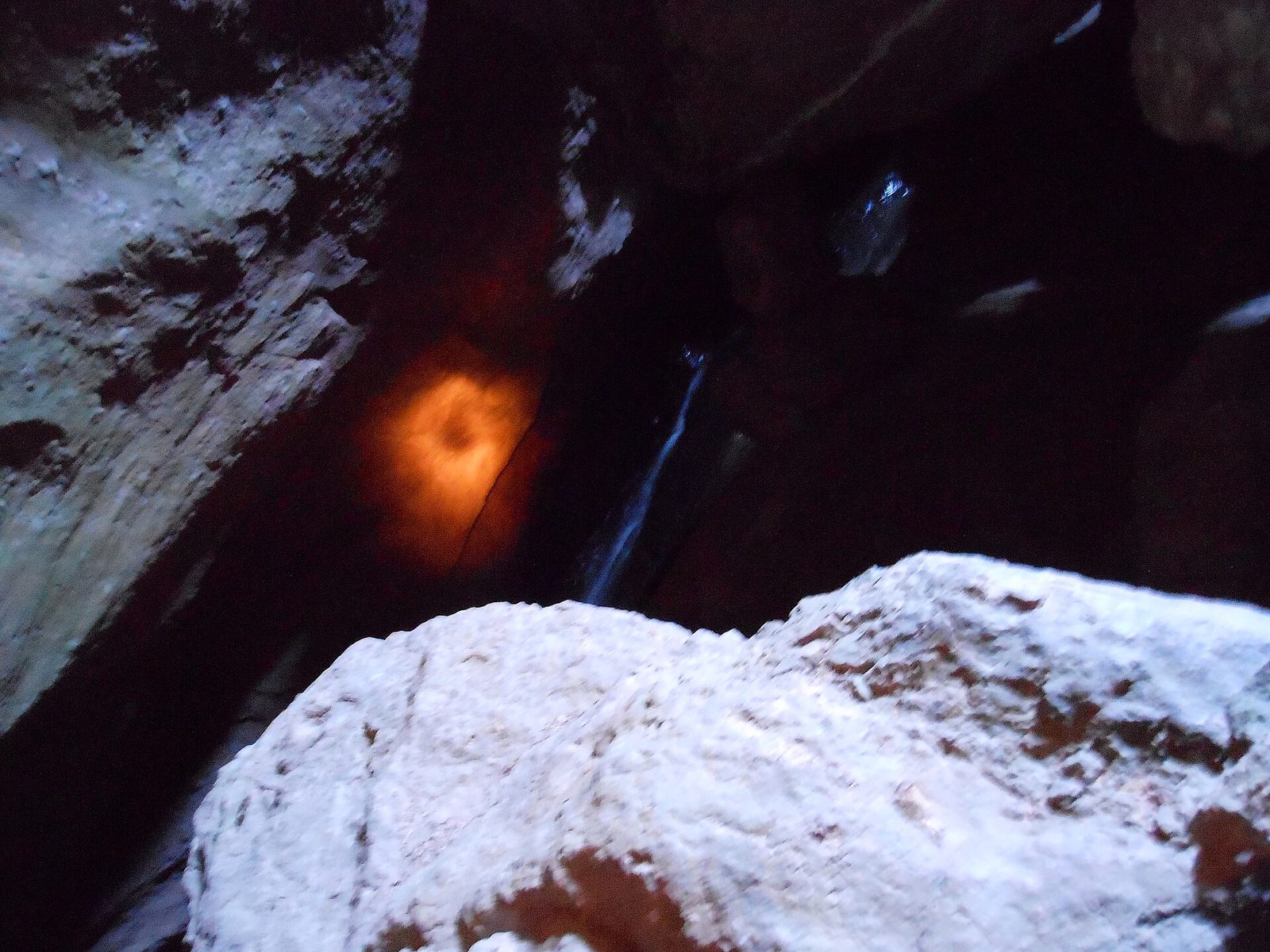
Bear Gulch Cave is a talus cave, a passage under enormous boulders that fell into a narrow gorge and jammed there. With a flashlight, you squeeze through its dark, wet passages, climb steps cut in the rock beside a trickling stream, and come out at Bear Gulch Reservoir, a small lake held back by a stone dam among the spires. The Moses Spring trail along the rim of the gorge makes a loop back. The cave is home to a colony of Townsend’s big-eared bats, and parts of it close each year while they raise their young.
- Distance: about 1.5 miles (2.4 km) loop with the reservoir
- Allow: 1.5 hours
- Start: Moses Spring trailhead, in the Bear Gulch Day Use Area
- When: all year when open; bring a flashlight
- Suits: most walkers who can duck, squeeze and climb short steps
3. Walk through the Balconies Cave
On the west side, a level trail follows a creek up a valley below the Balconies, a line of towering cliffs of rust-coloured rock popular with climbers, and then enters the Balconies Cave, another talus cave where you clamber over and under boulders in the dark, by flashlight. You can return over the top of the cave on a trail with views of the cliffs. It can also be reached from the east side on a longer trail.
- Distance: about 2.4 miles (3.9 km) loop from the west side
- Allow: 1.5 to 2 hours
- Start: Chaparral trailhead, at the end of the road from the west entrance near Soledad
- When: all year when open; the cave floods after heavy rain
- Suits: most walkers who can scramble over boulders
4. Watch for California condors
California condors, with wings nearly 10 feet (3 m) across, came close to extinction in the 1980s, when the last wild birds were caught for breeding. Since 2003 the park has released young condors into the wild here, and they now soar over the High Peaks and the ridges around them. Look for them riding the air currents in the morning and late afternoon; each bird wears a numbered tag on its wing. A short climb to the Condor Gulch Overlook is a good place to watch.
- Distance: about 2 miles (3.2 km) round trip to the Condor Gulch Overlook
- Allow: 1 hour, or longer with binoculars
- Start: Bear Gulch Day Use Area
- When: all year; morning and late afternoon
- Suits: everyone
5. Climb North Chalone Peak
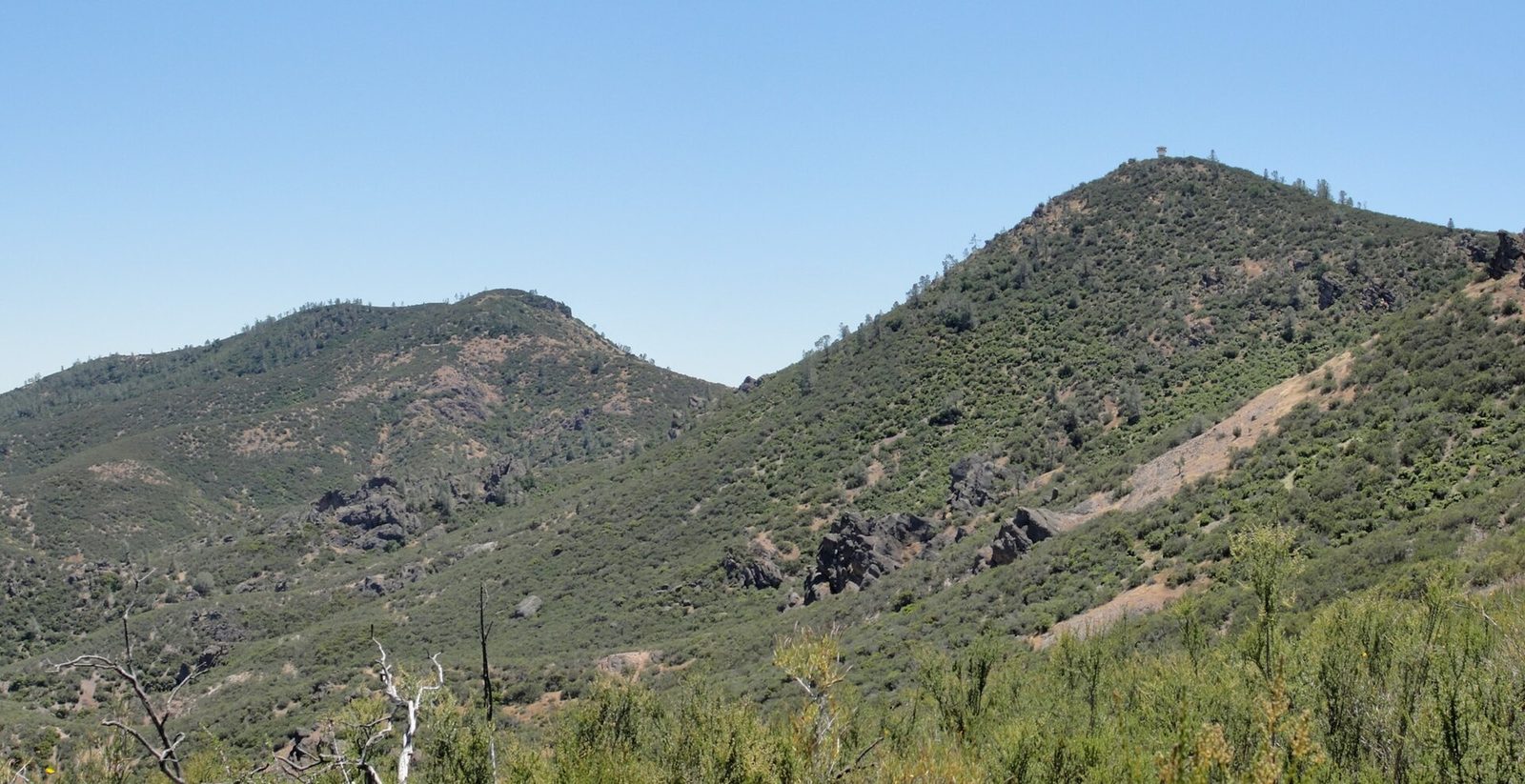
At 3,304 feet (1,007 m), North Chalone Peak is the highest point in the park, and the trail to it climbs past Bear Gulch Reservoir and up through chaparral and oak woodland to a summit with an old fire lookout. From the top you see the whole park laid out below, the Salinas Valley, and on clear days the Pacific Ocean and the Sierra Nevada. It is a long, quiet climb, best on a cool day.
- Distance: about 8.5 miles (13.7 km) round trip
- Climb: about 2,000 feet (610 m)
- Allow: 5 hours
- Start: Bear Gulch Day Use Area
- When: October to May
- Suits: fit hikers
6. See the spring wildflowers
From late winter into spring, the grassy hillsides and chaparral of Pinnacles bloom with California poppies, lupines, shooting stars, mariposa lilies and dozens of other wildflowers, and the park is at its greenest. The easy, level Bench Trail and Old Pinnacles Trail along the creeks on the east side are good places to see them, along with the bees: the park has one of the highest concentrations of bee species known anywhere.
- Allow: 1 to 3 hours
- Start: the east side, near the Pinnacles Visitor Center and the Old Pinnacles trailhead
- When: February to May
- Suits: everyone
7. Climb the rock
The spires and cliffs of Pinnacles have drawn rock climbers for generations, with hundreds of routes on the Balconies, Machete Ridge and the High Peaks. The volcanic rock can be loose and crumbly, so it suits experienced climbers who know how to judge it, and some formations close in spring to protect nesting falcons and condors. Climbers who are new to the park should check the current climbing information first.
- Allow: half a day to a day
- Start: the Bear Gulch area on the east side or the Chaparral area on the west
- When: October to May
- Suits: experienced climbers
8. Camp and look at the stars
The park’s only campground, on the east side, sits among oaks along a creek, with a swimming pool in summer, and it is a good base for early-morning hikes before the heat. After dark the sky is dark enough for the Milky Way, and on summer evenings you may see bats leaving the caves and hear owls calling in the woods.
- Allow: a night or two
- Start: Pinnacles Campground, at the east entrance
- When: all year
- Suits: everyone
Before you go
This list covers what stays the same from year to year. Closures, cave status, climbing closures and heat warnings change, and the National Park Service posts them on its own site. The link is on our Pinnacles National Park guide, with the map and how to get there.