

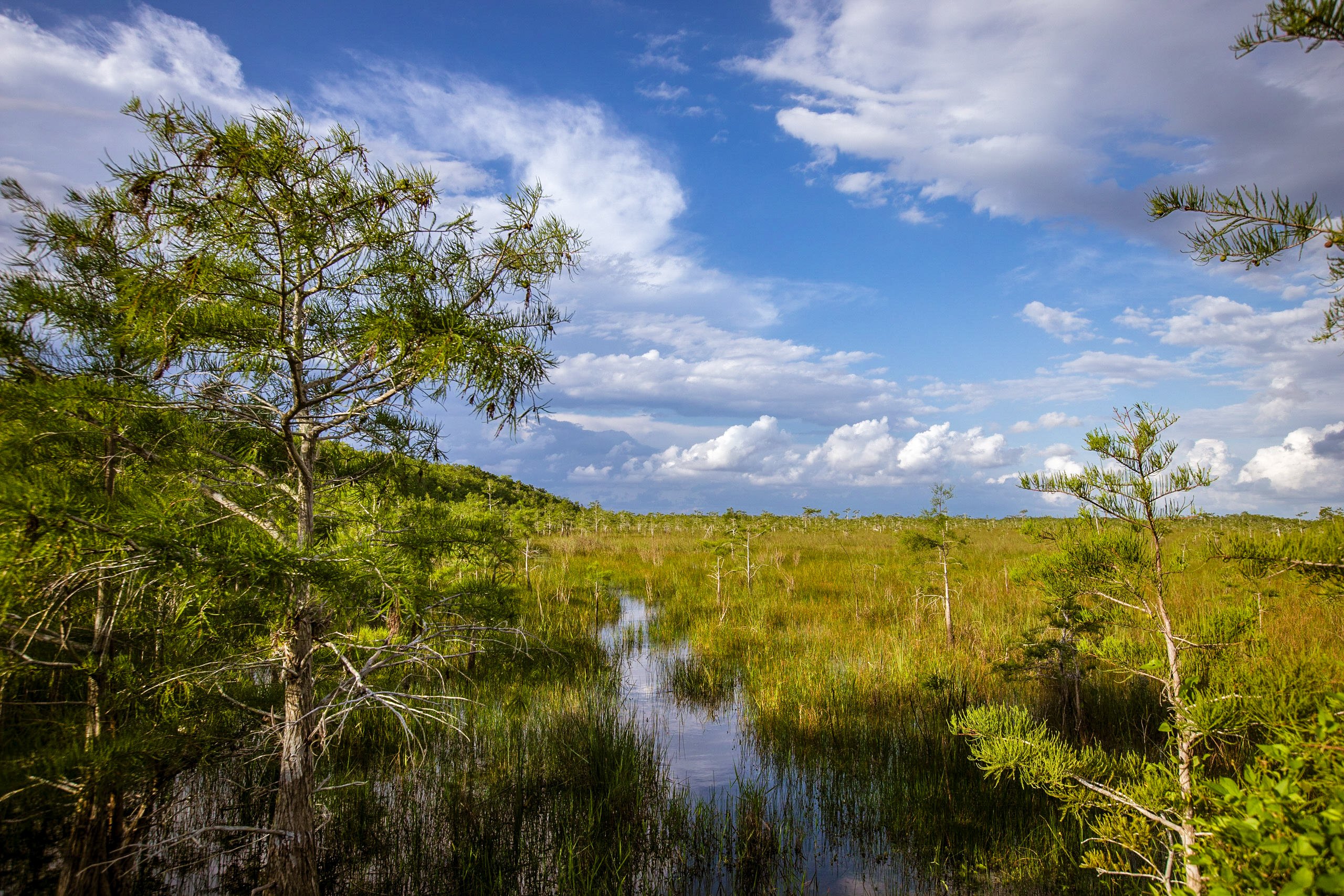
Top 9 things to do in Everglades National Park
The Everglades is a river, not a swamp: a sheet of fresh water up to 60 miles (100 km) wide and a few inches deep, moving slowly south through sawgrass to the mangroves and Florida Bay. The park covers its southern end and is the largest subtropical wilderness in the United States. No road crosses it. There are three separate entrances, hours apart, and you choose a day’s outings by which one you are near. These are the nine we would put first. The order starts with what the park is known for, then goes by what an outing gives back for the time and effort it takes. Distances are National Park Service figures; times are our estimates and do not include the drive.
Come in the dry season, from December to April. The water shrinks into ponds and sloughs then, and the wildlife gathers at them; the air is mild and the mosquitoes are bearable. From May to November it is hot, wet and stormy, the animals spread out, and the mosquitoes at Flamingo can make it impossible to stand outside. Keep at least 15 feet (4.5 m) from alligators and crocodiles at all times, and never feed any animal.
1. Walk the Anhinga Trail
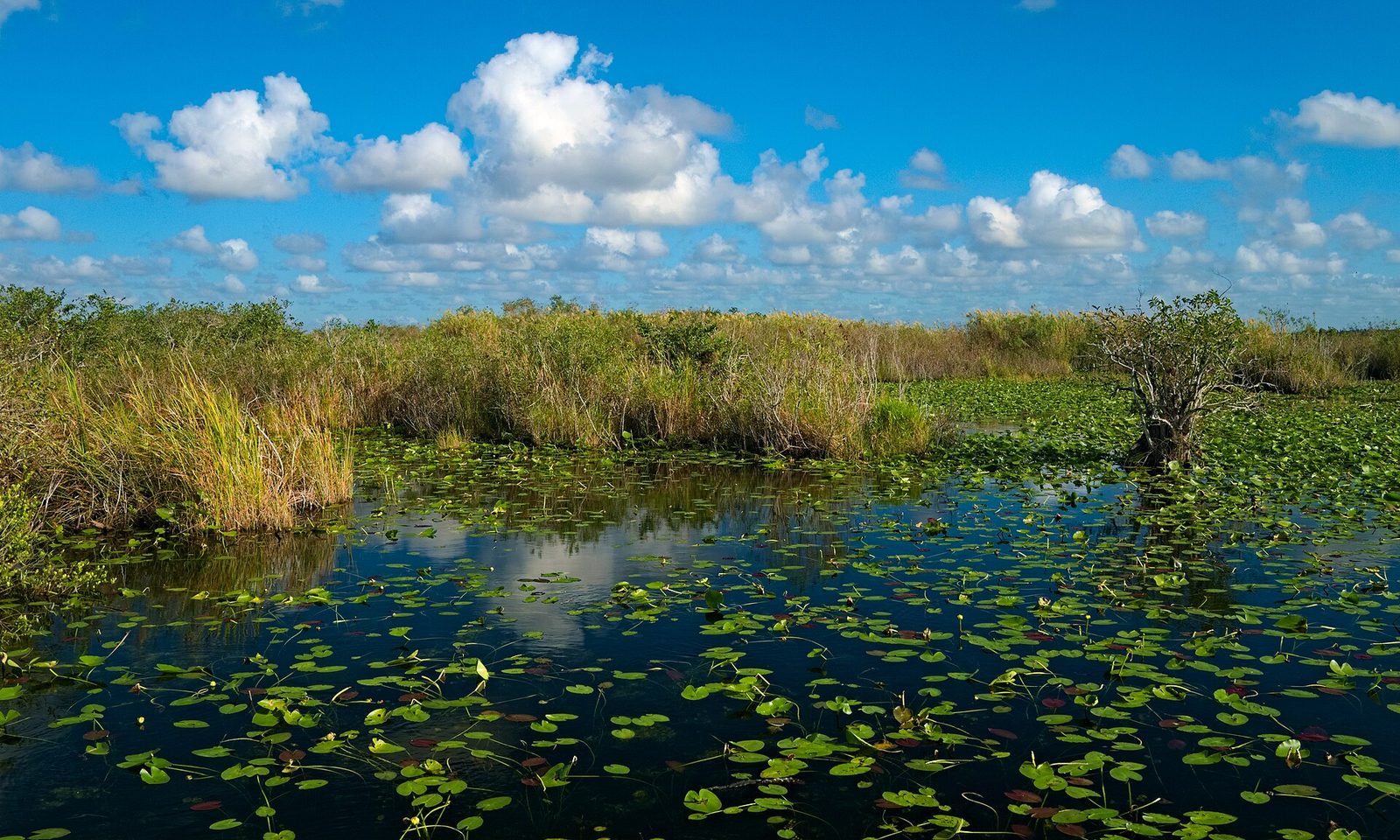
If you have two hours in the park, spend them here. The trail is a paved path and boardwalk over Taylor Slough, a channel of deeper water that holds fish all winter, and in the dry season the wildlife is packed around it at arm’s length: alligators hauled out on the banks, anhingas drying their wings on the railings, herons, egrets, cormorants, turtles and gar in the clear water below. Nothing here is fed or tame. The animals are simply used to people. Rangers lead walks most mornings in season.
The Gumbo Limbo Trail starts from the same parking area and loops through a hardwood hammock, a shady island of tropical trees. Black vultures here sometimes pull the rubber from parked cars, so use the tarps the park provides.
- Distance: 0.8 miles (1.3 km) round trip; the Gumbo Limbo loop is 0.4 miles (0.6 km)
- Allow: 1 to 1.5 hours for both
- Start: Royal Palm, 4 miles (6 km) inside the Homestead entrance
- When: December to April; early morning or late afternoon
- Suits: everyone, including wheelchair users
2. Ride or cycle the Shark Valley loop
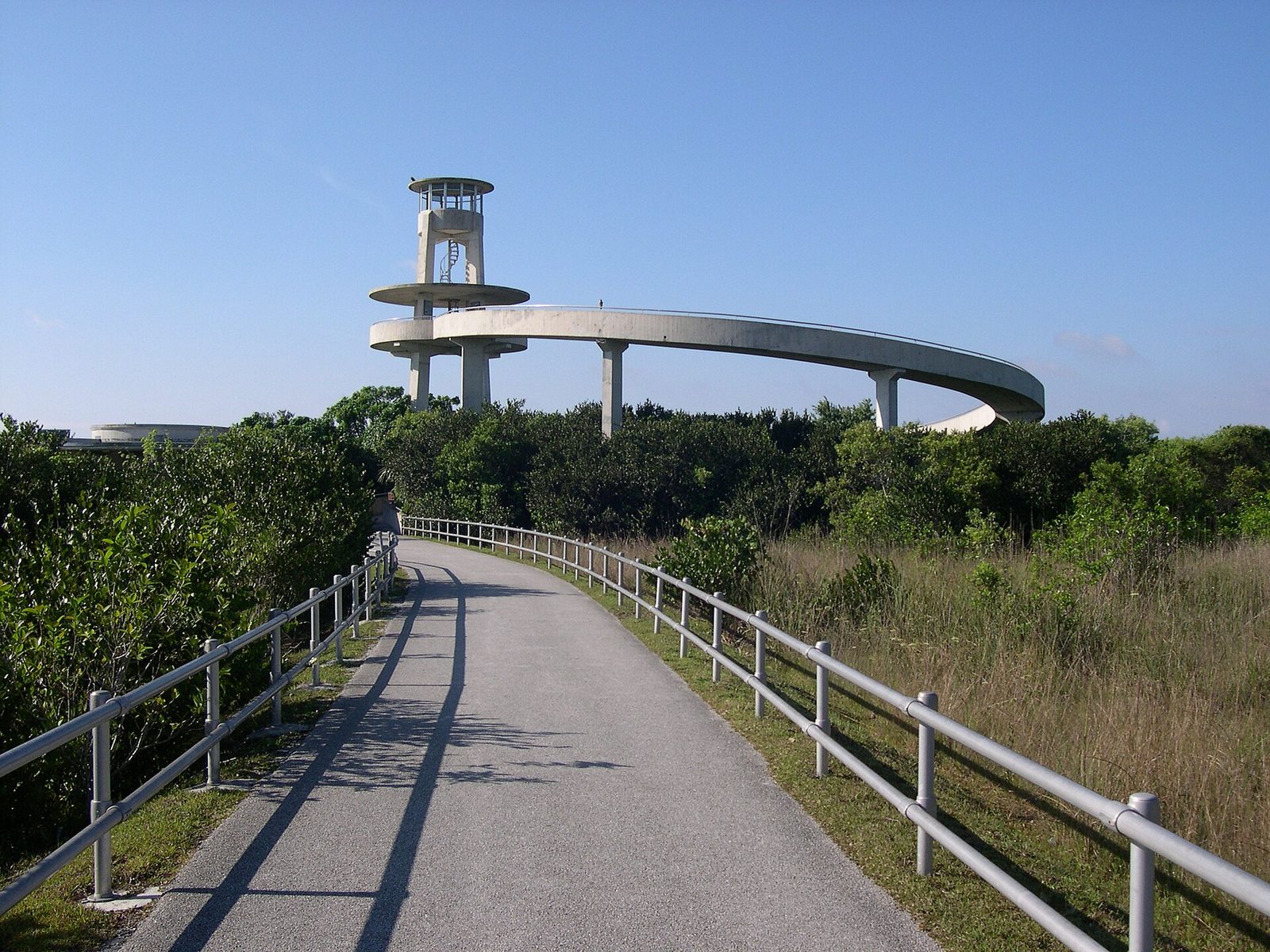
Shark Valley is the heart of the river of grass. A paved road, closed to cars, runs straight out into the sawgrass for 7 miles (11 km) to a concrete observation tower with a spiral ramp, then curves back. From the top of the tower you see nothing man-made to any horizon. Alligators lie on the edge of the pavement the whole way, and wading birds work the canal beside it. A two-hour tram tour with a naturalist covers the loop, or you can rent a bicycle and ride it, which is flat and takes two to three hours.
The parking area is small and fills by mid-morning in winter, when cars queue on the highway. Arrive at opening, and book the tram ahead.
- Distance: a loop of 15 miles (24 km)
- Allow: 2 to 3 hours
- Start: Shark Valley Visitor Center, on the Tamiami Trail (US 41), about 40 miles (64 km) west of Miami
- When: December to April. There is no shade and no water on the loop.
- Suits: everyone by tram; anyone who can ride 15 miles (24 km) on the flat
3. Drive the main park road to Flamingo
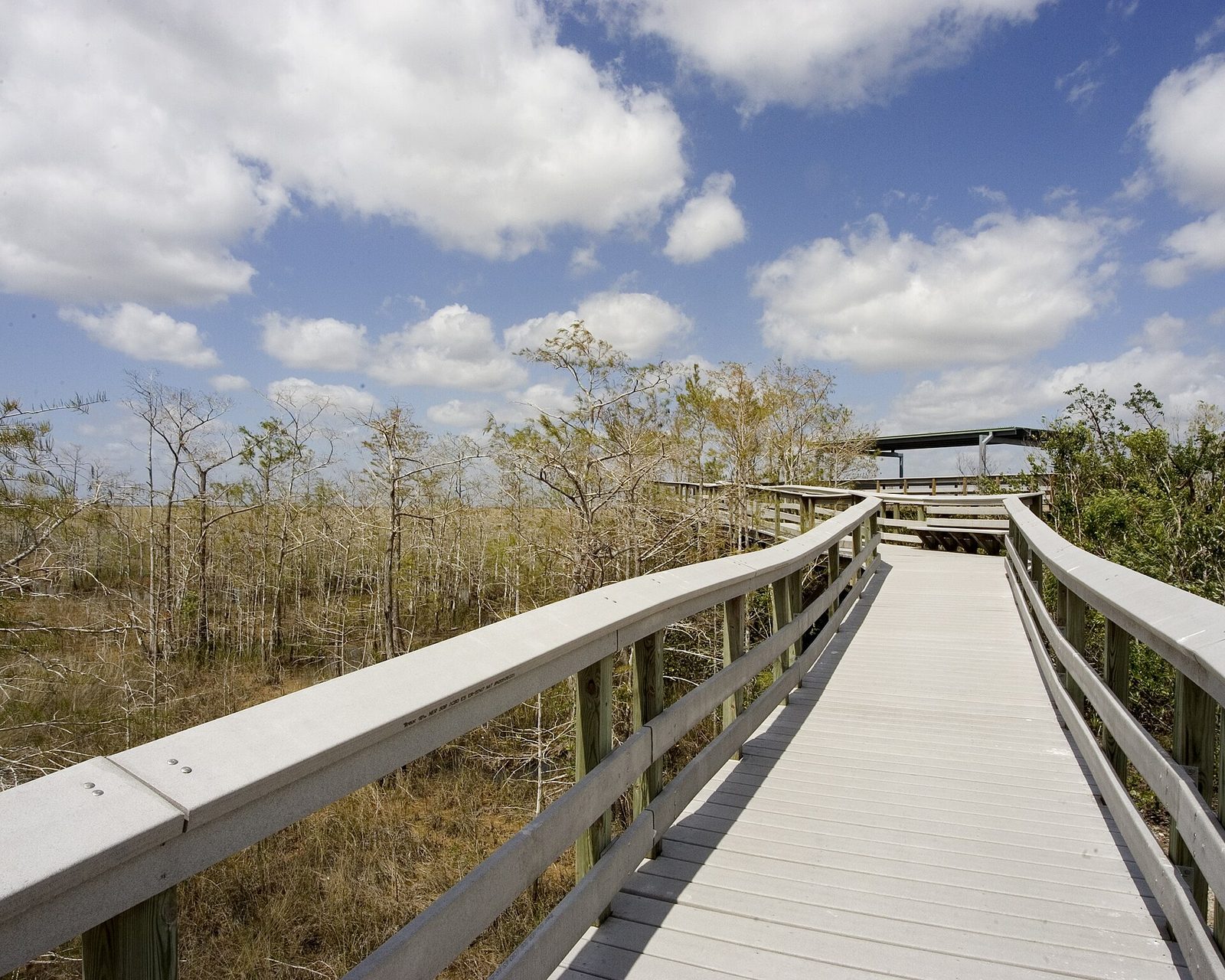
The road from the Homestead entrance to Flamingo crosses every kind of country the park has in 38 miles (61 km), and the changes come from differences in height of a few inches. Short boardwalks along the way show each one. At Pa-hay-okee, a raised platform looks over open sawgrass to the horizon. Mahogany Hammock is a loop through a dense island of tropical hardwoods, with the largest living mahogany in the United States. Farther on, the dwarf cypress give way to mangroves and the water turns salt. Stop at the ponds beside the road in the last few miles for birds.
- Distance: 38 miles (61 km) each way; the boardwalks are 0.16 miles (0.3 km) at Pa-hay-okee and 0.5 miles (0.8 km) at Mahogany Hammock
- Allow: half a day one way with stops
- Start: Ernest F. Coe Visitor Center, at the Homestead entrance
- When: December to April
- Suits: everyone. Fill the tank in Homestead: there is no fuel on the road.
4. Look for manatees and crocodiles at Flamingo
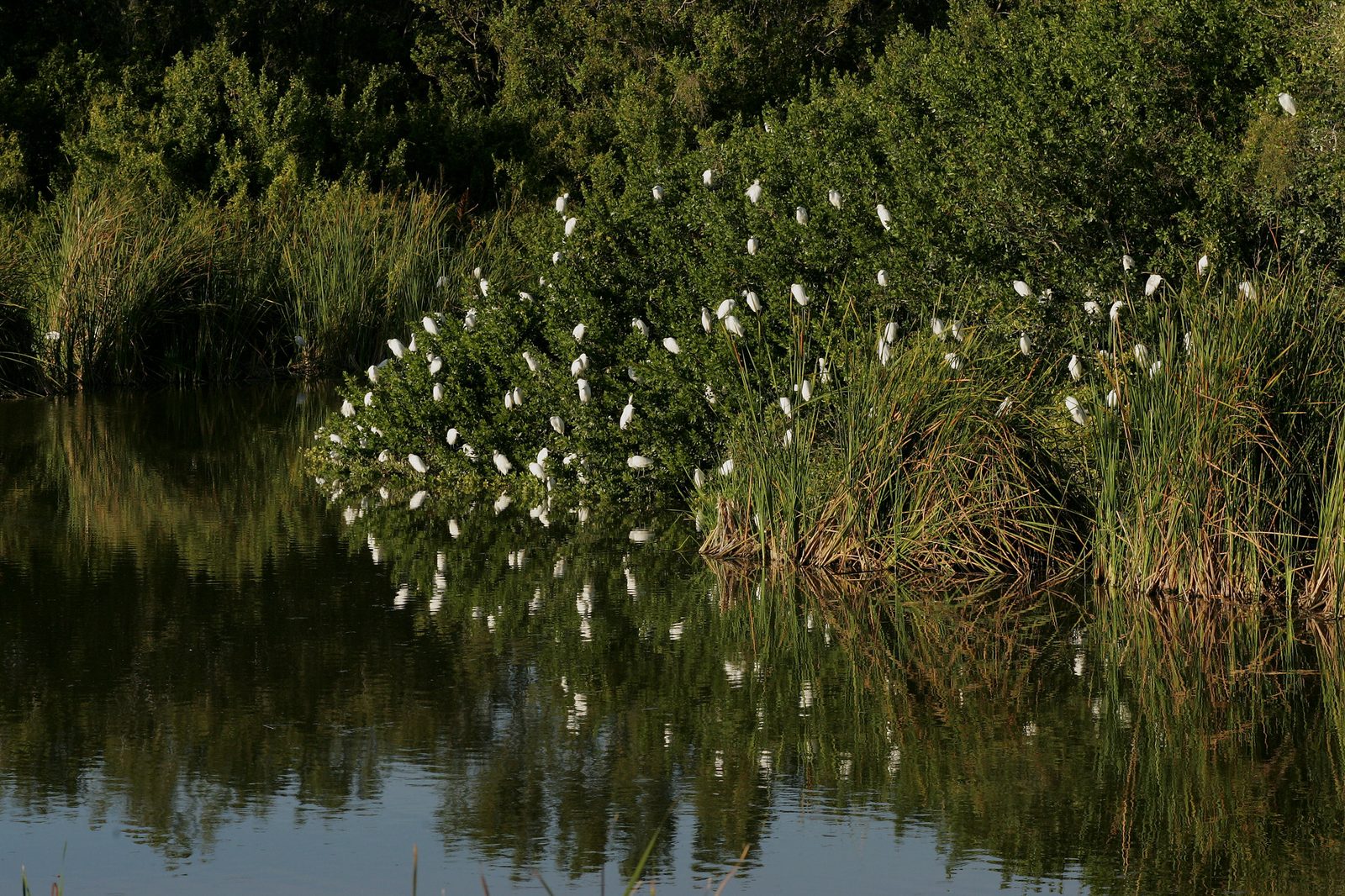
Flamingo, at the end of the road, sits where fresh water meets Florida Bay, and it is the one place in the United States where alligators and American crocodiles live side by side. Crocodiles, paler and narrower in the snout, bask on the boat ramps at the marina, and manatees surface beside the docks, most often on cool mornings. Ospreys nest on the channel markers. At Eco Pond, a short loop circles a pond used by roseate spoonbills, wood storks and ibis, best at sunset. Boat tours run from the marina into the mangrove creeks and out onto the bay.
- Distance: a loop of 0.5 miles (0.8 km) at Eco Pond
- Allow: 2 hours to half a day
- Start: Flamingo marina and the Guy Bradley Visitor Center
- When: December to March. Bring insect repellent in any month.
- Suits: everyone
5. Take a boat into the Ten Thousand Islands
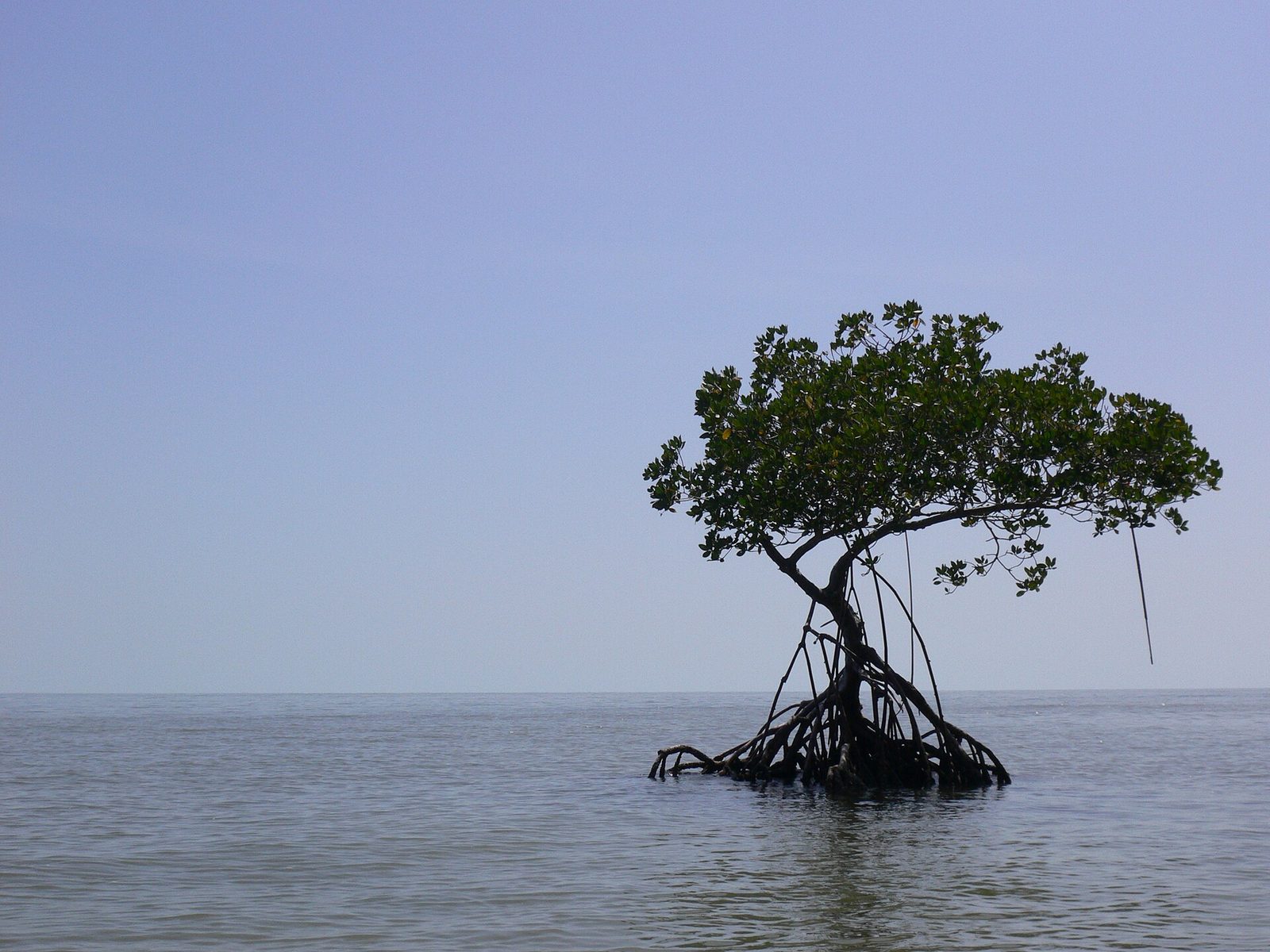
On the Gulf side, the park breaks up into a maze of mangrove islands, hundreds of them, with shallow bays and oyster bars between. Boat tours from Everglades City thread through it, and bottlenose dolphins very often ride alongside. Manatees, ospreys, bald eagles and, in winter, white pelicans are regulars. Paddlers can explore the nearer islands on day trips, with a tide table and a chart, since every island looks like the last. The 99-mile (159 km) Wilderness Waterway to Flamingo starts here, a trip of about a week by canoe.
- Allow: 1.5 to 2 hours for a boat tour; a day to paddle
- Start: the Gulf Coast visitor center in Everglades City, about 80 miles (130 km) west of Miami
- When: December to April
- Suits: everyone by tour boat; experienced paddlers on their own
6. Wade into a cypress dome on a slough slog
The best way to understand the Everglades is to get into it. On a ranger-led slough slog you step off the road and wade, in water from ankle to waist deep, through sawgrass and into a cypress dome: a round stand of bald cypress growing in a hollow, taller in the centre where the water is deepest. Inside it is cool, dim and quiet, with air plants and orchids on every trunk and clear water over pale limestone mud. It is far less alarming than it sounds.
Wear long trousers and lace-up shoes that can get soaked, and bring dry clothes for afterwards. Places are limited and are booked ahead.
- Distance: about 1 mile (1.6 km), slowly
- Allow: 2 to 3 hours
- Start: as arranged with the rangers, usually from the main park road
- When: the dry season, on the days the walk is offered
- Suits: steady walkers aged about twelve and up
7. Paddle the Nine Mile Pond canoe trail
This marked loop is the best half-day paddle in the park for people without backcountry experience. It crosses an open pond, winds through tunnels of red mangrove barely wider than a canoe, and comes out into a wide, shallow marsh of spike rush dotted with tree islands, following numbered white poles. Alligators, wading birds and, with luck, a snail kite are seen along it. Canoes and kayaks are rented at Flamingo. In the late dry season parts of the marsh become too shallow to float a boat, so ask before you set out.
- Distance: a loop of about 5 miles (8 km)
- Allow: 4 to 5 hours
- Start: Nine Mile Pond, on the main park road about 12 miles (19 km) north of Flamingo
- When: December to March, while the water is high enough
- Suits: paddlers comfortable steering in tight spaces
8. Ride an airboat
Airboats, flat-bottomed and driven by an aircraft propeller, were invented for this country and are part of its history. They are banned from almost all of the park, but three long-established operators on the Tamiami Trail, near Shark Valley, are authorised to run tours inside its boundary. A ride skims over the sawgrass and stops among the tree islands to look for alligators and birds. It is loud, fast and popular with children. Ear protection is handed out, and you should wear it.
- Allow: 1 hour
- Start: the authorised operators on the Tamiami Trail (US 41), east of Shark Valley
- When: all year
- Suits: most ages. Tours run by other operators along the highway do not enter the park.
9. Tour the Nike missile base
In the middle of the sawgrass, a short drive from Royal Palm, stands a Cold War relic. After the Cuban Missile Crisis of 1962, the US Army built an anti-aircraft missile site here, 160 miles (260 km) from Cuba, and manned it until 1979. The barns, the control buildings, the guard-dog kennels and a restored Nike Hercules missile are still in place, and it is one of the best-preserved bases of its kind in the country. It is opened in the dry season for ranger-led tours and open houses.
- Allow: 1.5 hours
- Start: as arranged at the Ernest F. Coe Visitor Center; the site is off Research Road, beyond Royal Palm
- When: about December to March, on the days it is open
- Suits: anyone interested in history
Before you go
This list covers what stays the same from year to year. Tour and program schedules, water levels, storm damage and closures change, and the National Park Service posts them on its own site. The link is on our Everglades National Park guide, with the map, passes and how to get there.