

Top 8 things to do in Prince Albert National Park
Prince Albert National Park lies in central Saskatchewan, where the aspen parkland of the prairies gives way to the boreal forest of the north, a landscape of rolling forest, wetlands and hundreds of lakes. Its lakes and rivers make it one of the best canoeing parks on the prairies, and it holds the cabin and grave of Grey Owl, the writer and early conservationist, as well as Canada’s only free-roaming herd of plains bison in their historic range, along with wolves, elk, moose and black bears. The resort village of Waskesiu, on the shore of Waskesiu Lake, is the park’s centre. These are the eight outings we would put first. The order starts with what the park is known for, then goes by what an outing gives back for the time and effort it takes. Distances are approximate; times are our estimates and do not include stops.
The big lakes can turn rough quickly in the wind: stay close to shore in a canoe and wear a life jacket. Black bears live throughout the park, so store food properly when you camp. Mosquitoes and blackflies are heavy in early summer. Keep well back from bison, elk and moose, and watch for wildlife on the roads at dawn and dusk. Winters are long and very cold.
1. Spend a day at Waskesiu Lake
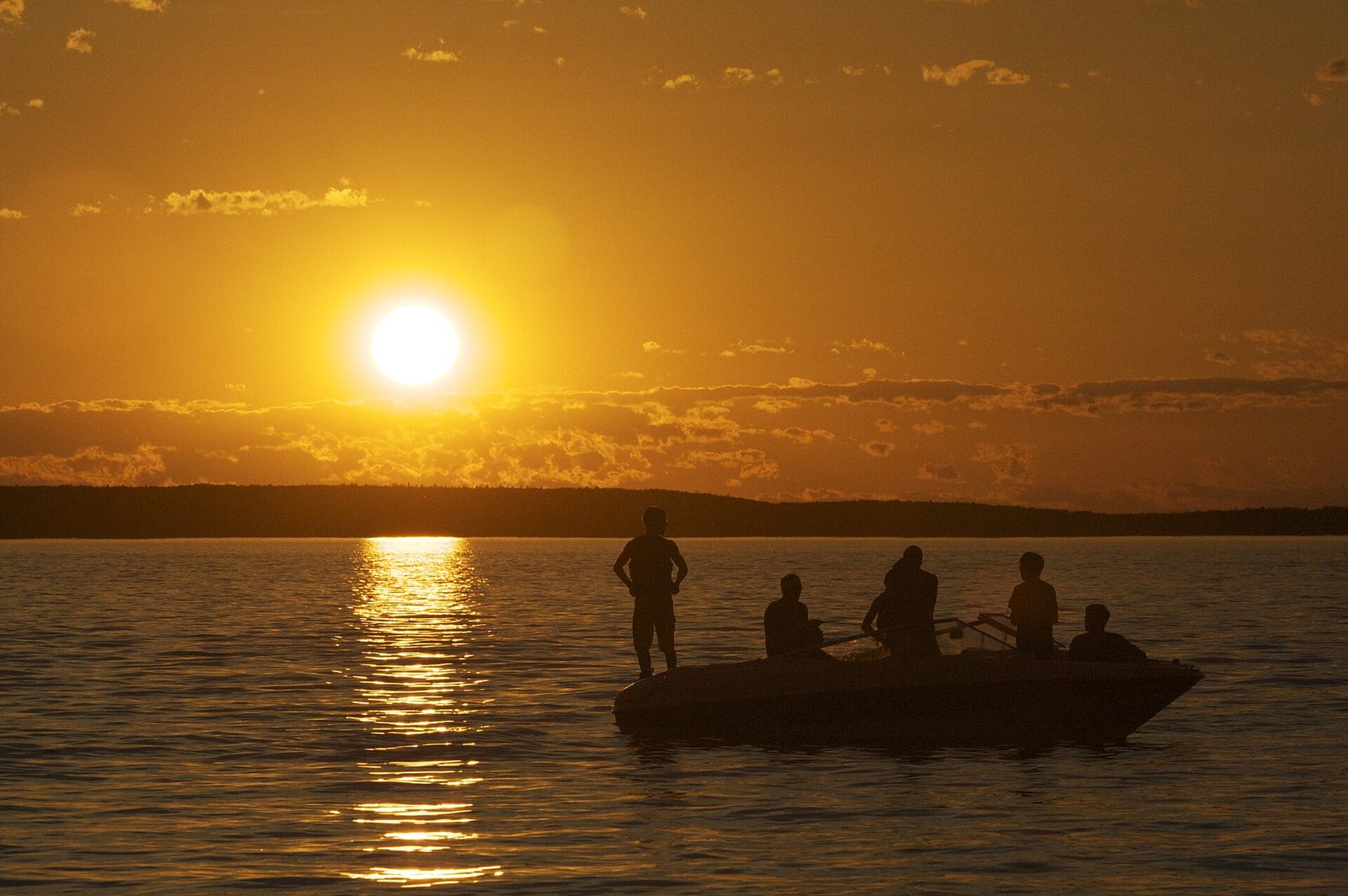
Waskesiu Lake, whose name comes from the Cree word for elk, is the heart of the park: a long, clear lake with sandy beaches, the village of Waskesiu on its eastern shore and boardwalks along the waterfront. Swim at the main beach, rent a canoe or boat, walk the shore at sunset, and visit the Parks Canada visitor centre and the nature centre in the village. It has been Saskatchewan’s summer playground since the 1930s.
- Allow: a day
- Start: the Waskesiu townsite
- When: June to September for swimming and paddling
- Suits: everyone
2. Hike or paddle to Grey Owl’s Cabin
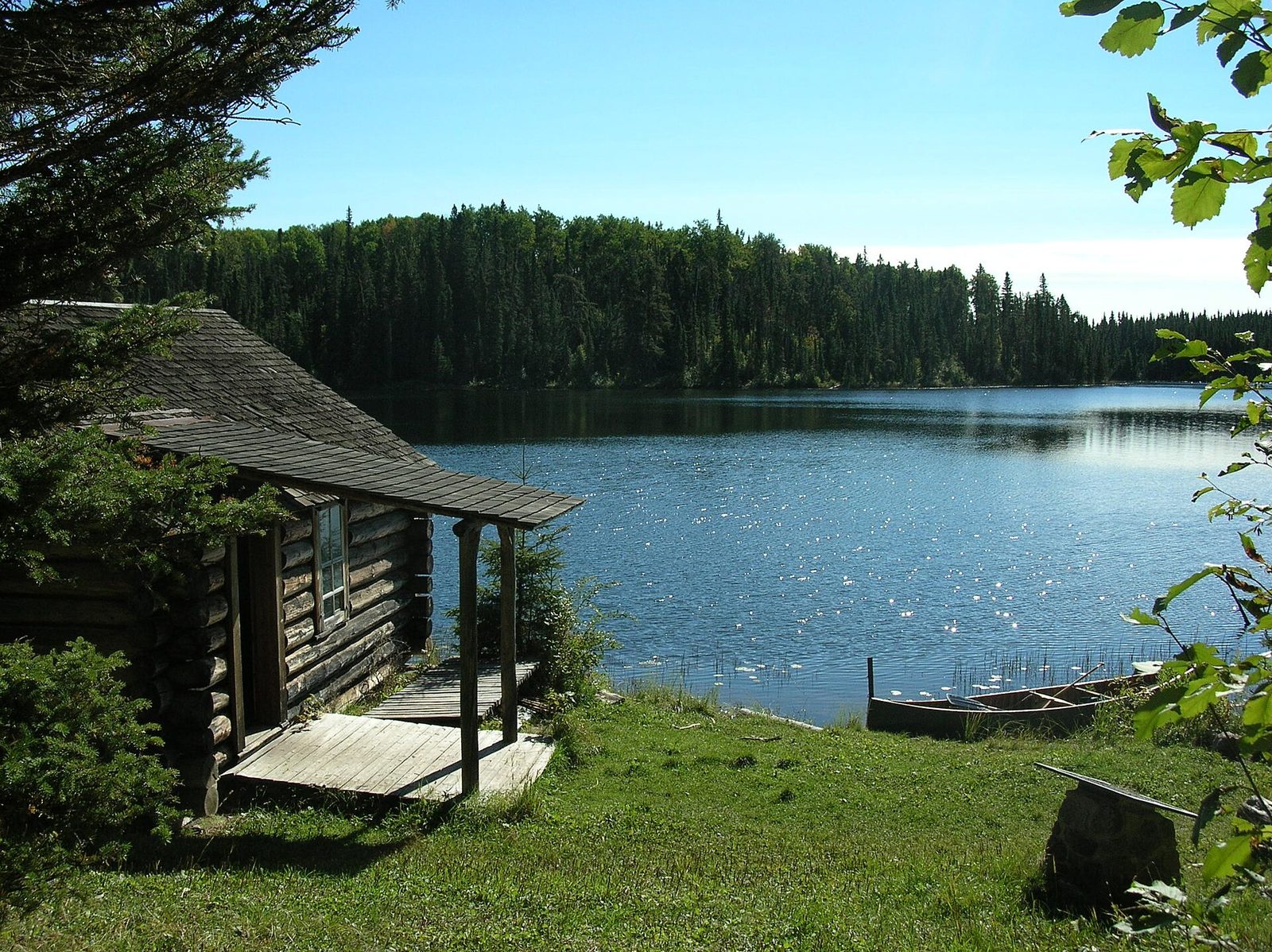
From 1932 until his death in 1938, the writer Grey Owl lived in a log cabin on the shore of little Ajawaan Lake, where he wrote books, made films and raised beavers that lived in a lodge built partly inside the cabin. Born in England, he had reinvented himself as an Indigenous trapper, but his message that the wilderness and its animals must be protected reached millions. The cabin and his grave are reached by a long trail through the forest, or by canoe across Kingsmere Lake, followed by a short walk. It is the park’s classic trip.
- Distance: about 12 miles (20 km) each way on foot, or a paddle across Kingsmere Lake
- Allow: 2 to 3 days, camping on the way
- Start: Kingsmere River parking area, north of Waskesiu
- When: June to September
- Suits: fit hikers and paddlers with camping experience
3. Paddle Kingsmere Lake
North of Waskesiu, Kingsmere Lake is a large, deep, wild lake of clear water, ringed with boreal forest and sandy beaches, with backcountry campsites along its shores. To reach it, paddlers go up the Kingsmere River from the end of the road and get round its rapids on a short rail portage, pushing their canoes on a small cart along a track. Once on the lake, keep close to shore, as it can be rough.
- Allow: a day to several days
- Start: Kingsmere River parking area, north of Waskesiu
- When: June to September
- Suits: paddlers with some experience
4. Paddle the Bagwa Canoe Route
For a quieter paddle, the Bagwa Canoe Route links a string of small lakes by short portages, through forest and marsh where moose, beavers, loons and eagles are common. It can be done in a long day or as an easy overnight at a backcountry campsite, and it is a good introduction to canoe tripping in the boreal forest.
- Allow: a long day or an overnight
- Start: Kingsmere River parking area, north of Waskesiu
- When: June to September
- Suits: paddlers with some experience
5. Walk the Boundary Bog Trail
Close to Waskesiu, a short boardwalk loop leads through a black spruce and tamarack bog, where carnivorous pitcher plants and sundews grow among the moss, and the trees, though centuries old, are barely taller than a person. Signs explain how the bog formed and how its plants survive. It is an easy walk for a calm evening, when the birds are singing.
- Distance: a short boardwalk loop
- Allow: 30 to 45 minutes
- Start: Boundary Bog trailhead, on the road north of Waskesiu
- When: May to October
- Suits: everyone
6. Climb to the Spruce River Highlands lookout
On the park’s southern edge, a trail through the forest of the Spruce River Highlands leads to a lookout tower with a view over the rolling boreal forest, lakes and wetlands stretching to the horizon. In late September the aspens turn gold among the dark spruce, and it is the best place in the park to see the colours.
- Allow: 1.5 to 2 hours
- Start: Spruce River Highlands trailhead, on Highway 263
- When: May to October; late September for colour
- Suits: most walkers
7. Backpack the Boreal Trail
For a longer trip, the Boreal Trail runs through the park for many days, past lakes, rivers and rolling forest, with backcountry campsites along the way. Sections of it can be walked as day hikes from the roads, or the whole trail can be done as a week-long backpacking trip through some of the quietest country in the park.
- Allow: a day for a section, or about a week for the whole trail
- Start: the trailheads along the park’s roads; book backcountry campsites ahead
- When: June to September
- Suits: experienced backpackers
8. Ski and snowshoe in winter
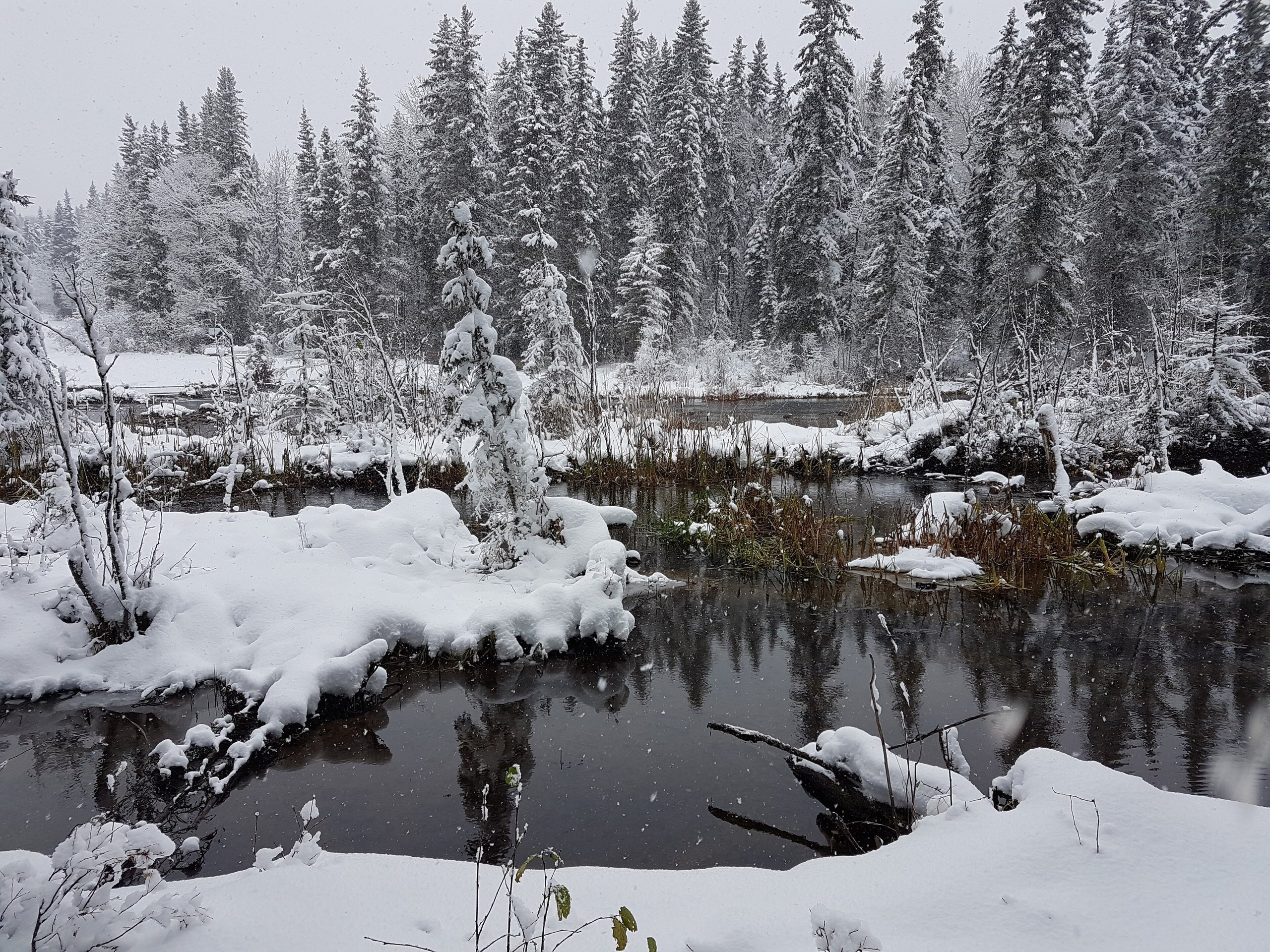
In winter, Waskesiu and the park’s trails are deep in snow, with groomed cross-country ski trails, snowshoe routes and skating, and the quiet forest is full of the tracks of wolves, elk and foxes. On clear nights the northern lights often dance over the frozen lakes.
- Allow: half a day to a weekend
- Start: the Waskesiu townsite and the trailheads nearby
- When: December to March
- Suits: everyone dressed for deep cold
Before you go
This list covers what stays the same from year to year. Closures, fire bans, trail conditions and campsite reservations change, and Parks Canada posts them on its own site. The link is on our Prince Albert National Park guide, with the map and how to get there.