

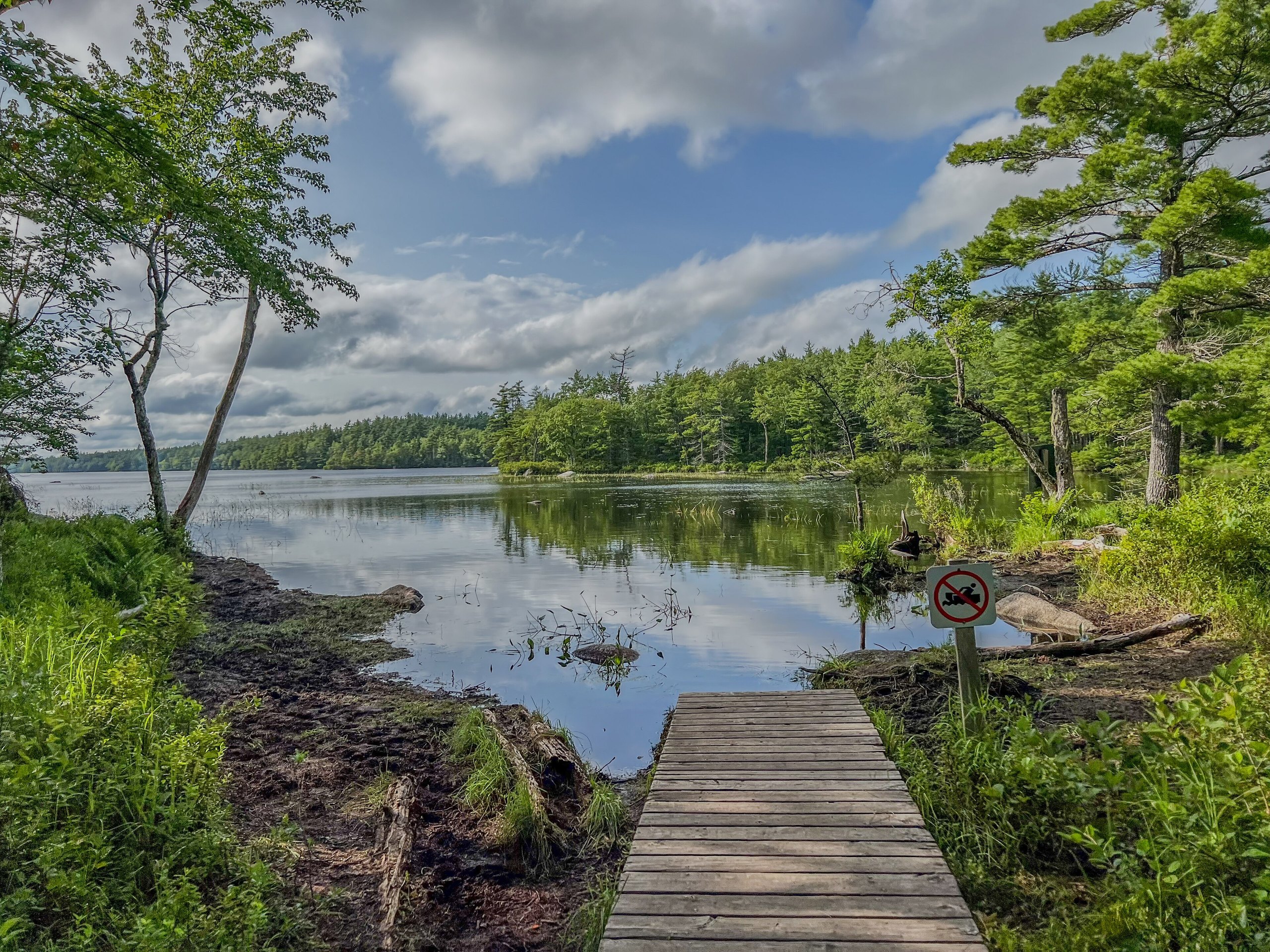
Top 8 things to do in Kejimkujik National Park
Kejimkujik National Park and National Historic Site, in the interior of southwestern Nova Scotia, is a land of lakes, slow rivers and old forests that the Mi’kmaq have travelled by canoe for thousands of years, and it is the only Canadian national park that is also a National Historic Site for its Indigenous cultural landscape. Its quiet waters, old hemlocks and dark skies make it one of the best places in the Maritimes to paddle, camp and see the stars. A separate coastal unit, Kejimkujik Seaside, protects a wild stretch of the Atlantic shore. These are the eight outings we would put first. The order starts with what the park is known for, then goes by what an outing gives back for the time and effort it takes. Distances are approximate; times are our estimates and do not include stops.
Wind can raise rough water quickly on Kejimkujik Lake, so stay near shore in a canoe and wear a life jacket. Black bears live in the park: store food securely when you camp. Ticks are common from spring to fall, so check yourself after walks. At the Seaside, stay on the trails and respect any beach areas closed for nesting piping plovers.
1. Paddle Kejimkujik Lake
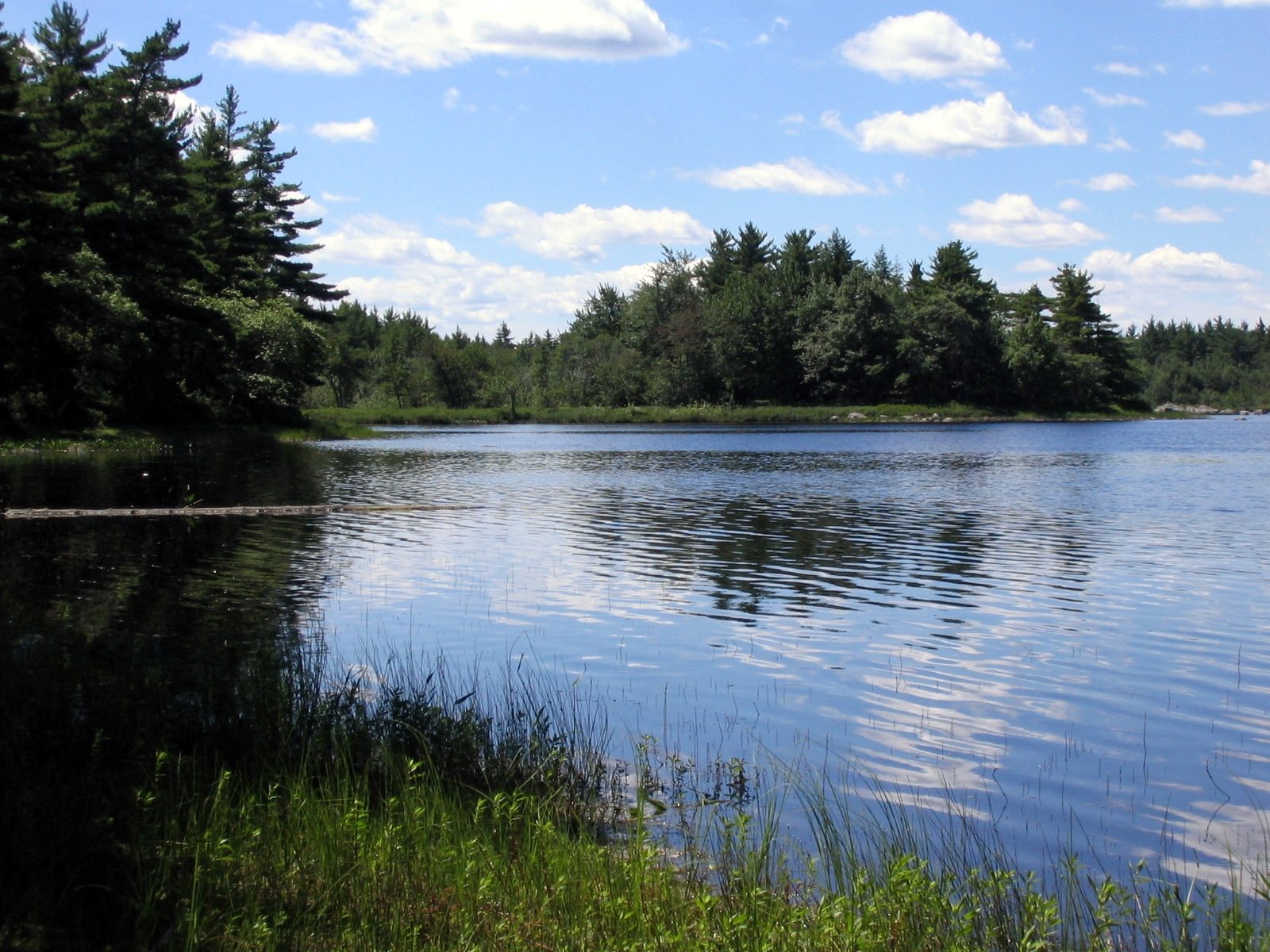
Kejimkujik Lake, the park’s largest and one of the largest in Nova Scotia, is scattered with islands and ringed by a shoreline that is almost entirely wild. Canoes and kayaks can be rented at Jakes Landing on the Mersey River, and from there you can paddle down the river and out into the lake, among the islands and coves, watching for loons, eagles and turtles. It is the classic Keji experience.
- Allow: 2 hours to a day
- Start: Jakes Landing, where canoes and kayaks are rented in summer
- When: June to September; stay near shore when the wind is up
- Suits: everyone who can paddle
2. Go canoe camping
Kejimkujik has one of the best networks of backcountry canoe routes in eastern Canada, linking lakes and rivers by portages along the old travel routes of the Mi’kmaq, with campsites on islands and quiet shores. Trips range from a single night to a week or more, and the evenings, with loons calling across the water and stars overhead, are what draw people back year after year.
- Allow: 2 days to a week
- Start: Jakes Landing and the park’s other launches; book backcountry campsites ahead
- When: late May to early October
- Suits: paddlers with some camping experience
3. Walk among the old hemlocks
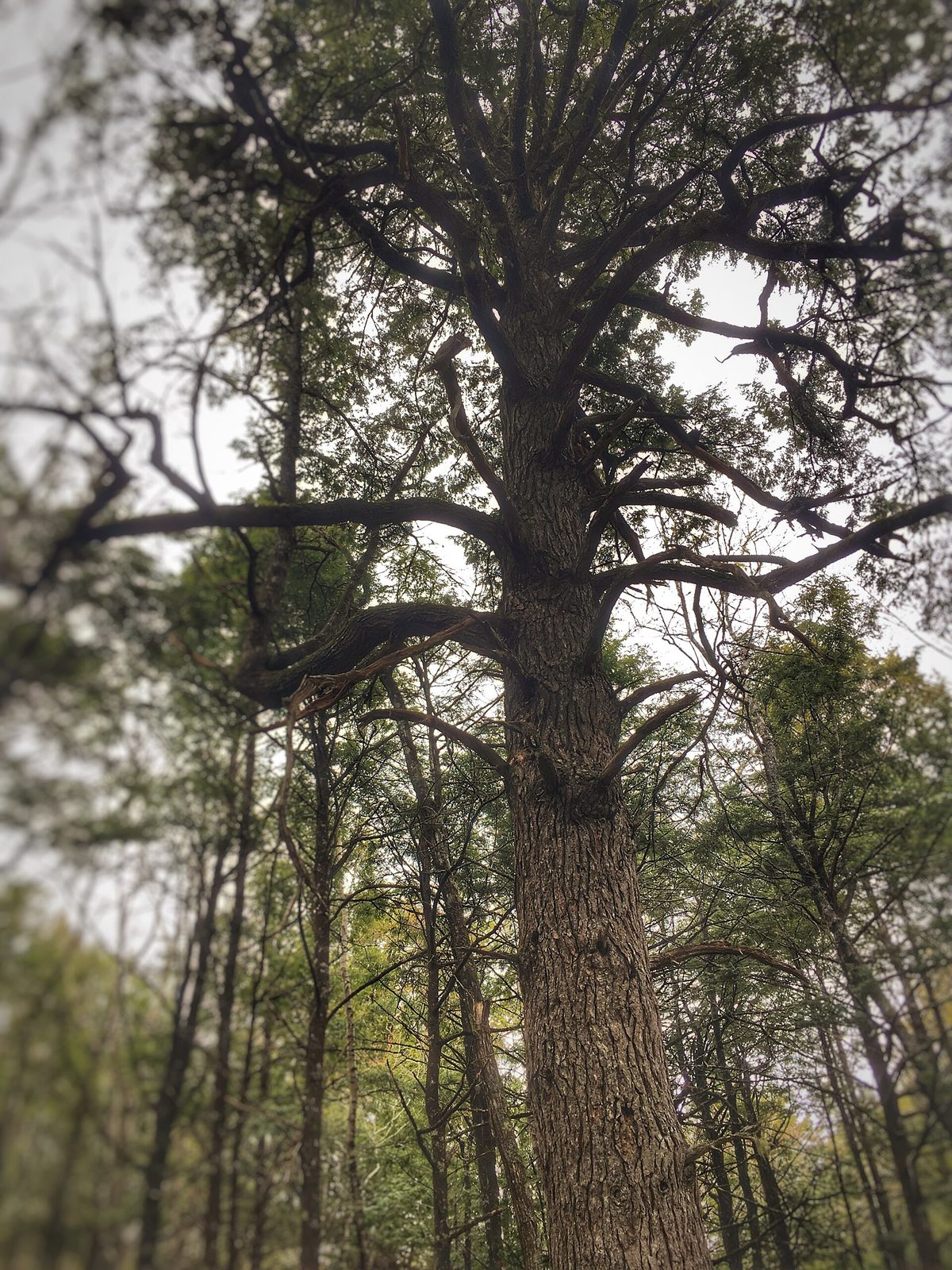
This loop leads into one of the oldest forests in the Maritimes, a stand of eastern hemlocks about 300 years old, tall and straight, their deep shade keeping the forest floor cool and open. A raised boardwalk crosses the heart of the grove so that its roots are protected. The rest of the loop passes through old sugar maple, yellow birch and beech, glorious in fall.
- Distance: about 3.1 miles (5 km) loop
- Allow: 1.5 to 2 hours
- Start: Hemlocks and Hardwoods trailhead, on the park’s main road
- When: May to October; late September to early October for colour
- Suits: most walkers
4. See the Mi’kmaw petroglyphs on a guided tour
On the shores of Kejimkujik Lake, more than 500 petroglyphs are carved into the soft slate rock, made by the Mi’kmaq over hundreds of years: canoes, animals, people, ships and symbols, some of them recording the arrival of Europeans. They are in a protected area and can be seen only on a guided tour, often led by Mi’kmaw interpreters, who share the stories behind them.
- Allow: about 2 hours
- Start: as arranged when you book; ask at the visitor centre
- When: summer, on the days tours are offered
- Suits: everyone
5. Stargaze in the Dark Sky Preserve
Kejimkujik is a Dark Sky Preserve, far from city lights, and on a clear night the Milky Way arches over the lakes. The beach and the open shores of Kejimkujik Lake are good places to watch, and the park holds evening dark-sky programs in summer. Camping overnight lets you see the stars at their best, after the campfires have died down.
- Allow: an hour or two after dark
- Start: Merrymakedge Beach, or your campsite
- When: all year, near the new moon
- Suits: everyone
6. Swim at Merrymakedge Beach
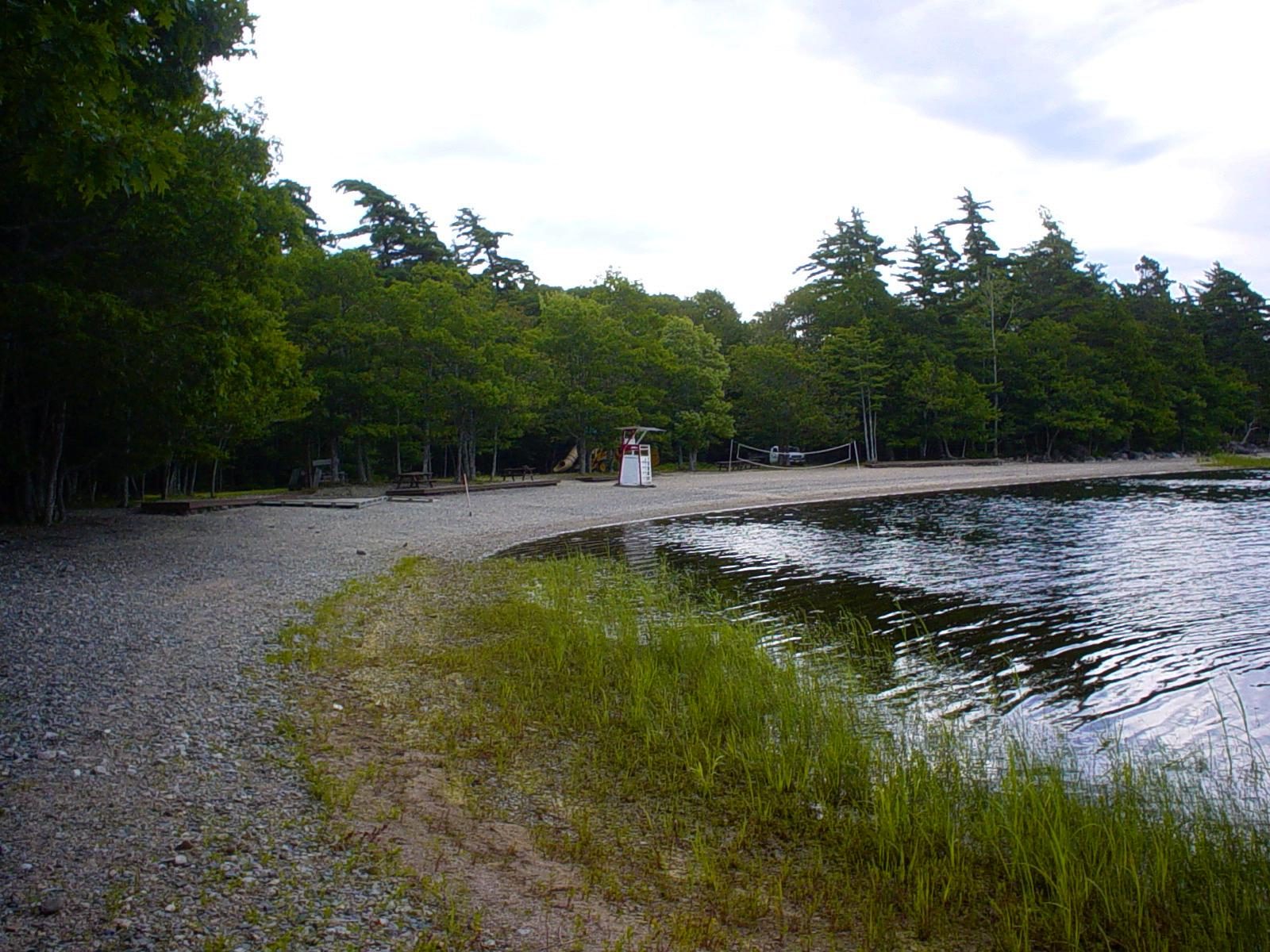
The park’s main beach, on Kejimkujik Lake, has a long stretch of sand, warm, shallow water for swimming in summer, and a picnic area under the trees. It is a good place for families to spend a hot afternoon, and to watch the sun go down over the lake.
- Allow: half a day
- Start: Merrymakedge Beach, on the park’s main road
- When: July and August
- Suits: everyone
7. Walk to Mill Falls
From the visitor centre, a short, easy trail follows the Mersey River through the forest to Mill Falls, where the dark, tea-coloured water tumbles over a series of rapids and ledges. It is a pleasant walk at any time of year, and a good one for a first afternoon in the park.
- Distance: about 1.2 miles (2 km) round trip
- Allow: 45 minutes
- Start: the park visitor centre
- When: all year
- Suits: everyone
8. Walk the Harbour Rocks Trail at Kejimkujik Seaside
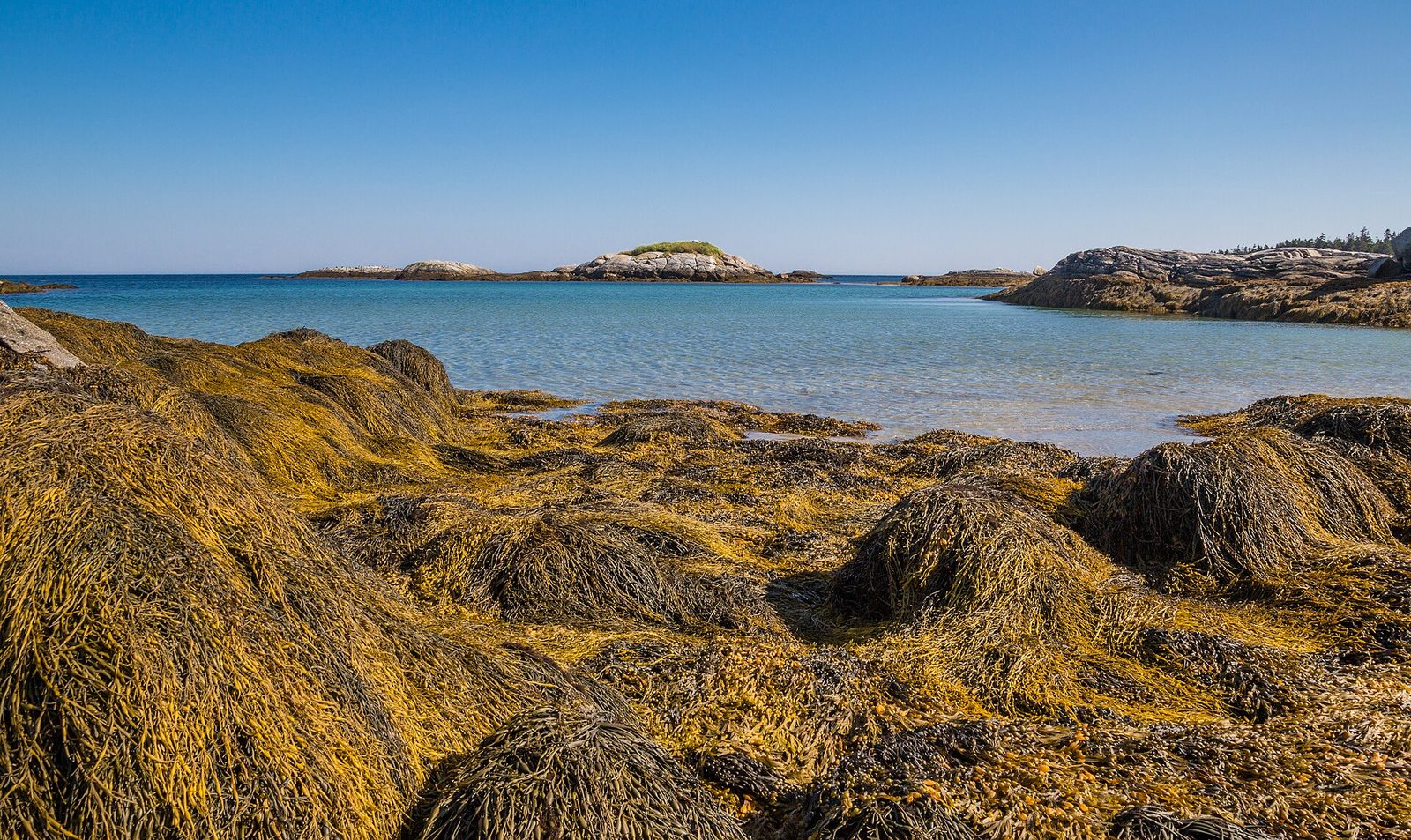
Kejimkujik Seaside, the park’s separate coastal unit on the Atlantic, is a wild headland of granite, coastal barrens, white beaches and lagoons. The Harbour Rocks Trail crosses the barrens on boardwalk and gravel to a rocky shore where harbour and grey seals often haul out on the ledges offshore. It is a completely different side of the park from the inland lakes.
- Distance: about 3.2 miles (5.2 km) round trip
- Allow: 2 hours
- Start: Kejimkujik Seaside parking area, off Highway 103 near Port Joli, about 40 miles (65 km) southeast of the inland park
- When: all year; spring and early summer for seals
- Suits: most walkers
Before you go
This list covers what stays the same from year to year. Closures, campsite reservations, tour schedules and nesting-bird closures change, and Parks Canada posts them on its own site. The link is on our Kejimkujik National Park guide, with the map and how to get there.