

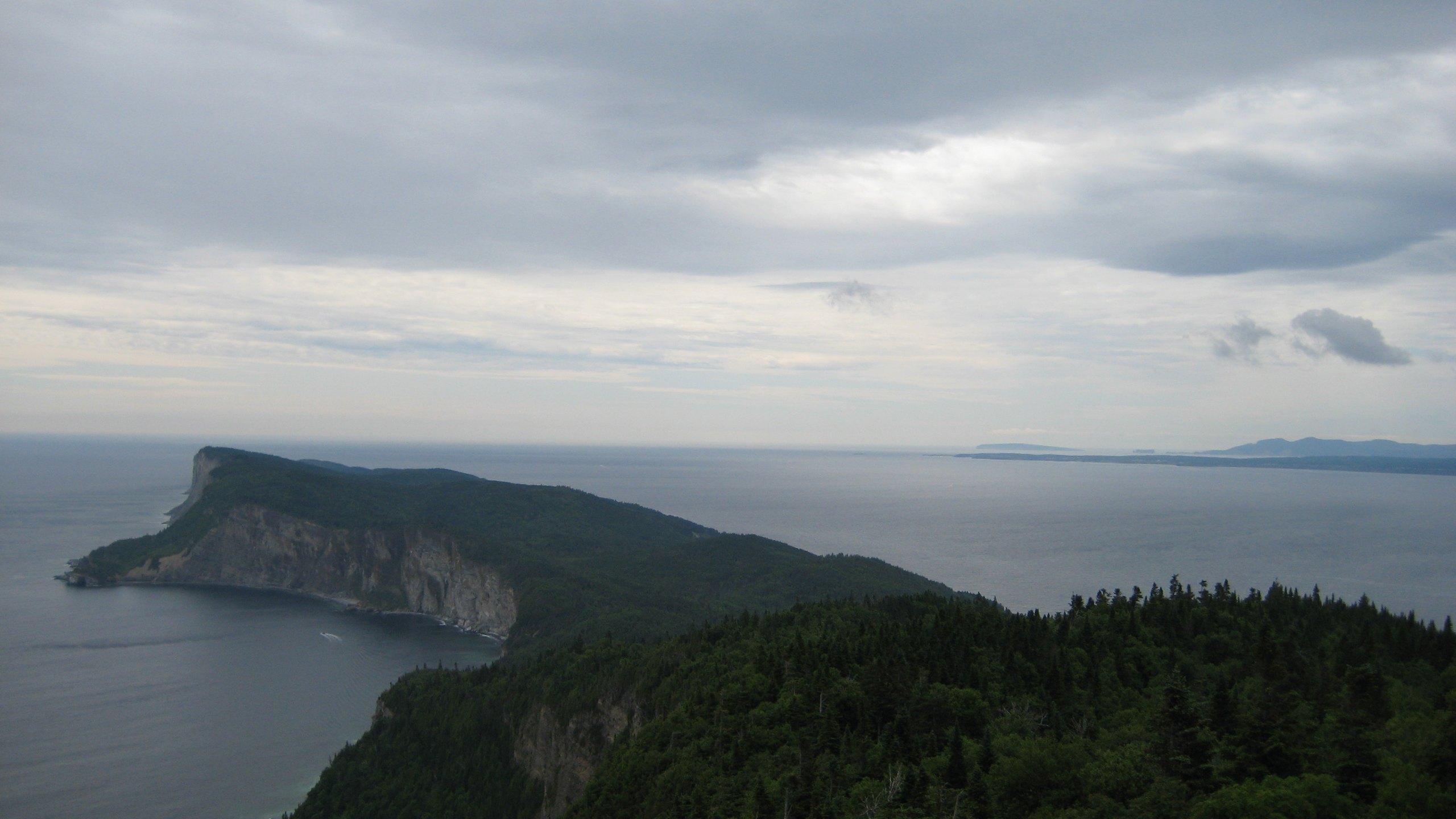
Top 8 things to do in Forillon National Park
Forillon National Park sits at the very tip of Quebec’s Gaspé Peninsula, where the Appalachian Mountains meet the sea. On its north side, limestone cliffs rise straight from the Gulf of St. Lawrence, crowded in summer with nesting seabirds; on its south side, gentler slopes run down to Gaspé Bay, where fishing families lived for generations. Whales, seals and seabirds are seen from shore, and the forested hills behind are home to moose, black bears, foxes and porcupines. These are the eight outings we would put first. The order starts with what the park is known for, then goes by what an outing gives back for the time and effort it takes. Distances are approximate; times are our estimates and do not include stops.
Stay back from the cliff edges, which are high and can crumble. The weather at the tip of the peninsula changes fast, with fog and strong winds coming in off the gulf, and the water is cold all year. Black bears live in the park, so keep food stored properly. On shared trails, watch for cyclists.
1. Walk Les Graves to Cap Gaspé, Land’s End
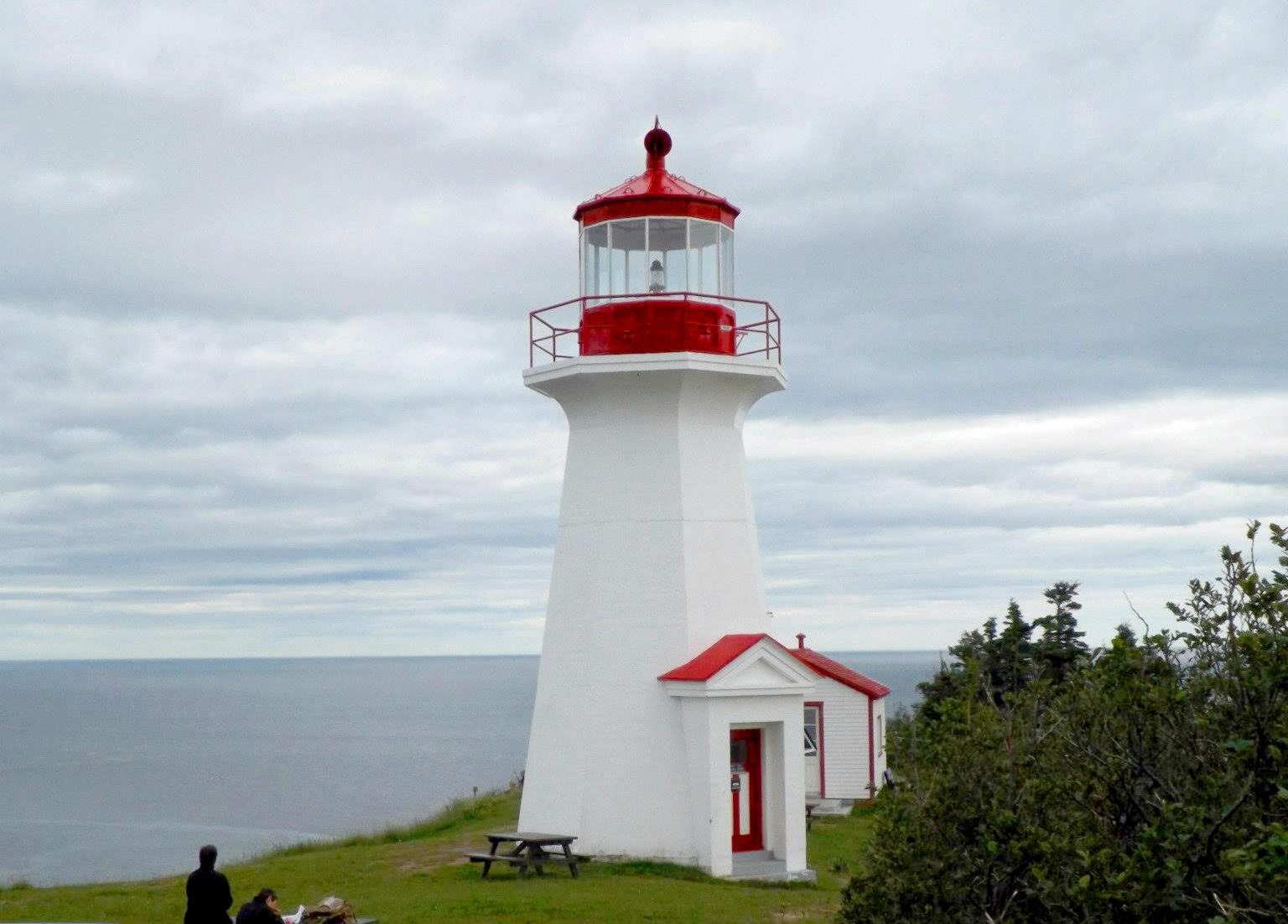
The park’s signature walk follows the shore of Gaspé Bay from the old fishing settlement of Grande-Grave, past pebble coves where you can go down to the water, through meadows and forest, to Cap Gaspé, the very tip of the peninsula, where a lighthouse stands on the cliff high above the sea. Known as Land’s End, it is also the end of the International Appalachian Trail. Watch the water: whales, seals and seabirds are often seen from the trail.
- Distance: about 5 miles (8 km) one way from Grande-Grave; shorter from the parking areas along the way
- Allow: 4 to 5 hours round trip
- Start: Grande-Grave, or the parking areas along the road to Cap Gaspé
- When: June to October
- Suits: most walkers
2. Step back in time at Grande-Grave
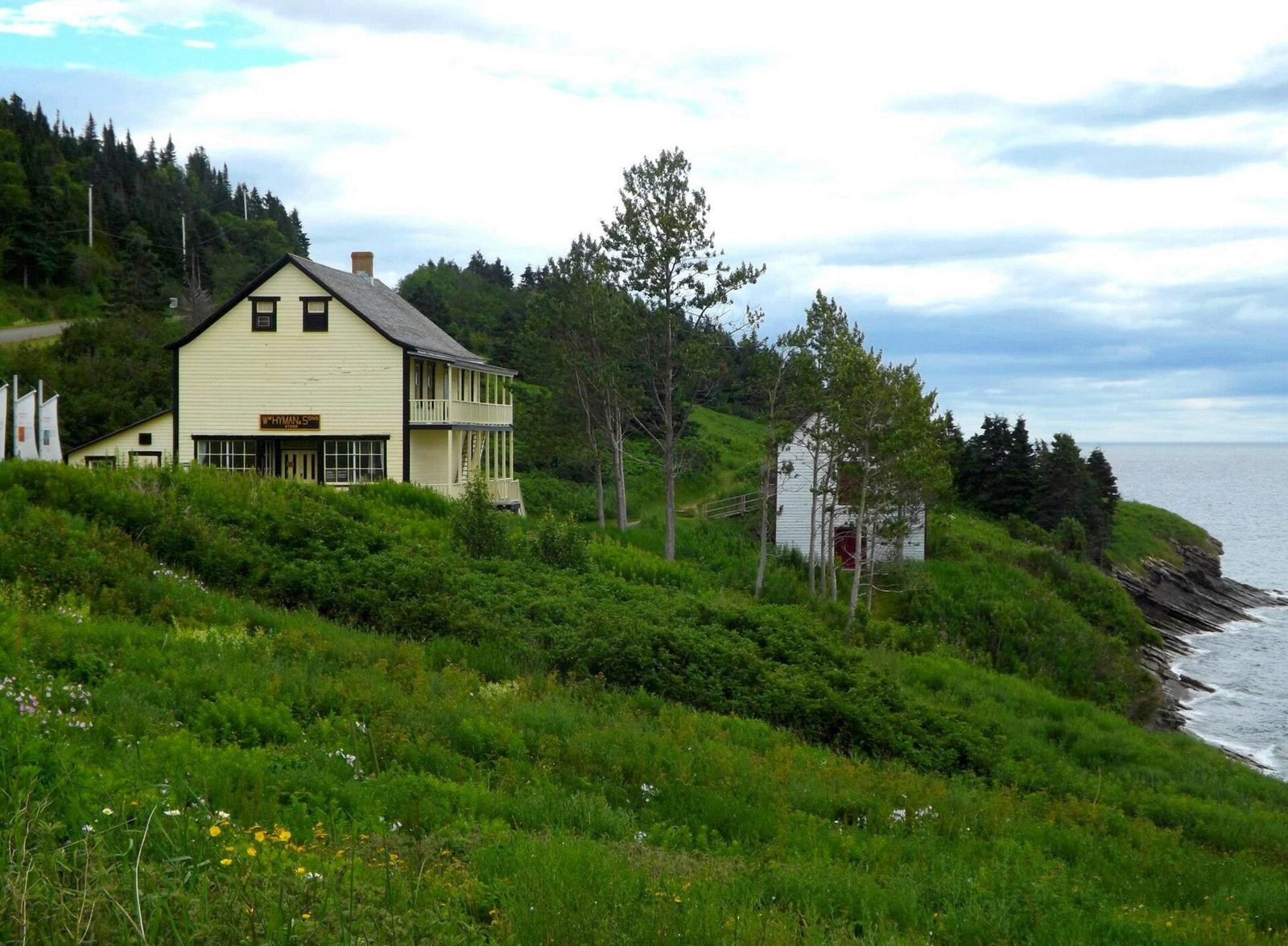
For more than a century, fishing families lived at Grande-Grave, catching and drying cod for markets around the world, until the park was created in 1970. Their restored houses, barns and stores now tell their story. Visit the Hyman & Sons general store, stocked with goods of the early 1900s, and the Blanchette family’s homestead at Anse-Blanchette, where you can see how a fishing family lived, with interpreters in summer.
- Allow: 1 to 2 hours
- Start: Grande-Grave, on the south side of the park
- When: summer for the interpreted buildings
- Suits: everyone
3. See the seabirds and seals at Cap Bon Ami
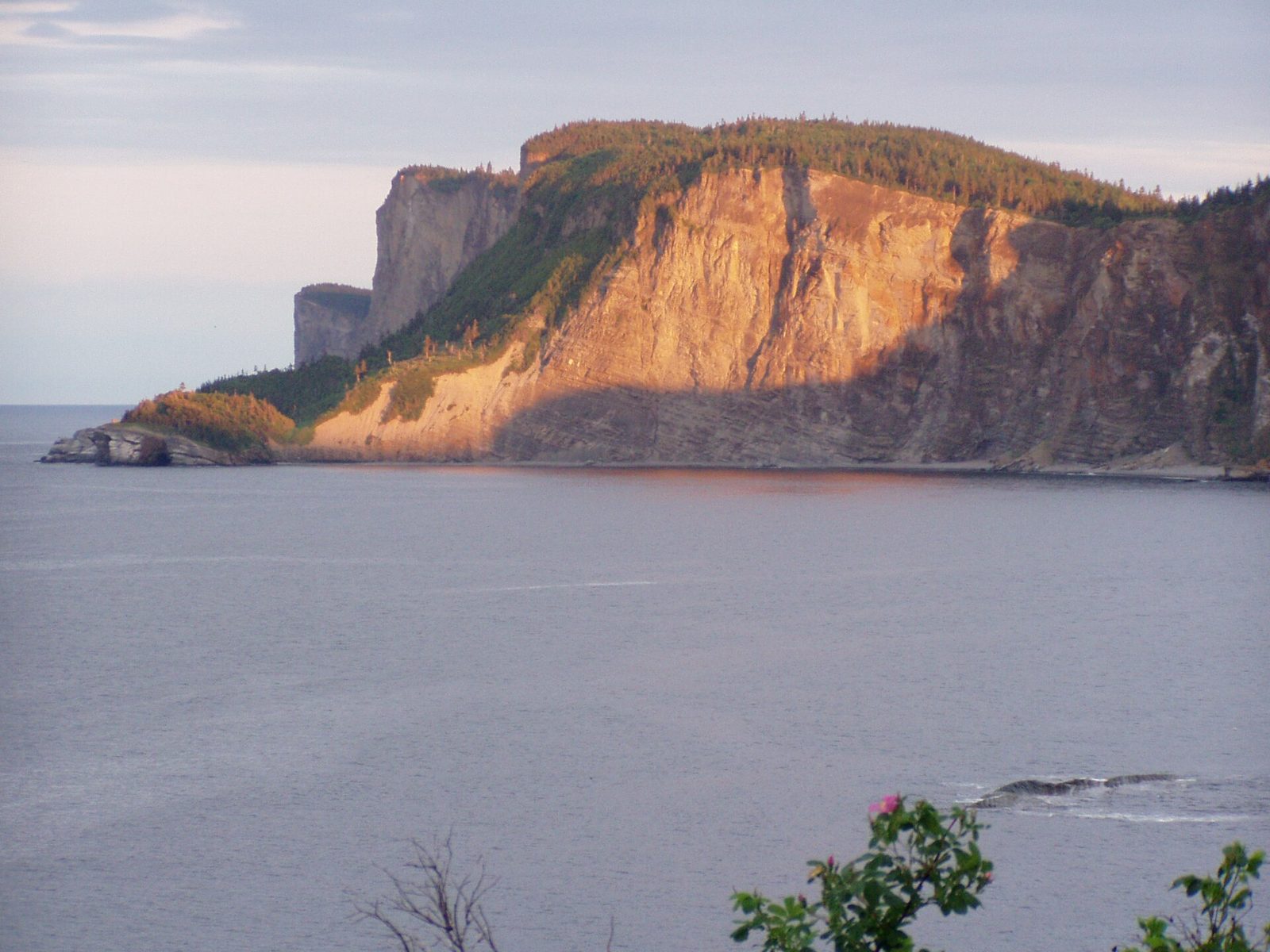
On the north side of the park, tall limestone cliffs drop straight into the gulf at Cap Bon Ami. From the lookout and the stairs down to the pebble beach, you can watch kittiwakes, cormorants, gulls and other seabirds nesting on the ledges in summer, while seals, dolphins and whales are often seen offshore. It is one of the most dramatic places on the Gaspé coast.
- Allow: 1 hour
- Start: Cap Bon Ami day-use area, on the north side of the park
- When: June to August for nesting seabirds
- Suits: everyone; the stairs to the beach are steep
4. Climb to the tower on Mont Saint-Alban
A steep trail climbs through the forest to the summit of Mont Saint-Alban, where an observation tower gives a 360-degree view over the sea, the cliffs of Cap Bon Ami, Gaspé Bay and the forested hills of the peninsula. It is the best view in the park, and on a clear day you can see far along the coast.
- Allow: 2 to 3 hours
- Start: Petit-Gaspé beach or Cap Bon Ami
- When: June to October
- Suits: fit walkers
5. Go whale watching
The waters off Forillon are rich feeding grounds, and from June to October humpback, minke, fin and sometimes blue whales come close to the coast, along with seals and dolphins. Boat cruises leave from Grande-Grave in summer, and you can also see whales from the shore at Cap Gaspé and along Les Graves on a calm day.
- Allow: 2 to 3 hours on a cruise
- Start: the wharf at Grande-Grave
- When: June to October
- Suits: everyone
6. Walk the Penouille sand spit
In Gaspé Bay, the sand spit of Penouille reaches out into the bay, with a warm, shallow beach on one side and a salt marsh on the other. Unusually, a patch of taiga, the stunted subarctic forest of lichens and spruce, grows here at sea level. It is the best swimming beach in the park, and a lovely place for a walk at sunset.
- Allow: 2 hours to half a day
- Start: Penouille day-use area, on the south side of the park
- When: July and August for swimming
- Suits: everyone
7. Visit Fort Péninsule
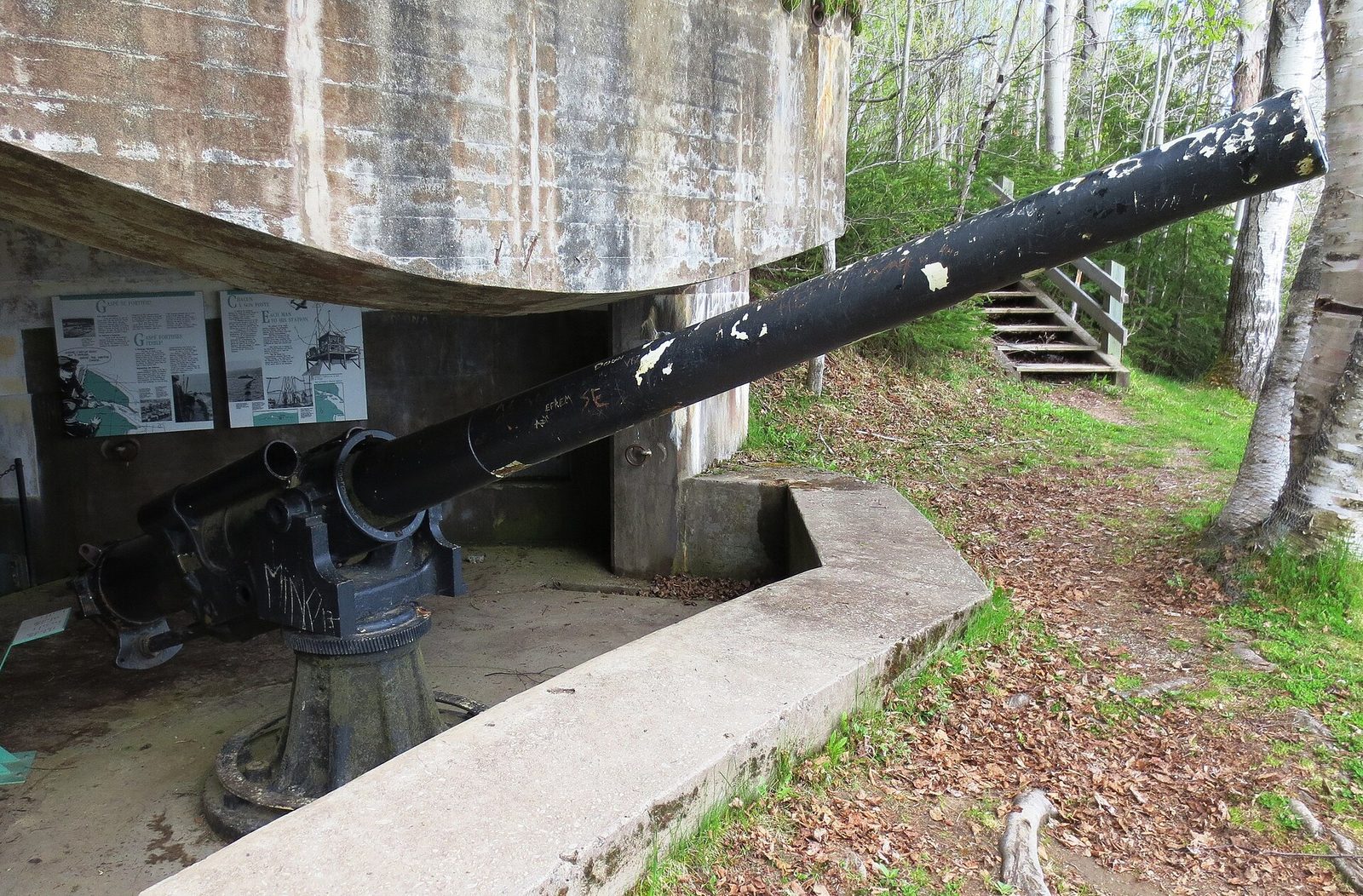
During the Second World War, German submarines sank ships in the Gulf of St. Lawrence, and Gaspé Bay became a naval base. Fort Péninsule was built to defend it, with heavy guns hidden in the hillside and underground tunnels. It is the only fully preserved shore battery of its kind open to the public in Quebec, and you can walk through its tunnels and see its guns.
- Allow: 45 minutes
- Start: Fort Péninsule, on the south side of the park
- When: summer
- Suits: everyone
8. Kayak along the cliffs with the seals
Guided sea kayak trips along the coast of the park paddle beneath the cliffs and past the rocks where harbour and grey seals haul out, often curious enough to swim close to the boats, with seabirds overhead and, sometimes, whales nearby. It is the closest way to see the coast and its wildlife.
- Allow: 2 to 3 hours
- Start: with a guided kayak trip from the park’s south or north side
- When: June to September, on calm days
- Suits: beginners with a guide
Before you go
This list covers what stays the same from year to year. Closures, trail conditions and the dates of the summer programs change, and Parks Canada posts them on its own site. The link is on our Forillon National Park guide, with the map and how to get there.