

Top 9 things to do in Carlsbad Caverns National Park
Carlsbad Caverns National Park lies in the Guadalupe Mountains of southeastern New Mexico, the remains of a great reef that grew in a tropical sea some 265 million years ago. Water rich in sulfuric acid, rising from oil and gas deposits below, dissolved the limestone from beneath, hollowing out more than a hundred caves, among them Carlsbad Cavern, with some of the largest and most richly decorated chambers in the world. Above ground is the rugged Chihuahuan Desert, and each summer evening hundreds of thousands of bats pour out of the cave to hunt. These are the nine outings we would put first. The order starts with what the park is known for, then goes by what an outing gives back for the time and effort it takes. Distances are approximate; times are our estimates and do not include stops.
Entry to Carlsbad Cavern needs a timed reservation, and the cave stays at about 56°F (13°C) all year, so bring a light jacket and shoes with good grip, as the trails are damp. Stay on the paved trail and never touch the formations, which are easily damaged and grow back over thousands of years, if at all. To protect the bats from white-nose syndrome, do not bring in clothes, shoes or gear that have been in another cave. On the surface, the desert is hot in summer, with little shade and no water along the trails, and rattlesnakes are common.
1. Walk the Big Room
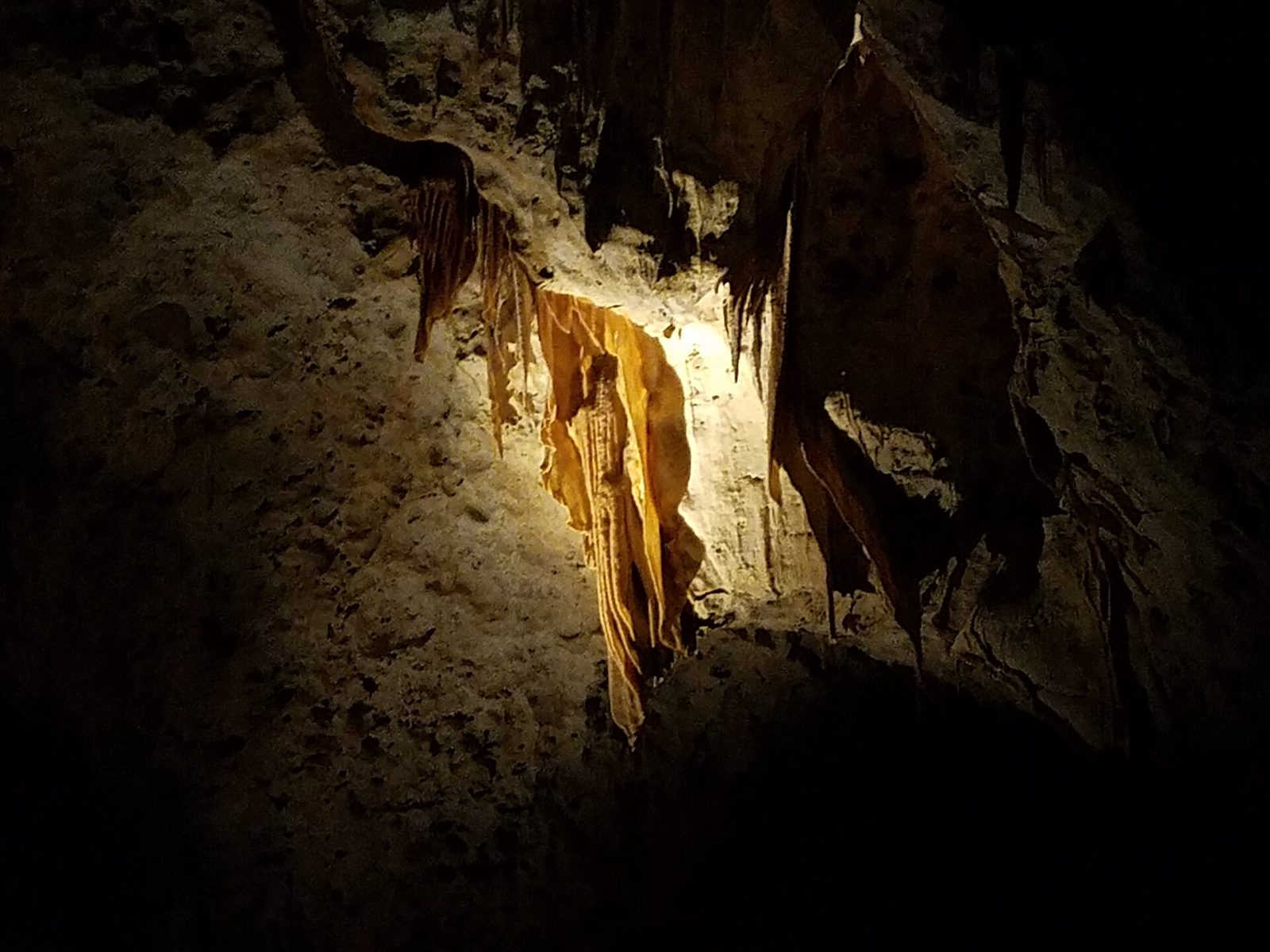
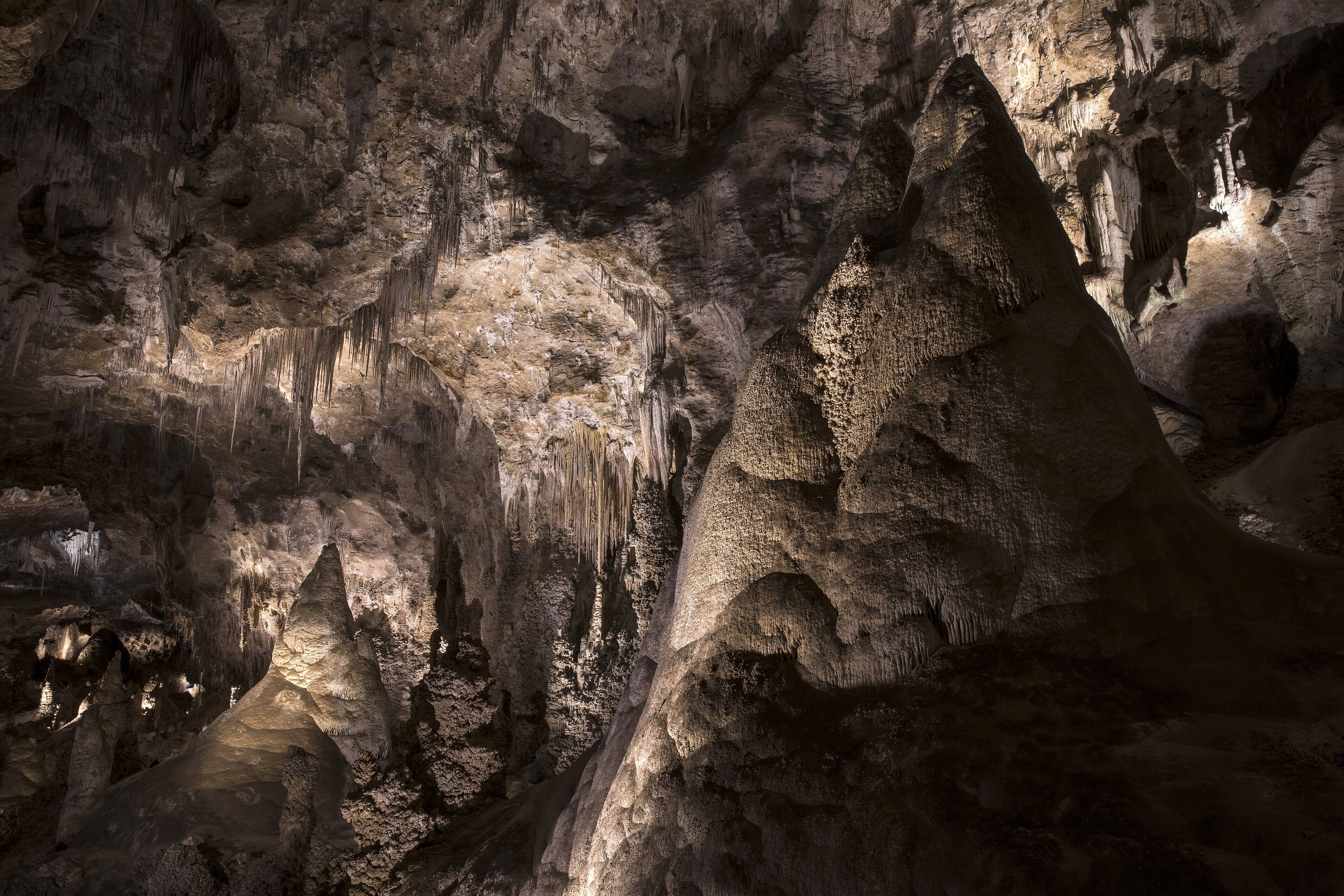
The Big Room is one of the largest cave chambers in North America, a hall of 8.2 acres (3.3 ha) under a ceiling up to 255 feet (78 m) high, filled with stalagmites, stalactites, columns, draperies and pools. A level, paved trail circles it, past the Giant Dome, the Bottomless Pit and the Rock of Ages, with soft lighting that leaves much of the vast space in shadow. An elevator from the visitor center drops 750 feet (230 m) straight down to it in about a minute.
- Distance: about 1.25 miles (2 km) loop; a shortcut halves it
- Allow: 1.5 hours
- Start: the elevators in the visitor center
- When: all year, with a timed entry reservation
- Suits: everyone; parts of the trail are accessible
2. Walk in through the Natural Entrance
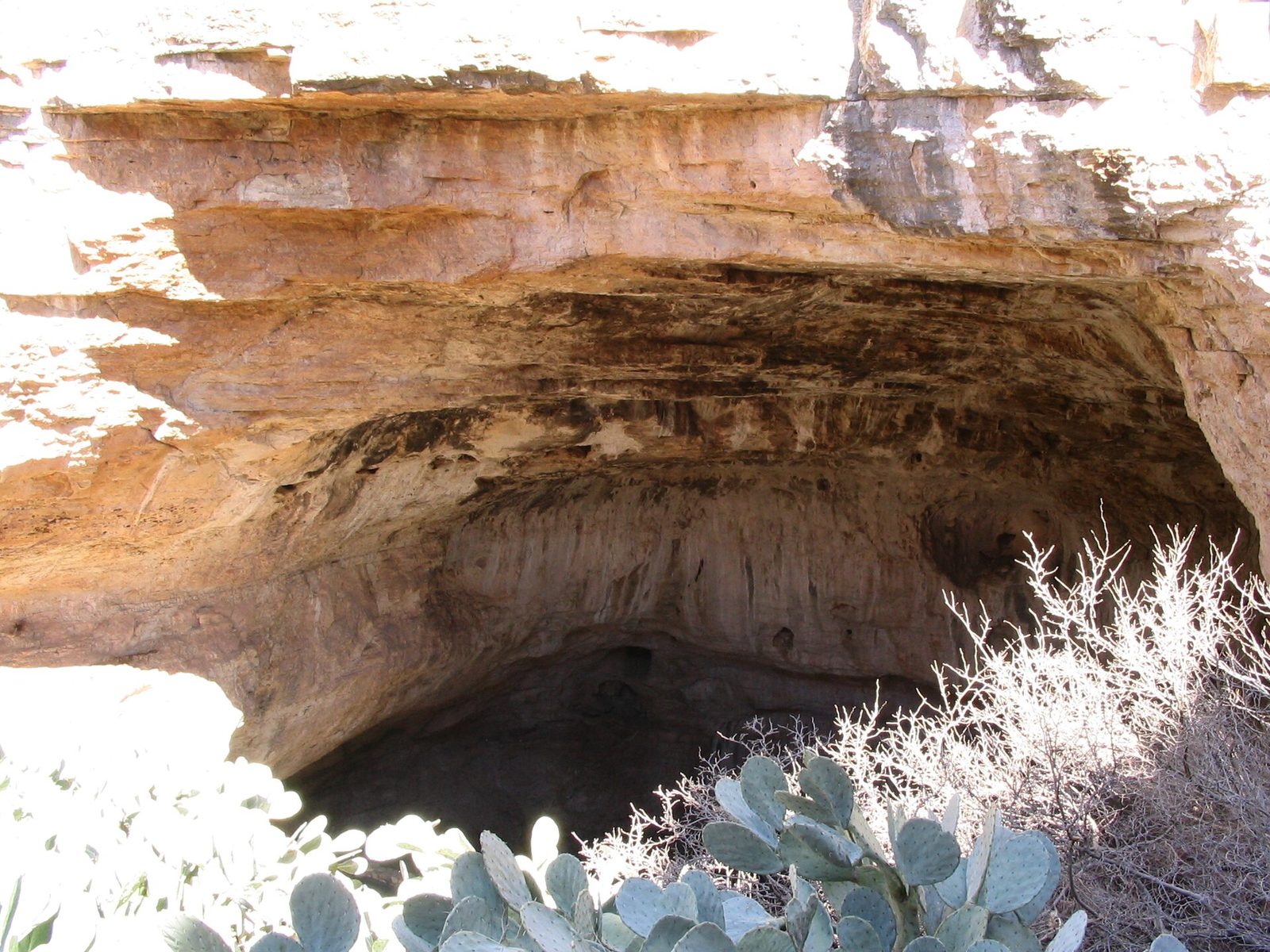
The most memorable way into the cave is to walk in as the first explorers did, down a steep trail of switchbacks from the huge Natural Entrance into the darkness, dropping about 750 feet (230 m), the height of a 75-storey building, past the Devil’s Spring, the Whale’s Mouth and Iceberg Rock, to the Big Room. Daylight fades behind you as you descend. Allow plenty of time, and save your knees: it is steep all the way, and you take the elevator back up.
- Distance: about 1.25 miles (2 km) one way, then the Big Room loop
- Climb: about 750 feet (230 m) of descent
- Allow: 1 hour down; 3 hours with the Big Room
- Start: the Natural Entrance, a short walk from the visitor center
- When: all year, with a timed entry reservation; entry closes earlier in the day than the elevator
- Suits: fit walkers with good knees
3. Watch the bats fly out at dusk
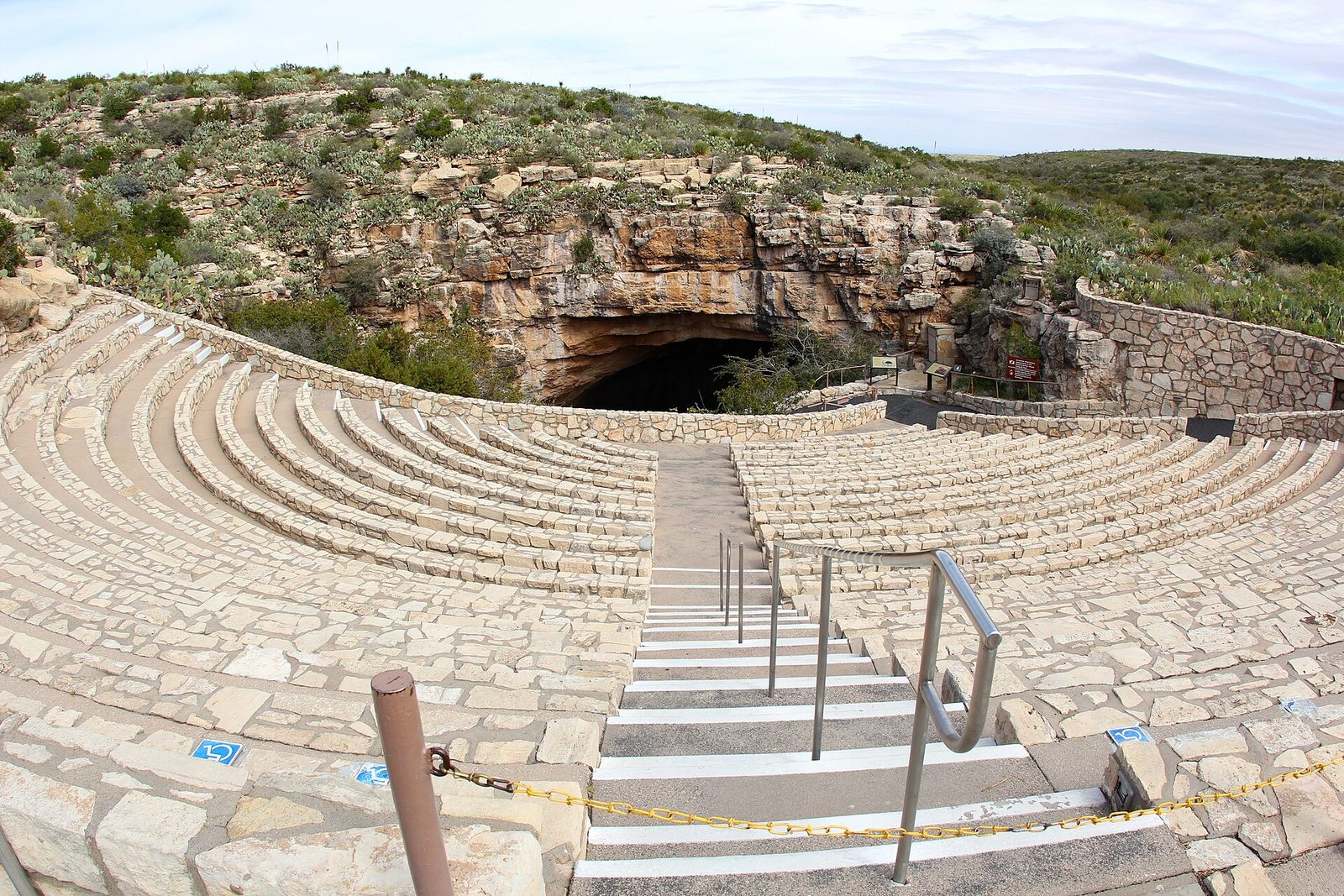
From late spring to fall, Brazilian free-tailed bats roost by the hundreds of thousands in the cave, and at dusk they spiral up out of the Natural Entrance in a dark, swirling column, then stream off over the desert to feed on insects through the night. Rangers give a talk at the amphitheater beside the entrance before the flight begins. Phones, cameras and all electronic devices must be turned off and put away, because they disturb the bats. For a quieter show, come back at dawn, when the bats dive back into the cave at high speed.
- Allow: 1 to 1.5 hours at sunset
- Start: Bat Flight Amphitheater, at the Natural Entrance
- When: about late May to October; August and September bring the largest flights
- Suits: everyone
4. Join a ranger-led tour of the King’s Palace
Off the main route, ranger-led tours visit other parts of Carlsbad Cavern that are closed to self-guided visitors. The best known is the King’s Palace, a set of four richly decorated chambers in the deepest part of the cave open to the public, with draperies, soda straws and helictites. At one point the ranger turns off the lights so you can experience total darkness and silence. Tickets are sold separately and are limited.
- Allow: about 1.5 hours
- Start: the underground rest area by the Big Room
- When: on the days tours are offered; book ahead
- Suits: most walkers; children must meet the tour’s age limit
5. Explore Slaughter Canyon Cave by flashlight
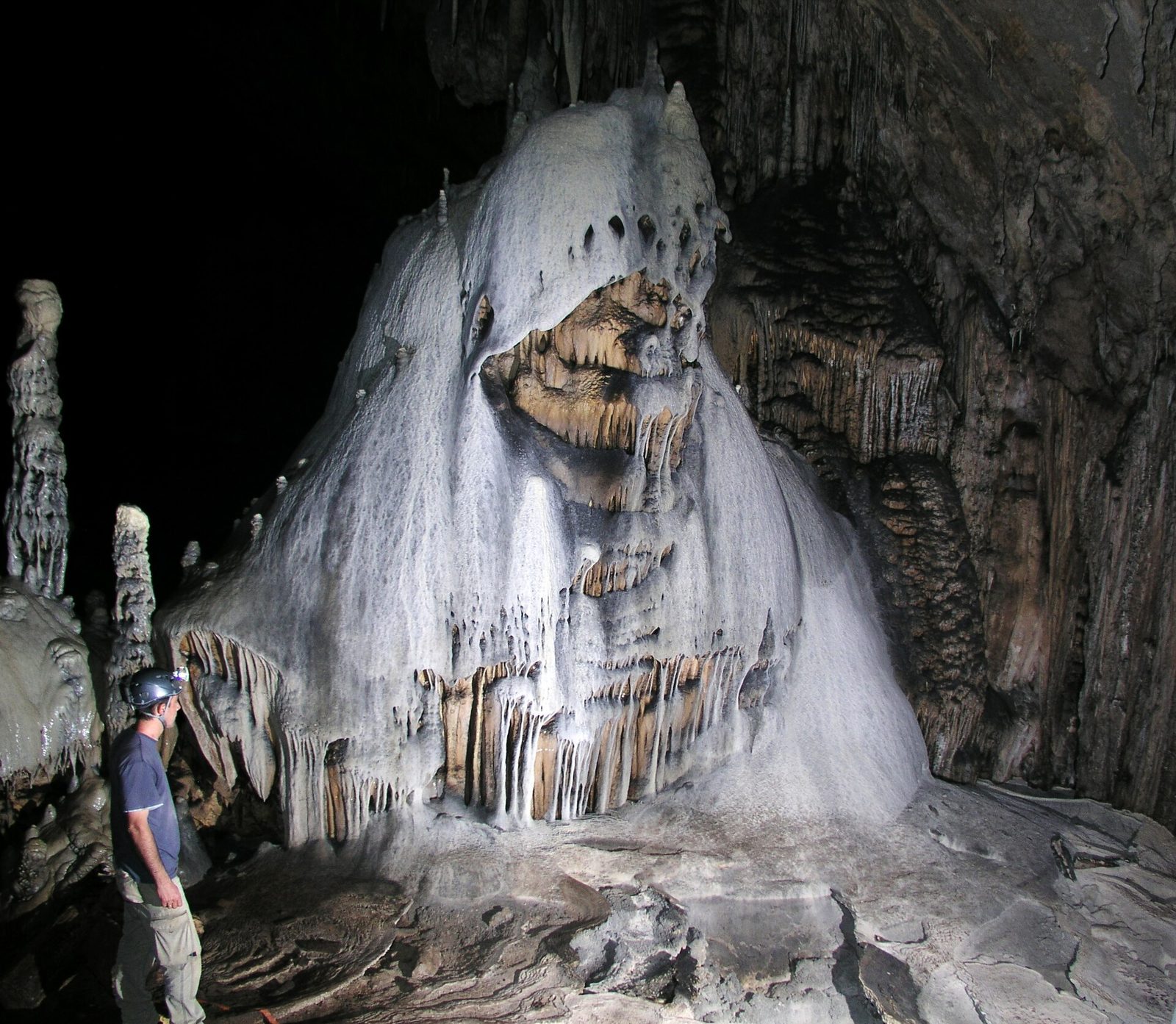
For a wilder cave, the ranger-led tour of Slaughter Canyon Cave, in a remote canyon south of the main cave, goes into an undeveloped cave with no lights and no paved trails, lit only by the flashlights you carry. A steep climb up a desert trail leads to its entrance, and inside the trail scrambles over rocks and slick slopes past huge formations such as the Clansman, a stalagmite that looks like a hooded figure.
- Allow: about 5 hours, including the drive and the climb to the entrance
- Start: Slaughter Canyon Cave parking area, reached from US 62/180 south of the main park entrance
- When: on the days tours are offered; book ahead
- Suits: fit walkers who meet the tour’s age limit
6. Drive the Walnut Canyon Desert Drive
This one-way gravel loop starts near the visitor center and winds along the ridges and canyons of the Guadalupe Mountains, through Chihuahuan Desert of agave, sotol, ocotillo and yucca, with views far out over the plains. It is a fine way to see the park above ground, especially in spring when the cactus bloom, or at dusk before the bat flight.
- Distance: about 9.5 miles (15 km) one-way loop
- Allow: 1 hour
- Start: near the visitor center
- When: all year, in dry weather; not suited to trailers or RVs
- Suits: everyone
7. Walk the desert trails above the cave
Two trails let you explore the desert on foot from the visitor center. The short Chihuahuan Desert Nature Trail loops past signs naming the plants and how the Mescalero Apache and early settlers used them. The Old Guano Road Trail follows the route the miners’ wagons took when they hauled bat guano out of the cave to sell as fertilizer in the early 1900s, dropping from the cave to the town of White’s City.
- Distance: about half a mile (800 m) for the nature trail; about 3.7 miles (6 km) one way for the Old Guano Road Trail
- Allow: 30 minutes for the nature trail; 2 hours for the Old Guano Road, one way
- Start: the visitor center
- When: October to April; mornings in summer
- Suits: everyone for the nature trail; steady walkers for the Old Guano Road
8. Look for birds at Rattlesnake Springs
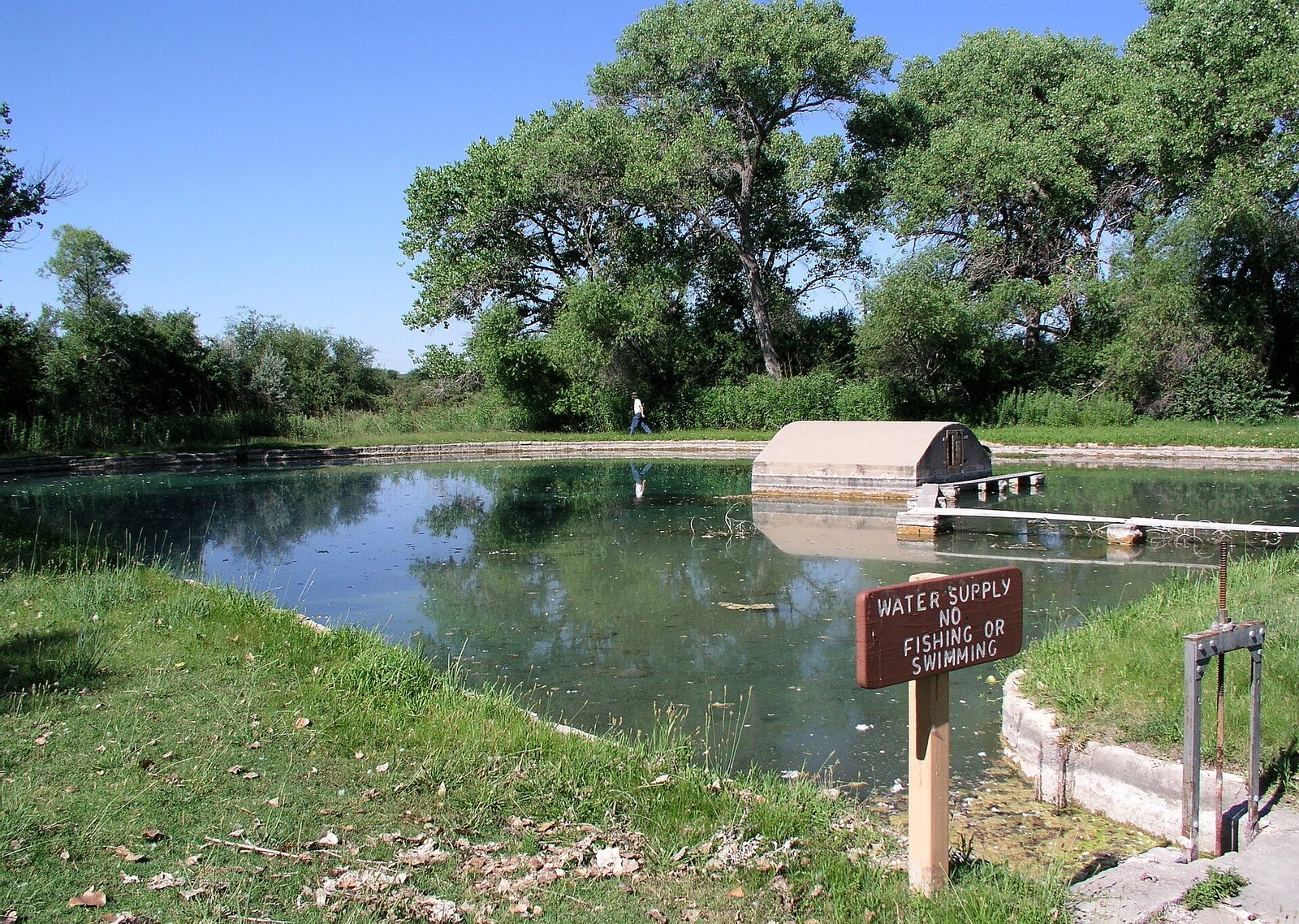
Rattlesnake Springs, in a separate part of the park on the plain below the mountains, is a spring-fed oasis of tall cottonwoods and green grass in the middle of the desert, once a homestead and now the park’s water source. It is one of the best birding spots in New Mexico, with birds from vermilion flycatchers and painted buntings to migrating warblers. The picnic area makes a shady stop on a hot day.
- Allow: 1 to 2 hours
- Start: Rattlesnake Springs picnic area, off US 62/180 south of White’s City
- When: all year; April to May and September for migrating birds
- Suits: everyone
9. Backpack the Guadalupe Ridge Trail
For experienced desert hikers, the Guadalupe Ridge Trail runs for about 100 miles (160 km) along the crest of the old reef, from Carlsbad Caverns through national forest to Guadalupe Peak, the highest point in Texas. The section in the park follows the ridge through remote desert backcountry with wide views, and there is no water: you must carry or cache all you need. A backcountry permit is needed to camp in the park.
- Allow: a long day for a section, or a week end to end
- Start: the trailheads near the visitor center and along the Walnut Canyon Desert Drive
- When: October to April
- Suits: experienced desert backpackers
Before you go
This list covers what stays the same from year to year. Closures, reservation rules, tour schedules and bat flight dates change, and the National Park Service posts them on its own site. The link is on our Carlsbad Caverns National Park guide, with the map and how to get there.