

Top 9 things to do in Biscayne National Park
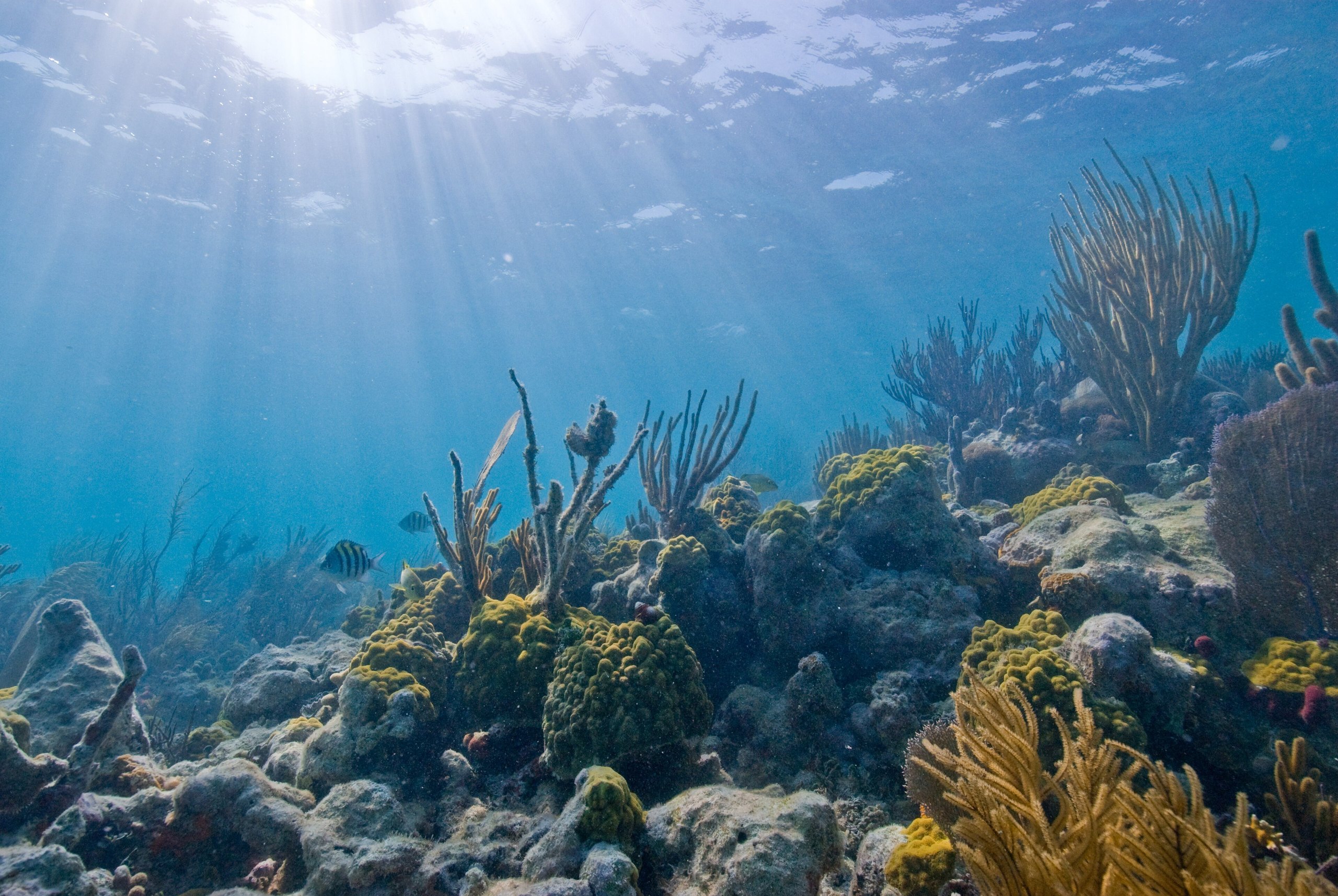
Biscayne National Park lies within sight of downtown Miami, and about 95 percent of it is water. It protects four worlds in a few miles: a shoreline of mangrove forest, the shallow, clear waters of Biscayne Bay, a chain of wild islands that begins the Florida Keys, and, offshore, part of the Florida Reef, the only coral barrier reef in the continental United States, with shipwrecks scattered along it. Almost all of it is reached by boat, so a visit means getting out on the water, on a tour, in a kayak or in your own boat. These are the nine outings we would put first. The order starts with what the park is known for, then goes by what an outing gives back for the time and effort it takes. Distances are approximate; times are our estimates and do not include stops.
The sun on the water is fierce all year: wear a hat, cover up and use reef-safe sunscreen. Afternoon thunderstorms build quickly in summer, and hurricane season runs from June to November. Mosquitoes and biting midges can be intense on the islands, especially from May to October. Do not touch, stand on or take anything from the reef, and keep clear of manatees and sea turtles. Boaters should know the shallows: running aground damages seagrass and coral and is costly.
1. Take a boat to Boca Chita Key
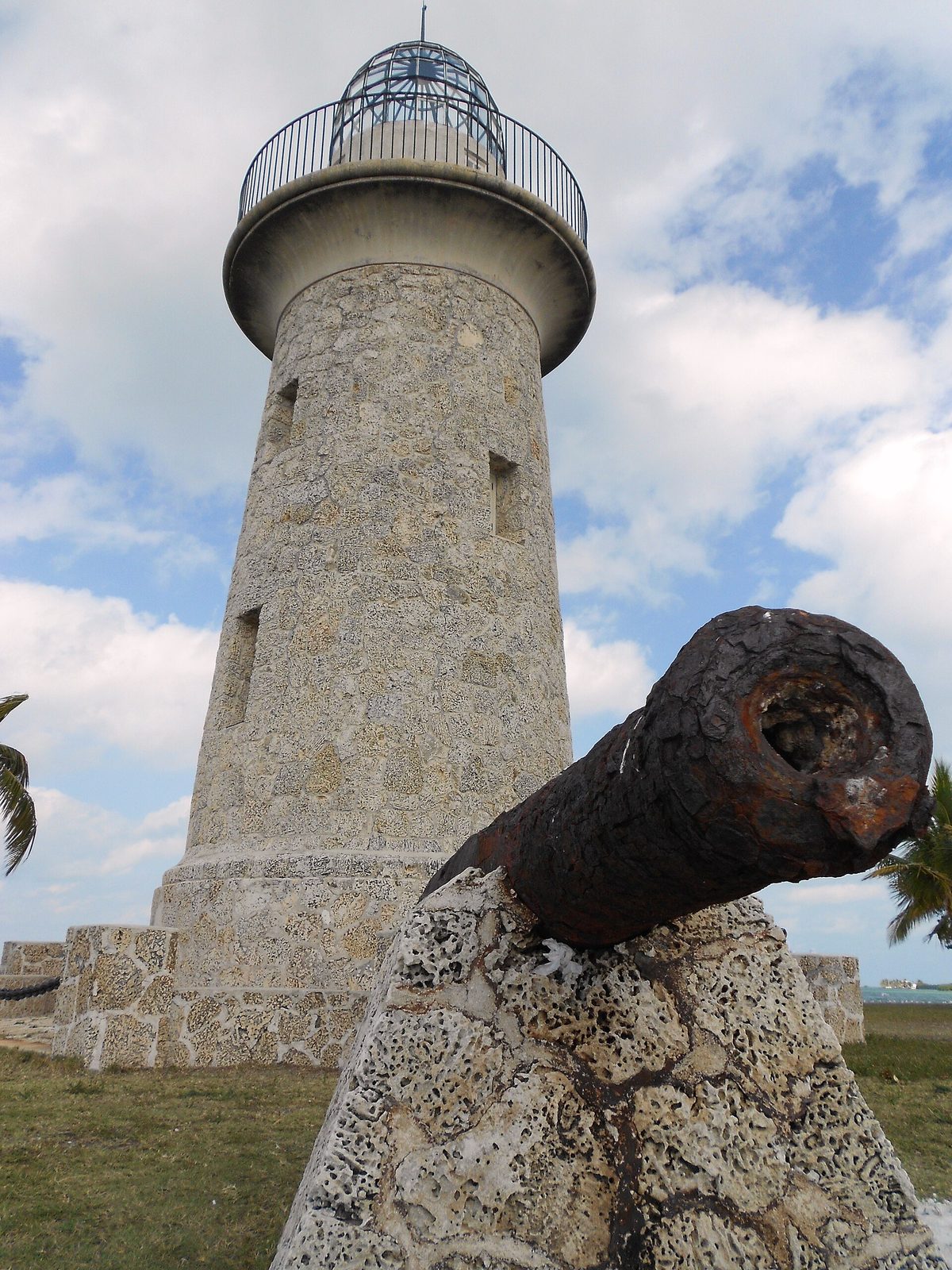
In the 1930s, the industrialist Mark Honeywell turned this small key into a private retreat for entertaining guests, with a harbour, a chapel and a 65-foot (20 m) ornamental lighthouse that never served as a working light. Today it is the park’s most visited island, and from its harbour wall and the top of the lighthouse, when it is open, the view across the bay takes in the skyline of Miami. Boat tours run here from the Dante Fascell Visitor Center, and a short trail circles part of the island through the hardwood hammock.
- Allow: half a day on a boat tour
- Start: Dante Fascell Visitor Center, at Convoy Point east of Homestead
- When: all year; winter and spring for calmer, cooler days
- Suits: everyone
2. Snorkel the coral reef
Several miles offshore, patch reefs and the outer reef rise close to the surface in clear water, with brain coral, sea fans and branching corals sheltering parrotfish, angelfish, grunts, rays and, often, sea turtles. Guided snorkel trips from the visitor center go out when the weather allows, with all the equipment provided. On a calm, sunny day the water is bright and the colours are striking; in wind, the trips are cancelled for safety.
- Allow: half a day
- Start: Dante Fascell Visitor Center, with the park’s concessioner, or by private boat
- When: all year, on calm days; summer often has the calmest water
- Suits: confident swimmers; life vests are provided
3. Dive or snorkel the Maritime Heritage Trail
The reefs off Biscayne have wrecked ships for centuries, and six of the wrecks, along with the Fowey Rocks Lighthouse, make up an underwater trail, with mooring buoys and guides to each site. The best for snorkelers is the Mandalay, a steel-hulled sailing ship that ran onto the reef on New Year’s Day 1966, now broken up in shallow water and covered in coral and fish. The others suit divers. All are reached by boat.
- Allow: half a day to a day
- Start: by private boat or with a dive operator
- When: all year, on calm days
- Suits: snorkelers for the Mandalay; certified divers for the deeper wrecks
4. See Stiltsville
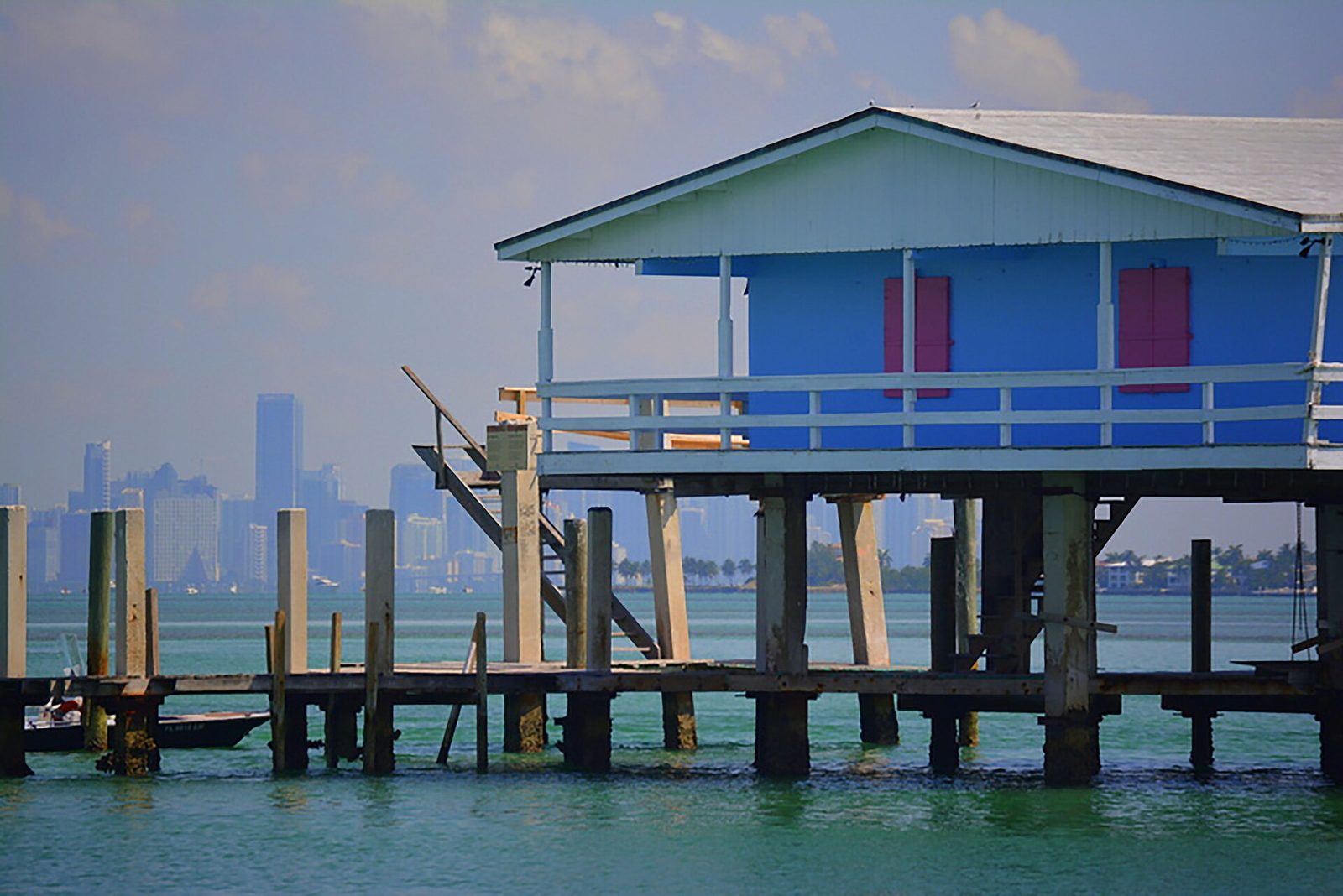
Out on the shallow banks at the northern edge of the park, a handful of wooden houses stand on stilts above the water, the last of a colony of fishing shacks, gambling clubs and weekend retreats built from the 1930s on, when the flats were beyond any law. Hurricanes took most of them, and the few left are now held in trust. Boat tours from the mainland pass close by, with the story of their colourful past.
- Allow: half a day on a boat tour
- Start: a boat tour from the Dante Fascell Visitor Center or from Miami, or your own boat
- When: all year
- Suits: everyone
5. Walk the jetty at the Dante Fascell Visitor Center
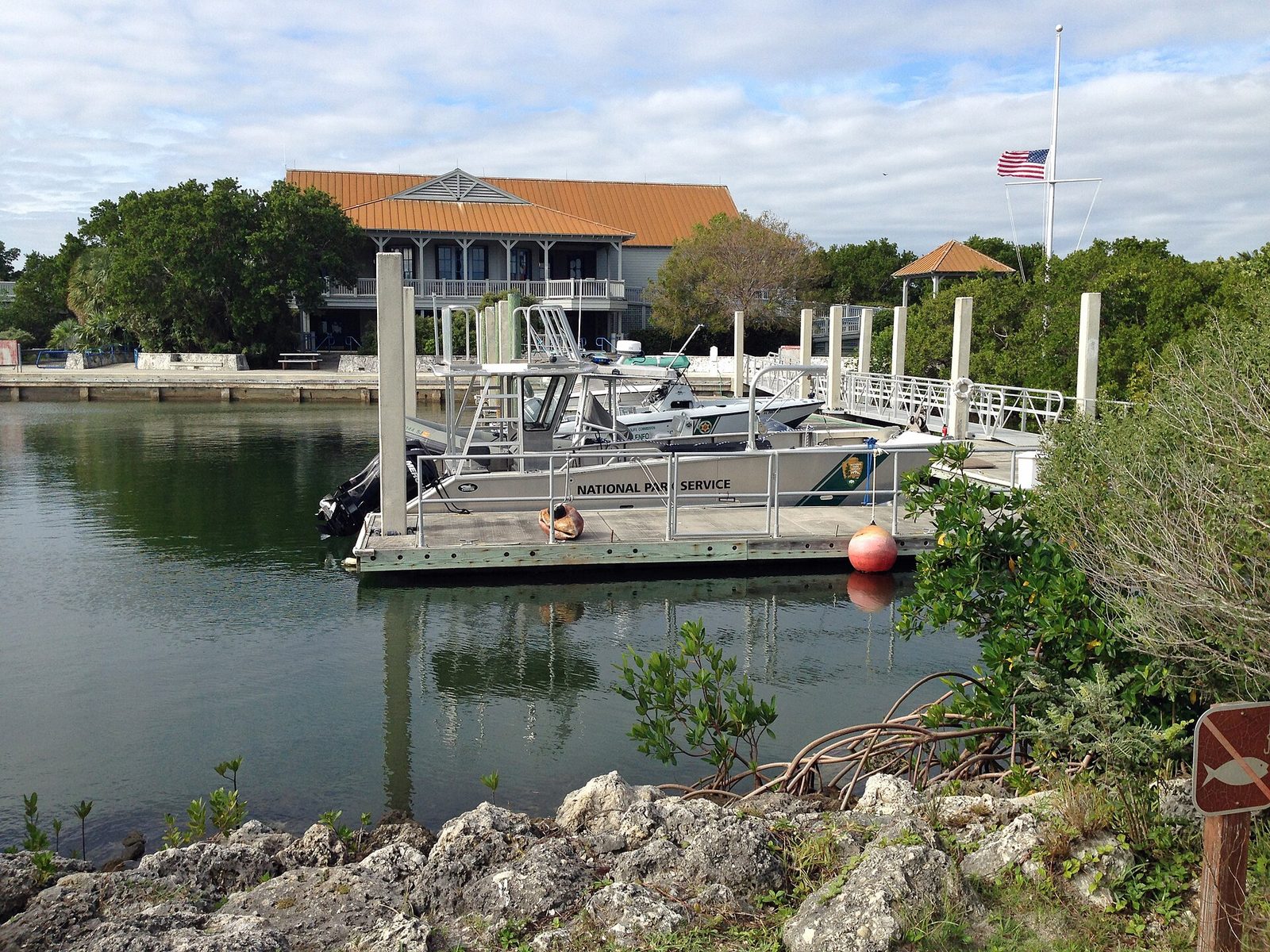
The park’s mainland visitor center, at Convoy Point, has exhibits on the bay, the reef and the islands, and an art gallery. Outside, a short walk leads along the shore and out on a jetty into the bay, with views over the water to the keys, and you may see pelicans, ospreys, wading birds and, at times, manatees in the clear shallows. It is the place to start, and to book boat tours and kayaks.
- Distance: a short walk along the jetty and boardwalk
- Allow: 1 hour
- Start: Dante Fascell Visitor Center, at Convoy Point
- When: all year
- Suits: everyone
6. Paddle along the mangrove shoreline
From Convoy Point, you can paddle a kayak or canoe along the edge of the mainland, where the roots of red mangroves arch into the water and shelter young fish, crabs and birds. Herons, egrets and cormorants fish in the shallows, and in the clear water you may see rays, small sharks and, in winter, manatees. Rentals and guided paddles are available at the visitor center. Stay close to shore when the wind picks up across the open bay.
- Allow: 2 hours to half a day
- Start: Dante Fascell Visitor Center, at Convoy Point
- When: all year; mornings are calmer
- Suits: everyone who can paddle; beginners on calm days
7. Paddle Jones Lagoon
At the south end of the park, Jones Lagoon is a shallow, sheltered lagoon among mangrove islands, closed to motorboats. In water often only a foot or two deep, you can glide over seagrass and see upside-down jellyfish pulsing on the bottom, small sharks, rays and juvenile fish, with birds roosting in the mangroves around you. Guided paddle trips go there from the visitor center, which is the easiest way to reach it.
- Allow: half a day, including the boat ride out
- Start: a guided paddle trip from the Dante Fascell Visitor Center
- When: all year, on calm days
- Suits: everyone who can paddle
8. Explore Elliott Key
Elliott Key is the park’s largest island and the first true island of the Florida Keys, a strip of fossil coral reef about 7 miles (11 km) long covered in tropical hardwood forest. Down its middle runs the Spite Highway, a wide road bulldozed by developers who opposed the park in a last attempt to make the island worth building on, now a trail growing back into forest. There is a small harbour, a campground and a short nature trail through the hammock.
- Distance: about 7 miles (11 km) one way on the Spite Highway trail; a short loop on the nature trail
- Allow: half a day to a day, by boat
- Start: Elliott Key Harbor, by private boat or a boat tour
- When: November to April; the insects are fierce in summer
- Suits: everyone; the long trail suits steady walkers
9. Camp on an island
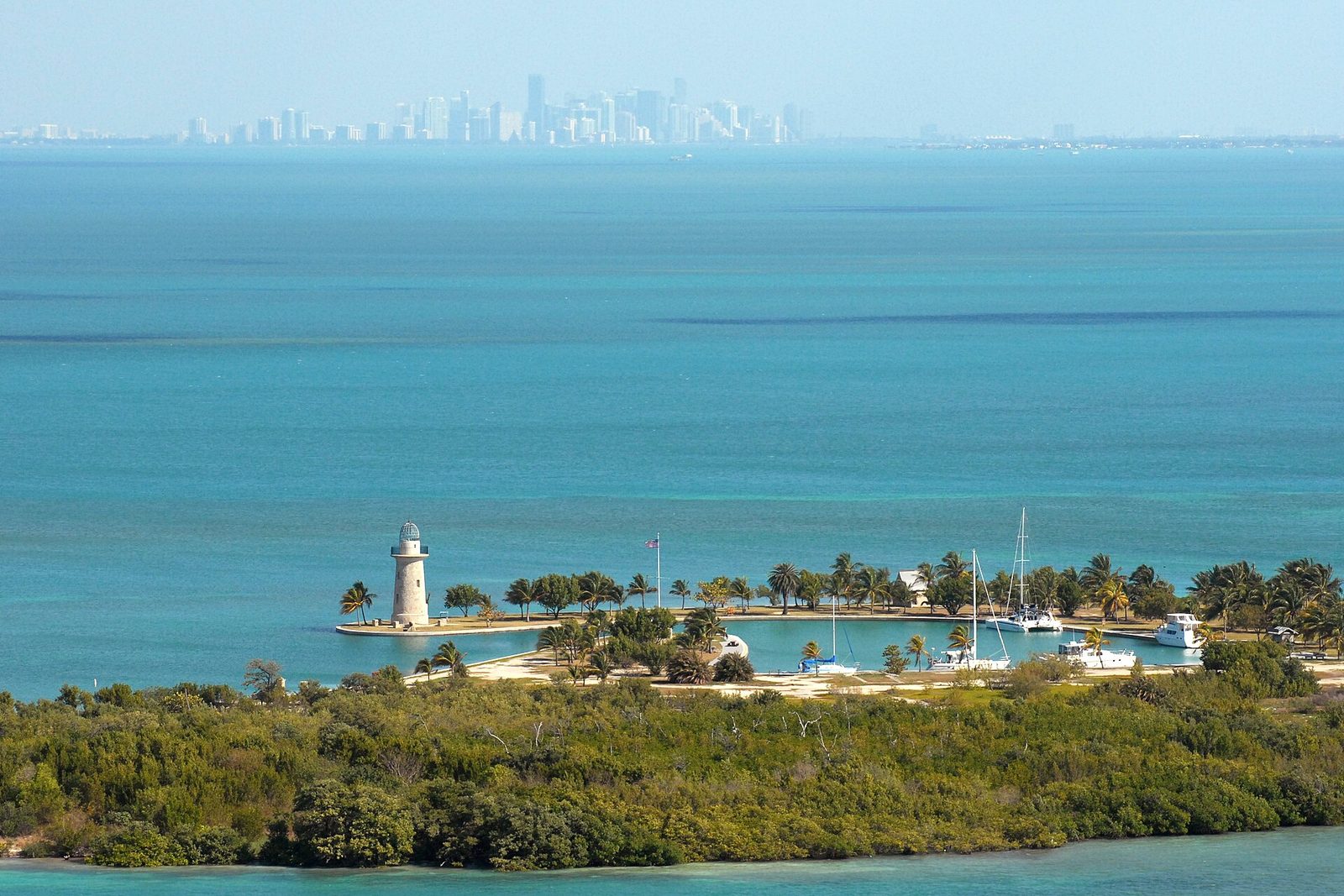
The park has two island campgrounds, on Boca Chita Key and Elliott Key, reached only by boat, where once the day visitors leave you can have the island almost to yourself. Sleep under the stars with the water lapping at the shore, watch the sun rise over the Atlantic, and, from Boca Chita, see the lights of Miami across the bay at night. Bring everything you need, including water, and plan for the insects.
- Allow: a night or two
- Start: Boca Chita Key or Elliott Key, by private boat or a boat arranged through the park’s concessioner
- When: November to April
- Suits: anyone comfortable with simple, boat-in camping
Before you go
This list covers what stays the same from year to year. Closures, tour schedules, weather warnings and camping fees change, and the National Park Service posts them on its own site. The link is on our Biscayne National Park guide, with the map and how to get there.