
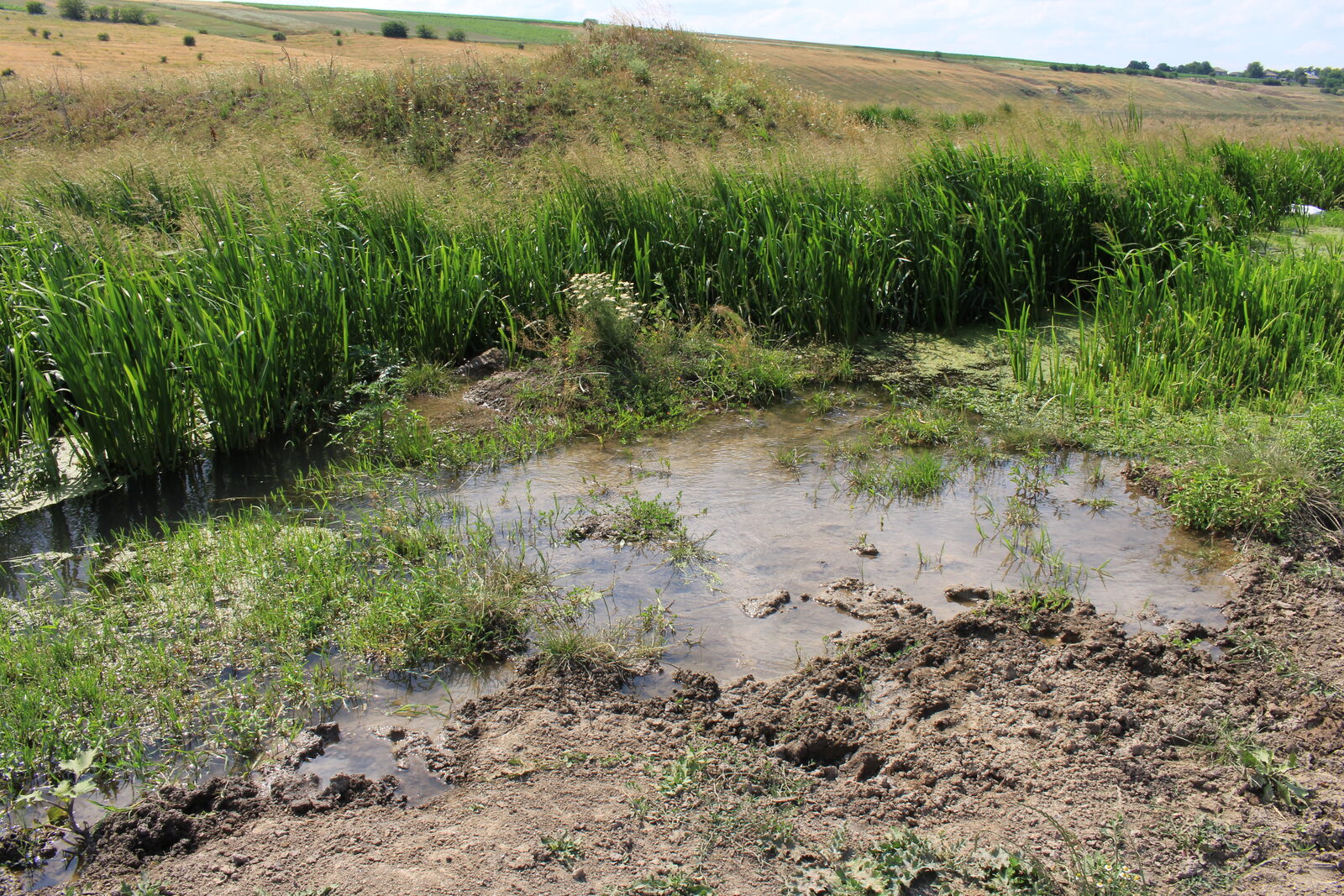
How to escape quicksand, bogs, and mud
Quicksand doesn’t swallow people whole the way movies suggest, but bogs, mud flats, and quicksand are still real hazards that can trap a leg, exhaust a struggling hiker, and turn dangerous when cold, tides, or isolation are added in. The trap works on panic and leverage: the harder you fight upright, the deeper you sink. The escape is counterintuitive and calm. This guide covers how to recognize soft, sucking ground, how to cross it if you must, and how to get yourself out if you’re already stuck.
The underlying principle is that these are waterlogged, semi-liquid surfaces, and your body is less dense than they are, so you can float on them if you spread your weight out and stay horizontal, but you’ll sink if you concentrate your weight on your feet and try to pull straight up. Standing upright drives you down; lying flat holds you up. Slow, deliberate, spread-out movement is the whole game. This sits alongside our guide to crossing rivers and streams safely as part of moving through wet, tricky terrain, the same calm, weight-aware mindset applies.
Recognizing the hazard
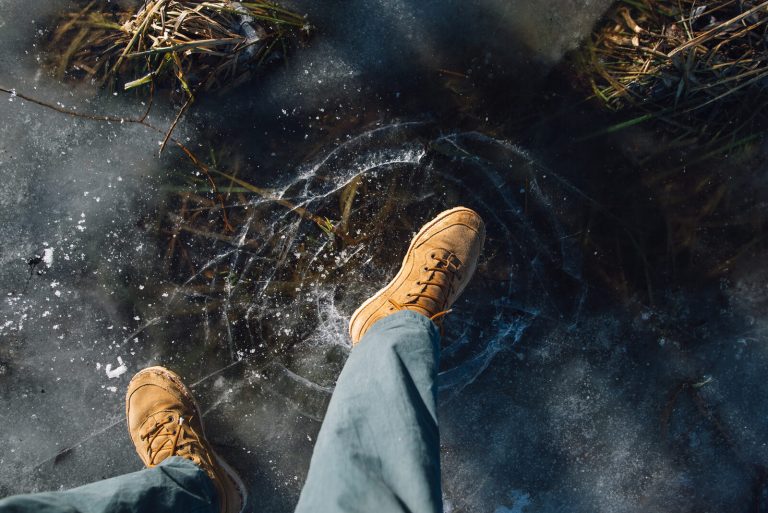
Soft, sucking ground tends to show up in predictable places: flat shores, silt-choked rivers with shifting channels, the mouths of large rivers, tidal flats, and boggy wetlands, muskeg, and quagmire. Even the desert has flash-flood streambeds and salt marshes with a firm-looking crust over ooze. The tell is ground that looks flat and passable but is waterlogged and lacks vegetation, bare open mud or wet sand between firmer, plant-covered ground.
If you’re unsure whether a sandy or muddy patch is quicksand, toss a fist-sized stone onto it. On firm ground it sits; in quicksand it sinks. Probe ahead with a trekking pole or stick, testing that the ground will bear weight before you commit to it. When the surface feels like it’s yielding or your poles push in easily, treat it as a trap.
Avoid and bypass first
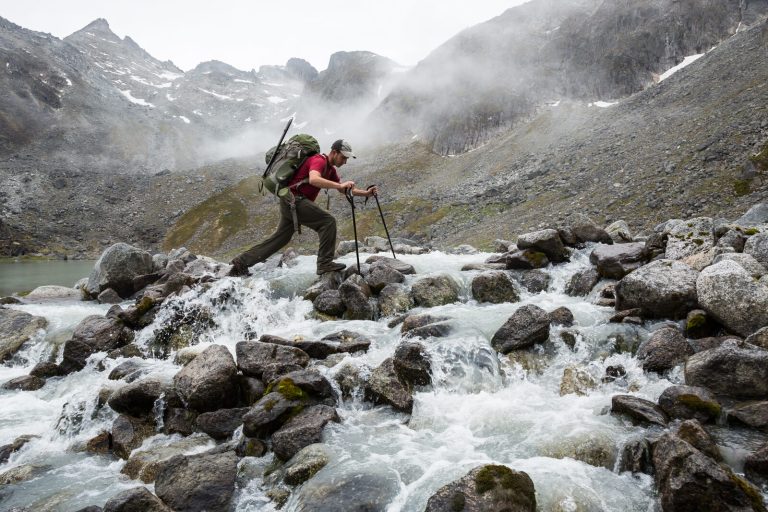
The best escape is not getting stuck. Do not try to simply walk across a bog, quagmire, or quicksand upright, lifting a foot while standing just drives the other one deeper. Look for a way around: firmer, vegetated ground usually rings these areas, and in swamps the patches with plants growing on them are typically solid enough to hold you while the open mud and water are not. Scout for the route with the most vegetation and the least open ooze, and take the long way around whenever you can.
Watch the tide and the temperature
On coastal mud and estuary flats, a stuck foot becomes an emergency when the tide turns. Water can arrive faster than you can free yourself. And prolonged contact with cold mud or water invites hypothermia. Never cross tidal flats on a rising tide, and treat a cold, wet trapping as a time-critical situation.
Bridging a short stretch
If you can’t go around and the soft ground is short, bridge it. Lay logs, thick branches, or piled brush and foliage across the surface to spread your weight over something solid, and move across on that. Test each step. For a wider soft area you truly must cross, building a simple raft or a longer brush platform is safer than trusting your feet to the mud.
If you’re caught in quicksand
The instant you feel yourself sinking, stop struggling. Panic and thrashing are what pull you down. Then work the escape deliberately:
- Drop your pack and free your hands if the pack is dragging you or unbalancing you, but keep it if you can use it as a float or to lie on.
- Lean back and get horizontal. Fall back onto your pack or onto the surface and spread your arms and legs wide. Spreading out across the surface distributes your weight so you float rather than sink. Quicksand has more suction than mud, but you can cross it the same way you’d cross a bog.
- Free your legs slowly. Once you’re on your back, gently work one leg loose at a time with slow wiggling motions to let water flow back around it; yanking creates suction that holds you fast. Patience beats force.
- Pull yourself across. With your body horizontal, swim, crawl, or paddle your way toward firm ground, moving slowly and keeping as flat as possible.
It’s tiring and undignified, but staying calm and horizontal is what gets you out. Trapped air in your clothing and a floating pack both add buoyancy in your favor.
Never pull straight up
Trying to lift a trapped leg while standing upright is the classic mistake. It drives your other leg deeper and can wedge you fast. Get onto your back, spread your weight, and ease each limb out slowly. Horizontal and slow, always.
Crossing a bog or swamp
To cross a bog you can’t avoid, use the same float-and-crawl technique on purpose: lie face down, spread your arms and legs, and swim or pull your way across slowly, keeping your body horizontal. Air trapped in your clothing or a flotation device helps hold you up. In swamps, steer toward the vegetated patches, which usually bear weight, and treat the open, plant-free mud and water as the parts to swim. An average swimmer can crawl, swim, and pull through long stretches of bog or swamp this way.
If you meet dense underwater or floating plants, don’t thrash. Stay calm and near the surface, use a shallow breaststroke, and push the vegetation aside as you would peel off clothing. Rest by floating on your back when you tire, then continue. A large swamp is a serious undertaking; if you must cross one, build a raft rather than exhausting yourself in the muck.
Tidal mud and river flats
Deep coastal mud and estuary flats are especially treacherous because they combine sucking ground with tides. The escape technique is the same. Get horizontal, spread your weight, and crawl toward firm ground, but the clock matters far more. Check tide times before crossing any flat, never venture out on a rising tide, and if you feel yourself sinking, get onto your belly and crawl back the way you came immediately. In mangrove and channel country, watch for the added hazard of crocodiles or steep hidden channels, and work along firmer stream beds where you can.
Helping someone else out
Don’t wade in after a trapped person and get stuck yourself. Stay on firm ground and extend your reach: hold out a trekking pole, branch, rope, or pack strap for them to grab, and lay a “bridge” of branches or a foam pad toward them to spread the load. Coach them to stop struggling, lean back, and get horizontal, then pull steadily and slowly, letting the suction release rather than jerking. If you can spread your own weight by lying on a pad or branches at the edge, you can get closer safely. Several people forming a chain on solid ground is safer than one person reaching alone.
After you’re out
Once you’re on firm ground, tend to the aftermath. Being soaked in cold mud is a hypothermia risk. Get into dry layers, warm up, and if you’re chilled, our guide to staying warm and recovering from cold-water immersion both apply. Check for injuries and clean any cuts, since bog and estuary mud is filthy. See our guide to wound care in the backcountry. Empty and clean your footwear and gear, rehydrate, and rest before moving on.
Common mistakes
- Walking across upright. Trying to stride or high-step over soft ground just plunges you in. Bridge it or go around.
- Struggling and pulling straight up. Force creates suction. Stop, lean back, spread out, and ease loose slowly.
- Keeping a heavy pack pinning you down. Slip it off if it’s dragging you under, but use it as a float if you can.
- Ignoring the tide. On coastal flats the tide, not the mud, is the killer. Check it and never cross on a rising tide.
- Wading in to rescue a stuck friend. Reach from firm ground with a pole, rope, or branch instead of becoming a second victim.
What to carry
- Trekking poles , to probe ground ahead and to hand to someone who’s stuck.
- A length of cord or rope , for reaching and hauling out a trapped person from firm ground.
- Dry layers in a waterproof bag , because getting out of soft ground usually means getting soaked and cold.
- A pack with a hip belt you can release fast , so you can shed it instantly if it’s pulling you down.
- A tide table or offline map , before crossing any coastal or estuary flat.
Read our guide to crossing rivers safely
Key takeaways
Quicksand, bogs, and mud trap the people who panic and fight them upright, and release the people who stay calm and go horizontal. Recognize soft, unvegetated wet ground, test it with a stone or a pole, and go around or bridge it whenever you can. If you’re caught, stop struggling, lean back, spread your weight wide, and slowly crawl or swim to firm ground. Never pull straight up. Mind the tide and the cold, help others from solid footing, and warm up afterward. Treat these traps with slow, spread-out patience and they lose almost all their power.
Adapted in part from the U.S. Army Survival Field Manual (FM 3-05.70 / FM 21-76), Chapter 17, “Expedient Water Crossings” (crossing bogs, quagmire, muskeg, and quicksand; the stone test; and the float-and-crawl technique), with modern hiking practice.
Wilderness Experts is reader-supported. As an Amazon Associate we earn from qualifying purchases; when you buy through links on our site we may earn a commission at no extra cost to you. It never changes what we recommend.