

Top 9 things to do in Indiana Dunes National Park
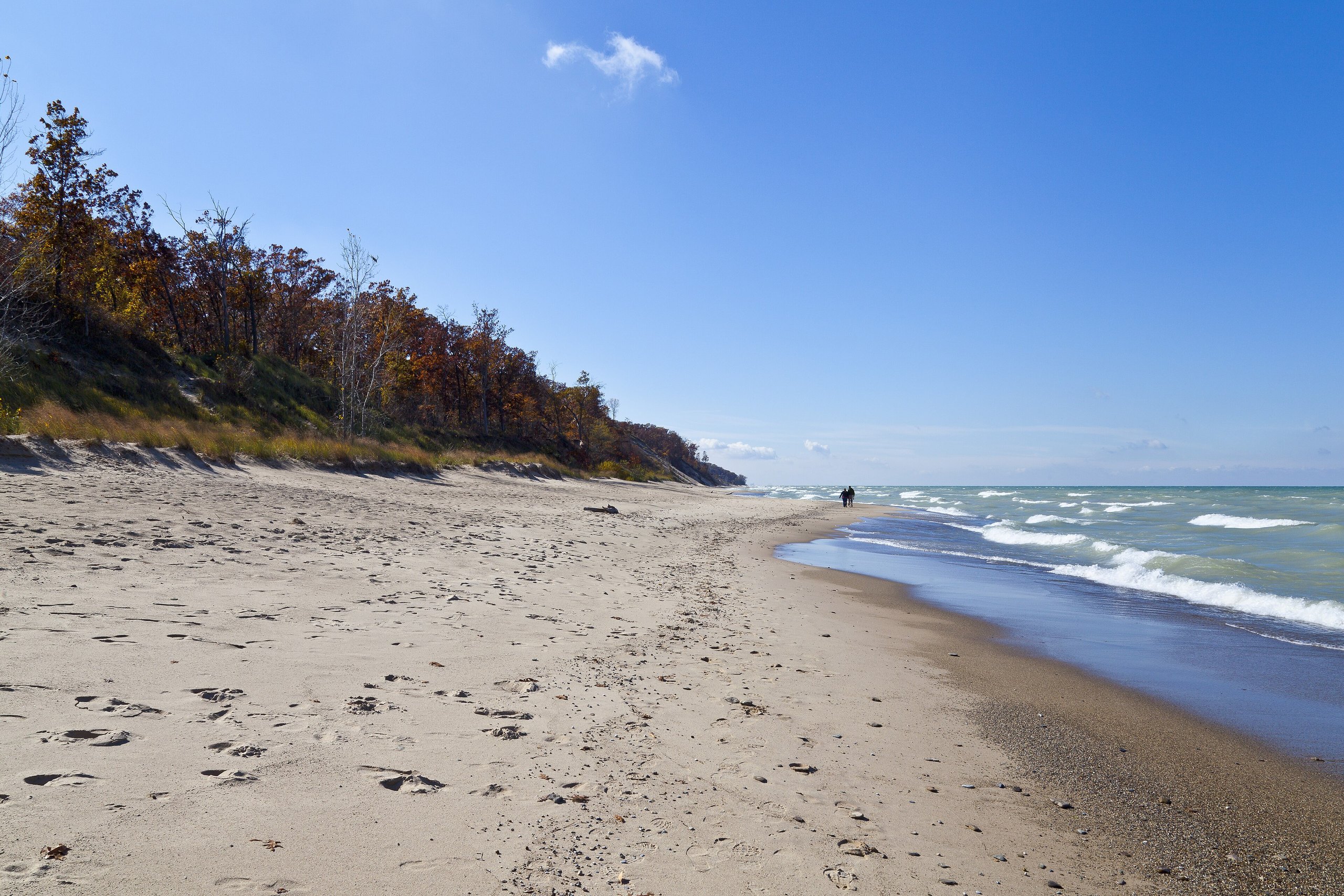
Indiana Dunes National Park runs for 15 miles (24 km) along the south shore of Lake Michigan, between the steel mills of Gary and Michigan City, with Chicago’s skyline on the horizon. Its beaches and dunes are what draw the crowds, but it was the bogs, marshes, oak savannas and woods behind them that made it famous to scientists: for its size, it holds one of the richest collections of plants of any national park. These are the nine outings we would put first. The order starts with what the park is known for, then goes by what an outing gives back for the time and effort it takes. Distances are approximate; times are our estimates and do not include stops.
Lake Michigan is the danger here. Rip currents and waves form fast when the wind blows onshore, and people drown off these beaches nearly every summer, strong swimmers among them. Only West Beach has lifeguards, and only in summer. Stay out of the water when the waves are high or red flags are flying, and never walk out on a pier or breakwall in rough water. In summer the dune sand gets hot enough to burn bare feet.
1. Spend a day at West Beach and climb the Dune Succession Trail
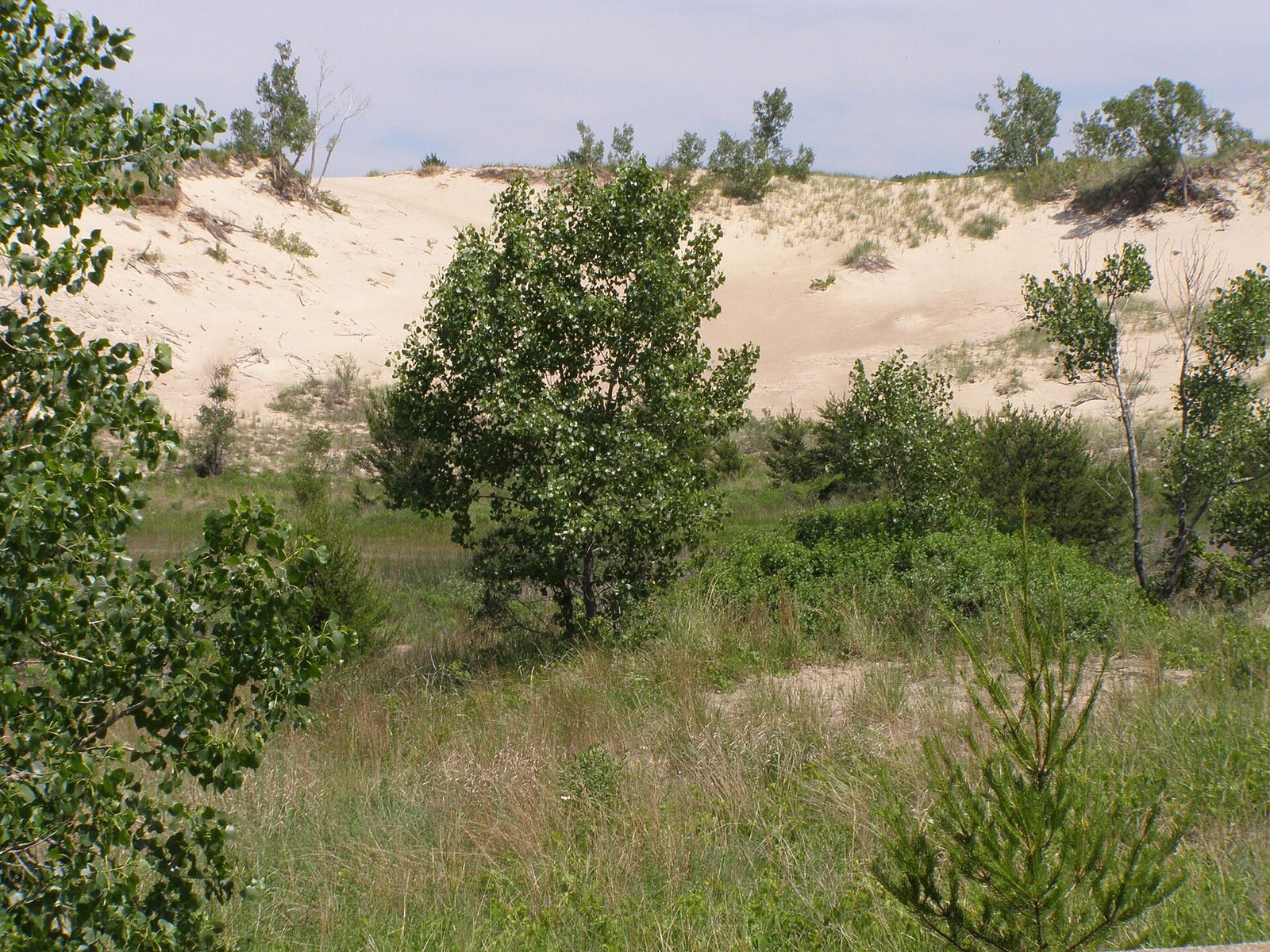
West Beach is the park’s main swimming beach, with lifeguards, a bathhouse and a wide stretch of sand. Behind it, the Dune Succession Trail climbs a long staircase from the bare beach up through marram grass, cottonwoods and jack pines to a black oak forest, which is the order in which plants take hold of a dune over centuries. The view from the top runs along the lakeshore, and on a clear day you can see Chicago’s towers across the water.
- Distance: 1 mile (1.6 km) loop for the Dune Succession Trail, with about 250 steps
- Allow: 45 minutes for the trail; a day at the beach
- Start: West Beach, off County Line Road in Portage. It is the one area of the park that charges an entrance fee.
- When: June to August for swimming; spring and fall for walking
- Suits: everyone for the beach; the stairs are a steady climb
2. See Mount Baldy, the dune that walks
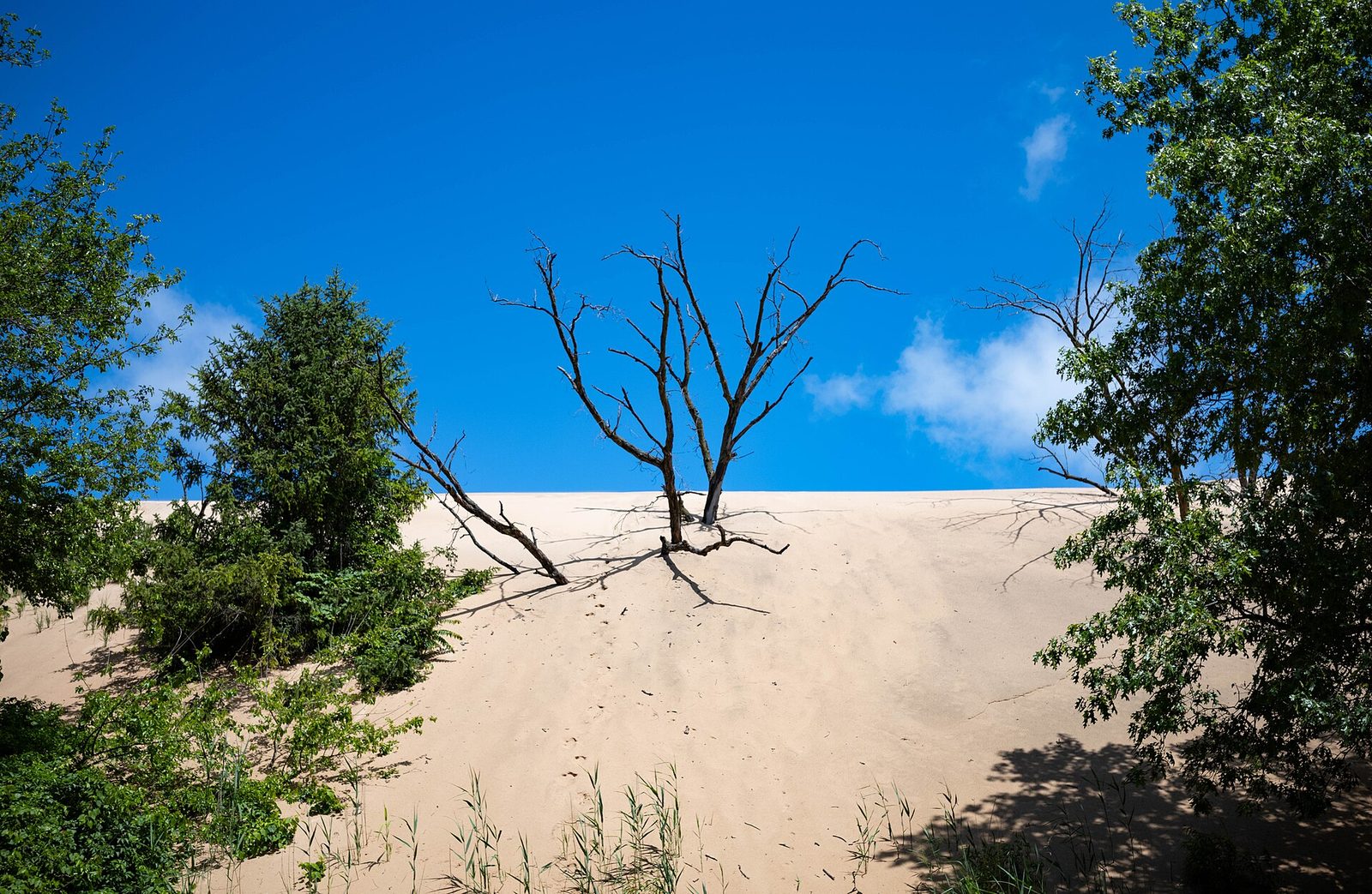
Mount Baldy is a live dune 126 feet (38 m) high that the wind pushes inland several feet (a metre or more) a year, burying the trees in its path. It has swallowed part of its own parking lot. In 2013 a boy fell into a hole in the sand left by a buried tree and was dug out alive after more than three hours, and since then the dune itself has been closed except on ranger-led hikes, which climb the back of it to the top. The short Mount Baldy Beach Trail around its side to the lake is open to everyone.
- Distance: under a mile (1.6 km) round trip on the beach trail
- Allow: 1 hour; 1.5 to 2 hours for a ranger-led summit hike
- Start: Mount Baldy parking area, off US 12 in Michigan City
- When: all year for the beach; ranger-led summit hikes run on set dates, mostly in summer
- Suits: everyone for the beach trail; the summit climb is steep, soft sand
3. Hike the Cowles Bog Trail to the lake
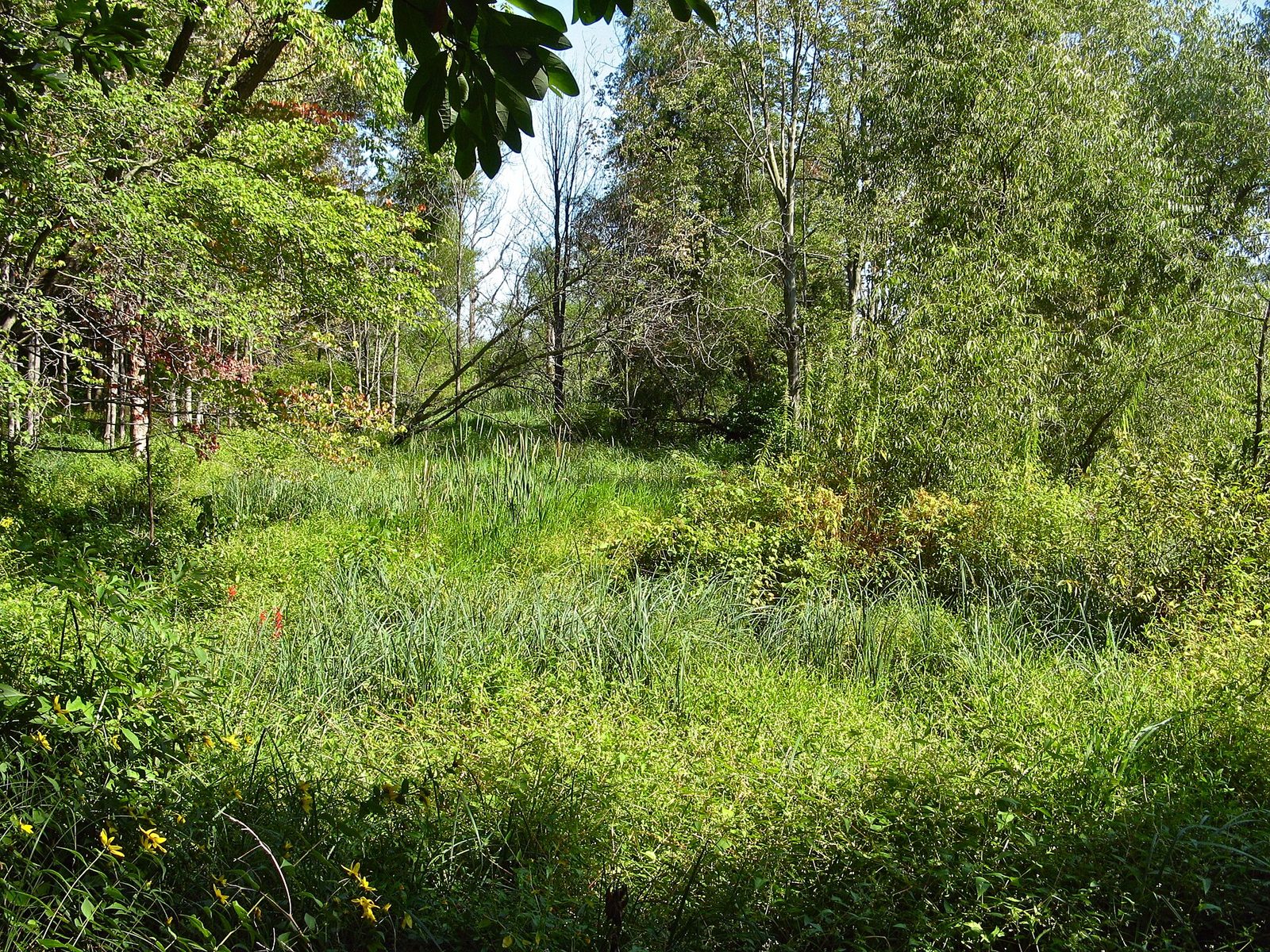
Henry Chandler Cowles of the University of Chicago studied these dunes and wetlands around 1900 and worked out how one community of plants gives way to the next, which helped found the science of ecology in North America. The trail named for him is the park’s most varied hike. It passes the edge of the fen, climbs over wooded dunes and drops to a quiet stretch of beach, then loops back through the woods. Few people go beyond the first half mile (800 m).
- Distance: about 4.7 miles (7.6 km) loop
- Climb: several short, steep dune climbs in loose sand
- Allow: 2.5 to 3 hours
- Start: Cowles Bog Trailhead, on Mineral Springs Road in Dune Acres
- When: spring and fall; summer brings mosquitoes and deer flies
- Suits: steady walkers
4. Walk on a floating bog at Pinhook Bog
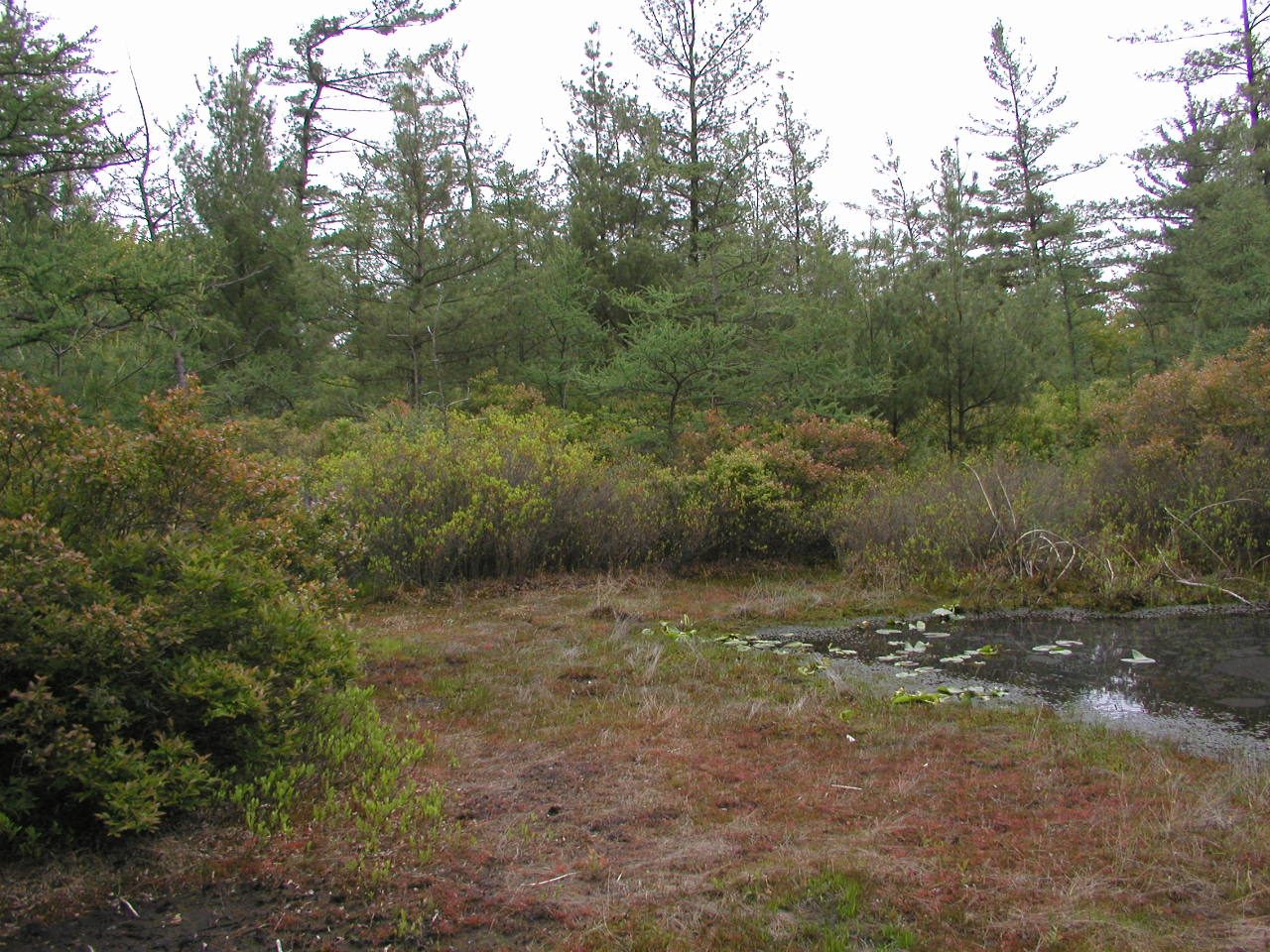
Pinhook Bog formed in a hollow left by a block of glacial ice about 14,000 years ago, with no stream in or out, so its water is acid and poor in nutrients. About a quarter of it is a mat of sphagnum moss floating on the water, and the plants that live on the mat have had to find food another way: pitcher plants and sundews catch insects. Because the mat is easily damaged, the boardwalk onto it is open only on ranger-led walks and a few open-house days. The Upland Trail around the bog’s rim through the woods is open at any time.
- Distance: under a mile (1.6 km) on the bog boardwalk; about 2 miles (3.2 km) for the Upland Trail
- Allow: 1.5 hours for a guided walk
- Start: Pinhook Bog parking area, on Wozniak Road north of LaPorte, a separate unit south of the lakeshore
- When: guided walks run on set dates, mostly from late spring to early fall
- Suits: everyone on the guided walk
5. Watch the birds on the Great Marsh Trail
The Great Marsh once ran for miles behind the dunes before it was drained for farms and homes. The park has restored part of it, and the birds came back fast. Indiana Dunes lies on a migration route where birds funnel around the south end of Lake Michigan, and more than 350 species have been seen in the park. In spring the marsh is loud with frogs and full of herons, egrets, ducks and swallows, with sandhill cranes passing over. A short trail with viewing platforms runs along the edge.
- Distance: about 1 mile (1.6 km) round trip
- Allow: 1 hour, longer with binoculars
- Start: Great Marsh Trailhead, on Broadway in Beverly Shores
- When: April and May, and September and October, for migration
- Suits: everyone
6. See the spring wildflowers on the Heron Rookery Trail
This trail follows the Little Calumet River through bottomland woods that carpet themselves with wildflowers in spring: trout lilies, spring beauties, trilliums, bluebells, marsh marigolds and many more, before the trees leaf out and shade the forest floor. Great blue herons once nested here, which gave the trail its name, though they moved elsewhere years ago. It is a quiet, level walk, best done as an out-and-back.
- Distance: 3.3 miles (5.3 km) out and back, with almost no climb
- Allow: 1.5 to 2 hours
- Start: Heron Rookery east parking area, on North County Road 600 East near Michigan City; a small west lot serves the other end
- When: mid-April to mid-May for the flowers; the trail is muddy after rain
- Suits: everyone
7. Visit the Bailly Homestead and Chellberg Farm
Two chapters of Indiana’s history stand a short walk apart in the woods. Joseph Bailly, a French-Canadian fur trader, set up a trading post here in 1822 where Indigenous trade routes crossed the Little Calumet River. Later in the century, Swedish immigrants named Chellberg built the brick farmhouse and barn that the park now keeps as a farm of about 1900, with animals on it. A loop trail links the two and continues to a small cemetery.
- Distance: about 2 miles (3.2 km) for the loop
- Allow: 1 to 1.5 hours
- Start: Bailly/Chellberg parking area, on Mineral Springs Road south of US 20 in Porter
- When: all year; the farm holds special events on some weekends
- Suits: everyone, families most of all
8. See the houses of tomorrow from 1933
Chicago’s Century of Progress World’s Fair showed visitors what the future home would look like. When the fair closed, a developer shipped five of those houses across the lake by barge to sell in Beverly Shores, and they still stand on Lake Front Drive: a pink stucco house, a timber-framed log house, a house of steel panels and the House of Tomorrow, a twelve-sided glass house with a hangar for the owner’s aircraft. They are leased and lived in, so look from the road. Indiana Landmarks opens them to the public one weekend a year.
- Allow: 20 minutes from the road
- Start: Lake Front Drive, Beverly Shores
- When: all year from outside; the open house is usually in the fall
- Suits: everyone
9. Explore the oak savanna at Miller Woods
At the park’s west end, among the industry of Gary, Miller Woods holds some of the oldest and least disturbed dunes on the shore. Rows of dunes and wet hollows between them run toward the lake, with black oaks spread out over sand prairie, a landscape that once covered much of the Midwest and is now rare. In June and July, wild lupine and prickly pear cactus flower here. The Paul H. Douglas Center, at the trailhead, is named for the Illinois senator who led the long fight to save the dunes.
- Distance: up to about 3 miles (5 km) round trip to the beach and back
- Allow: 2 hours
- Start: Paul H. Douglas Center for Environmental Education, on Lake Street in Gary
- When: late spring and early summer for flowers; all year for walking
- Suits: most walkers; much of the trail is soft sand
Before you go
This list covers what stays the same from year to year. Beach conditions, ranger-led hike dates and trail closures are posted by the National Park Service on its own site. The link is on our Indiana Dunes National Park guide, with the map and how to get there, including the train from Chicago.