

Top 12 things to do in Yellowstone National Park
Yellowstone is the world’s first national park and one of the largest in the lower 48 states, and its sights are strung around a figure-eight road 142 miles (229 km) long. Driving between them takes hours, so what you can do depends on where you sleep. These are the twelve outings we would put first. The order starts with what the park is known for, then goes by what an outing gives back for the time and effort it takes. Distances and heights are National Park Service figures; times are our estimates and do not include the drive.
Two rules matter everywhere. Stay on the boardwalks in thermal areas: the ground beside them is a thin crust over boiling water, and people have died stepping off. And keep 100 yards (91 m) from bears and wolves and 25 yards (23 m) from bison, elk and every other animal. Bison injure more visitors than any other animal in the park.
1. Watch Old Faithful, then walk the Upper Geyser Basin
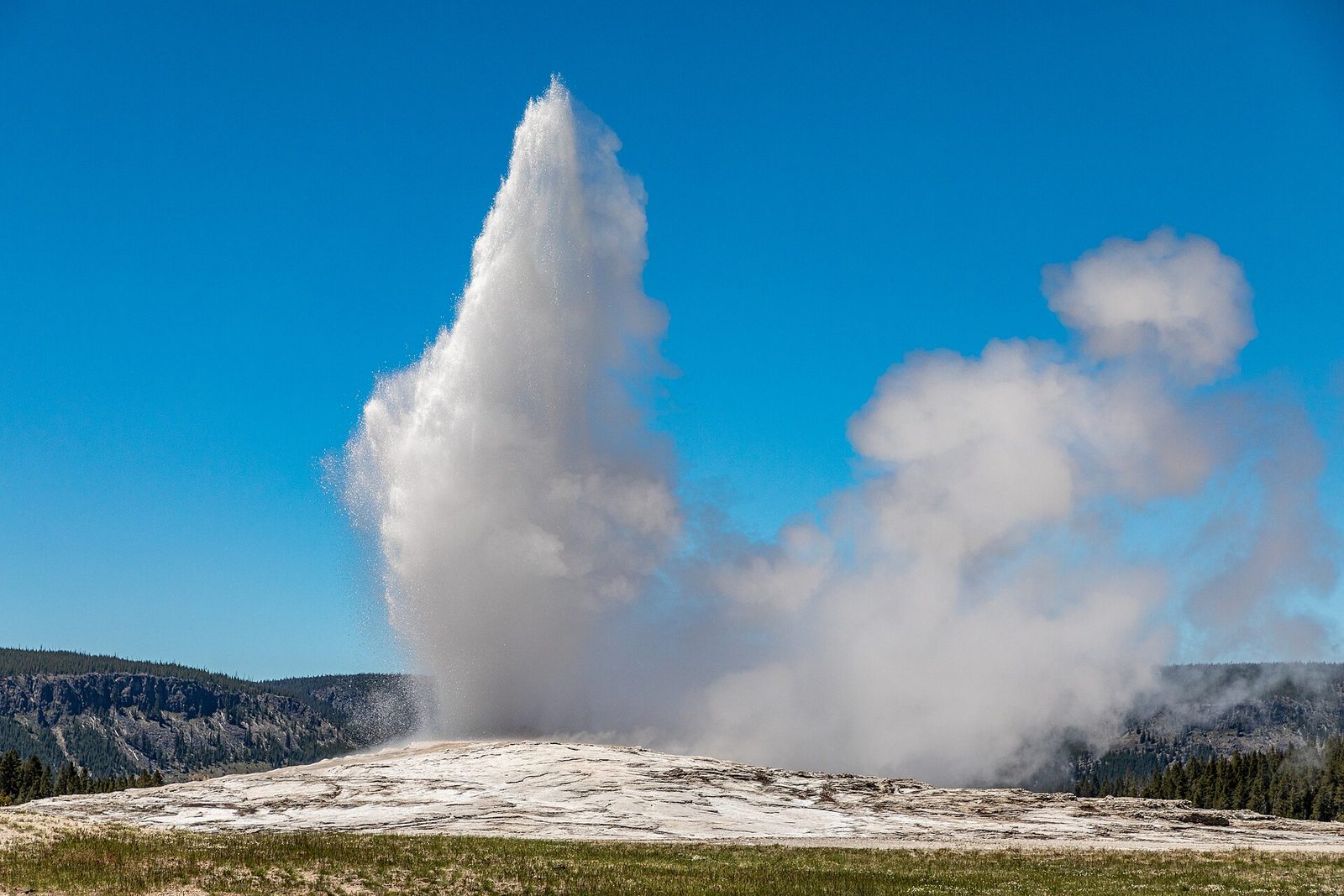
Old Faithful erupts about every hour and a half, throwing water 106 to 185 feet (32 to 56 m) into the air for up to five minutes. Rangers post the predicted time of the next eruption at the visitor center, so you can plan around it. Most visitors watch once from the benches and leave. The better part is behind it: the Upper Geyser Basin holds more than 250 geysers, the largest concentration in the world, and boardwalks and paved paths run through them along the Firehole River.
Cross the river to Geyser Hill, where Beehive Geyser erupts about 200 feet (61 m) high, then follow the path past Castle, Grand and Riverside geysers to Morning Glory Pool. Ask at the visitor center which of the big geysers are due that day.
- Distance: about 2.8 miles (4.5 km) round trip to Morning Glory Pool, level
- Allow: 1 hour for Old Faithful alone; 3 to 4 hours with the basin
- Start: Old Faithful Visitor Education Center
- When: mid-April to early November by car; in winter by snowcoach or snowmobile. Early morning and evening are quietest.
- Suits: everyone. Most of the paths take wheelchairs and strollers.
2. See Grand Prismatic Spring from the overlook
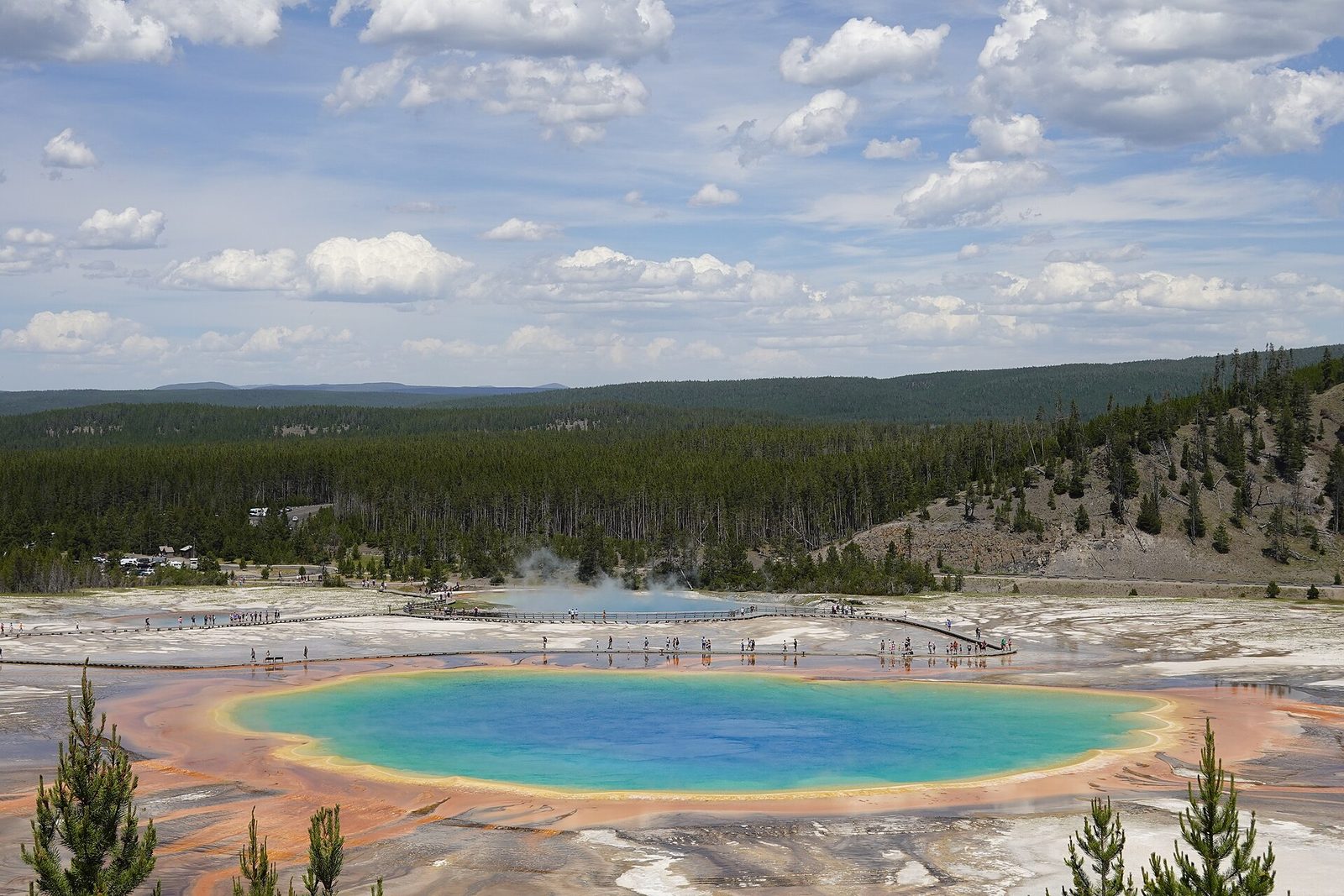
Grand Prismatic is the largest hot spring in the park, about 370 feet (113 m) across, with a deep blue centre ringed in yellow, orange and rust. The colours are mats of microbes, each kind living at a different temperature. From the boardwalk beside it you see steam and the edge of the colour. From the overlook on the hillside to the south you see the whole spring, and that is the view in the photographs.
The overlook is a short climb from the Fairy Falls Trailhead. Carry on along the same trail through young lodgepole forest to Fairy Falls, a 197-foot (60 m) plunge off the plateau. The colours are strongest on a warm, sunny afternoon, when there is less steam. The trail is closed each spring for bear management and opens in late May.
- Distance: 1.2 miles (1.9 km) round trip to the overlook; about 5 miles (8 km) round trip to Fairy Falls
- Allow: 1 hour for the overlook; 3 hours with the falls
- Start: Fairy Falls Trailhead, 1 mile (1.6 km) south of the Midway Geyser Basin parking area
- When: late May to October; midday to mid-afternoon for colour
- Suits: most walkers, including children
3. Stand above the Lower Falls in the Grand Canyon of the Yellowstone
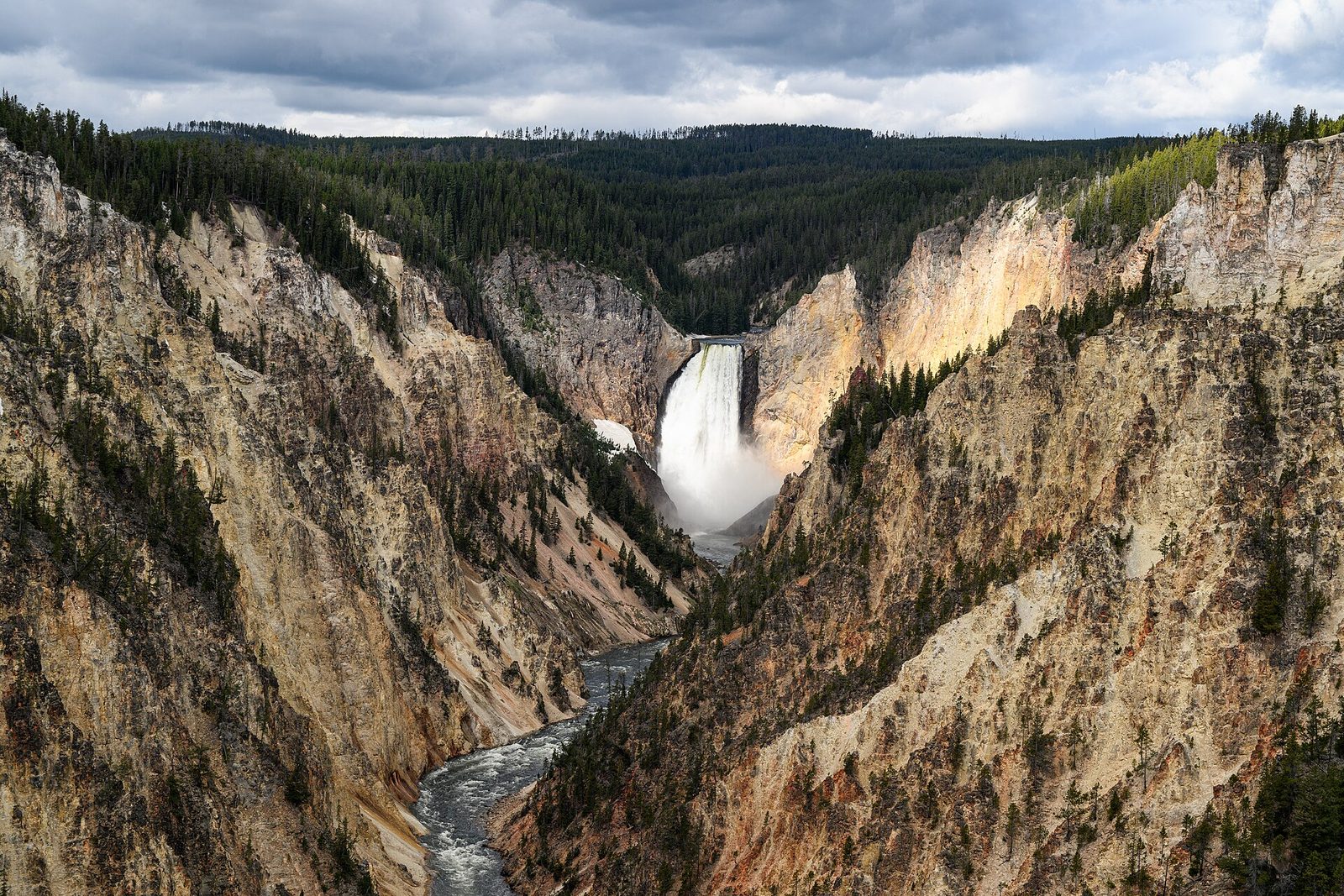
The Yellowstone River has cut a canyon up to 1,000 feet (300 m) deep through yellow, pink and white volcanic rock, and it enters it over two waterfalls. The Lower Falls, at 308 feet (94 m), are the tallest in the park. Artist Point, on the South Rim, is the classic view up the canyon to the falls, a few steps from its parking area. For the opposite experience, the Brink of the Lower Falls Trail on the North Rim switchbacks steeply down to a platform at the lip, where the river goes over beside you.
- Distance: a few hundred yards to Artist Point; about three-eighths of a mile (600 m) each way to the Brink of the Lower Falls, dropping 600 feet (180 m)
- Allow: 2 to 3 hours for both rims
- Start: South Rim Drive for Artist Point; North Rim Drive for the brink, both at Canyon Village
- When: May to October. Morning light is on the falls from Artist Point.
- Suits: everyone at Artist Point; the brink trail is a hard climb back at nearly 8,000 feet (2,400 m)
4. Look for wolves and bison in the Lamar Valley
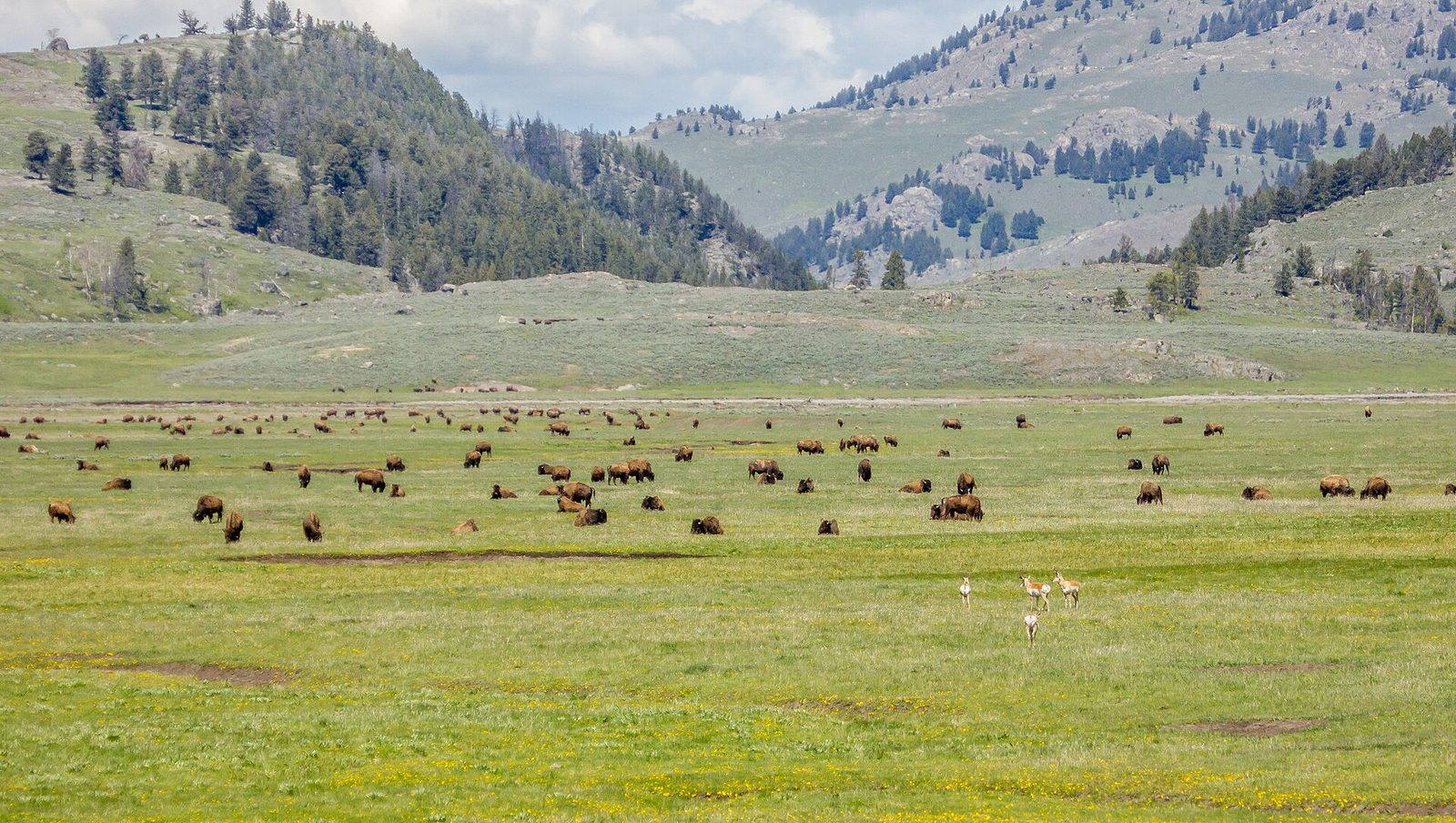
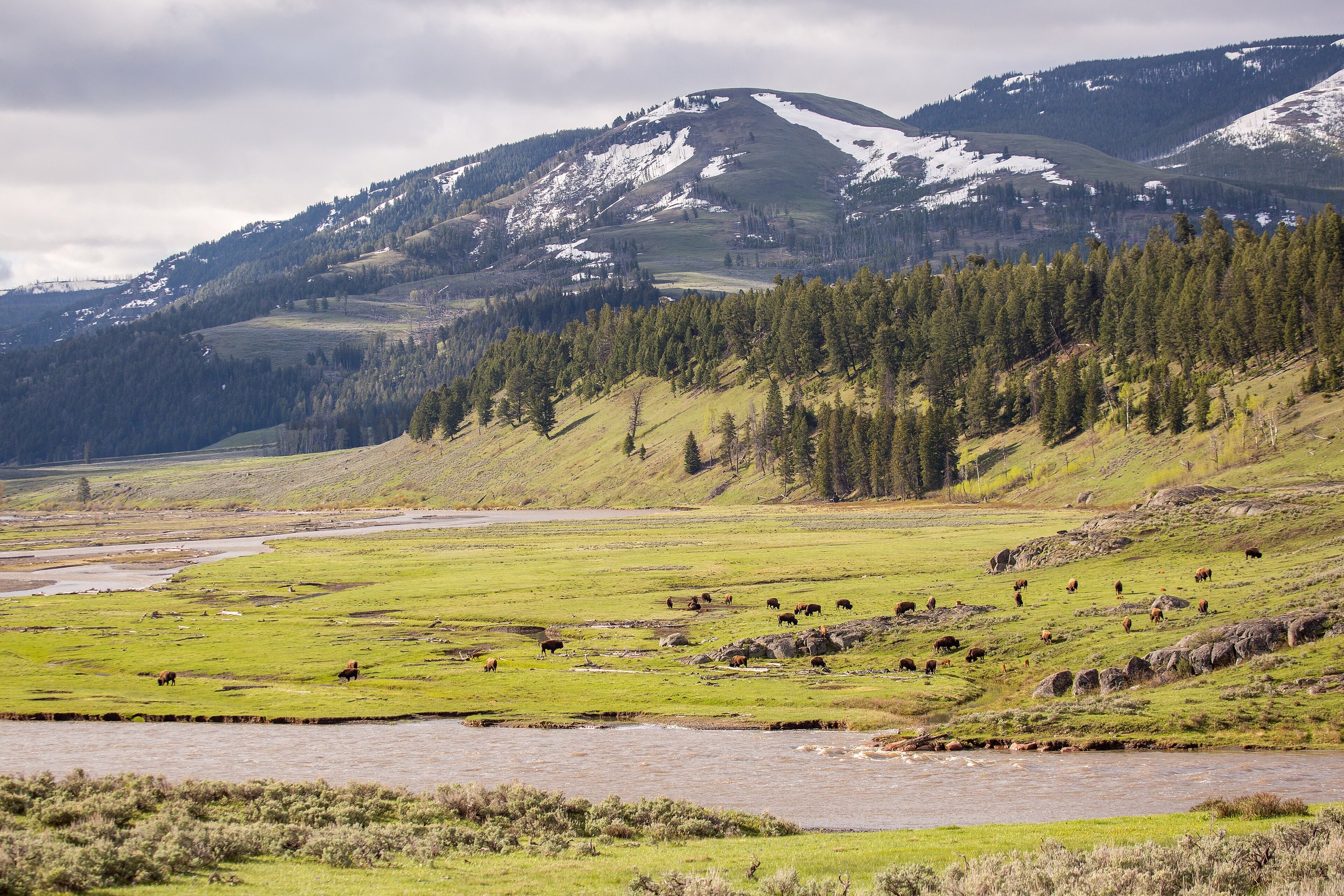
The Lamar Valley, in the park’s northeast corner, is one of the best places in the world to see wild wolves, and bison herds graze it by the hundred. Pronghorn, coyotes, bald eagles and both kinds of bear use it as well. Go at first light or in the last two hours of the day, drive slowly, and stop where you see people standing with spotting scopes: the wolf watchers who come daily are usually glad to show you what they have found. Binoculars are the least you need, because wolves are almost always far off.
- Allow: half a day, starting before sunrise
- Start: the Northeast Entrance Road east of Tower Junction
- When: all year. This is the one park road kept open to cars through the winter, when wolves are easiest to see against the snow. Bison calve in April and May and rut in August.
- Suits: anyone patient. Stay beside your vehicle if bison are near.
5. Walk the terraces at Mammoth Hot Springs
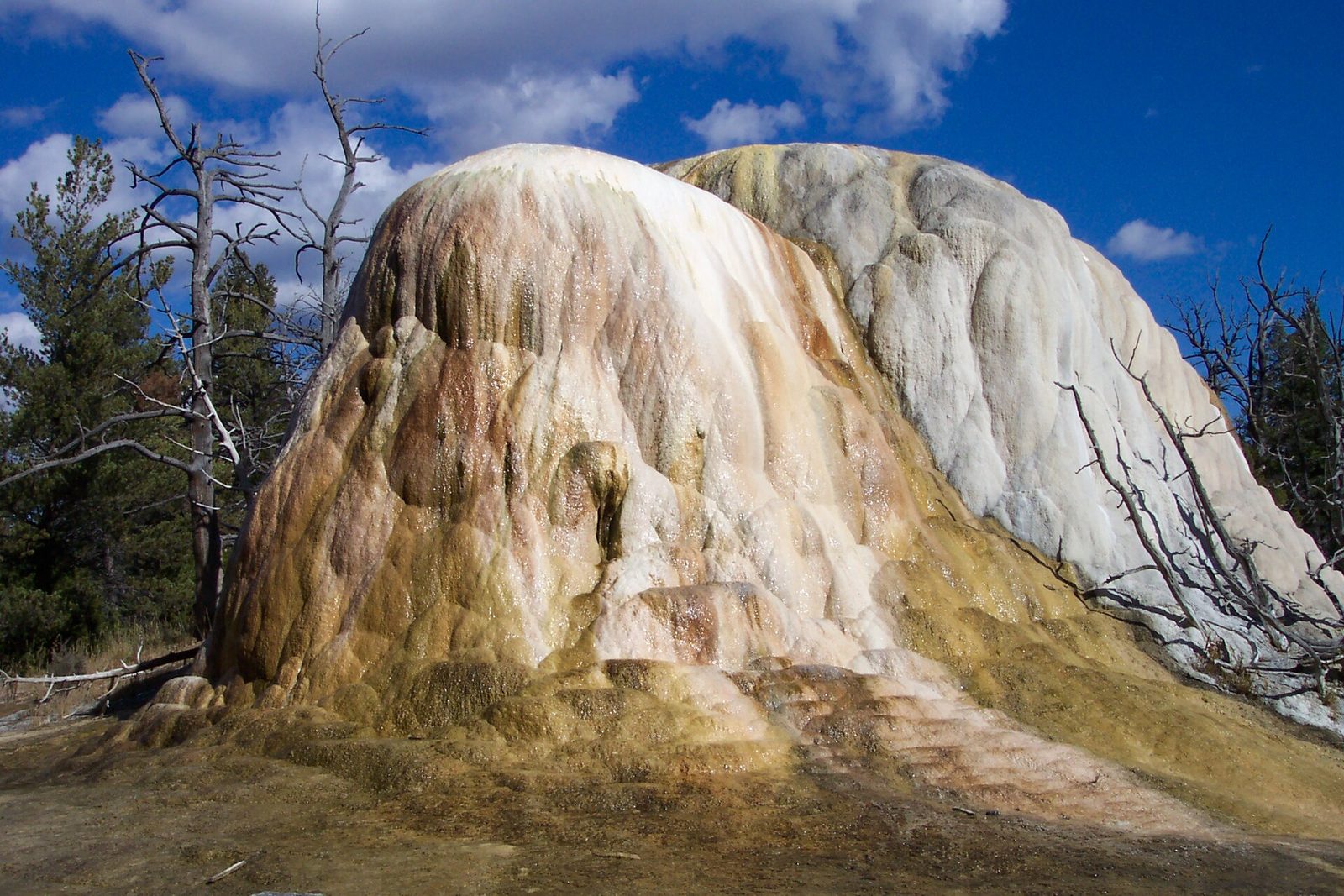
At Mammoth the hot water comes up through limestone and builds terraces of white and orange travertine that step down a hillside, changing from year to year as springs shift and go dry. Boardwalks climb through the Lower Terraces, and a short one-way road loops through the Upper Terraces. Below them is Fort Yellowstone, the stone buildings the U.S. Army put up when it ran the park before the Park Service existed. Elk graze the lawns between them for much of the year.
- Distance: about 1.75 miles (2.8 km) of boardwalk, with 300 feet (90 m) of climbing
- Allow: 1.5 to 2 hours
- Start: Mammoth Hot Springs, 5 miles (8 km) south of the North Entrance at Gardiner
- When: all year by car
- Suits: most visitors; the boardwalks have many stairs
6. Drive the Hayden Valley at dawn or dusk
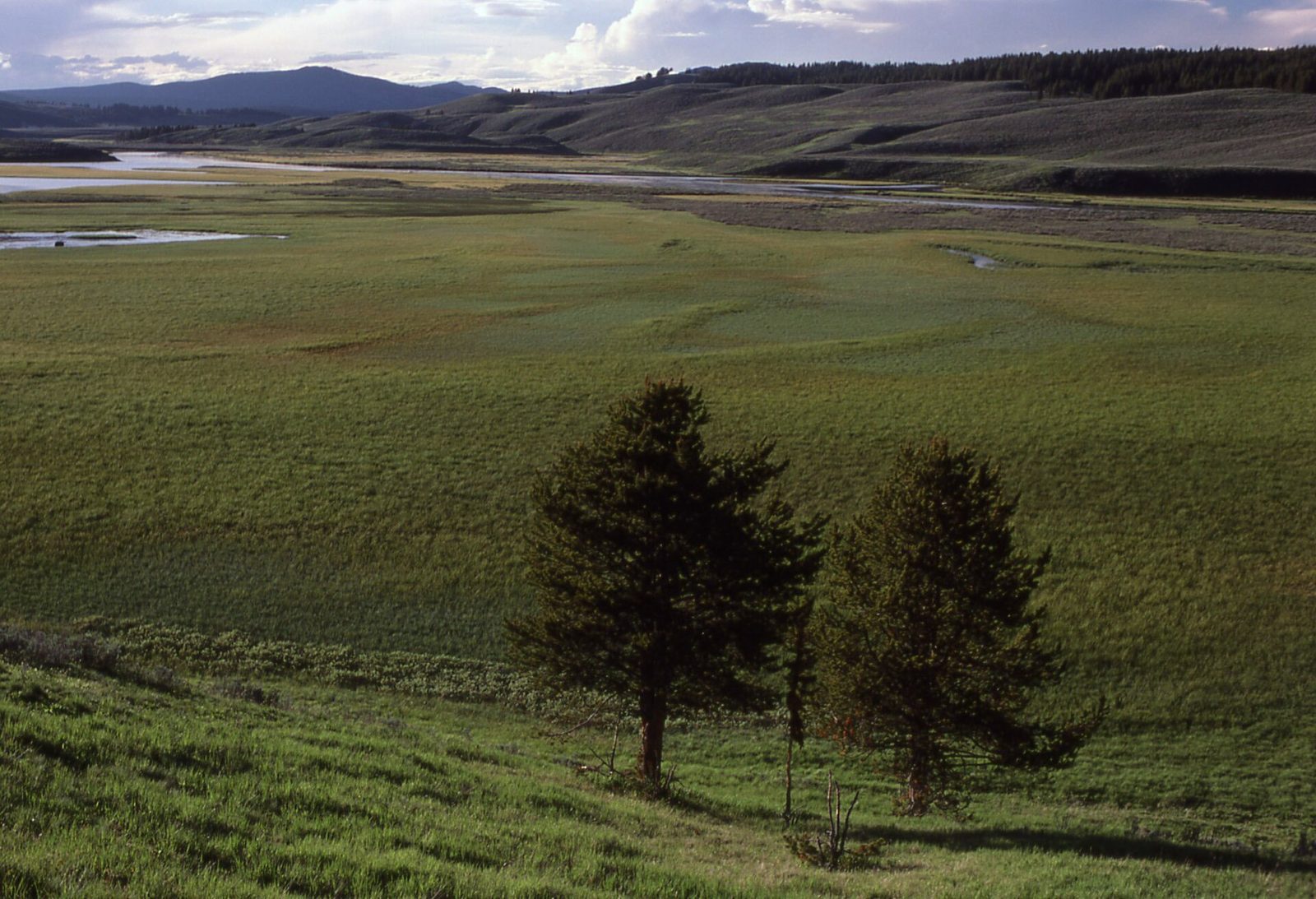
Between Yellowstone Lake and the canyon, the road runs for several miles through a wide, open valley on an old lake bed. Bison graze it in large herds and cross the road when they choose, grizzly bears and wolves hunt it, and the river holds swans, pelicans and other waterfowl. It is the easiest wildlife watching in the park for anyone staying at Canyon or Lake. Use the pullouts, and do not stop in the road.
- Allow: 1 to 2 hours
- Start: the Grand Loop Road between Canyon Village and Fishing Bridge
- When: May to October; early and late in the day. The bison rut in August fills the valley.
- Suits: everyone
7. Explore Norris Geyser Basin
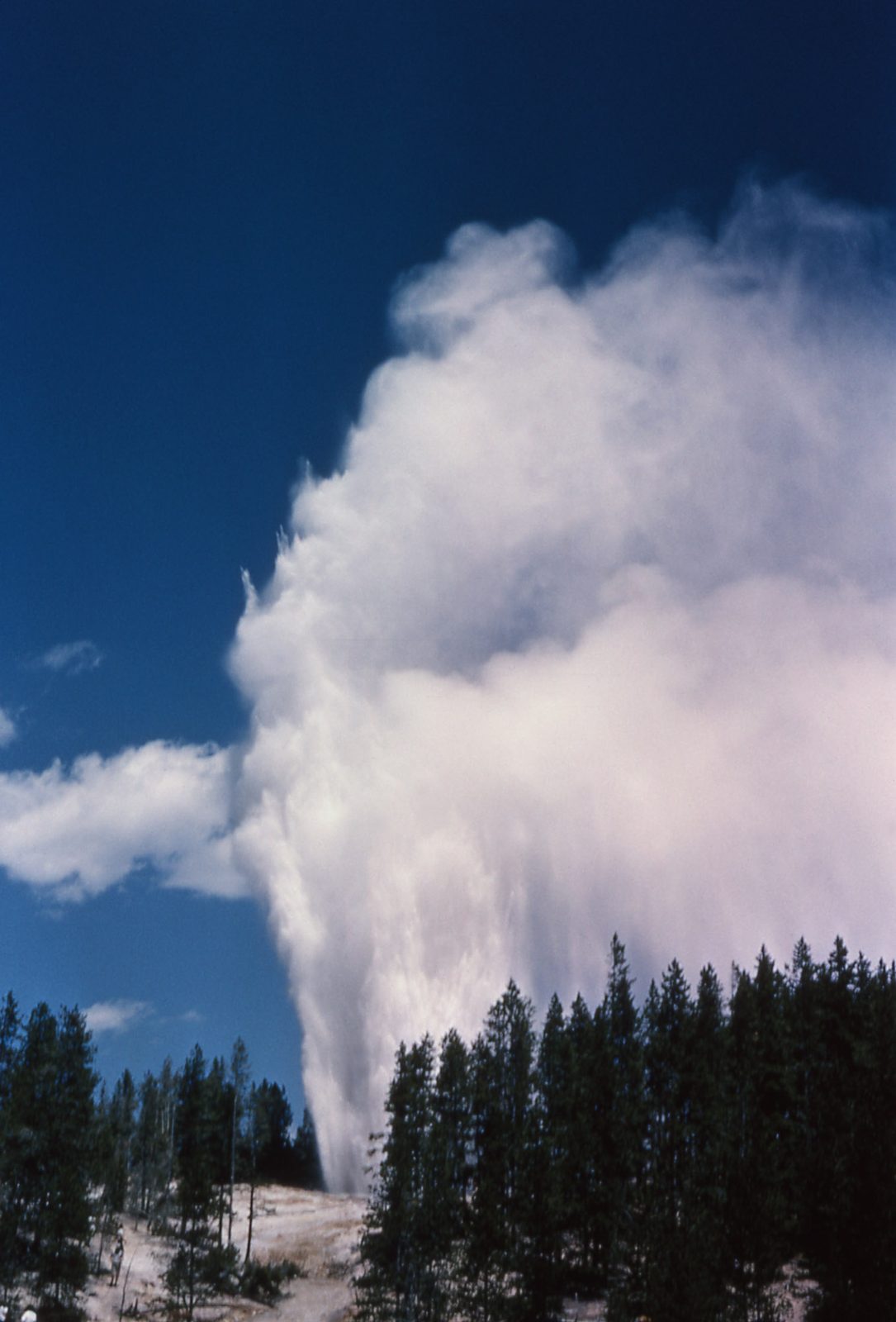
Norris is the hottest and most changeable thermal area in the park, and it looks nothing like Old Faithful. Porcelain Basin is a bare, steaming flat of milky blue pools and hissing vents, seen from a short loop. Back Basin is a longer loop through trees past Steamboat, the tallest active geyser in the world. Its major eruptions go higher than 300 feet (90 m) but come without warning, days or decades apart, so expect to see it splashing a few feet.
- Distance: 0.75 miles (1.2 km) around Porcelain Basin; 1.5 miles (2.4 km) around Back Basin
- Allow: 1.5 to 2.5 hours
- Start: Norris Geyser Basin Museum, at Norris Junction
- When: mid-April to early November
- Suits: most walkers. Porcelain Basin alone suits a short stop.
8. Hike Mount Washburn
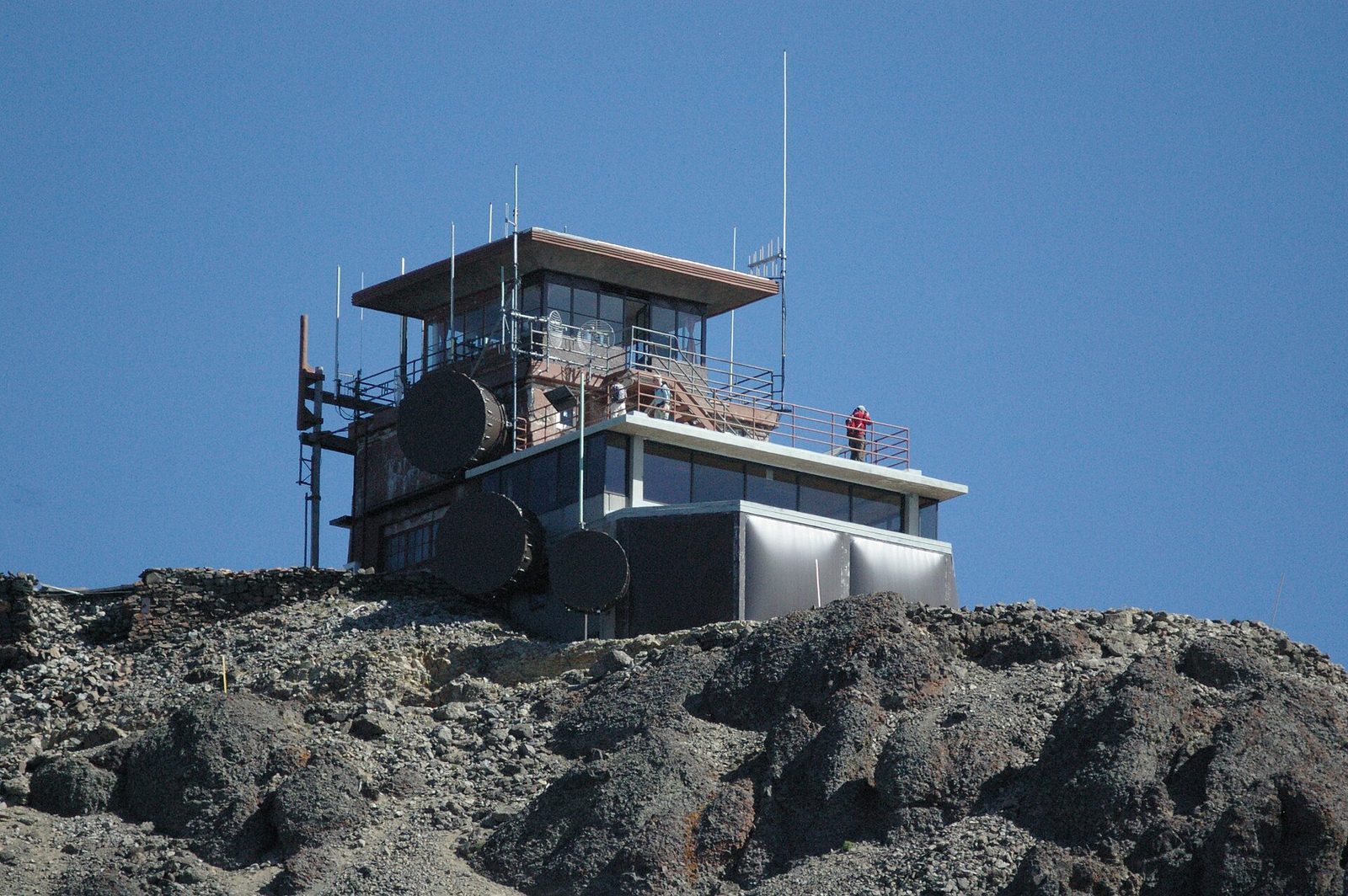
Mount Washburn is the park’s best-known summit hike, and one of the few that gets you above the trees. The trail from Dunraven Pass follows an old road at a steady grade through meadows that flower in July, with bighorn sheep often on the upper slopes. On top, at 10,243 feet (3,122 m), a fire lookout with an enclosed viewing room looks across the canyon, Hayden Valley and Yellowstone Lake to the Tetons on a clear day.
The summit is exposed, and thunderstorms build on most summer afternoons. Be on your way down by early afternoon, and carry a warm layer. Grizzlies feed on these slopes in fall.
- Distance: 6.4 miles (10.2 km) round trip from Dunraven Pass
- Climb: about 1,400 feet (430 m)
- Allow: 3 to 5 hours
- Start: Dunraven Pass, on the Grand Loop Road between Canyon Village and Tower Junction
- When: late June to September. The road over the pass usually opens in late May, and snow stays on the trail for weeks after.
- Suits: fit walkers used to altitude
9. Spend an afternoon on Yellowstone Lake
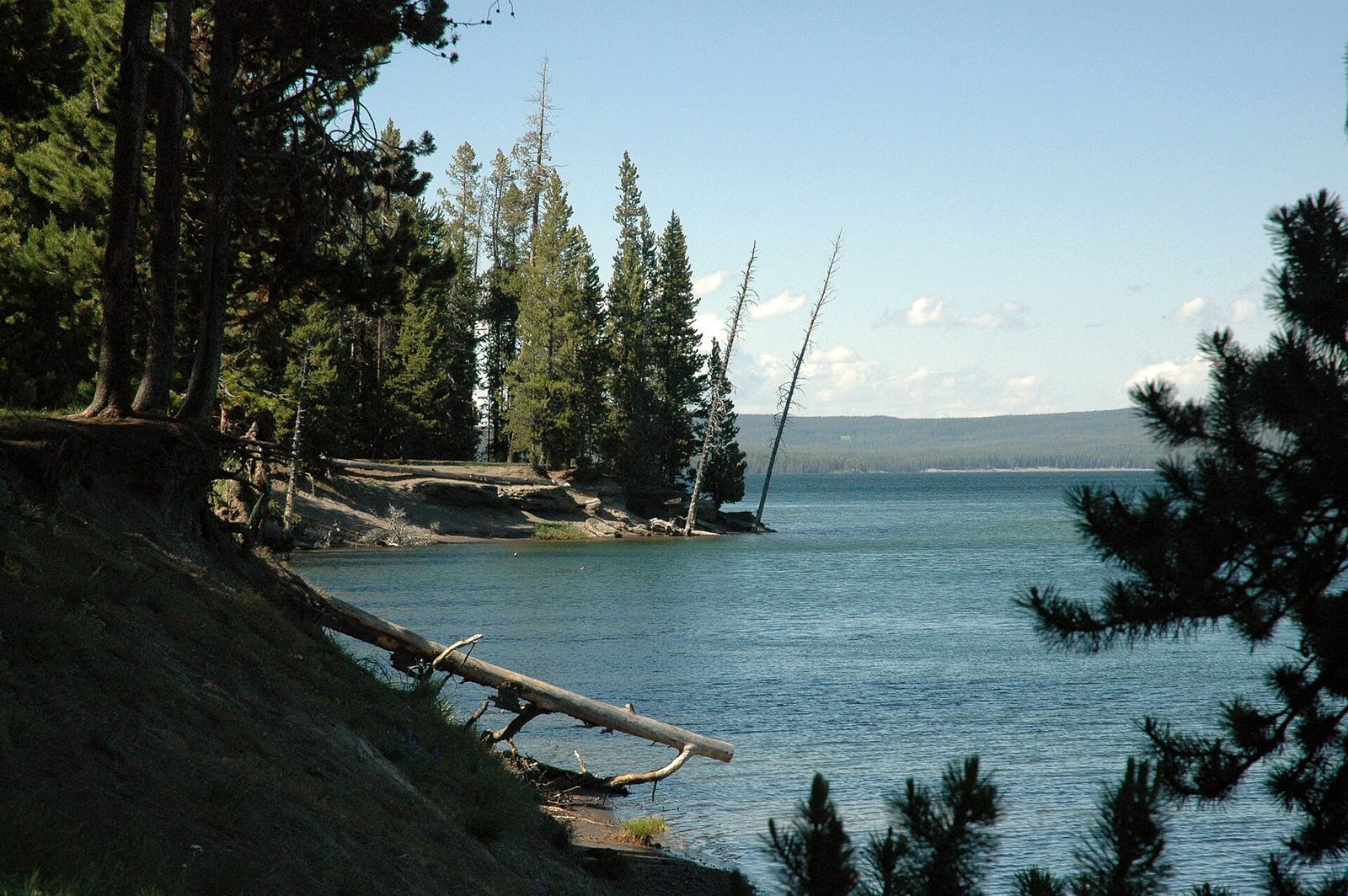
Yellowstone Lake covers 136 square miles (350 km²) at 7,732 feet (2,357 m), the largest freshwater lake above 7,000 feet (2,100 m) in North America. At West Thumb, a boardwalk loops past hot springs on the shore and cones that stand in the lake itself. Paddlers can launch at Grant Village or Bridge Bay, and guided kayak trips follow the West Thumb shore. Every boat, including a paddleboard, needs a park permit and an inspection for invasive species first.
The lake is dangerous out of proportion to how it looks. The water averages about 41°F (5°C), cold enough to disable a swimmer in minutes, and wind raises steep waves by early afternoon. Stay close to shore and be off the water by midday.
- Distance: about half a mile (800 m) of boardwalk at West Thumb
- Allow: 1 hour for West Thumb; half a day to paddle
- Start: West Thumb Geyser Basin, or the marinas at Grant Village and Bridge Bay
- When: June to September. The lake is frozen from about late December into May.
- Suits: everyone at West Thumb; experienced cold-water paddlers on the lake
10. Walk or cycle to Lone Star Geyser
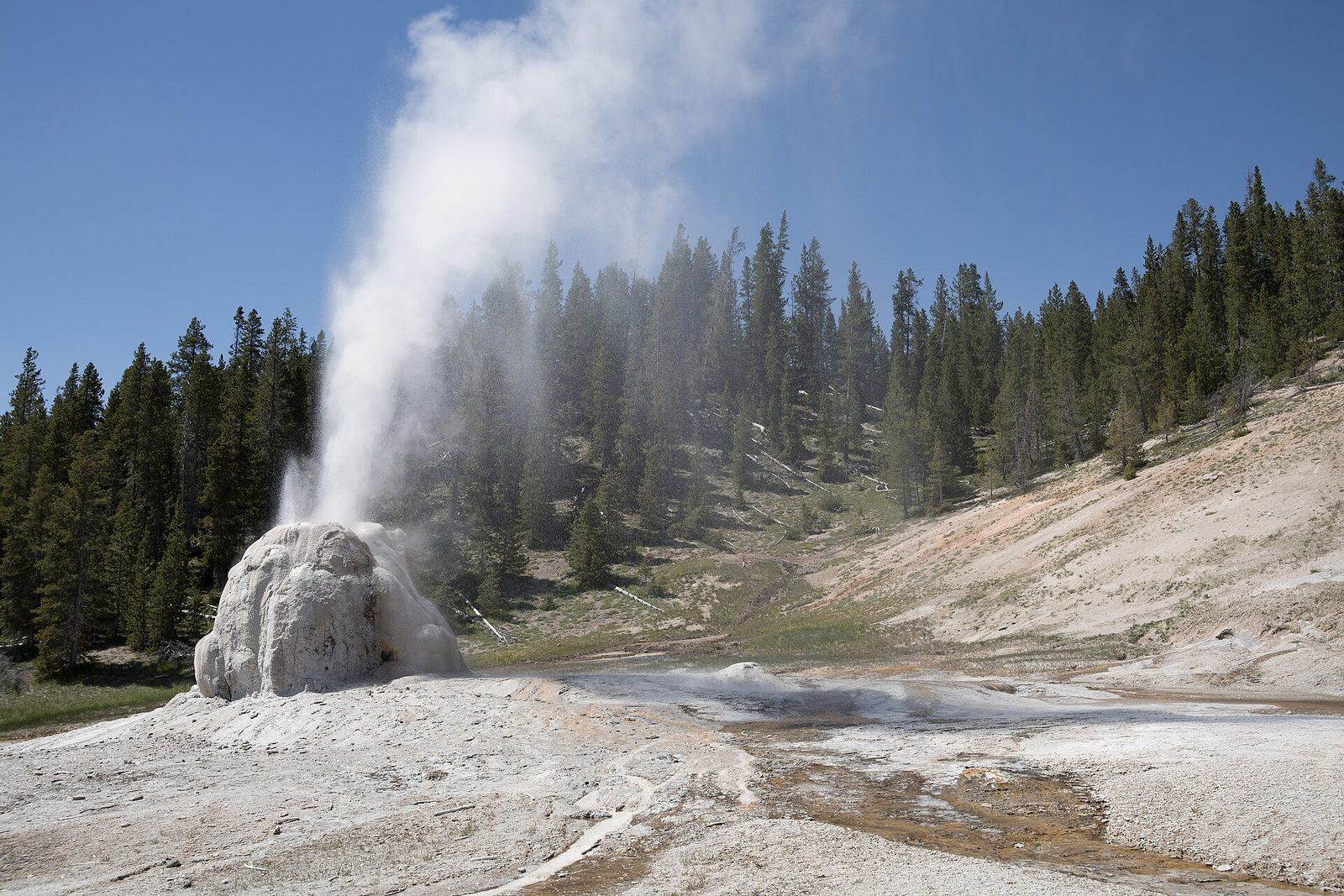
Lone Star erupts about every three hours, up to 45 feet (14 m) from a cone 12 feet (3.7 m) high, and it stands alone in the forest with no boardwalk and seldom more than a few dozen people. The way in is an old service road beside the Firehole River, level and partly paved, and it is one of the few trails in the park open to bicycles. Because the interval is long, bring lunch and be ready to wait. A logbook at the geyser records when visitors last saw it erupt.
- Distance: about 4.8 miles (7.7 km) round trip, level
- Allow: 2 hours on foot plus the wait; less by bike
- Start: Lone Star Trailhead, near Kepler Cascades, 2.5 miles (4 km) south of Old Faithful
- When: June to October
- Suits: families, cyclists, and anyone wanting a geyser without the crowd
11. Stop at the Fountain Paint Pot
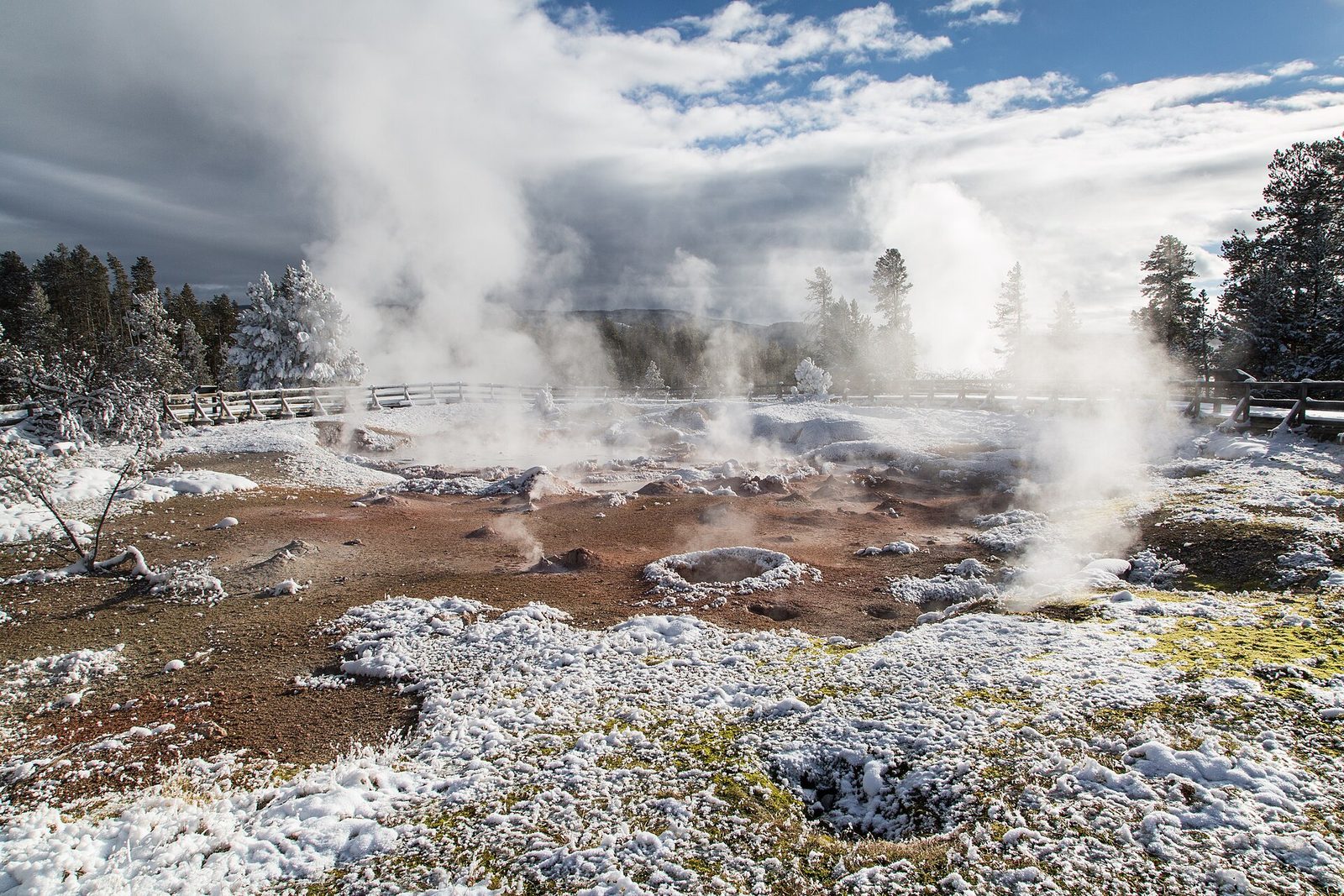
This short loop in the Lower Geyser Basin is the quickest way to see all four kinds of thermal feature the park has: hot springs, geysers, steam vents and mudpots. The mudpots are the draw. They are pools of hot clay that bubble and spit, thin and soupy in spring and thick by late summer as they dry. Clepsydra Geyser, at the far end of the loop, erupts almost without pause.
- Distance: a loop of about half a mile (800 m)
- Allow: 30 to 45 minutes
- Start: Fountain Paint Pot parking area, between Madison Junction and Old Faithful
- When: mid-April to early November
- Suits: everyone, and a good choice with small children
12. Come back in winter
From mid-December to mid-March the interior roads are closed to cars and groomed for snowcoaches and guided snowmobiles, which run to Old Faithful and the canyon. The geyser basins steam harder in the cold, bison stand frosted beside the hot ground, and there are a small fraction of the summer’s visitors. Skiers and snowshoers use groomed and marked trails around Old Faithful, Canyon and Mammoth. The road from Gardiner through Mammoth and the Lamar Valley stays open to ordinary vehicles all winter.
- Allow: two days or more
- Start: West Yellowstone or Mammoth for snowcoaches; Gardiner for the open road
- When: mid-December to mid-March
- Suits: visitors prepared for temperatures well below 0°F (-18°C)
Before you go
This list covers what stays the same from year to year. Road opening dates, thermal-area closures and bear management closures change, and the National Park Service posts them on its own site. The link is on our Yellowstone National Park guide, with the map, permits and how to get there.